Translate

Showing posts with label 20th Century. Show all posts

Wednesday, 21 October 2026

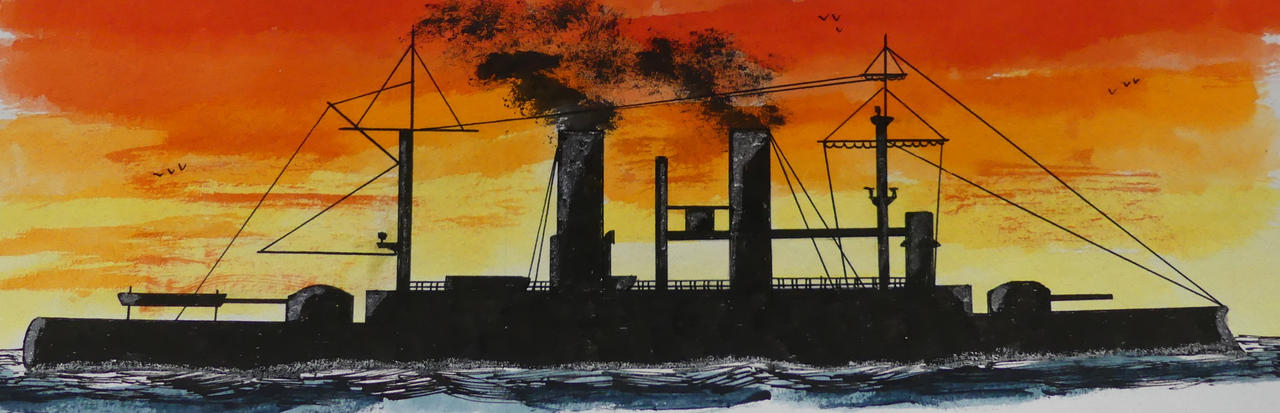
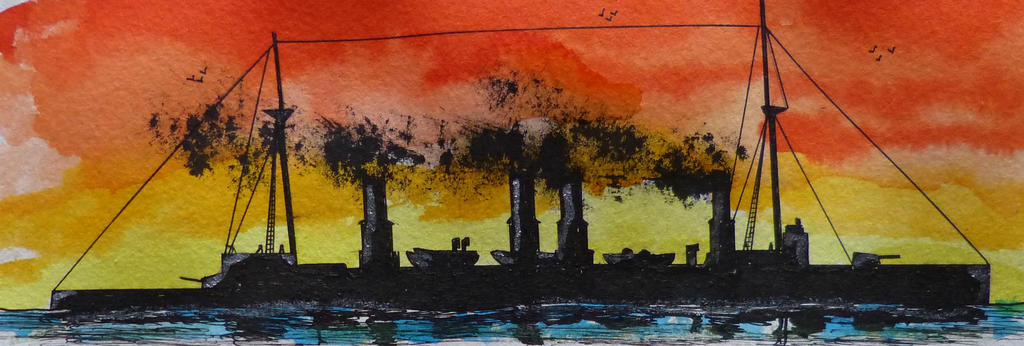
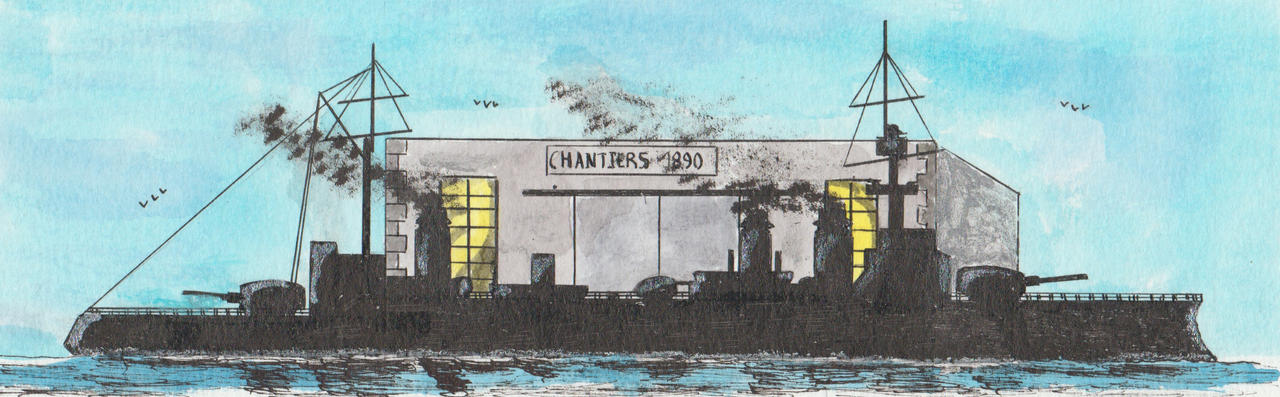
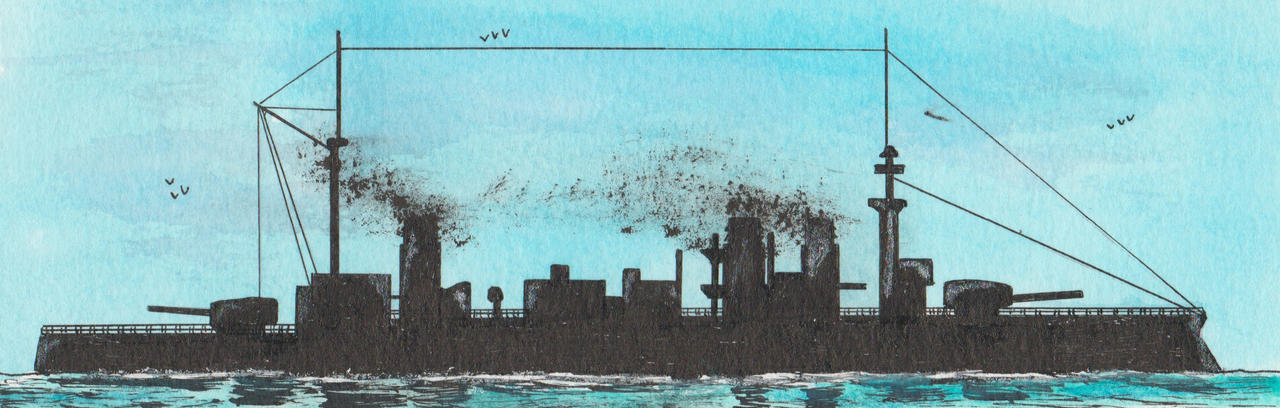
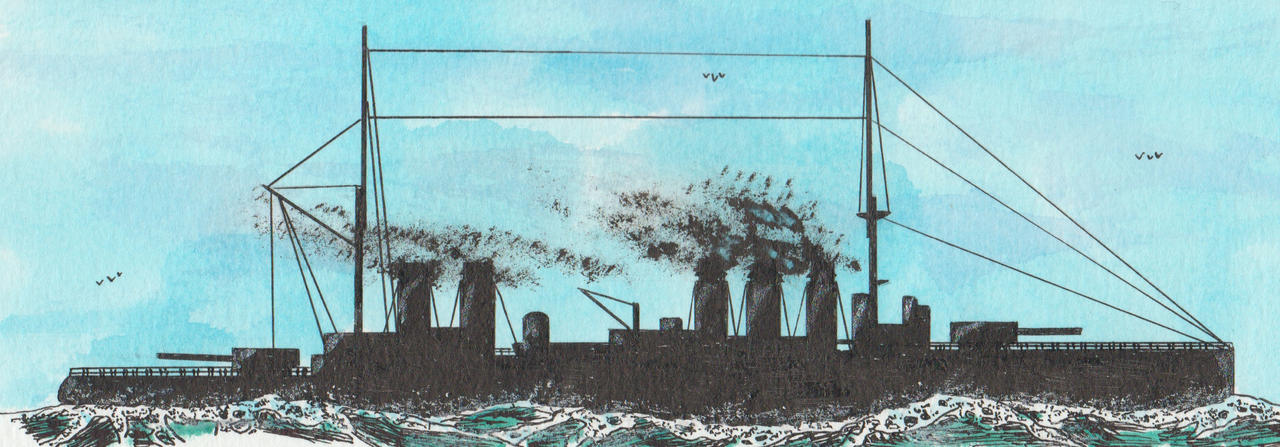
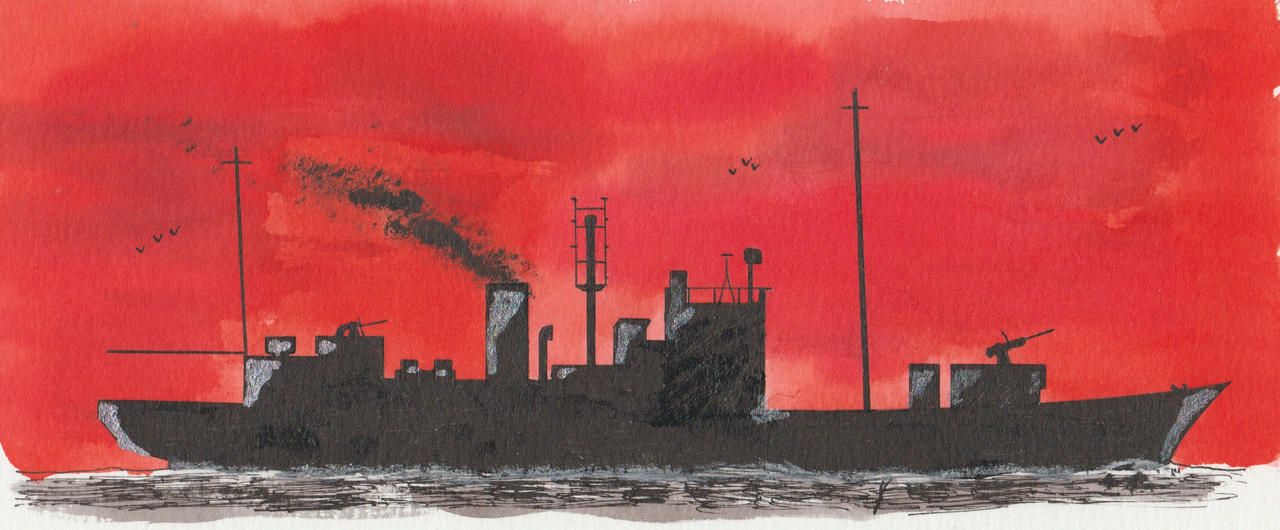
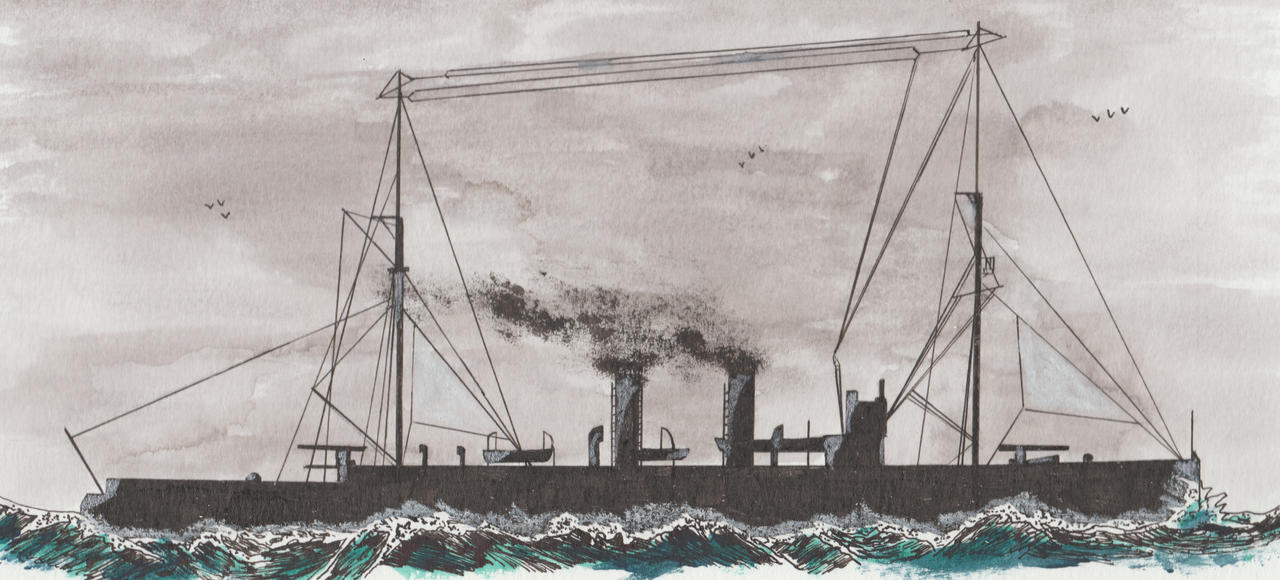
Russian battleship Sevastopol 1892-1905

Petropavlovsk©Warshipsresearch.blogspot.com

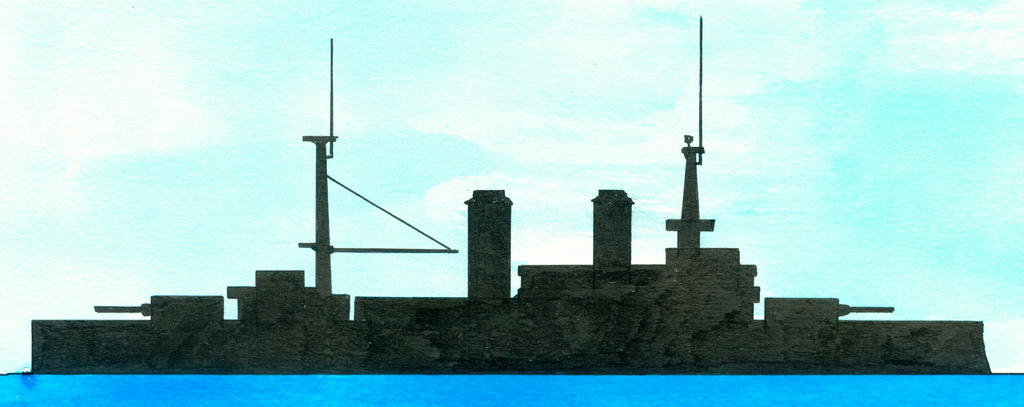
Rostislav©Warshipsresearch.blogspot.com

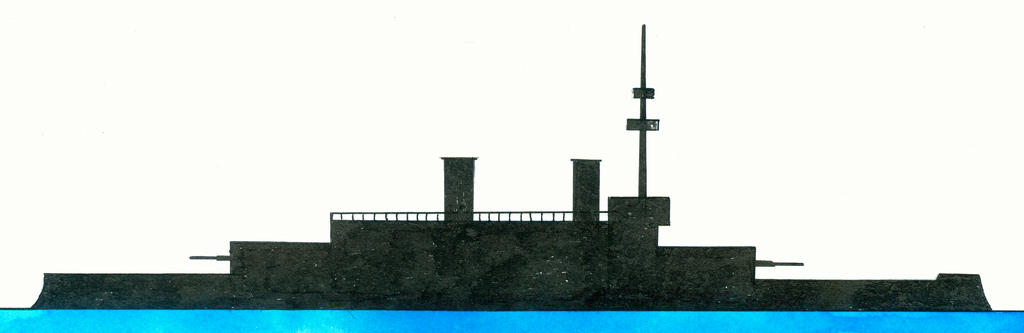
American Indiana-class©Warshipsresearch.blogspot.com

Part of Petropavlovsk-class or sometimes called Poltava-class consisting of the Poltava, Sevastopol and Petropavlovsk, preceded by Sissoi Veliky (built 1891-18966) and succeeded by Rostislav(1894-1900). The design process started with the Imperator Nikolai I (1886-1891) although replacing the gun turrets by barbettes. To avoid the problems with the casemate-mounted secondary armament with the Imperator Aleksandr II (1885-1891) in rough was chosen with the gun layout of the American Indiana-class battleships where the turret mounted armament was position on the upper deck. Laid down by Galernii Island Shipyard, Saint Petersburg, Russia on 19 May 1892, launched on 1 June 1895, completed in 1899, in service in 1900, badly damaged in the Battle of the Yellow Sea against the Japanese fleet, seeking refugee at Port Arthur and there scuttled to prevent capture by the Japanese on 2 January 1905. 

Construction status of the German kriegsfischkutter KFK 1027 in 1944

©Warshipsresearch.blogspot.com

List of planning with deadlines for new construction of warships dated Berlin 22 May 1944. Built in Adriatic area. Date building ordered 15 April 1944. Date completion November 1944.

Source

Deutsches Historisches Institut Moska. Records 500 findbuch 12453-file 152. 

Austria planning the building of a torpedo battleship according to the Australian newspaper The Telegraph dated Wednesday 6 October 1909

Warshipsresearch.blogspot.com

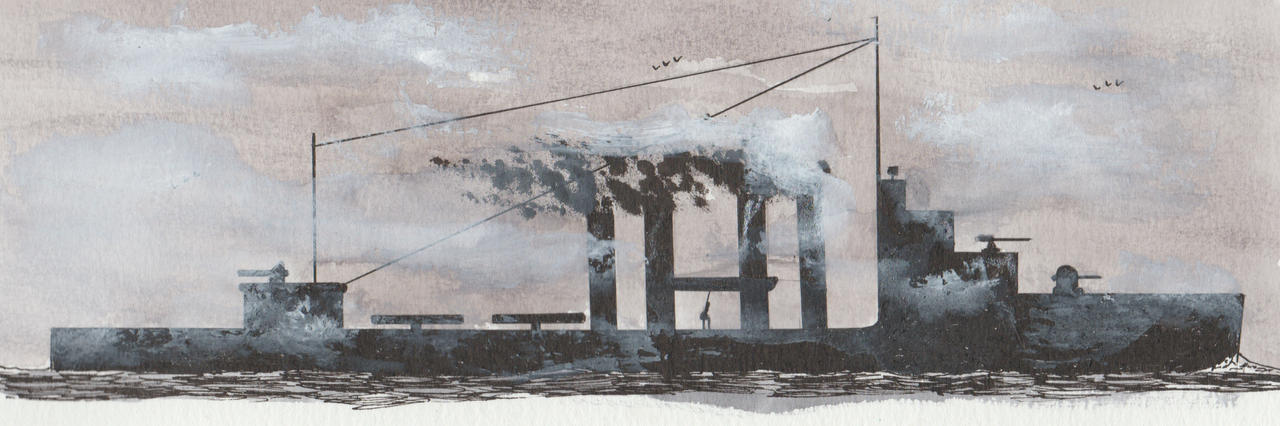
An item reported that Austrian naval experts designed a huge heavily armored ship armed with 30 torpedo tubes: 12 in front of the foremost funnel, 8 between the for and midship funnels and 8 between the after-midship funnel and the aft smokestack and a couple right aft. Furthermore she was armed with guns ‘better than our 4.7” gun’ for anti-torpedoboat attacks and destroying merchant ships. Bulging sides, rounding decks all heavily armoured and with a speed 3 knots faster as any existing big gun ship. "If constructed on the lines described in the Austrian semi-official naval paper (1) she will present a curious appearance at sea, lying fairly low in the water, with four large funnels, three together forward and one right aft, a light superstructure, and masts, with only her 22 guns showing as her armament. Her turbines and boilers will develop 36,000 horsepower, tonnage will be approximately 15,000 tons, and her cost is estimated at £ 1,500,000.”(2)

Notes

1. Tiburón, ‘Torpedoschlachtschiffe’, in: Mitteilungen aus dem Gebiete des Seewesens, 1909, volume II. He supplied the following details: displacement 15,250 ton and as dimensions 150 (maximum) x 23 (maximum) x 7.9 metres. Speed 24 knots. Parsons turbines and Belleville boilers-propulsion delivering 36,000 ihp. Range 2,000 nautical miles/18 knots. Armament 30-45cm Whitehead torpedo tubes, 20x1-12cm L50 quick firing guns, 2-12xm L45 quickfiring guns in casemates and 10-5.7cm L 50 guns. Carried with her 60 torpedoes, 3,000 shots for 12cm guns and 2,500 shots for 5.7cm guns.

2. Not mentioned in the Naval Annual 1909. This publication mentioned just the building of the torpedo cruiser Admiral Spaun with a displacement of 3,500 tons and as dimensions 411 x 42 feet. |Apparently a never realized project. 

Italian naval engineer Cuniberti designing submarine dreadnought around 1913

An item reported the death of the Italian general Cunberti (1), which famous naval architect deserves all credits for initiating the dreadnought idea. At the time of his depth he seemed to be working on the design of a submarine dreadnought in which the big guns were replaced by torpedo tubes.

Note

1. The naval engineer Vittorio Emanuele Cuniberti (1854 Turin, Italy-20 December 1913 Rome, Italy), known for his 1903 vision of the all big gun battleship, first realized as the British HMS Dreadnought. Probably is this design the same he made for a torpedo battleship,

Source

Journal of the United States Artillery. Volume 41, 194. 

French Minister of Marine De Lanessan wanted to built armoured cruisers in stead of battleships in 1900

République-class©Warshipsresearch.blogspot.com

Liberté class©Warshipsresearch.blogspot.com

Danton-class©Warshipsresearch.blogspot.com

An item reported that the Commission of Budget examined the Naval Estimates of France and discussed with the Minister of Marine the proposed new building of 2-14,865 tons battleships, building costs each 35 million francs/1,400,00 pound sterling.(1) The Commission asked the Minister to spread the costs for the first year on the other ships now under construction. Later responded De Lanessan (2) while proposing to replace the two battleships by 2-12,400 armoured cruisers to be built at Brest and Toulon and which were similar to one cruiser already mentioned on the list and which was to be built at Cherbourg. The building costs of the proposed armoured cruisers was each 28 million francs/1,120,00 pound sterling. The Commission refused this replacement in view of the “exterior Political Situation” and wanted that the money at disposal was to be used to accelerate the construction of ships already started. She decided not to vote the credits asked for. Former Minister of Marine Lockroy (3) sent an amendment to the Naval Budget to the Chamber in which he divided the budget of 500 million francs/10,000,000 pound sterling of which one half for fleet and torpedo boats including the battle of battleships. Lockroy made clear that the battleships were not to have an “enormous tonnage and extravagant cost, like those proposed, and which are nevertheless inferior in artillery and speed” to similar British battleships.

Notes

1. Under the Fleet Law of 1900 were six pre-dreadnought battleships built. namely the 14,870 ton République-class (République and Patrie) and the Liberté class (Liberté, Justice, Vérité, and Démocratie). Preceded by Suffren and succeeded by the Danton-class semi-dreadnought-battleships.

2. Jean-Marie Antoine de Lanessan (13 July 1843 Saint-André-de-Cubzac, France 7 November 1919 Écouen, France), Minister of Marine 22 June 1899-7 June 1902. Reformer of the French naval construction under the 1900 naval program.

3. Édouard Lockroy (18 July 1838 Paris-22 November 1913), French politician. Criticized the policy of Camille Pelletan Minister of Marine June 1902-January 1905 in the cabinet of Émile Combes. As a persistent supporter of a strong naval policy Lockroy wrote several books like La Défense navale (1900), Les Marines française et allemande (1904) and Le Programme naval (1906).

Source

Journal of the Royal United Service Institution. Volume XLIV. January-June 1900, p. 73-.

The armament of the Dutch merchant ship V.d. Helst in the Second World War

According to the list and supplements 1-2 on 13 September 1945 BDZ No. 673sent by the office of armament the Royal Netherlands Navy located at 41 East 42nd Street, New York 17, USA. There were no complete records available, so there were several sources used to compile the list. Sometimes the kind of guns gave indirect information regarding the origin such as 4”/BL and 12 pounder guns were British mostly supplied in the United Kingdom, Canada or Curacao. The 4.7” guns were old Japanese guns placed on some vessels in the begin of the war at Singapore and some 4” guns in the same period at Surabaya, Dutch East Indies. The trade in which the ship was used gave also an indication where the guns were supplied, for example involved in the Pacific trade means supplied at the West Coast.

All guns on board were British, no American guns supplied

Source

Archieven van hoofd handelsbescherming en diverse handelsbeschermingsofficieren 1941-1946 inv.no. 53 (Nationaal Archief, The Hague, Netherlands. 

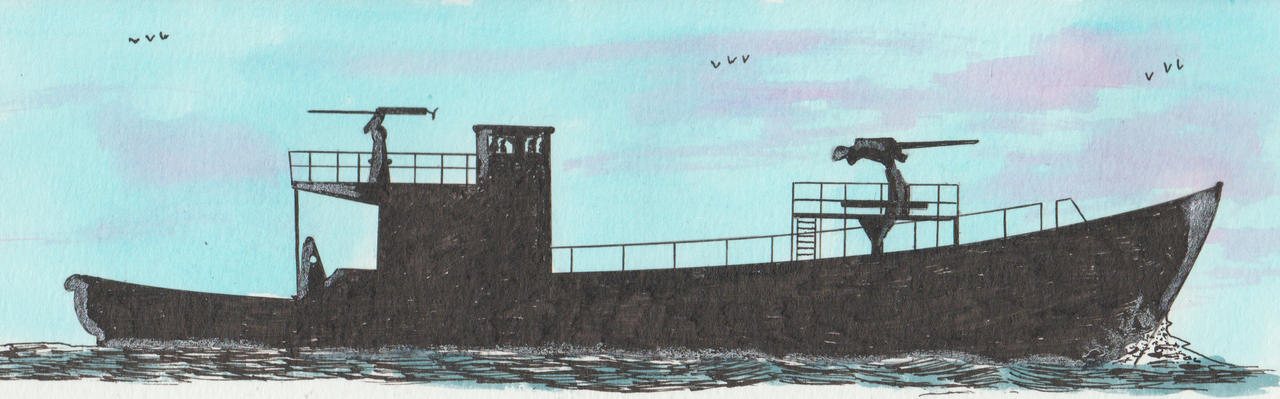
Japanese auxiliary patrol boat No. 2214 cancelled 1945

©Warshipsresearch.blogspot.com

No. 1-class patrol boat/Type B ordered under the 1943-1944 Programme to be part of the coastal forces. Of the 280 ordered were just 56 laid down and even a less number finally completed when the Second World War ended. To serve as convoy escorts were the boats also fitted out with minesweeping gears.  on a traditional wood built fishing boat. With a displacement of 238 tons and as dimensions 93.5 (between perpendiculars)-105. 3/4 (over all) x 20.2 x 7.75 feet. Geared diesel propulsion with 400bhp via one shaft and speed 9 knots. Crew numbered 26 men. Armament consisted of 2/4x1-2.5cm guns and 8-12 depth charges. 

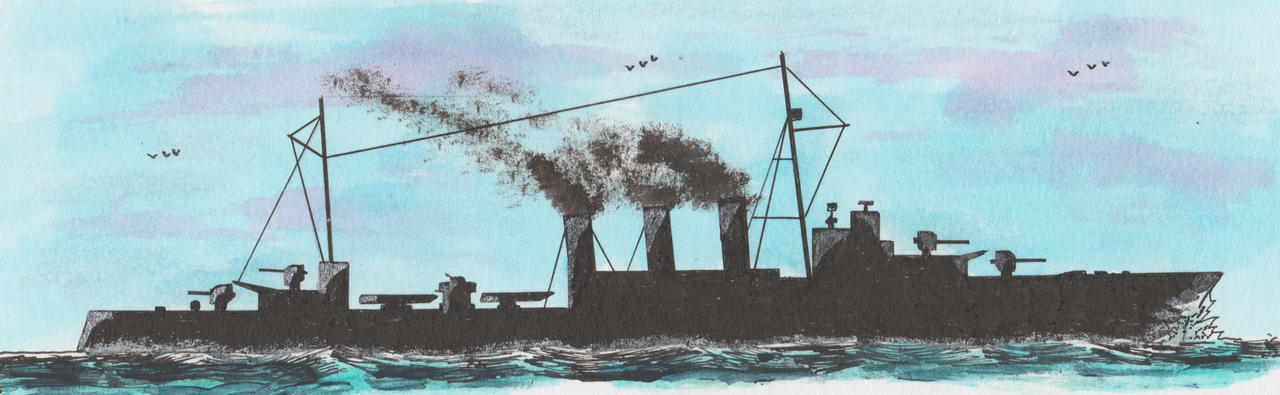
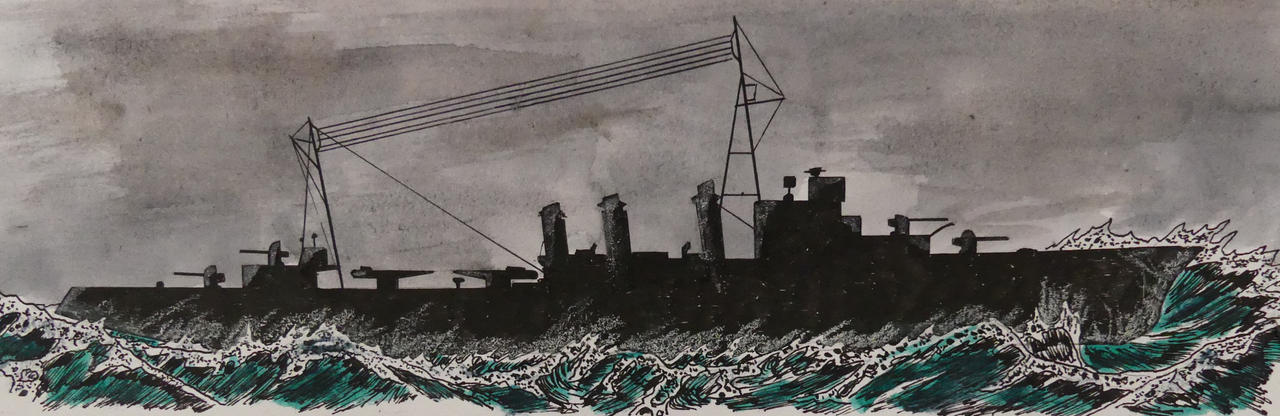
French destroyer Trombe 1924-1950

Enseigne Gabolde©Warshipsresearch.blogspot.com

Bourrasque-class©Warshipsresearch.blogspot.com

French L’Adroit-class©Warshipsresearch.blogspot.com

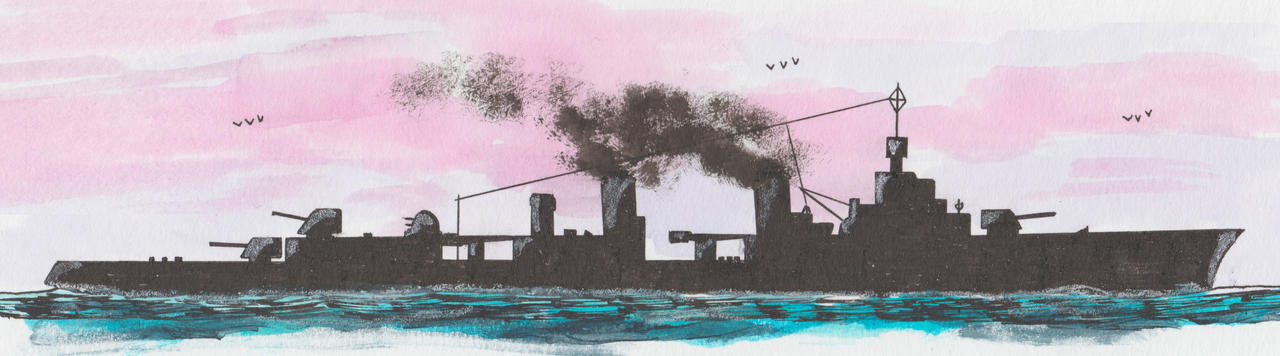
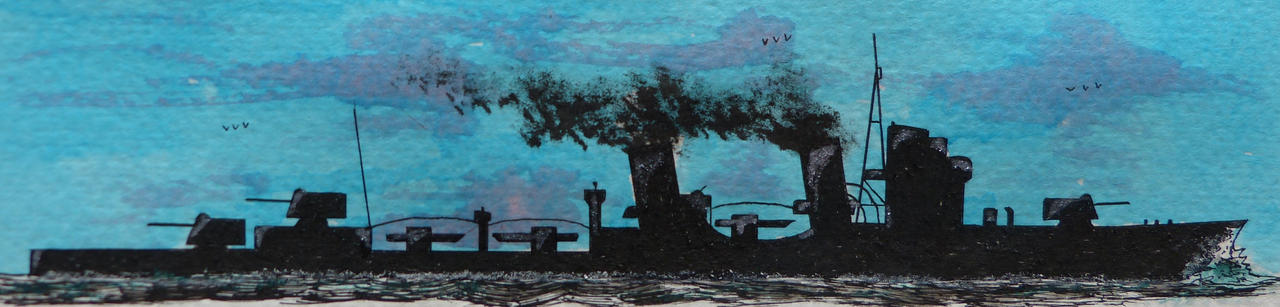
Part of Bourrasque-class (ONI reports Simoun-class DD28-39) preceded by Enseigne Gabolde succeeded by Adroit-class. Totally 12 built. The Bourrasque-design was reused for designing the Polish Wicher-class destroyers built by Chantiers Naval Français, Caen, France between 1927-1930. Ordered on 5 March 1923, laid down by Forges et Chantiers de la Gironde, Bordeaux, France on 5 March 1924, launched on 27 December 1925, completed on 27 October 1927, commissioned on 1 June 1927, taken into service on 21 December 1927, scuttled at Toulon, France on 27 November 1942, salvaged by Italian navy and renamed FR 31, after the armistice returned to Free France although repairs were not finished, under French command towards Bizerte, French Tunisia, attacked and hit off Ligurian coast near Sanremo by an MT explosive motorboat of the Marina Nazionale Republicana (German puppet state Italian Social Republic also referred to as Republic of Salò September 1943-May 1945) and damaged beyond repairs on 16 April 1945, part of reserve since 3 July 1945, stricken on 12 December 1946 and on sale list on 7 December 1950.

French minesweeping sloop Bellatrix 1916-1933

©Warshipsresearch.blogspot.com

The Arabis-class was built under the Emergency War Programme of the First World War. At the end of 1914 was the design completed and in July 1915 were 36 ships in 3 batches ordered for the British Royal Navy. British shipyards built an additional 8 vessels for the French Navy. Part of Arabis-class preceded by Azalea- and Acacia classes and preceded by Aubrietia-class. The Arabis-class was just like 4 other subclasses part of the so-called Flower-class, the later also known as Cabbage-class or the Herbaceous Borders. Ordered in January 1916. Launched by D.&W. Henderson and Company, Partick, Scotland on 29 May 1916, delivered to France in 1916 and deleted in 1933. 

Japanese passenger-cargo ship Arabia Maru 1918-1944

©Warshipsresearch.blogspot.com

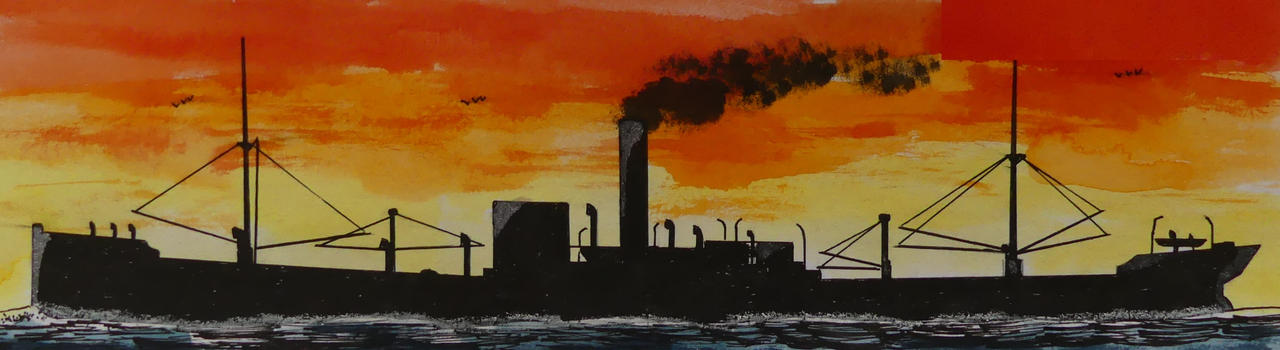
Call sign JEGD. Homeport Osaka, Japan. Owner in 1939 Osaka Syosen K.K., Osaka. Sister ships Manila, Maru, Alabama Maru, Arizona Maru, Afrika Maru, Arabia Maru and Hawaii Maru. Homeport Osaka, Japan. Owner in 1939 Osaka Syosen K.K., Osaka. Built by Mitsubishi Zosen Kaisha, Ld. in May 1918, requisitioned by the army in 1941, served as hospital ship and transport and sunk by the American submarine USS Bluegill in the South China Sea 25 kilometres north west of Lubang, Island, Philippines on 18 October 1944.  Gross tonnage9,480 tons, under deck 8,797 tons, net tonnage 5,790 tons and as dimensions 475.0 x 61.0 x 40.7 x 11 (light)-27.7 (loaded) feet. Reciprocating propulsion, horsepower 995nhp, 2 screws, 1,300 ton coal bunker capacity+2,000 ton oil bunker capacity, range 8,000 nautical miles/14 knots and speed 14 (normal cruising)-16 (maximum) knots. 

Tuesday, 20 October 2026

Romanian cargo ship Ardeal bound for Italy and France according to a letter of the German naval attaché at Istanbul dated 2 March 1940

In his letter dated Istanbul, Turkey 2 March 1940 No. 801 g. reported the German naval attaché to the Oberkommando der Wehrmacht Abteilung Ausland the neutral ships passing Istanbul coming out of the Black Sea and loaded with contraband for or chartered by the enemy. An item reported the Romanian ship Ardeal of the Romanian Sea service (S.M.R.) passing on 27 February afternoon from here with 6,000 ton grain and a portion of planks from Constanta and 250 ton general cargo of seeds, hemp and hazelnuts from Istanbul via Piraeus, Greece towards Naples, Genoa and Marseille.

Source

Bundesarchiv. German Marineattaché for Greece, Romania and Bulgaria 1939-1941. RM 12-II/459.

French destroyer l’Aventurier 1939-1971

French L’Adroit-class©Warshipsresearch.blogspot.com

Le Hardi-class©Warshipsresearch.blogspot.com

Italian Navigatore-class©Warshipsresearch.blogspot.com

Japanese Fubuki-Amagiri group©Warshipsresearch.blogspot.com

French T47 B-design©Warshipsresearch.blogspot.com

French fast battleship Dunkerque©Warshipsresearch.blogspot.com

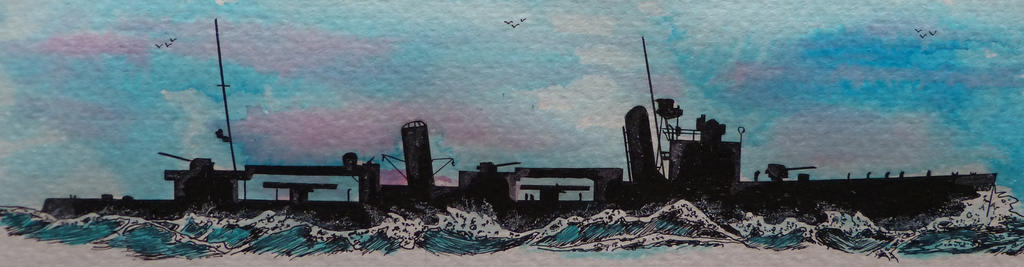
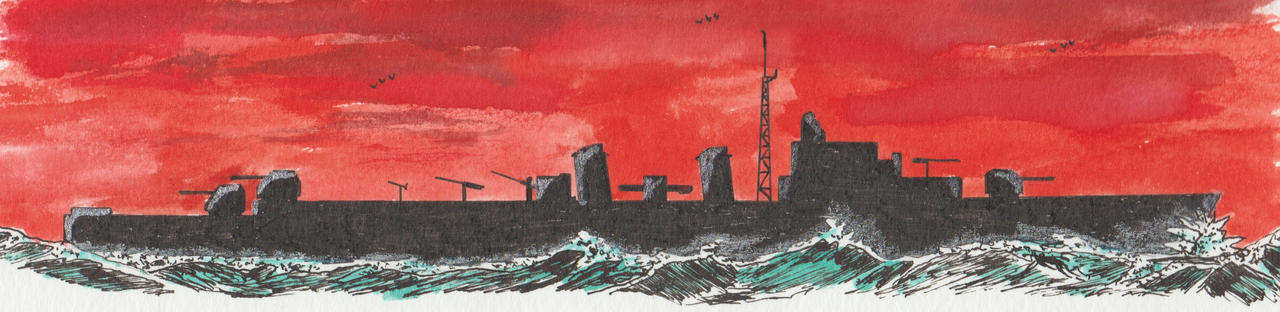
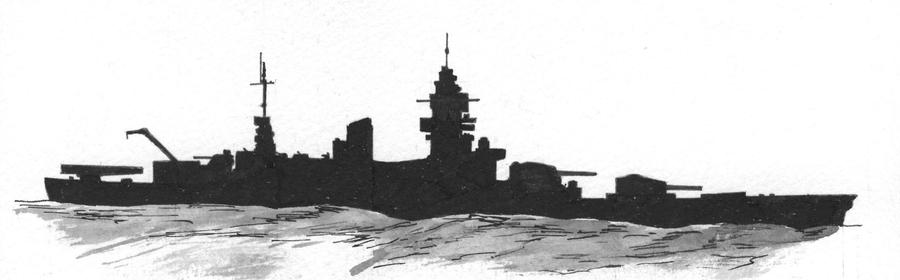
Part of Le Hardi-class preceded by L’Adroit-class and succeeded by T 47-class. Of the 12 planned units were 7 completed. The Le Hardi-class destroyers were designed to be able to keep up with the fast battleships Dunkerque and Strassbourg and to counter the Italian Navigatore- class and Japanese Fubuki-class destroyers. The design was approved on 10 August 1934. Laid down by Forges et Chantiers de la Gironde, Bordeaux, France on 4 August 1939, captured by Germans and to be completed as the ZF&, launched on 20 April 1947, used as an experimental hulk and for sale since 21 April 1971. 

German submarine UB 67 under repair at the Kaiserliche Werft, Kiel, Germany in 1918

A list dealing dated 12 July 1918 reported the status of work on the submarines expected on 14 July. Work started on 12 July. Planned completion on unknown. Description of the work maintenance.Remarks unknown what kind of work was to be done.

Source

Bundesarchiv RM 3-11254. 

The armament of the Dutch merchant ship V.d. Capelle in the Second World War

According to the list and supplements 1-2 on 13 September 1945 BDZ No. 673sent by the office of armament the Royal Netherlands Navy located at 41 East 42nd Street, New York 17, USA. There were no complete records available, so there were several sources used to compile the list. Sometimes the kind of guns gave indirect information regarding the origin such as 4”/BL and 12 pounder guns were British mostly supplied in the United Kingdom, Canada or Curacao. The 4.7” guns were old Japanese guns placed on some vessels in the begin of the war at Singapore and some 4” guns in the same period at Surabaya, Dutch East Indies. The trade in which the ship was used gave also an indication were the guns were supplied, for example involved in the Pacific trade means supplied at the West Coast.

All guns on board were British supplied in Ireland, no American guns supplied

Source

Archieven van hoofd handelsbescherming en diverse handelsbeschermingsofficieren 1941-1946 inv.no. 53 (Nationaal Archief, The Hague, Netherlands. 

British destroyer HMS Mohawk 1906-1919

HMS Cossack, Tribal-class©Warshipsresearch.blogspot.com

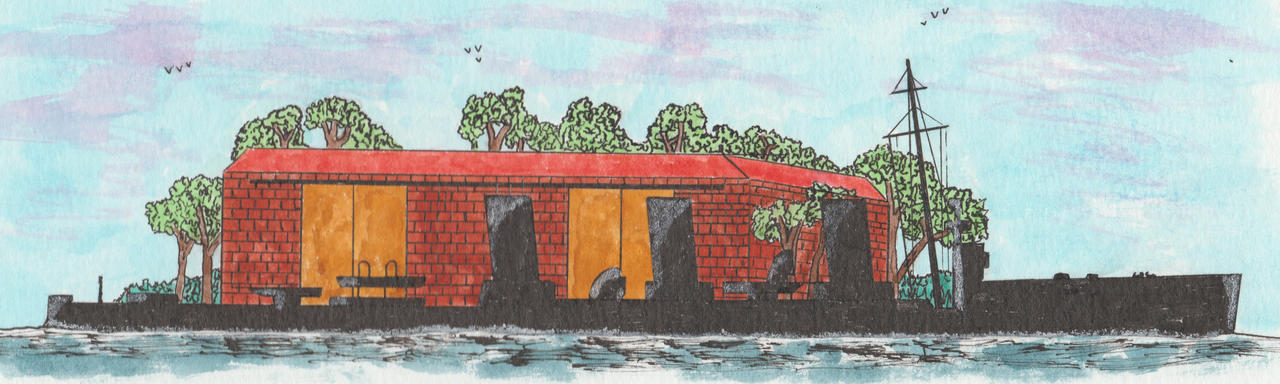
Part of Tribal- or F-class preceded by River- of E-class and succeeded by Beagle- or G-class. First Sea Lord Fisher asked for a 33 knots destroyer in November 1904 and to be fitted out with oil-fuelled boilers and steam turbines. While the design details were left to the individual shipyards as common at the time the were quite what difference in details and appearance especially dealing with the number of funnels. HMS Cossack and Ghurka had three funnels but their sister ship HMS Viking even six. The class had also two masts of which a light mainmast aft. Totally 12 completed. Built under the 1905-1906 Programme. Laid down by J. Samuel White, Cowes, Wight on 1 May 1906, launched on 15 March 1907, commissioned in June 1908 and sold to be scrapped on 72 May 1919. 

Spanish torpedo boat T-22 1920-1939

©Warshipsresearch.blogspot.com

International call sign GRSD. Part of T-class preceded by Ariete-class succeeded by German S-boats. Between 1912-1922 were totally 22 of the planned 24 boats built by Sociedad Española de Construcción Naval, Cartagena, Spain based on the French Bourrasque-torpedo boats class design from Chantiers et Ateliers A. Normand, Le Havre, France. Launched in 1920 and scuttled in 1939. Dimensions 50 (maximum) x 5,00 (maximum) x 3.20 x 1.47 metres. Maximum displacement 180 ton. Number of screws 3. Maximum speed 26,00 knots. Coal bunker capacity 1,000 ton. Crew numbered 31 men. Armament 3-4.7cm Vickers guns, 1x45cm and 1x2-45cm torpedo tubes. 

Navypedia claims developed with support of the British firm Vickers and based on the French Cyclone-class of Norman. Building authorized under the law dated 7 January 1908. Harald Fock. Schwarze Gesellen. Torpedoboote bis 1914 also mentioned the Cyclone-class as basic design.

Sources

T-1 class

Lista official de los buques de Guerra y mercantes de España 1925.

British minesweeping sloop HMS Gentian 1915-1919

©Warshipsresearch.blogspot.com

Built under the Emergency War Programme of the First World War. At the end of 1914 was the design completed and in July 1915 were 36 ships in 3 batches ordered for the British Royal Navy. British shipyards built an additional 8 vessels for the French Navy. Part of Arabis-class preceded by Azalea- and Acacia classes and preceded by Aubrietia-class. The Arabis-class was just like 4 other subclasses part of the so-called Flower-class, the later also known as Cabbage-class or the Herbaceous Borders. Launched by Greenock&Grangemouth Dockyard Company, Scotland with yard number 376 on 23 December 1915, completed in February 1916 and lost after hitting a mine in the Gulf of Finland on 16 July 1919. 

German blockade runner Feldberg homeward bound in 1942

Transport Number -. Name ship Feldberg (ex-Portland). Company Hapag= Hamburg-Amerika Linie, Hamburg, Germany. Date departure 26 February 1942. Harbour which was left Yokohama, Japan. Date arrival 10 May 1942. Harbour of arrival Bordeaux, France. Deadweight 9,684 tons.

Source

Bundesarchiv RM 7/1419 Ausarbeitung "Wirtschaftsfahrten im Zweiten Weltkrieg" (Zusammenstellung der Fahrten von Blockadebrechern nach Ostasien, 1941-1945).

Japanese auxiliary patrol boat No. 2140 cancelled in 1945

©Warshipsresearch.blogspot.com

No. 1-class patrol boat/Type B ordered under the 1943-1944 Programme to be part of the coastal forces. Of the 280 ordered were just 56 laid down and even a less number finally completed when the Second World War ended. To serve as convoy escorts were the boats also fitted out with minesweeping gears. Based on a traditional wood built fishing boat. With a displacement of 238 tons and as dimensions 93.5 (between perpendiculars)-105. 3/4 (over all) x 20.2 x 7.75 feet. Geared diesel propulsion with 400bhp via one shaft and speed 9 knots. Crew numbered 26 men. Armament consisted of 2/4x1-2.5cm guns and 8-12 depth charges.

Monday, 19 October 2026

Former Dutch minesweeper Hr.M.s Roermond M806 -1987

Lemmer, Netherlands 17-10-2026

Part of Dokkum-class paid by the USA under the Mutual Defense Assistance Program (MDAP) and designed by Scheltema de Heere succeeded by Alkmaar-class (Tripartite) minehunters. Laid down by Wilton-Fijenoord, Schiedam on 19 September 1953, launched on 13 August 1955, commissioned on 29 December 1955, decommissioned on 16 April 1987 and now used by the Zeekadetkorps Lemmer.