
In her letter dated Berlin, Germany 31 July 1941 to M. to inform Ob.d.M. the German Seekriegsleitung wrote that after an introduction of the Hauptamtschefs K on 30 July dealing with the needed increase of the building capacity of the shipyards for realizing the future fleet Ob.d.M. demanded information about strength and composition of the fleet.(1) The Seekriegsleitung made a provisional sketch of a fleet to be built within 12-15 years. The fleet was in three parts divided:
A battlefleet consisting of 25 battleships, 8 aircraft carriers or flight deck cruisers, 50 cruisers and 400 submarines.(2)
A fleet to defend the merchant shipping: 50 cruisers of which the type (corvettes of comparable) was yet to be decided.
A fleet to defend the home waters: 150 destroyers, 50 torpedo boats, 250 minesweepers (M- and R-classes), 100 Schnell-boote, 20 Minenschiffe (minelayers), 20 Flakkreuzer (anti aircraft ships) and 100 submarine chasers.
The number of necessary ships for training and special purposes like tankers, supply ships and “colonial gunboats” was to be studied.
Notes
1. On 22 June 1941 started Operation Barbarossa with Germany invading the Soviet Union, to be cpatured within 4 months but which dramatically failed and ended 5 December 1941.
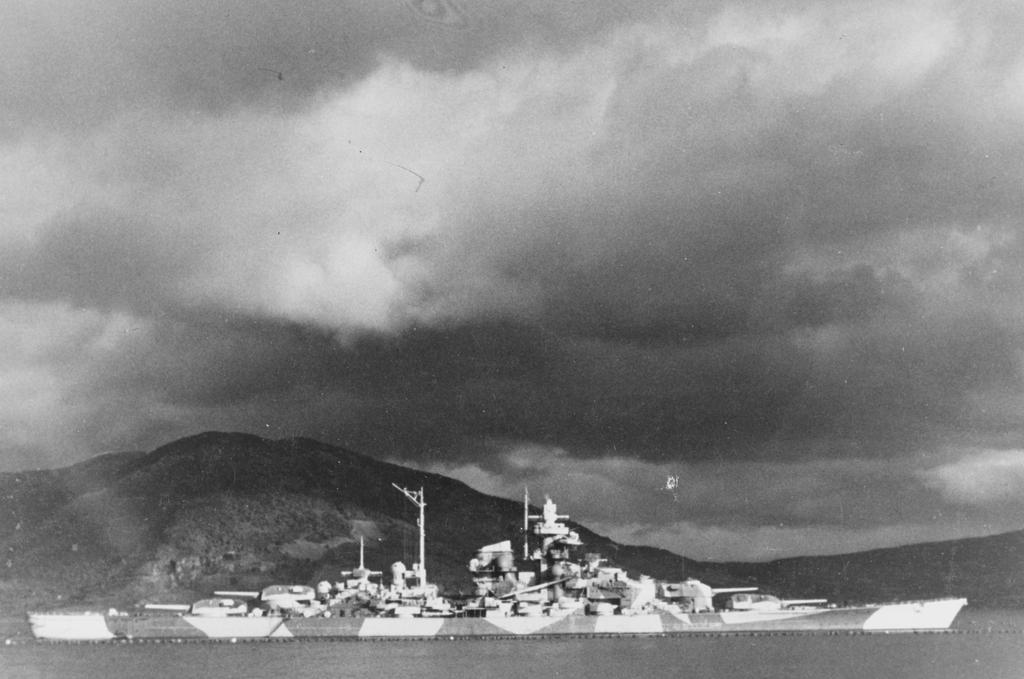
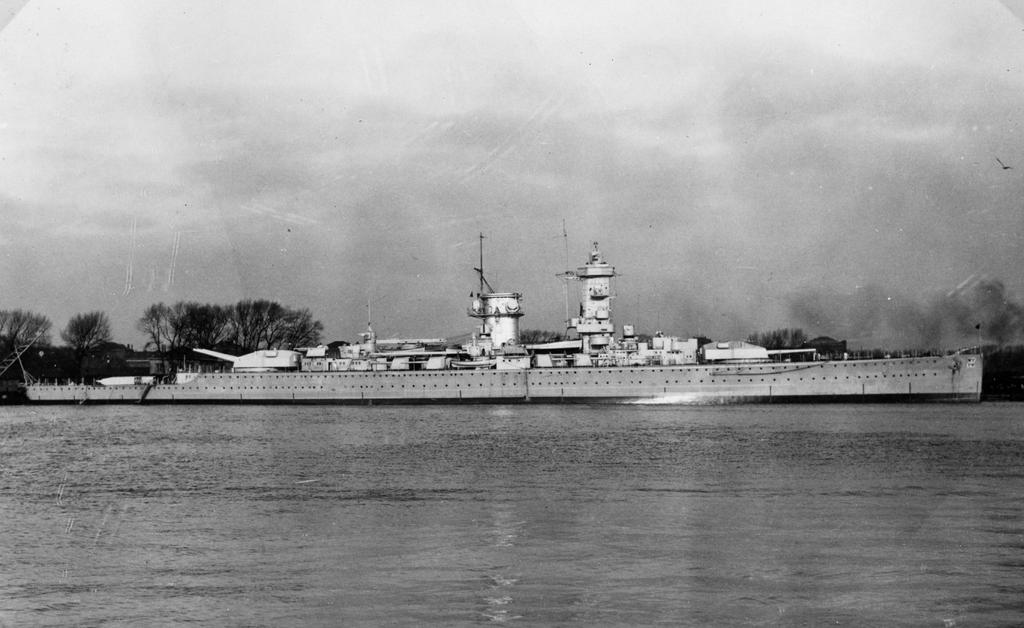
2. Except for the remaining Deutschland-class heavy cruisers but called pocket battleships due to their 28cm guns main armament, possessed German just 3 battleships at that moment namely the Tirpitz, Scharnhorst and Gneisenau. The Bismarck sistership of the Tirpitz was destroyed a few months earlier on 27 May 1941 after she destroyed the British battlecruiser HMS Hood. The aircraft carrier Graf Zeppelin is never completed.
Source
Bundes Archiv RM-6-83.


No comments:
Post a Comment