Translate

Showing posts with label Merchant marine. Show all posts

Sunday, 25 October 2026

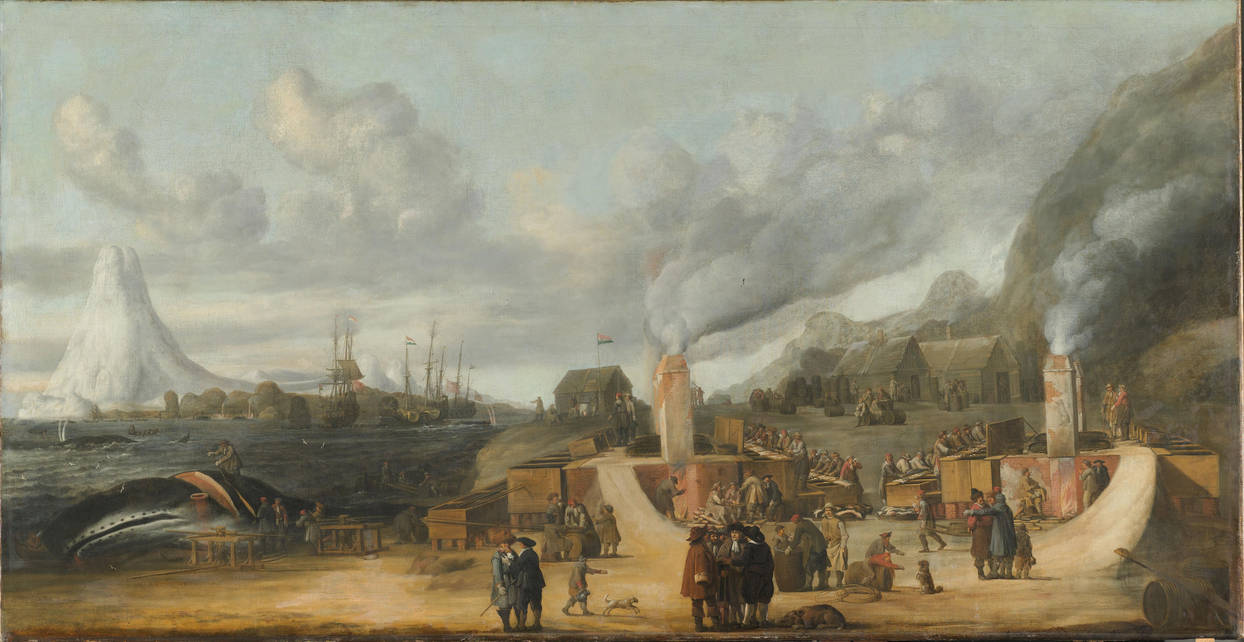
Confusion of names: Greenland whaling = Spitsbergen/Svalbard whaling and Davis Strait whaling= Greenland whaling

Boiling whale oil, probably Amsterdam Eiland, Spitsbergen. 

Mountain left probably Jan Mayen-eiland (Beerenberg).

Rijksmuseum Amsterdam. Cornelis de Man

People in the 17th and 18th centuries held a different geographical view than people today. This means that when we speak of “Greenland whaling”, “the term “Greenland” actually refers to Svalbard, whereas “Davis Strait” refers to whaling off the coast of present-day Greenland. The Davis Strait is a southern arm of the Arctic Ocean that lies north of the Labrador Sea. It lies between mid-western Greenland and Baffin Island in Nunavut, Canada. 

Norwegian merchant tanker Solmsim lost after being attacked by enemy aircraft according to the War Cabinet Weekly Résumé No. 83 of the Naval, Military and Air Situation 27 March-3 April 1941

An item reported that on 24 March was lost the Norwegian merchant tanker Solmsim due to bombs of enemy aircraft, tonnage 8,070 tons , loaded with government stores, underway from Piraeus, Greece to Alexandria, Egypt, part of convoy yes, on the position off the south coast of Crete, Greece. All men saved.(1)

Note

1. Name misspelled must be Solheim, sunk by German Junkers Ju88 bombers.

Source

National Archive UK. CAB-66-16-1. 

Merchant ship Amiral-Baudin chartered by France for the expedition to China in 1860

In 1856 broke the Second Opium War out as a result of western powers trying to force the Chinese Qing dynasty to open the frontiers for foreign trade and to obtain more influence. A treaty signed in 1858 was to end the war and give the western powers more or less what they wanted. A combined British-America-French effort to pass the Taku forts and go on to Pei-ho (nowadays Hai River) failed and France and the United Kingdom decided to sent out a combined expedition with the first French ships leaving France on 5 December 1859. A joint ultimatum of both countries dated 8 March 1860 was refused on 8 April 1860 followed by fighting. To transport their troops and stores France and especially England hired several merchant ships.

Source

Léopold Pallu de La Barrière. Expédition de Chine en 1860. Paris, Imprimerie Impériale, 1863, p. 15. 

British merchant ship Navarino chartered for the Anglo-Egyptian War of 1882

Between July-September 1882 was the United Kingdom in war with Egyptian and Sudanese troops ending in the British occupation of Egypt. The British government chartered between July-August a lot of merchant steamships for transporting troops, stores etc. from the United Kingdom to Egypt including the Navarino.

Source

The Nautical Magazine. Fifty-first year. Volume VII. July 1882.

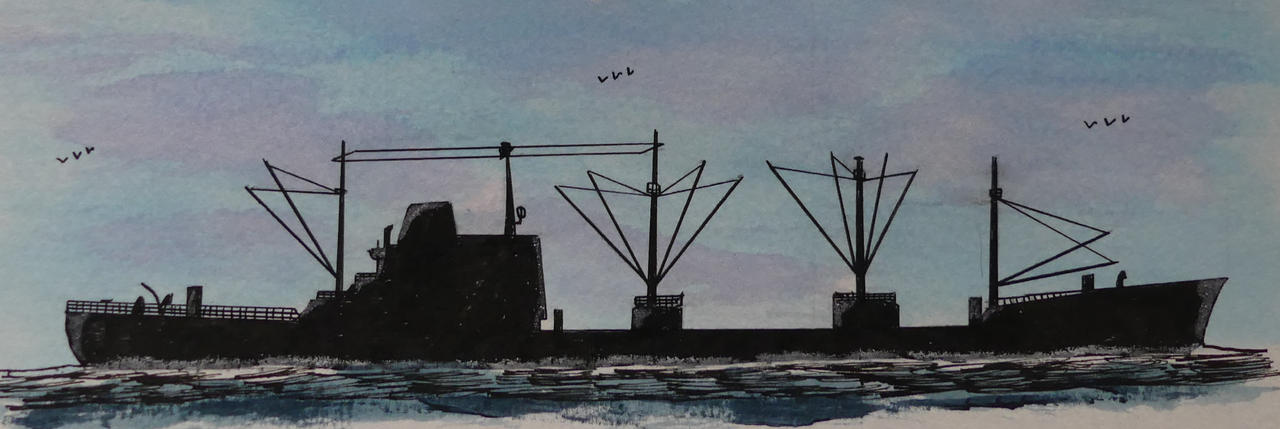
Japanese passenger-cargo ship Hawaii Maru 1915-1944

©Warshipsresearch.blogspot.com

Call sign JHWD. Sister ships Manila Maru, Alabama Maru, Arizona Maru, Afrika Maru, Arabia Maru and Hawaii Maru. Homeport Osaka, Japan. Owner in 1939 Osaka Syosen K.K., Osaka. Homeport Osaka, Japan. Owner in 1939 Osaka Syosen K.K., Osaka. Launched by Kawasaki Dockyard Co. Ltd., Kobe, Japan on 18 May 1915, requisitioned by the army on 29 September 1941, served as attack transport and sunk as part of convoy MI-29 by the American submarine USS Sea Devil in the East China Sea on 2 December 1944. Gross tonnage 9,467 tons, under deck 8,830 tons, net tonnage 5,916 tons and as dimensions 475.0 x 61.0 x 38.1 x 11 (light)-27.7 (loaded) feet. Reciprocating propulsion, horsepower 995nhp, 2 screws, 1,300 ton coal bunker capacity+2,000 ton oil bunker capacity, range 8,000 nautical miles/14 knots and speed 14 (normal cruising)-16 (maximum) knots. 

British screw steam transport Cleopatra in the Crimean War on 8 December 1854

According to a list of the return of the disposition in the Black Sea on 8 December 1854 drawn up by Captain and Principal Agent of Transports P. Christie, “Harbinger”, Balaklava, Crimea: number transport 136, present position Balaklava, remarks discharging cargo. The Crimean War found place between 16 October 1853-30 March 1856 between Ottoman Empire, France, United Kingdom and Sardinia at one side and Russia and Greece on the other side. The British Government chartered a large number of merchant ships for transporting troops and stores.

Source

Reports from Committees: eight volumes. 3-Part II. Army before Sebastopol. Session 12 December 1854-14 August 1855. Vol. IX-Part II. 

British screw steam transport Queen of the South in the Crimean War on 8 December 1854

According to a list of the return of the disposition in the Black Sea on 8 December 1854 drawn up by Captain and Principal Agent of Transports P. Christie, “Harbinger”, Balaklava, Crimea: number transport -, present position Balaklava, remarks coaling, to take troops from Varna, Bulgaria to Eupatoria.

The Crimean War found place between 16 October 1853-30 March 1856 between Ottoman Empire, France, United Kingdom and Sardinia at one side and Russia and Greece on the other side. The British Government chartered a large number of merchant ships for transporting troops and stores.

Source

Reports from Committees: eight volumes. 3-Part II. Army before Sebastopol. Session 12 December 1854-14 August 1855. Vol. IX-Part II. 

German blockade runner Elsa Essberger homeward bound in 1942

Transport Number -. Name ship Elsa Essberger. Company John T. Essberger, Hamburg, Germany. Date departure 1942. Harbour which was left -. Date arrival 1942.

Source

Bundesarchiv RM 7/1419 Ausarbeitung "Wirtschaftsfahrten im Zweiten Weltkrieg" (Zusammenstellung der Fahrten von Blockadebrechern nach Ostasien, 1941-1945). 

The armament of the Dutch merchant ship Waterland in the Second World War

According to the list and supplements 1-2 on 13 September 1945 BDZ No. 673 sent by the office of armament the Royal Netherlands Navy located at 41 East 42nd Street, New York 17, USA. There were no complete records available, so there were several sources used to compile the list. Sometimes the kind of guns gave indirect information regarding the origin such as 4”/BL and 12 pounder guns were British mostly supplied in the United Kingdom, Canada or Curacao. The 4.7” guns were old Japanese guns placed on some vessels in the begin of the war at Singapore and some 4” guns in the same period at Surabaya, Dutch East Indies. The trade in which the ship was used gave also an indication where the guns were supplied, for example involved in the Pacific trade means supplied at the West Coast.

Armed with 2-2cm guns on 24 April 1942

Armed with 2-2cm guns supplied at New York in September 1942

Armed with 2-2cm guns supplied at New York on 11 October 1942

Source

Archieven van hoofd handelsbescherming en diverse handelsbeschermingsofficieren 1941-1946 inv.no. 53 (Nationaal Archief, The Hague, Netherlands. 

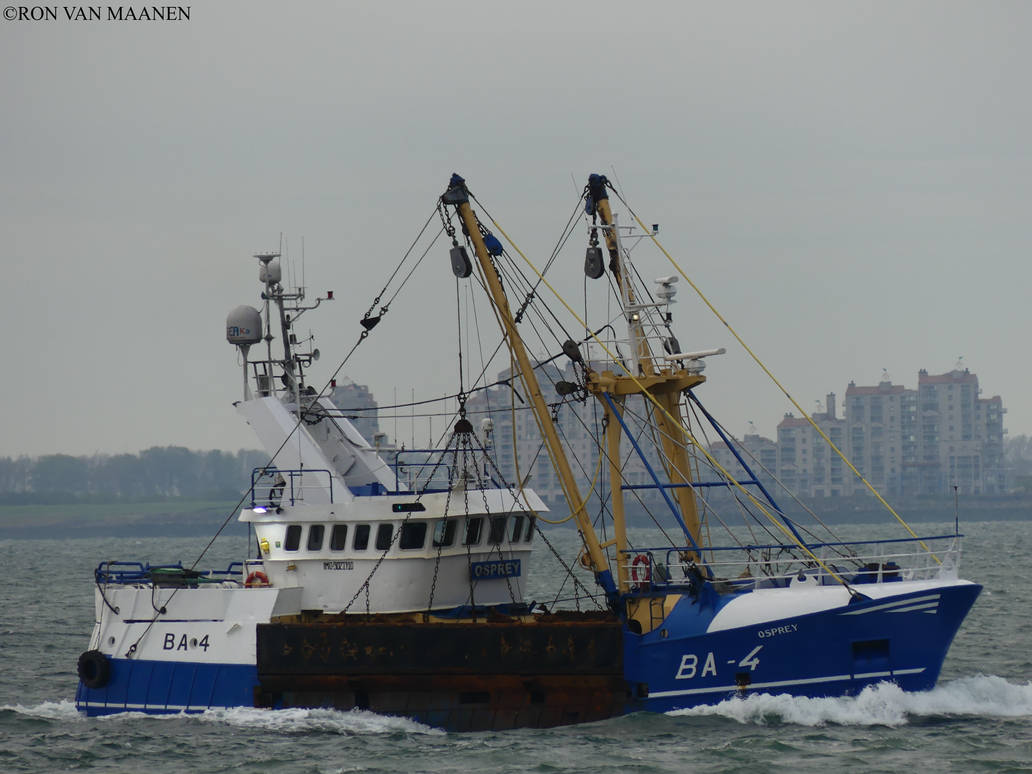
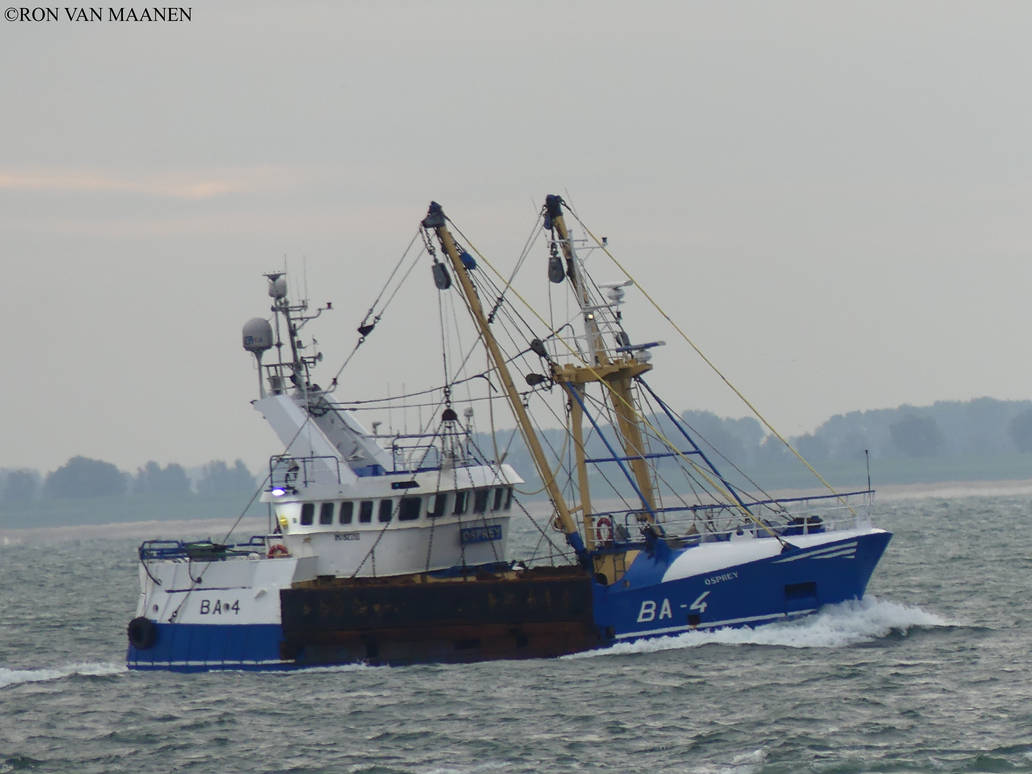
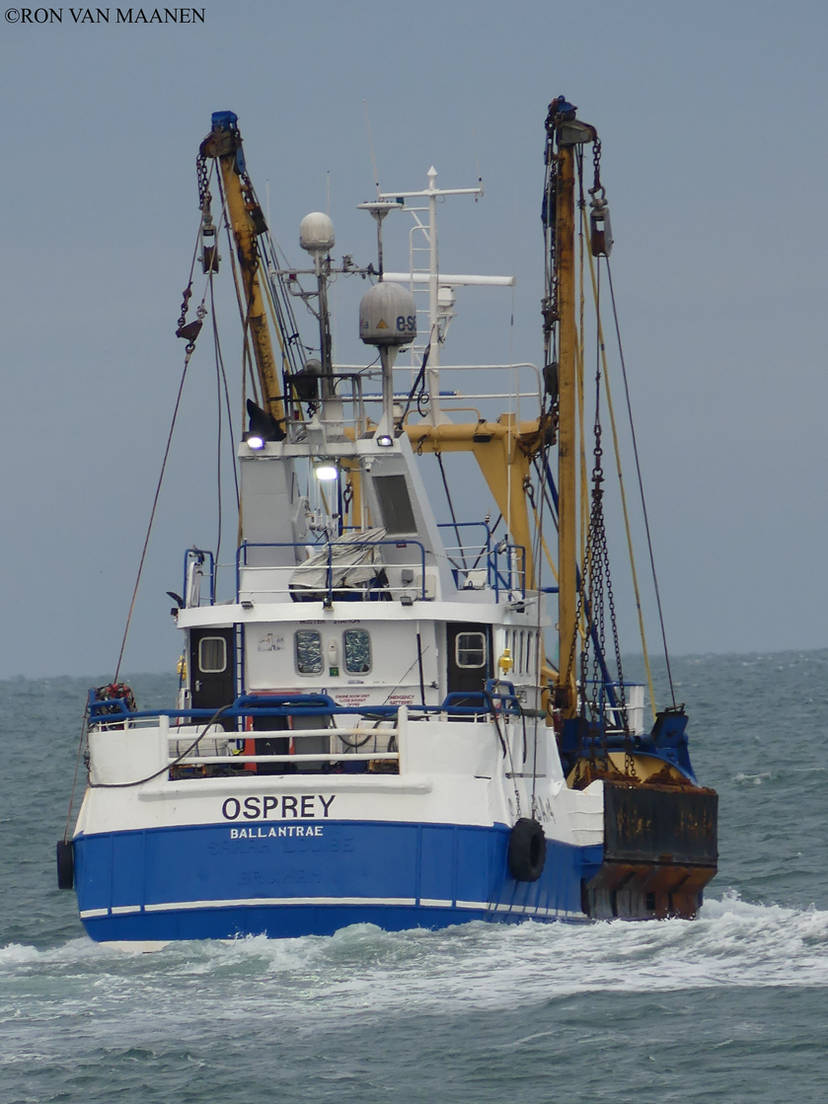
Scottish fishing vessel (ex-Osteremns SC41 1991-2012, Sarah Louise BM-41 2012-2016 ) Osprey BA-4 2062-


Schelde, Vlissingen 21 October 2010

United Kingdom-flagged, homeport Ballantrae, IMO 9021710, MMSI 235091175 and call sign 2FYG3. Built by Scheepswef Visser, Den Helder, Netherlands in 1991. Ex-Osterems SC-41 of Wiko Seefischerei, Büsum, Germany and Sarah Louise BM-41, homeport Bixham, England. Scalloper. 

Whaler Juno reported according to the Australian newspaper The Sydney Gazette and New South Wales Advertiser dated Thursday 27 March 1834

An item reported the arrival of the schooner Columbine returning from New Zealand on 26 March. She reported off Curtis’s Island [Queensland, Australia?] the whaler Juno, Banks, in December, 500 barrels oil. 

Whaler Nimrod reported according to the Australian newspaper The Sydney Gazette and New South Wales Advertiser dated Thursday 27 March 1834

An item reported the arrival of the schooner Columbine returning from New Zealand on 26 March. She reported off Curtis’s Island [Queensland, Australia?] the whaler Nimrod, with loss of boats and try pots.

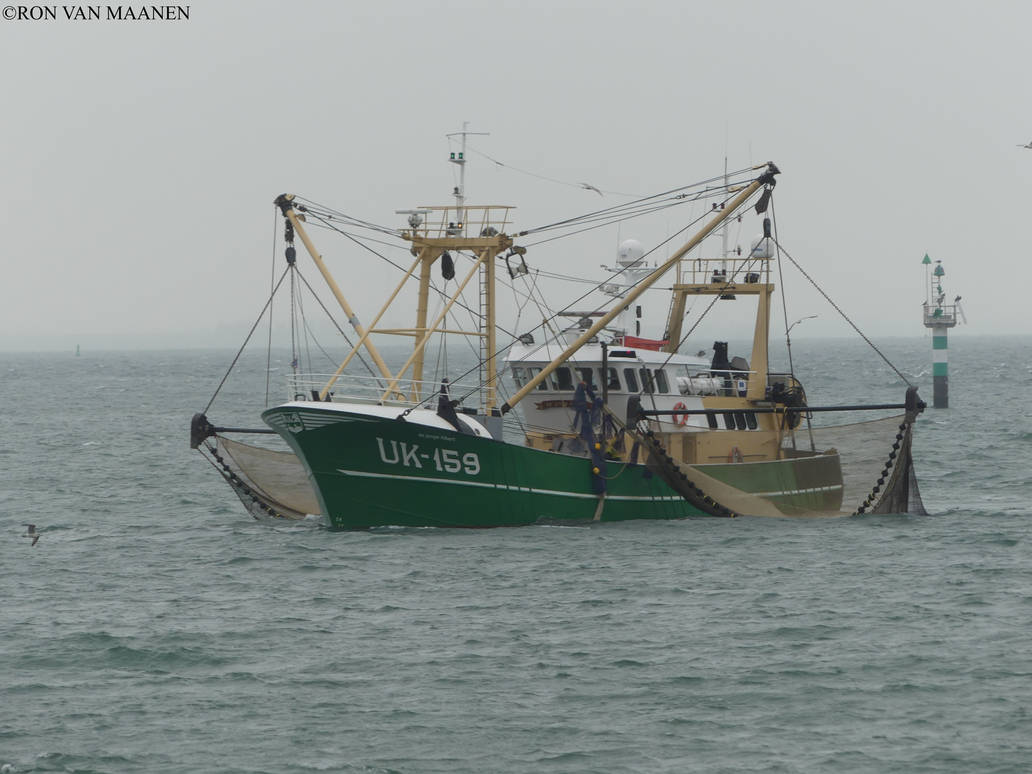
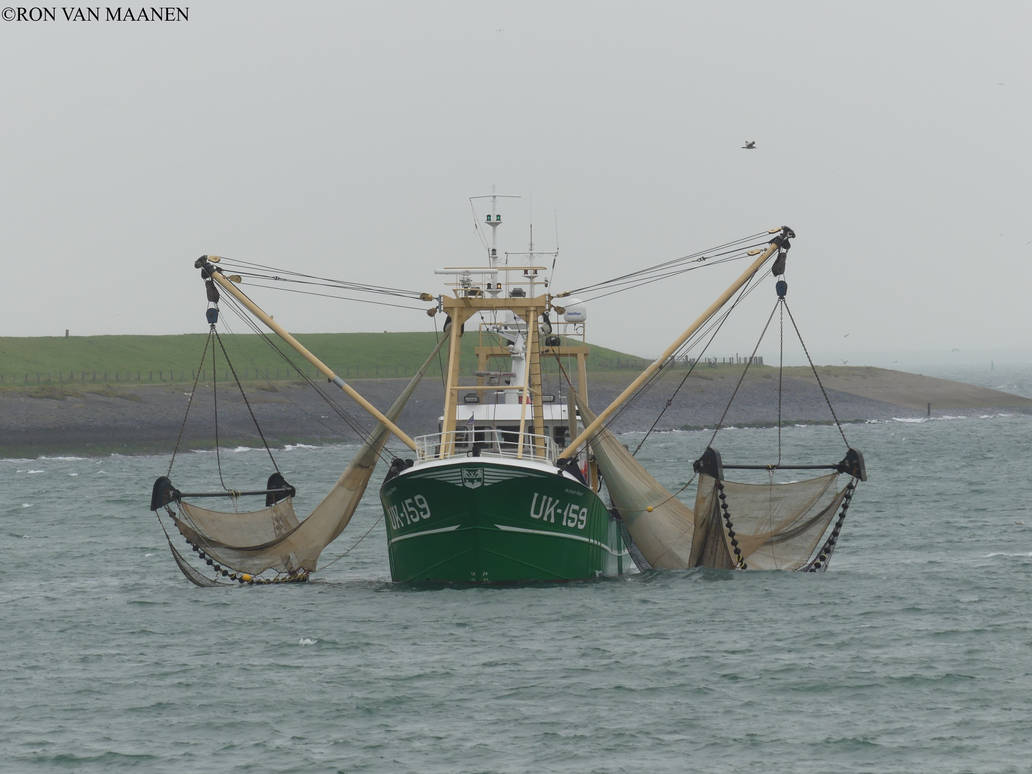
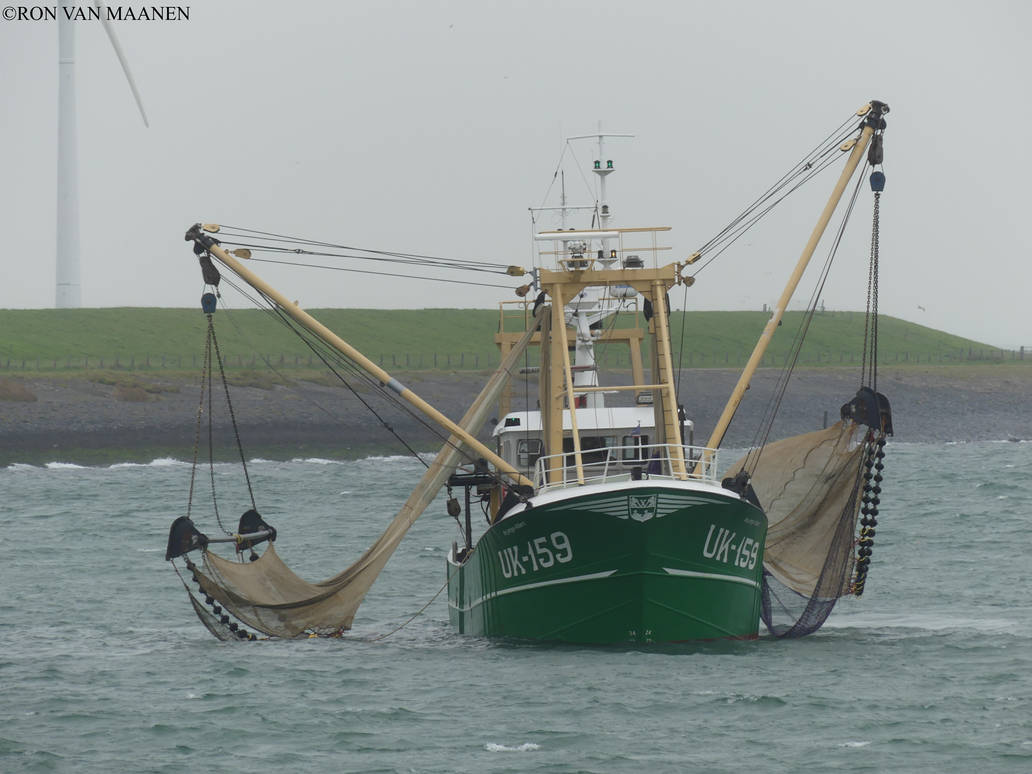
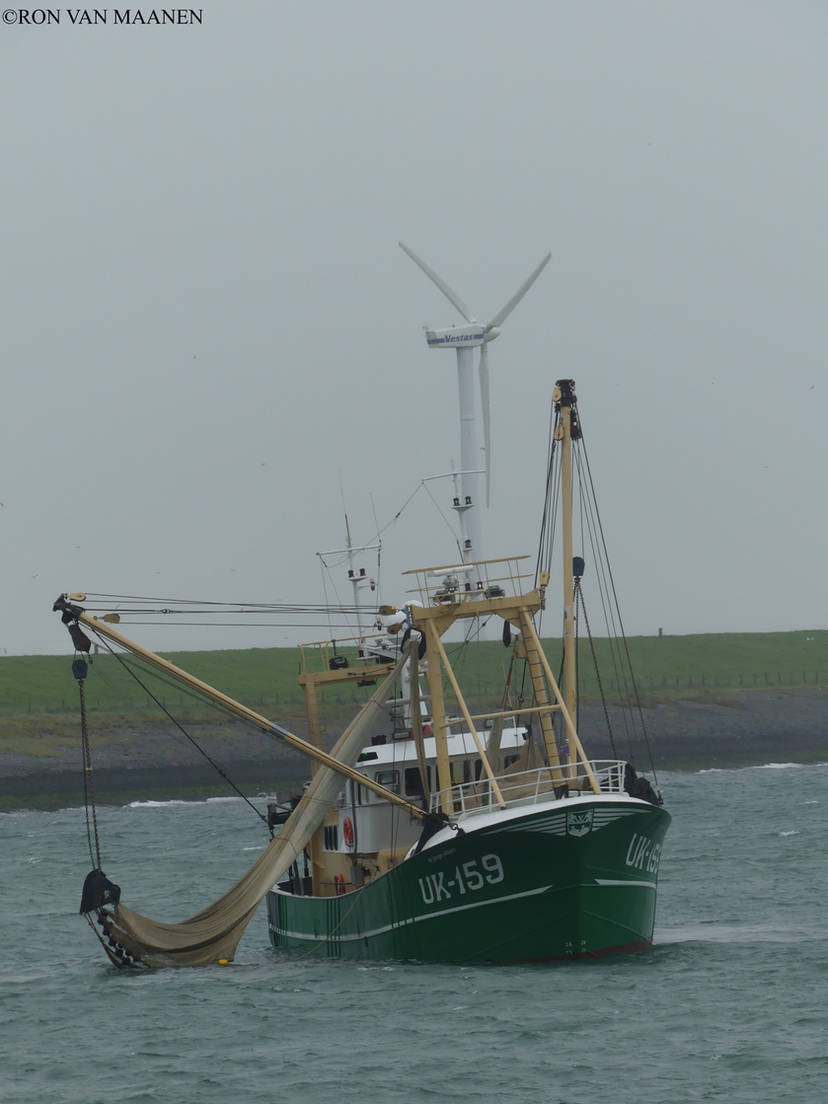
Dutch cutter (ex-De Vrouw Geertruida WR-23 1987-2023) De Jonge Albert UK-159 2023-


Entrance harbor, Vlissingen 21 October 2010

Netherlands-flagged, homeport Urk, IMO 8805913, MMSI 244188000 and call sign PDPO. Built by Van der Molen&Zonen, Zaandam, Netherlands with yard number 679 in 1987 and completed by Scheepswerf Welgelegen, Zoutkamp, Netherlands. As the De Vrouw Geertruida NLD198700629.

American whaling barque Ospray arrived at Honolulu, Hawaii according to the Sandwich Island Gazette and Journal of Commerce dated Saturday 13 August 1836

An item reported the arrival on 9 August in the harbor of Honolulu the American whaling barque Ospray, Hoyer of New Bedford, 14 months out, 650 barrels, entered the harbour due to illness of her master, recently coming from the north westward of these islands, left Tahiti, Society Islands on 10 May.

American whaling barque Neva visited Honolulu, Hawaii according to the newspaper The Polynesian dated 29 October 1853

An item reported the arrival at Honolulu, Hawaii on 26 October of the American whaling barque Neva master Case coming from Ochotsk 1,450 barrels whale oil 14,000 lbs bone

American whaler C. Carrol visited Honolulu, Hawaii according to the newspaper The Polynesian dated 29 October 1853

An item reported the arrival at Honolulu, Hawaii on 26 October of the American whaler C. Carrol master Chapel coming from the Arctic 100 barrels sperm oil 3,100 barrels whale oil 45,000 lbs bone.

Saturday, 24 October 2026

Shipping traffic heading to the west of Gibraltar according to the Kriegsnachrichten of the Chef des Admiralstabes der Marine dated Berlin 25 August 1917

An item reported that between 19-20 August headed to the west 2 British and 1 Greek steamship(s).

Source

Bundesarchiv RM-40-622

Shipping traffic heading east of Gibraltar according to the Kriegsnachrichten of the Chef des Admiralstabes der Marine dated Berlin 25 August 1917

An item reported that between 19-20 August headed to the east 1 American cruiser, 1 American steamship, 1 Spanish steamship. As part of a convoy 1 auxiliary cruiser, 2 steamships, 1 Greek and 1 Danish steamship.

Source

Bundesarchiv RM-40-622

Russian dry cargo ship ms Vjasma 1964-

Vyborg or Viborg©Warshipsresearch.blogspot.com

Part of Typ VI- or Vyborg-class built for the Soviet Union, China, France, Norway, Singapore and Switzerland. The figures differs depending on the source. Wikepedia mentioned 31 built between 1961 and 1969 while Caribia claims 34. Built by VEB Warnowwerft, Warnemünde, East Germany or German Democratic Republic in 1964. Dimensions 140.0 (between perpendiculars)-150.7 (over all) x 20.0 (moulded) x 11.6 (depth to main deck) x 0.93 (fore light)-5.46 (aft light)-3.18 (mean light)-8.91 (mean loaded ) metres. Five cargo hold with total bale capacity 15,674 M3 and grain capacity 18,268M3.

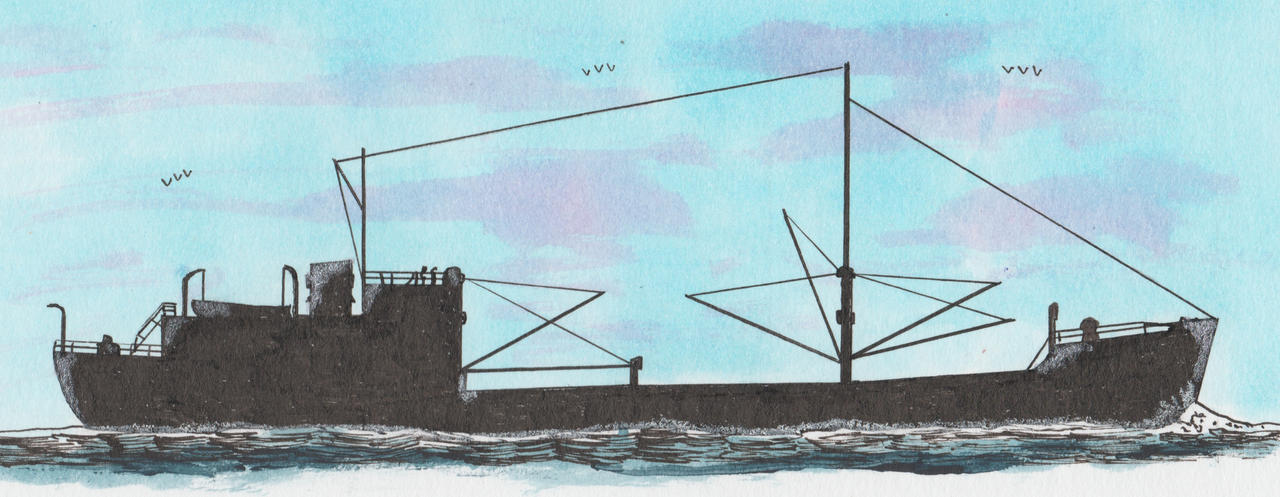
Russian dry cargo carrier Borodin 1951-

©Warshipsresearch.blogspot.com

Part of Telnovsk- or alsoknown as Tissa-class. Project 650. Built in Hungary in 1951. Principal dimensions 64.6 (between perpendiculars)-70.2 (over all) x 10.0 (moulded) x 5.3 (depth to main deck) x 15.0 (height of mast acorn above main deck) feet. For more details see also Hungarian Ships History