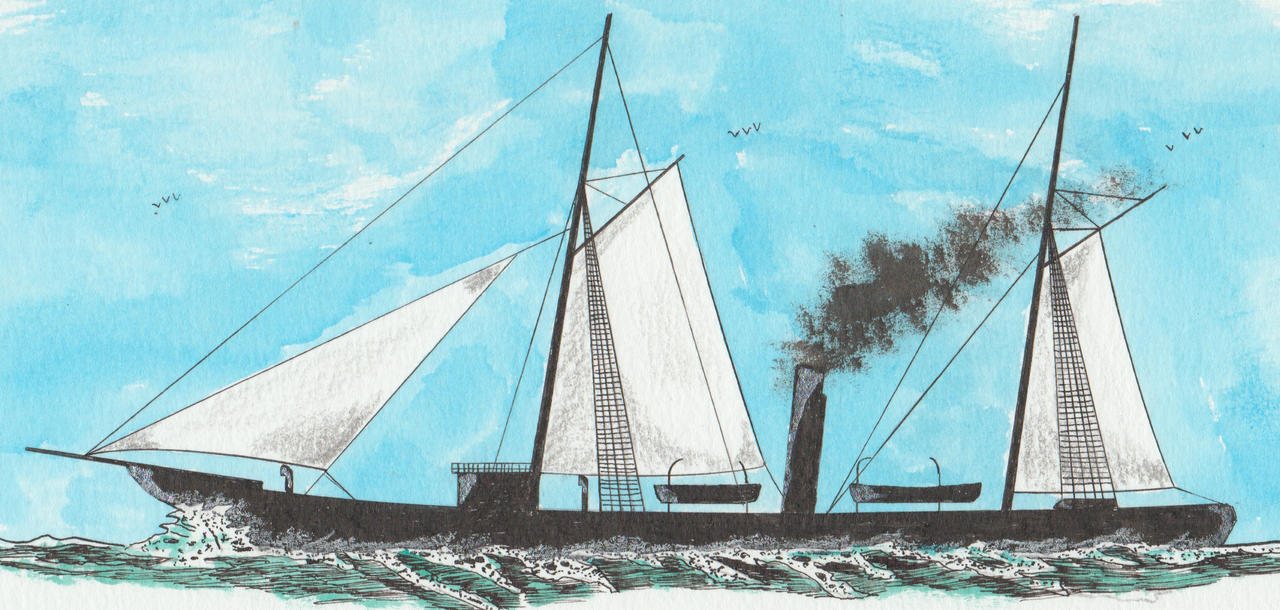
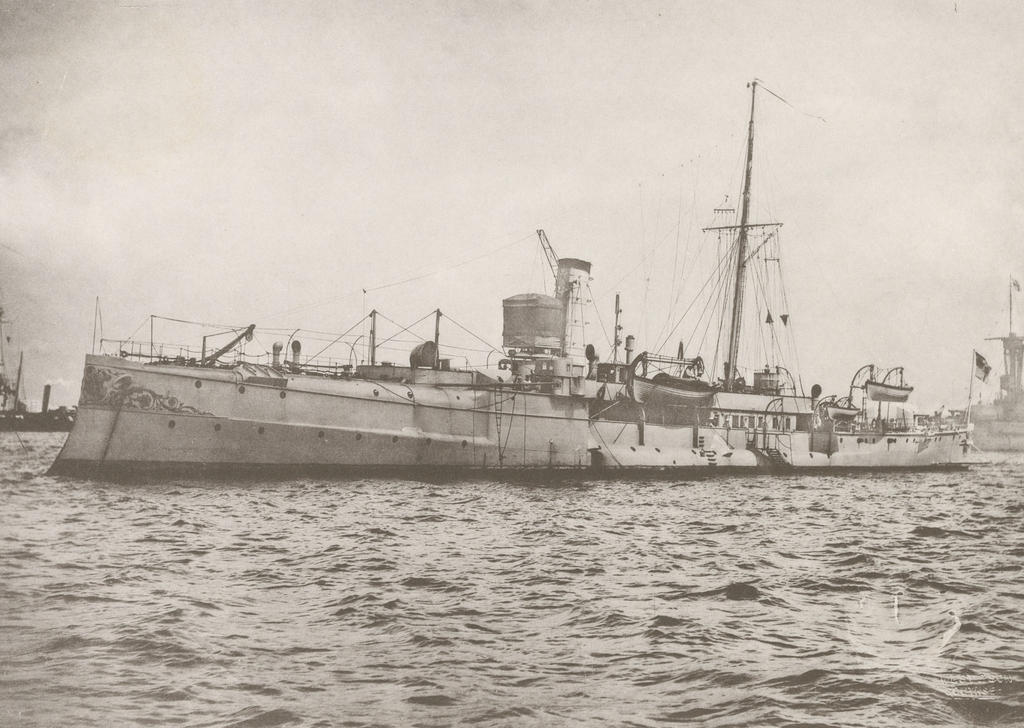
Of the crown, aviso in 1793, mentioned between 1793-1807.
Source
A. Marques Esparteira. Catalogo dos navios brigantinos (1640-1901). Lisboa, 1976.
Of the crown, aviso in 1793, mentioned between 1793-1807.
Source
A. Marques Esparteira. Catalogo dos navios brigantinos (1640-1901). Lisboa, 1976.
©Warshipsresearch.blogspot.com
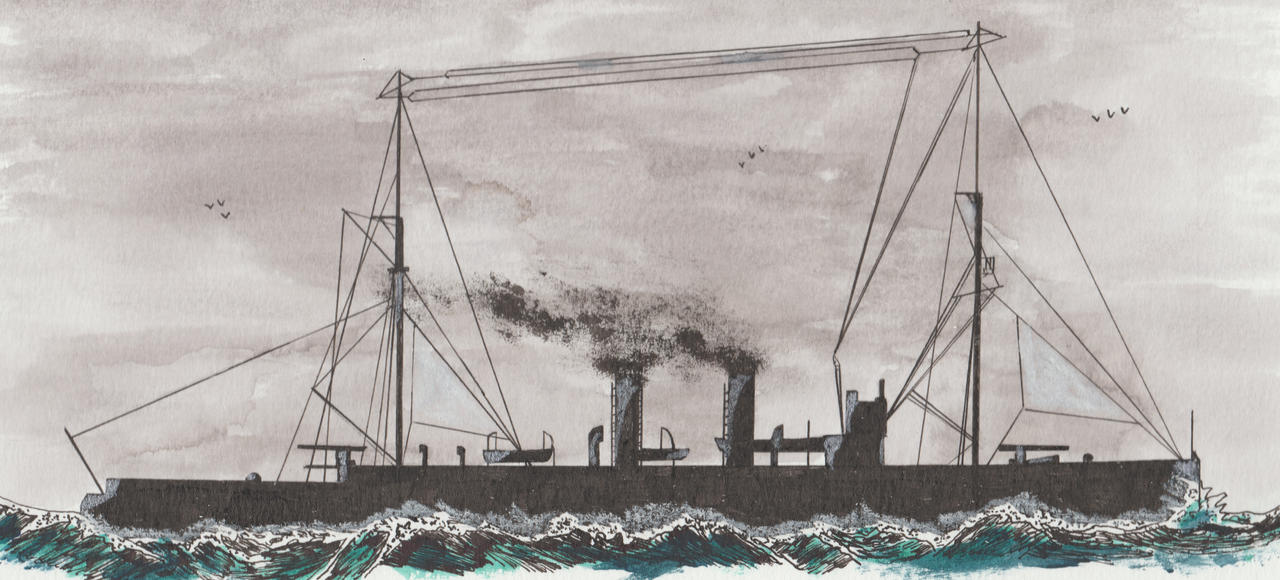
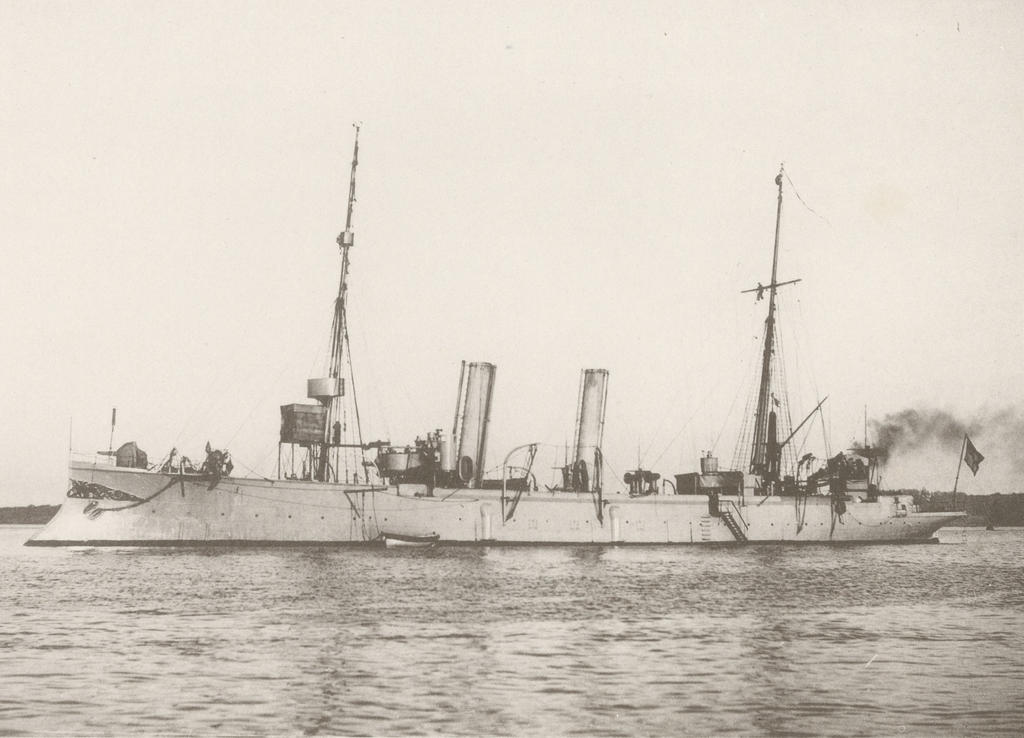
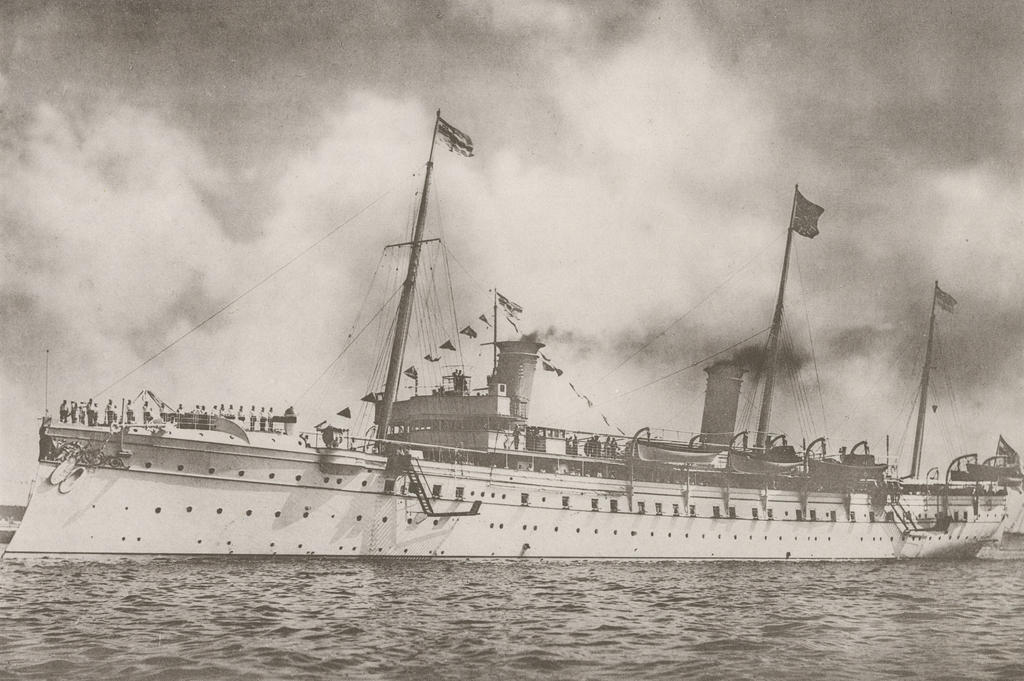
Laid down by Thames Iron Works, Blackwall, London, England in 1875, launched on 9 March 1876, completed on 15 July 1876, commissioned on 1 August 1876, decommissioned on 5 July 1919, stricken on 6 December 1919 and sold to be broken up on 18 April 1921.
In his letter No. 888 dated Lisbon 16 July 1941 reported the German naval attaché in Portugal to the Oberkommando der Kriegsmarine at Berlin that the Carvalho Araujo which on board president Carmona (1) would depart on 23 July to the Azores. The escort consisted of the destroyers Dao and Lima and the aviso Afonso de Albuquerque. Carmona was accompanied by the minister of navy Commandante Bettencourt (2) with lieutenant Evaristo Gonçalves as adjutant and as naval adjutant of the president Fregattenkapitän Silva Monteiro (who was owner of the Ordens vom Deutschen Adler).
Notes
1. António Óscar de Fragoso Carmona (24 November 1869 Lisbon, Portugal – 18 April 1951 Lisbon, Portugal), president of Portugal 1926-1951.
2. Manuel Ortins Torres de Bettencourt (12 June 1982 Santa Cruz da Graciosa–8 July 1959 Cascais , Estoril).
Source
Bundesarchive. RM 11-17. German naval attaché in Portugal.
Maritime Museum Hamburg Germany
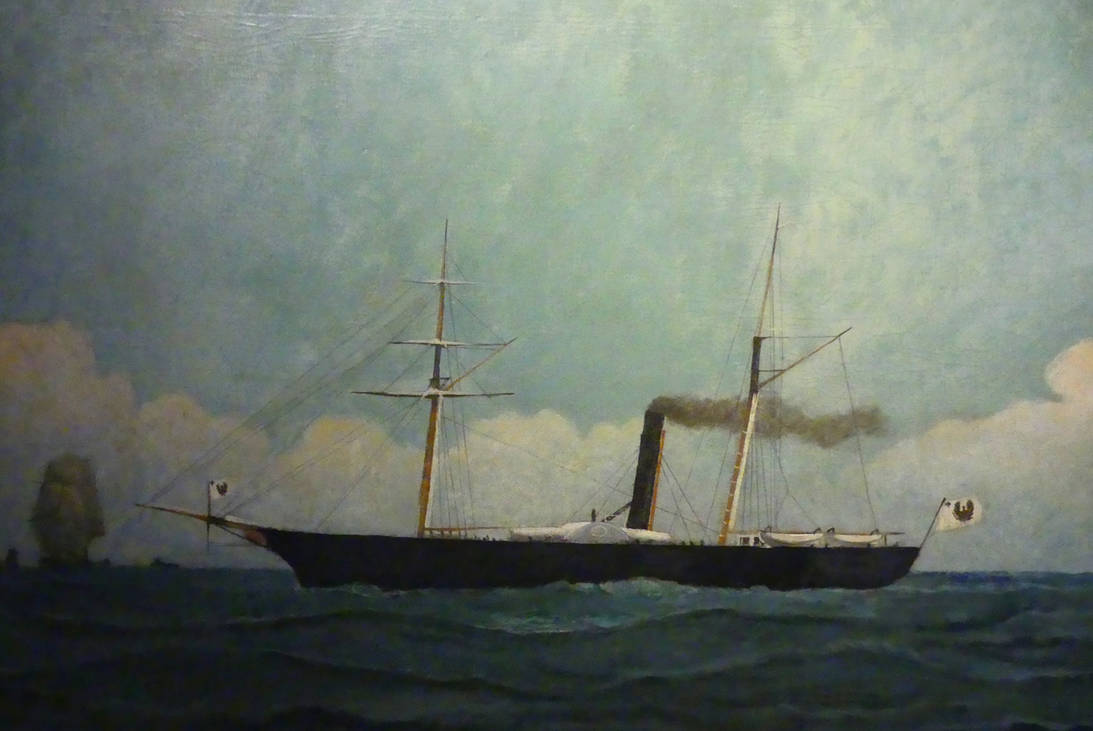
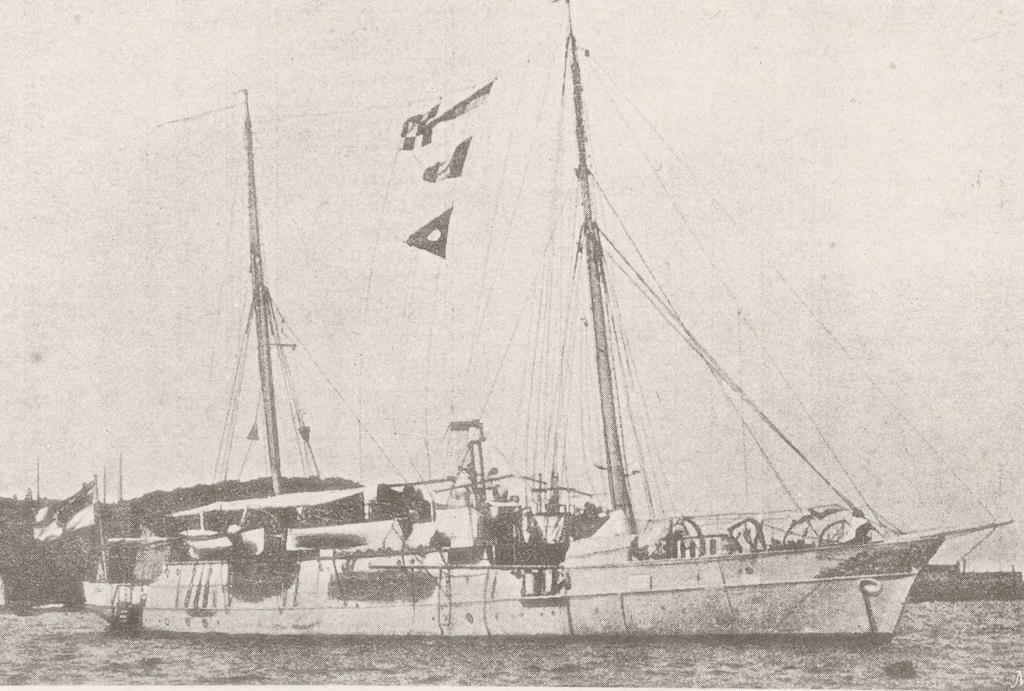
Succeeded by Nix-class. Laid down by Ditchburn&Mare, Blackwall, London, England in 1846, launched in 1846, aviso on the packet line Prussia-Russian Empire, reuisitioned by the navy in 1849, converted into an aviso, stricken on 27 November 1877 and sunk as target during torpedo experiments on 26 June 1879. Displacement 1,171 (design)-1,430 (full load) tons and as dimensions 62.72 (over all) x 9.6 (hull)-16.2 (paddle wheels) x 3.3 metres. Speed 10.5 knots. Crew numbered 110 men incuded 10 officers). Armament consisted of 2-25 pd mortars.
An item reported the arrival at Shanghai, China of the British flagship HMS Centurion (1), cruiser Bonaventure (2) and aviso Alcrety (3). The Boxer Rebellion, Boxer Uprising- Yihetuan Movement between 1899-1901 was reason for their visit.
Notes
1. Part of Centurion-class battleships preceded by Royal Sovereign-class succeeded by HMS Renown. Designed by Director of Naval Construction Sir William Henry White 2 February 1845 Plymouth, England-27 February 1913 London, England) under the Naval Defence Act 1889 to serve on the China and Pacific stations able to confrontate with succes the Russian armoured cruisers of that time armed with 20.3cm/8” guns which were a threat for the British merchant shipping in times of war.(1) For this purpose their main armament consisted of 2x2-25.4cm/10” guns. Laid down by HM Dockyard, Portsmouth, England on 30 March 1890, launched on 3 August 1892, commissioned on 14 February 1894, refitted 19 September 1901-3 November 1903, decommissioned on 1 April 1909 and sold to be broken up on 12 July 1910.
2. Part of Astraea-class protected cruisers preceded by Apollo class succeeded by Eclipse-class, laid down by Devonport Dockyard in December 1890, launched on 2 December 1892, commissione on 5 July 1894, conversion into a depot ship for submarines in 1906-1907 and sold on 12 April 1920.
3. HMS Alacrity. Part of Surprise- 3rd class cruisers laid down on 14 February 1884, launched on 28 February 1885, completed in July 1885 and sold at Hong Kong in September 1913.
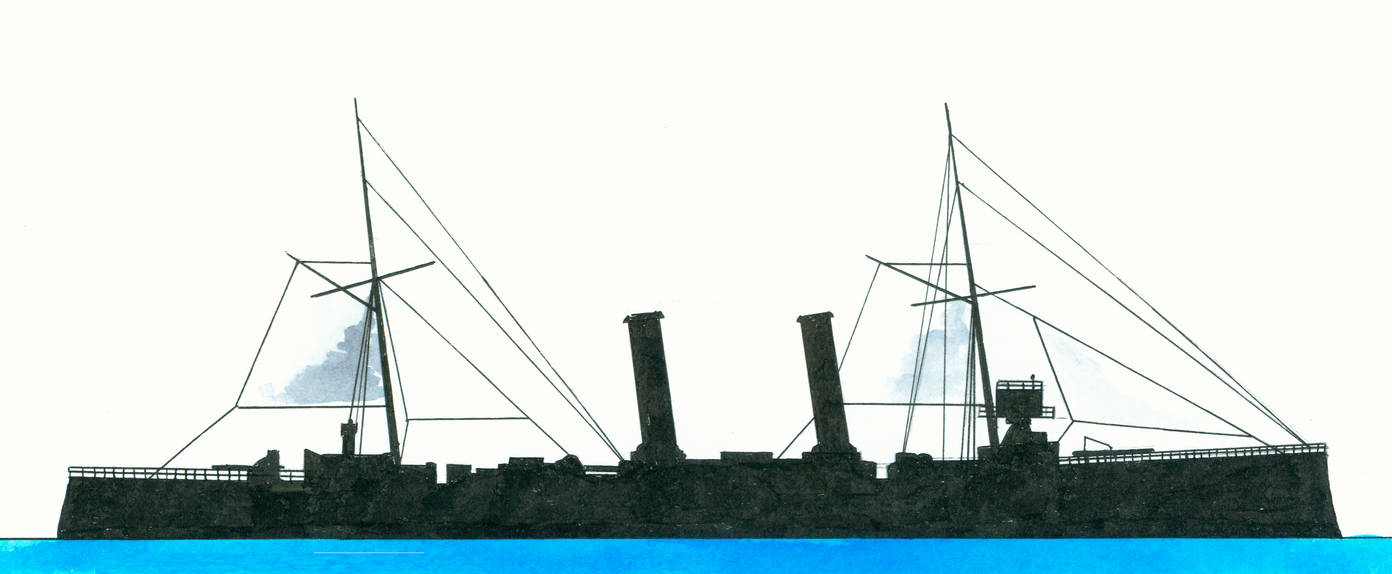
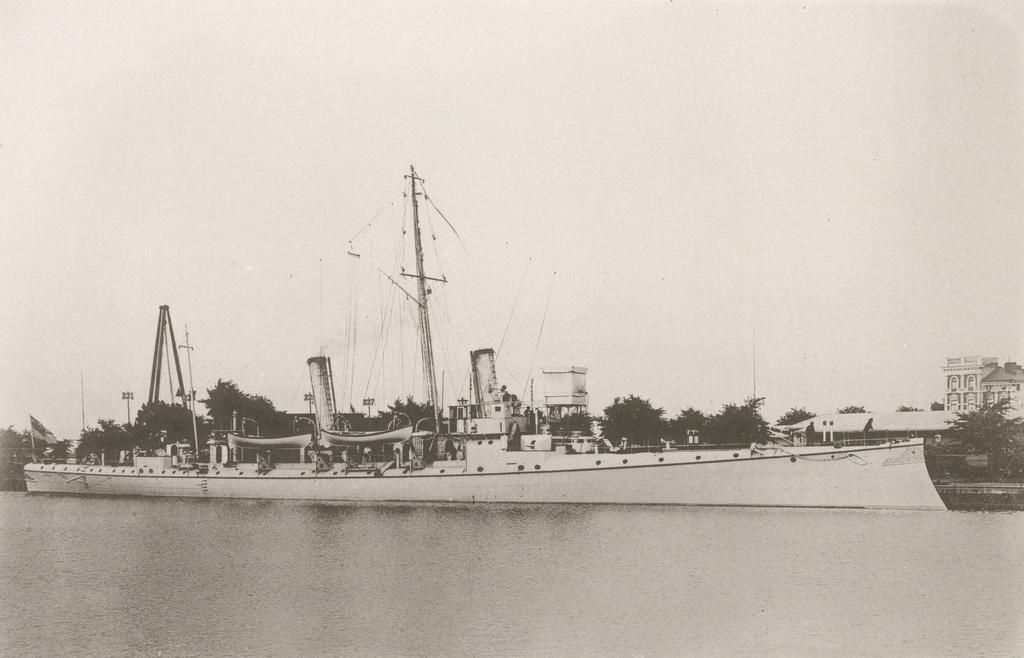
Dimensions 67 x 8.3 x 3.1 metres. Displacement 898 tons. Horsepower 2,600 hp. Speed 17 knots. Armament 2-10cm guns, 2-6.5cm guns, 2-4.7cm guns, 2 torpedo tubes. Launched in 1898. Remarks double screws. Water tube boiler. Wireless telegraphy.
Source
“Die Donauflotillen”, in Die Flagge. Organ des Vereines zur Förderung der österreichischen Schiffahrt, nr. 11, 1908.
Source Bundesarchive RM 3/22928 French photo album 1900
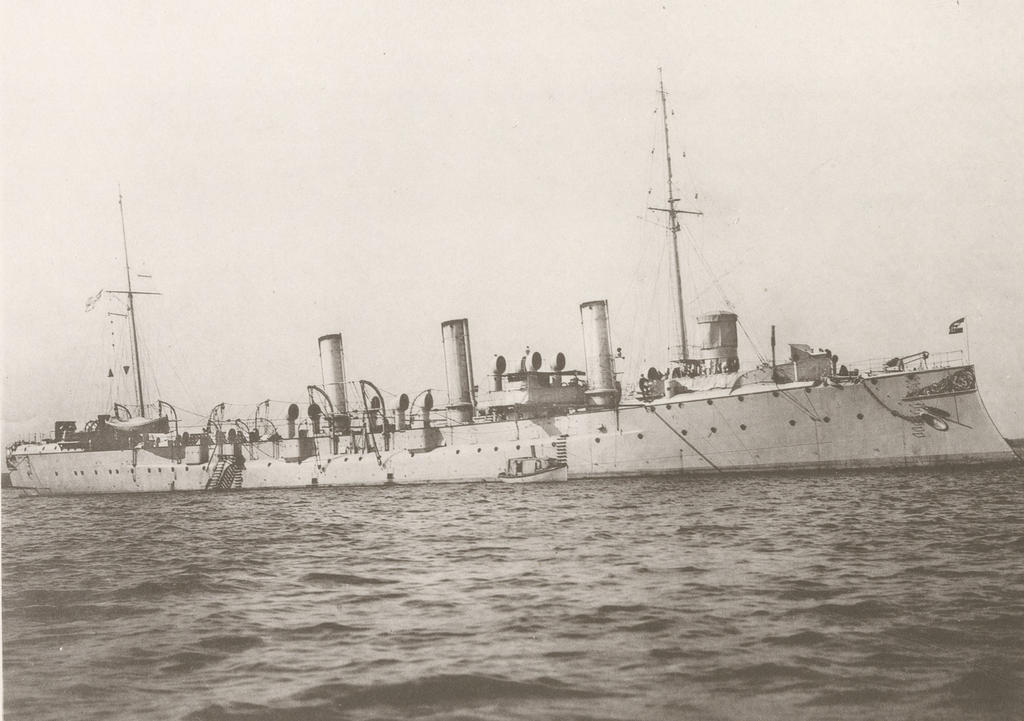
Part of Blitz-class preceded by SMS Zieten succeeded by SMS Greif, laid down by Kaiserliche Werft Wilhelmshaven, Germany in 1881, launched on 16 September 1882, commissioned on 25 November 1884, stricken on 16 February 1922 and broken up.
Part of Meteor-class preceded Wacht-class succeeded SMS Hela, Laid down by AG Vulkan, Stettin, Germany in November 1891, launched on 15 November 1892, commissioned on 29 April 1893, decommissioned mid 1896, became afterwards a storage hulk for naval mines and broken op in 1921.
Source Bundesarchive RM 3/22928 French photo album 1900
Part of Meteor-class, laid down by Germaniawerft in December 1888, launched on 20 January 1890, commissioned on 19 May 1891, harbour defence vessel 1904, barracks ship 1911-1919 and sold to be broken up in 1919.
Source Bundesarchive RM 3/22928 French photo album 1900
Part of Blitz-class preceded by SMS Zieten succeeded by SMS Greif. Laid down by Norddeutsche Schiffbau-Gesellschaft, Kiel, Germany in 1881, launched on 26 August 1882, commissioned on 28 March 1883, stricken on 8 March 1921 and broken up the same year.
The Jaarboek van de Koninklijke Nederlandsche Zeemacht 1907-1908 reported that the French cruiser Vaucluse (1) visited the Dutch East Indies harbour Tandjong Priok between 12-19 November 1907. The Dutch newspaper De locomotief dated 16 November 1907 reported her arrival at Tandjong Priok on 13 November. Described as an advice yacht annex transport commanding officer [François Marie Louis] De la Croix de Castries. Lacking salute guns she was not able to make the common salute. She entered the harbour just to bunker coal. Next Monday she would continue her voyage coming from Noumea, French New Caledonia and Port Kennedy, Australia bound for Colombo, Ceylon. Made of wool in 1901, measurement 1,613 tons, horsepower 900 hp, armament of 6 guns and a crew of 132 men including 9 officers.
Note
1. Meurthe type. Building ordered in October 1885, laid down at Rochefort, France in May 1886, launched on 17 April 1901, sunk after an English air attack in February 1943 and broken up in 1948.
Source
Stephen S. Roberts, French Warships in the Age of Steam 1859-1914.
An item reported that the French despatch vessel Craonne departed from Toulon, France on 1 February to be added to the Far Eastern Division.(1)
Note
1. Part of Arras-class Craonne sub-class avisos preceded by Marne-class succeeded by Ailette-class, laid down by Forges et Chantiers de la Méditerranéee, La Seyne-sur-Mer, France in 1917, launched in September 1919 and sold to be broken up in 1934.
Source
The National Archives, Kew Gardens, England CAB-24-119-53
Source Bundesarchive RM 3/22928 French photo album 1900
Preceded by Blitz-class succeeded by Wacht-class, laid down by Germaniawerft, Kiel, germany in 1885, launched on 29 July 1886, commissioned on 9 July 1887, stricken on 25 Octpber 1912, hulked in 1915, mine storage hulk in 1917 and broken up in 1921.
Source Bundesarchive RM 3/22928 French photo album 1900
Preceded by Nix-class succeeded by SMS Loreley, laid down by Chantiers ey Ateliers Augustin Normand, France in 1856, launched on 9 September 1857, commissioned on 3 June 1858, tender 1915, stricken on 7 January 1920 and broken up. Served as aviso, yacht, survey vessel and training ship.
Source Bundesarchive RM 3/22928 French photo album 1900
An item reported that the German emperor Wilhelm II intended to arrive on 9th July with his yacht Hohenzollern (1) in the harbour of Bodö and from immediately go to the whaling station Skaarö to embark a whaler for a whaling cruise. The rumours that his yacht would be fitted out to act as a whaler were nonsense. A yacht of this size was suitable for such purpose.
Note
1. Aviso. Launched by AG Vulcan, Stettin, Germany on 27 June 1892, commissioned on 8 April 1893, stricken on 27 December 1920 and broken up at Wilhelmshaven, Germany in 1923.
Source Bundesarchive RM 3/22928 French photo album 1900
Aviso. Launched by AG Vulcan, Stettin, Germany on 27 June 1892, commissioned on 8 April 1893, stricken on 27 December 1920 and broken up at Wilhelmshaven, Germany in 1923.
Of the Wacht-class preceded by SMS Greif succeeded by Meteor-class. Laid down by AG Weser, Bremen, Germany in 1887, launched on 7 July 1888m commissioned on 25 June 1889, stricken in 1910, hulked, later until 1920 torpedo training platform and sold to be broken up.
Battleships Nassau, Ostfriesland, Posen and Thüringen still armed but decommissioned, Deutschland disarmed now base ship for flotilla, Lotharingen and Preussen serving as seagoing base ship with a superstructure for housing 12 type F motor minesweepers, Schwaben, 4-15 still in place but sold, Wettin hospital ship for minesweepers and disarmed, Wittlesbach base ship for minesweepers and disarmed, K. Barbarossa and K. Karl der Grosse both hulked and armor removed and the K. Wilhelm II hulked and serving as floating headquarters of commodore Harder commanding the defence forces of the North Sea. Coastal defence ships Odin, base ship for minesweepers and Aegir, Heindall and Siegfried hulked. Light cruisers Koningsberg and Pillau guns, torpedo tubes and armor belt removed, Graudenz lying in the basin with her guns still on board but decommissioned, Regensburg still with guns, decommissioned, postal service with Scapa Flow, Hamburg still with guns but decommissioned, Arcona guns removed serving as seagoing depot ship for minesweepers and the Niobe guns removed and decommissioned. 6 Gunboats including Primula transformed passenger ship attached to minesweeper flotilla. Destroyers H-147, S-139, 133-135, C-138, G-95, V-79, S-63, V-28, 26, G-11, 10, 8, 7, V1-3 and 5-6, T-197-198, 144, 182-183, 178, 176, 144, 139, 148, 142, 137, 135, 113, 98,96; 43 type A and I torpedo boats, the latest of these boats served as escorts. The oldest and newest boats served as minesweepers and the old ones as distpatch boats. 69 Minesweepers of smal draught with a coal bunker capacity too small for operating far from the coastline and were described as failured. 32 Vedettes, 18 with U-2 and 14 with F motors.
Source
Information concerning the U.S. Navy and other navies. Office of Naval Intelligence July, 1919
The Jaarboek van de Koninklijke Nederlandsche Zeemacht 1910-1911 reported that the German cruiser 3rd class Comet visited Stagen, Dutch East Indies on 26 July 1911.(1)
Note
1. Part of Meteor-class aviso, preceded by Wacht-class, succeeded by SMS Hela, laid down by with yard number 203 by AG Vulcan, Stettin, Germany in November 1891, launched on 15 November 1892, commissioned on 29 April 1893, decommissioned on 24 June 1911, uses an mine storage hulk and broken up in 1921.
The Jaarboek van de Koninklijke Nederlandsche Zeemacht 1906-1907 reported that the French cruiser Kersaint visited Surabaya, Dutch East Indies between 19-22 September 1907. The Dutch newspaper Soerabaijasch handelsblad dated 20 September 1907 reported her arrival on the 19th coming from Saigon. Commanding officer was M. Jaime. Called a gunboat. The edition dated 21st reported her entering the basin for loading coal.
Note
1. Aviso 1 st class, ordered on 14 May 1895, laid down on 19 August 1896, launched on 28 August 1897, completed on 11 November 1898, wrecked on Moorea near Tahiti on 5 March 1919 and sold on 27 February 1920.