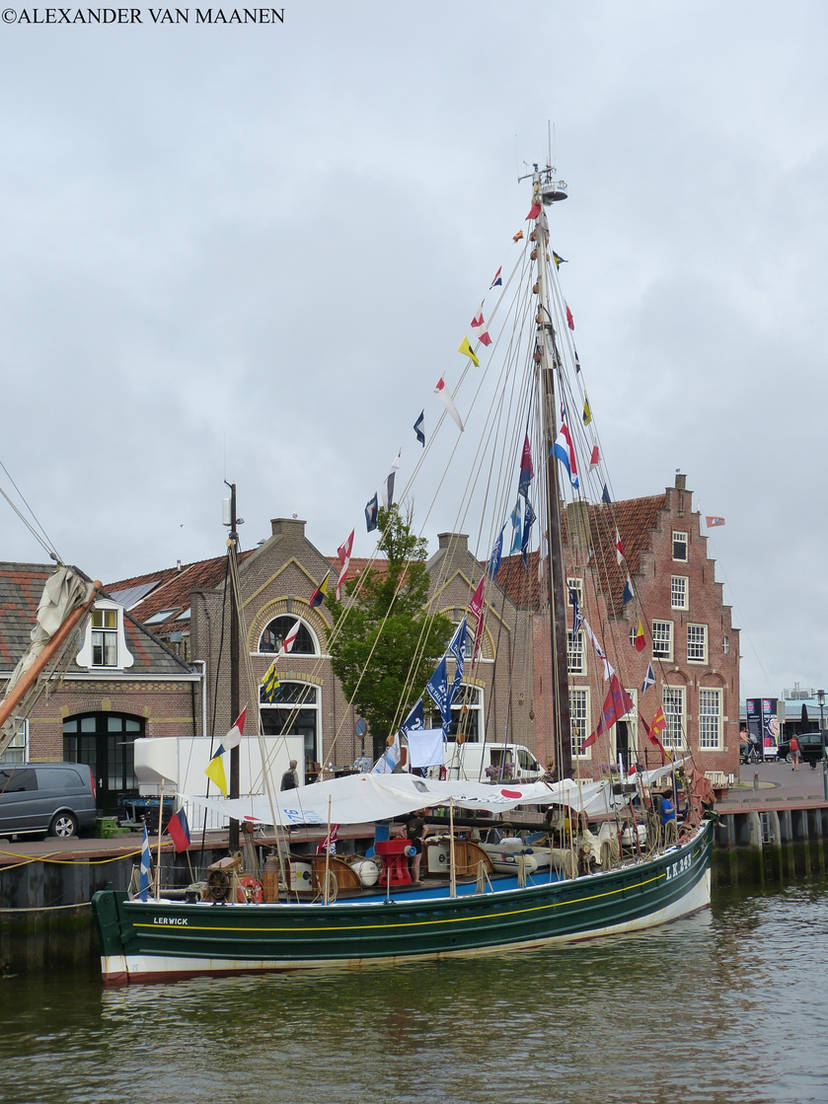
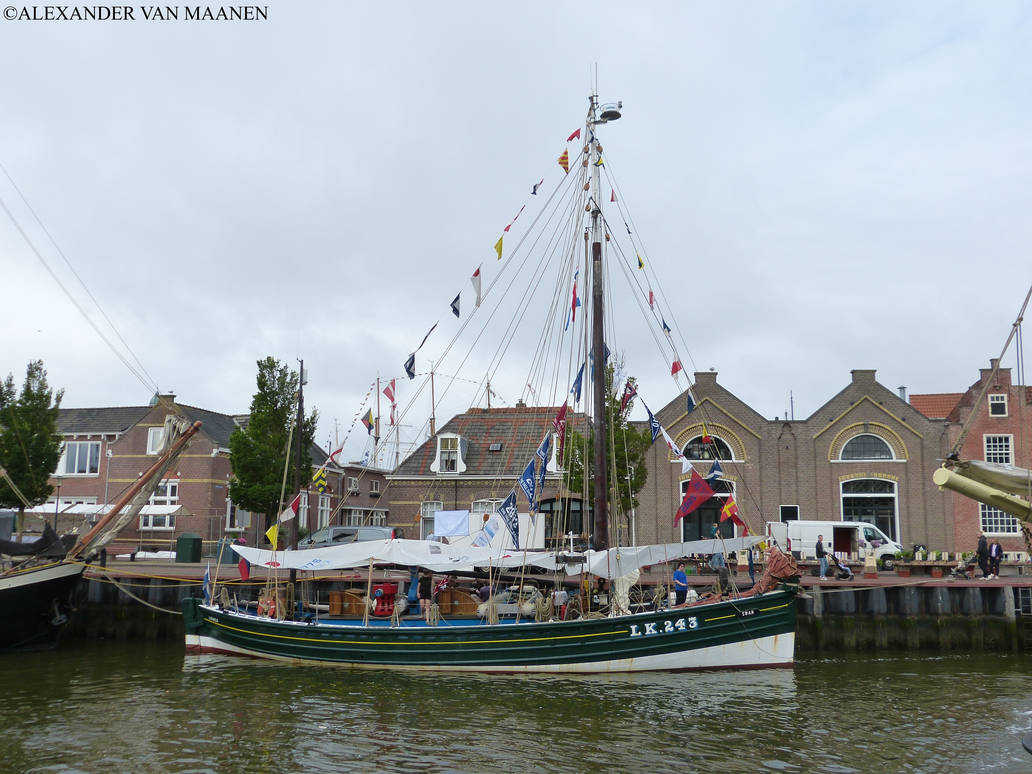
Harlingen, Netherlands 5 July 2026
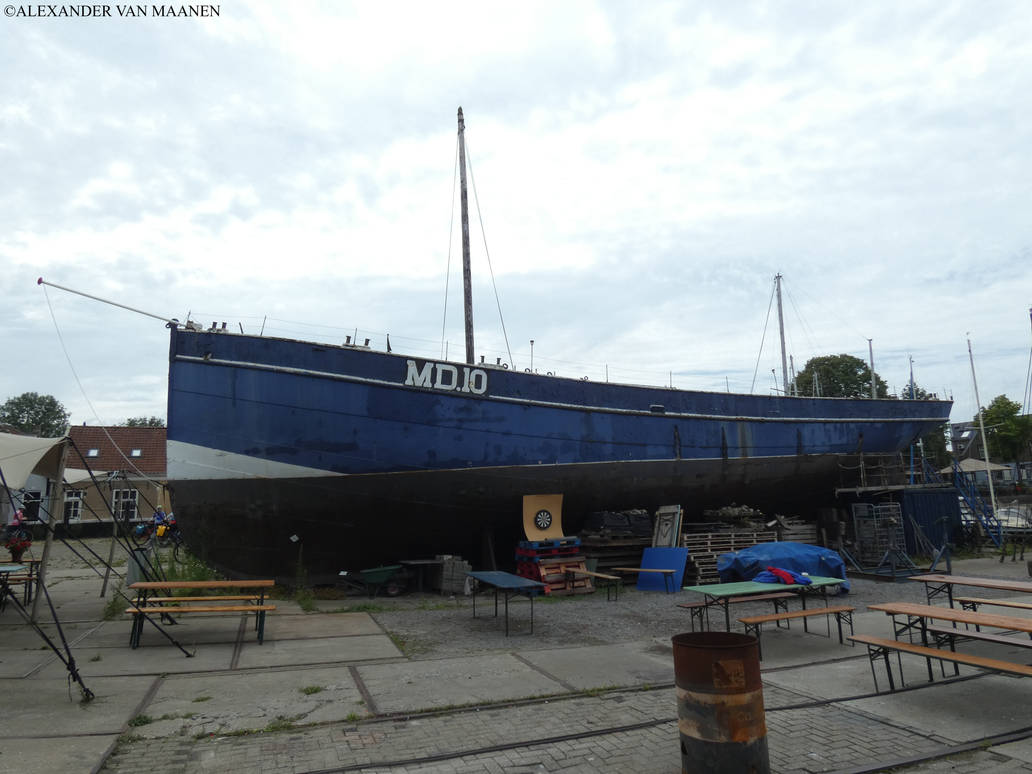
Scottish herring lugger built at Lerwick in 1900, fitted out with a motor in 1935 and to be broken up in 1991 while in neglected state but saved. Homeport Shetland Isles.

Scottish herring lugger built at Lerwick in 1900, fitted out with a motor in 1935 and to be broken up in 1991 while in neglected state but saved. Homeport Shetland Isles.
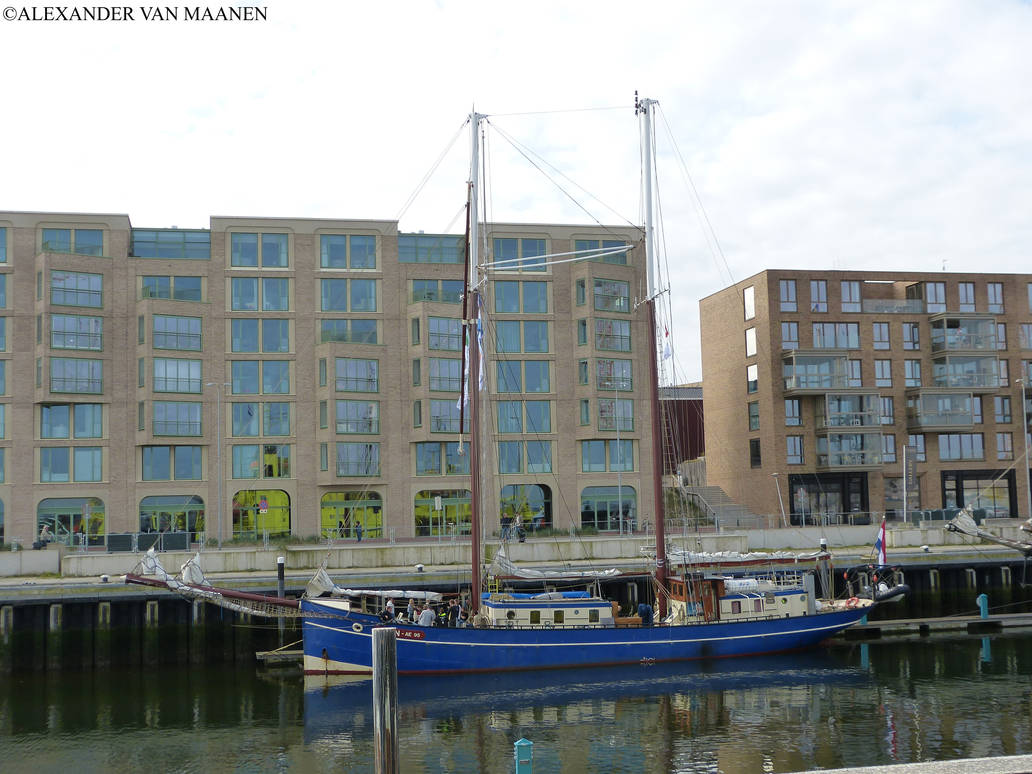
Scheveningen, Netherlands 17 April 2026
Netherlands-flagged, homeport Kampen, Netherlands, IMO 9096650, MMSI 246085000 and call sign PDWJ. Built at Emden, Germany as herring lugger Marie AE95 by Cassens Werft in 1903, sold to Denmark in 1930 active between the Danish islands and Sweden, since 1985 passenger ship. 2-Mast schooner.
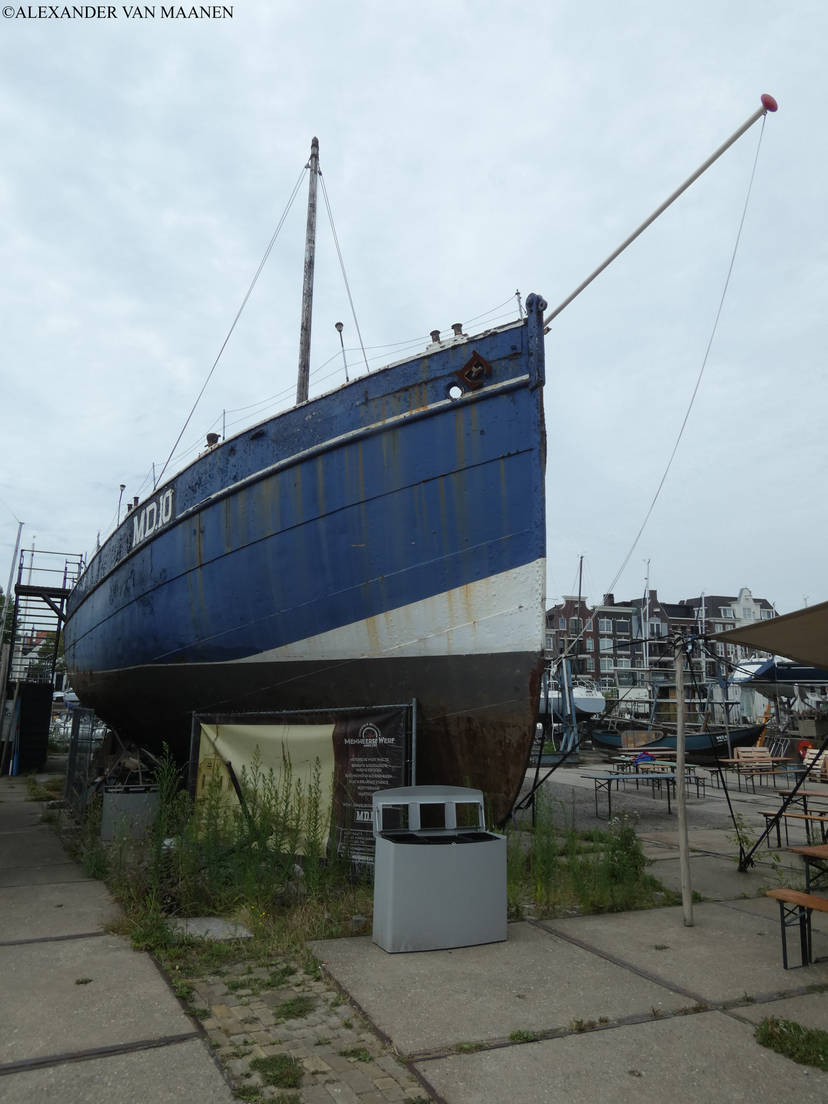
Steel built schooner rigged beugsloep built by Rijkée&Co., Rotterdam, Netherlands for account of Wed. C. Kolff en Zoon, Middelharnis in 1896. Homeport Middelharnis until January 1916. In 1902 unsuccessful experimental voyage to Iceland on so-called salt water fishery. Sold and renamed SCH 320 Pieter Johannes in 1916 and converted into a herring lugger at Vlaardingen, Netherlands. Sold towards Ostende, Belgium in 1930, sold to Stangeland (Kamsoy), Norway as Stenbryggen R-24-SL in 1931, still fishing vessel, since 1934 fitted out with auxiliary engine and used as cargo vessel, renamed Leonard III active in the coastal trade especially for fish since 1963, sold to the Netherlands in 1979, property of the village Boulogne sur Mer and Calais, France since 1992 and finally sold to Middelharnis, Netherlands.
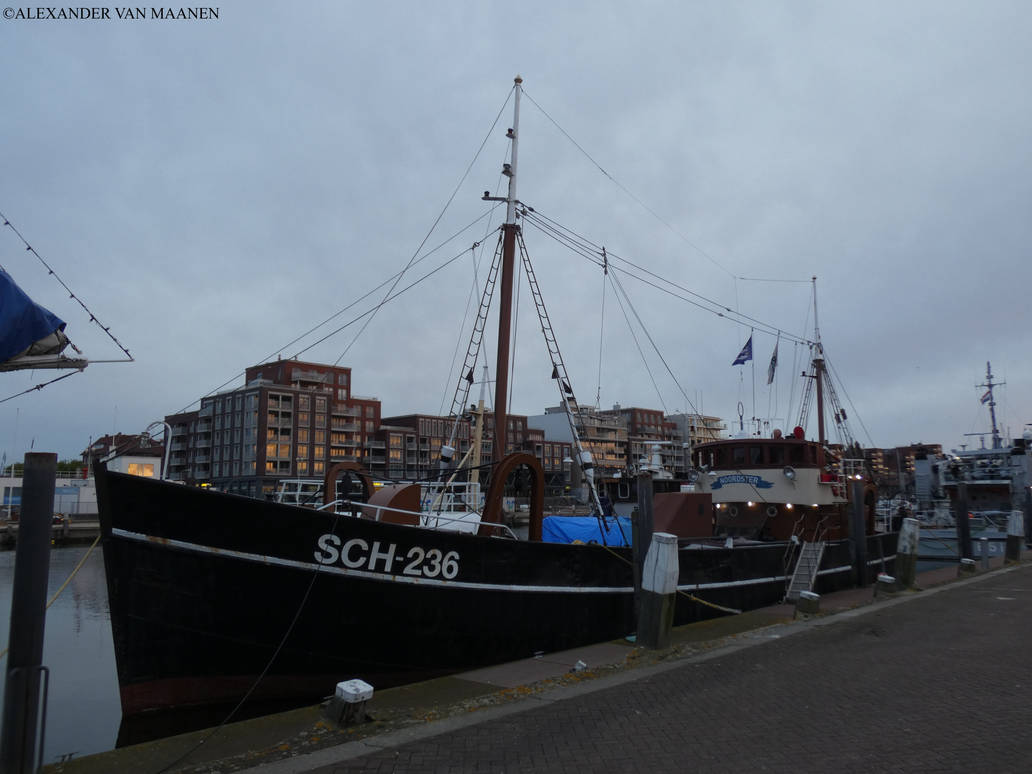
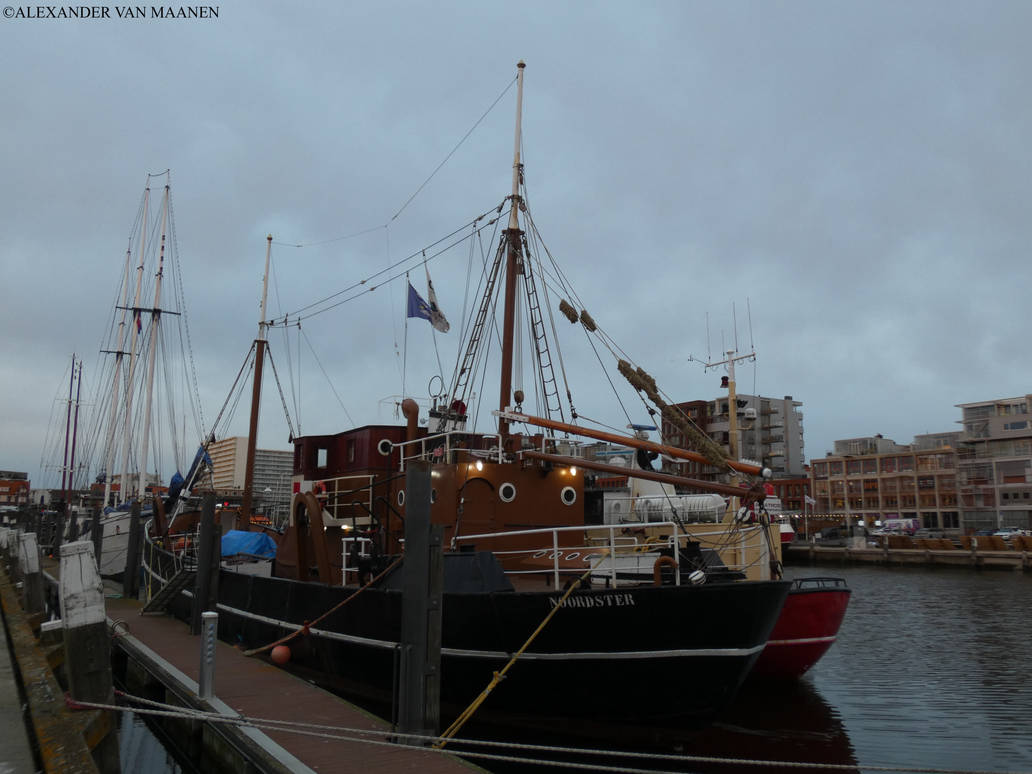
Built by Sleephelling Maatschappij Scheveningen, Netherlands between 1949-1950 and between 1978-2017 offshore vessel and converted back into a lugger.


Sigillography or sphragistics is a scientific discipline in the historical academic work for studying seals that is used for authenticating archival documents. It also finds use in maritime historical research, together with heraldry, thanks to the frequent presence of ships or related items on coats of arms and seals of cities and towns involved in mercantile shipping or fishery.
One specific example is the town of Vlaardingen, in the province of Zuid-Holland, in the Netherlands. The location of this settlement on the Maas river made it a convenient place to control and tax the passing merchant shipping. Vlaardingen had become a territorial property of the Counts of Holland by 985, and at some point during next three centuries it acquired a city charter, renewed and expanded in 1273 (with reference to a number of rights already received in earlier years). The present-day coat of arms depicts a lion, however this was only since 1616. The medieval seals dating from the 14th Century usually depicted a ship and only additionally a lion representing the Counts of Holland) and a Fleur-de-lis.


The reason for the presence of merchant ships on the oldest seals of Vlaardingen is easily explainable. The importance of shipping for the city's economy was mentioned already in some of the oldest written sources regarding its history. For example, a 1230 voyage to England is recorded, when master Gerardus van Fletinghe brought his ship loaded with wool. Over time England became more and more a primary destination of interest for ships sailing out of Vlaardingen. Eventually, however, fishery - herring fishery in particular - superseded merchant shipping as the most significant area of maritime activity in Vlaardingen, and by the 18th Century the city was the most important fishing port in the region.
Unfortunately, the 20th century has turned the tide against this once so impressive fishing community. The conservative attitude of the local fishermen, reluctant to invest in more innovative fishing techniques, led to their decline in comparison to their counterparts from Scheveningen and IJmuiden. By 1964, only 9 motor luggers were left and soon afterwards even those disappeared.
The ships presented on the medieval seals of Vlaardingen are often referred to as a cog. Cogs were clinker-built cargo vessels that were possibly introduced during the 10th century and adopted on a large scale by the 12th century, remaining in widespread use throughout the Middle Ages. Although the ships from the seals are very likely to be cargo ships, there being cogs is much less likely. However, historians remain in dispute in regard to the exact classification of the type of vessel presented.
Dutch historian Coenraad Postma wrote in his article about the coat of arms and seals of Vlaardingen that the so-called large seal of Vlaardingen showed a “1-mast cog with reefed sails”. His opinion was disputed by another author Dr. H. A.H. Boelmans-Kranenburg who pointed out the lack of typical characteristic features of a (Baltic) cog, which are the raised fore and aft castles. Another argument raised was that the cogs operated more often around the Zuyder Zee.
Boelmans-Kranenburg wondered if it were not the Dutch “hulk” type of ship, or possibly quite the opposite - a fishing vessel called the haringboot (herring boat), a predecessor of the well-known haringbuis (herring buss). Strong support for that last hypothesis is the presence of the gear mounted on the ship's bow and the recesses in the hull (suggesting that drift nets would be taken in from there), both of which were typical features of the haringboot.

The large seal used between 1351 and 1612 showed a ship with a rudder at the stern, so typical mostly for late-medieval and early-modern ships. There was, however, one smaller seal used between 1361-1509 depicting a more medieval ship with a reefed square sail. The rudder is not depicted but was likely a rudder positioned at the side.
According to Postma, another smaller seal depicted a 15th century 3-mast fishing or merchant vessel with 2 reefed sails. These findings were also (slightly) disputed by Boelmans-Kranenburg in the part regarding the possibility of the vessel in question being a merchant ship. Instead it was argued for a stylized herring buss being the most reasonable possibility.
Buss was a round-bilged keel ship, with 2 or 3 masts, the stern relatively high with gallery. The square-rigged mainmast and foremast (if available) could be lowered when fishing, the gaff rigged mizzen mast stayed upright. Something that Postma’s opponent also mentioned as proof for his claim that it was a buss. The lion of Holland can be seen depicted above a trestle. A typical trestle that was used by the buss when the masts were lowered down during fishing operations.
The herring buss derives its name from the Latin word “buscia”, which means “cargo ship.” Terms used for the herring buss were buyse, buse or buyssescip (Modern spelling buisschip). Historians agree that the first herring buss was probably laid down in Enkhuizen back in 1416.

The oldest known illustration of a herring buss was made around 1480, most likely by the goldsmith Willem Vanden Cruce of Brugge. It emerged as a popular type of ship and in 1620 around 2,000 were used for excursions as far as the Shetland Islands, with last one of them being built as late as 1841 at Vlaardingen itself.
Awhile we know that 3 mast ships are well used during the second part of the 15th century we do not know if the buss would have had three masts in early development. The seals of Vlaardingen always have been modern and give undoubtedly an excellent contribution to Dutch maritime history.


These drawings are interpretations by Laszlo Veres and Alexander Mari van Maanen after the seals of Vlaardingen.
Sources:
Zegels en wapens van steden in Zuid-Holland: Een bundel studiën onder leiding van Elisabeth C. M. Leemans-Prins; s-Gravenhage, 1966.
Ewe, H.: Schiffe auf Siegeln. VEB Hinstorff Verlag, Rostock 1972.
Ships after Seal prints. Laszlo Veres, Unpublished manuscript, Pécs, 2020.
Nationaal Archief, Grafelijkheid 27 november 1361.
Stadsarchief Vlaardingen, various publications.
Historisch Jaarboek Vlaardingen, various publications.
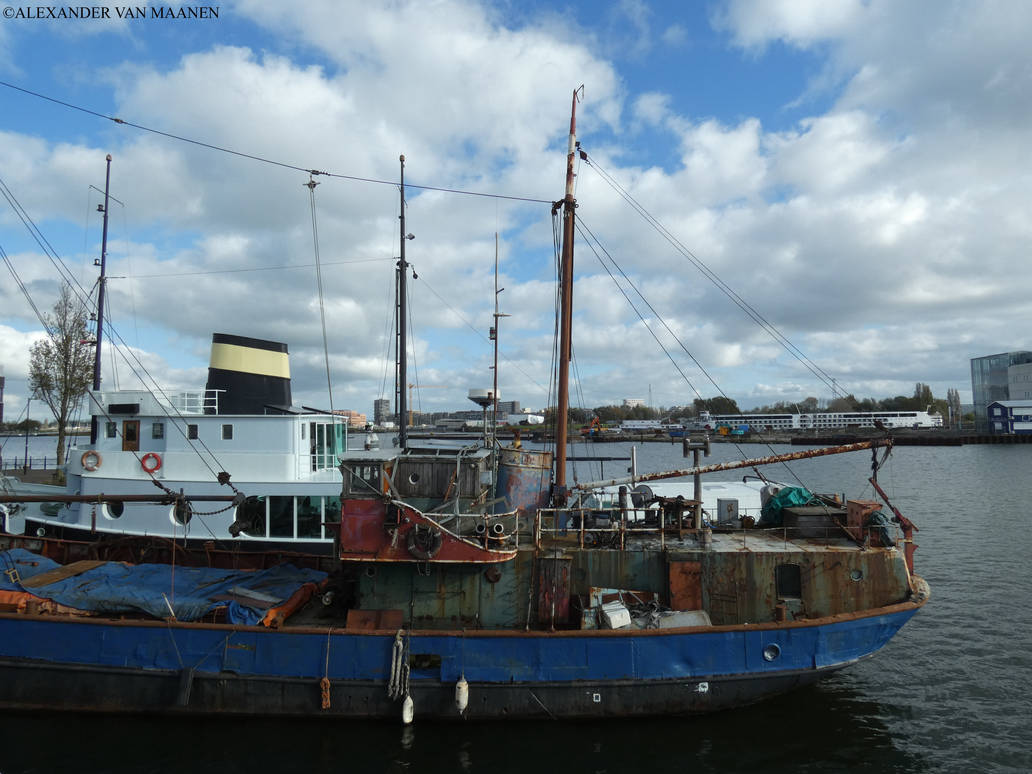
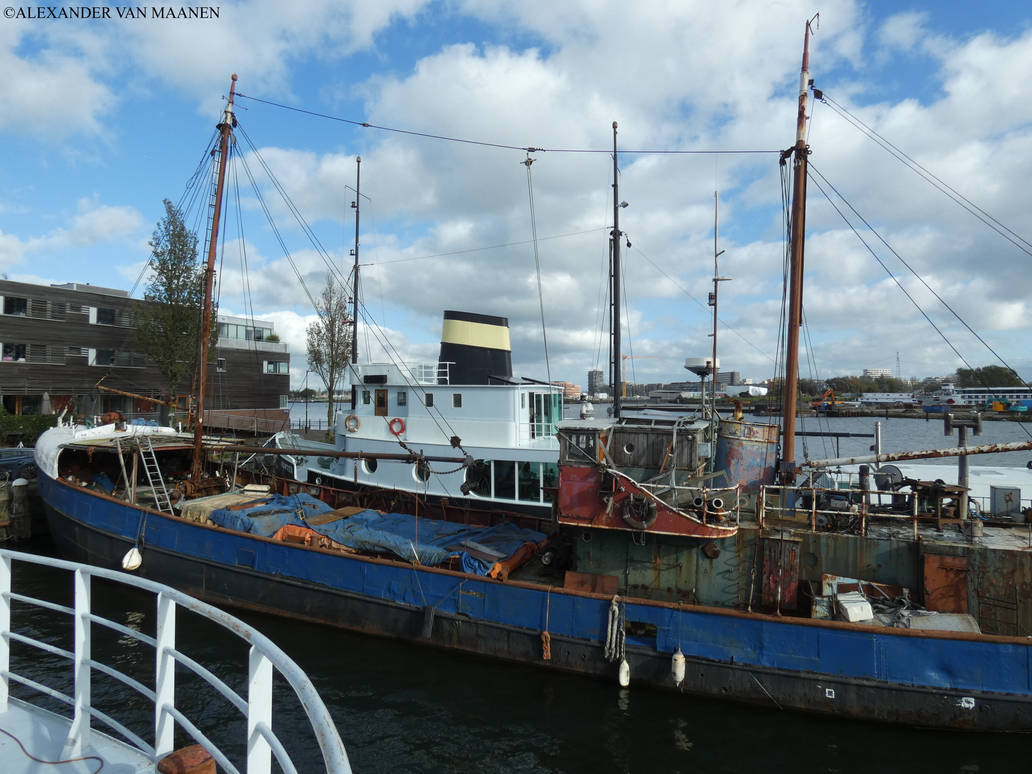
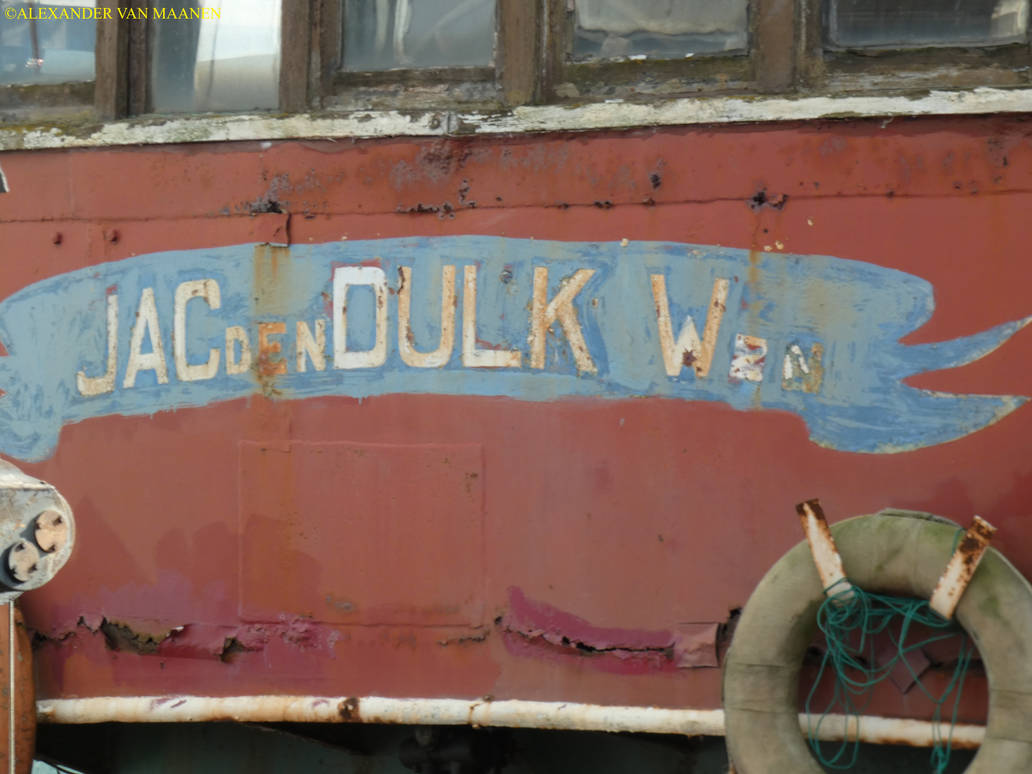
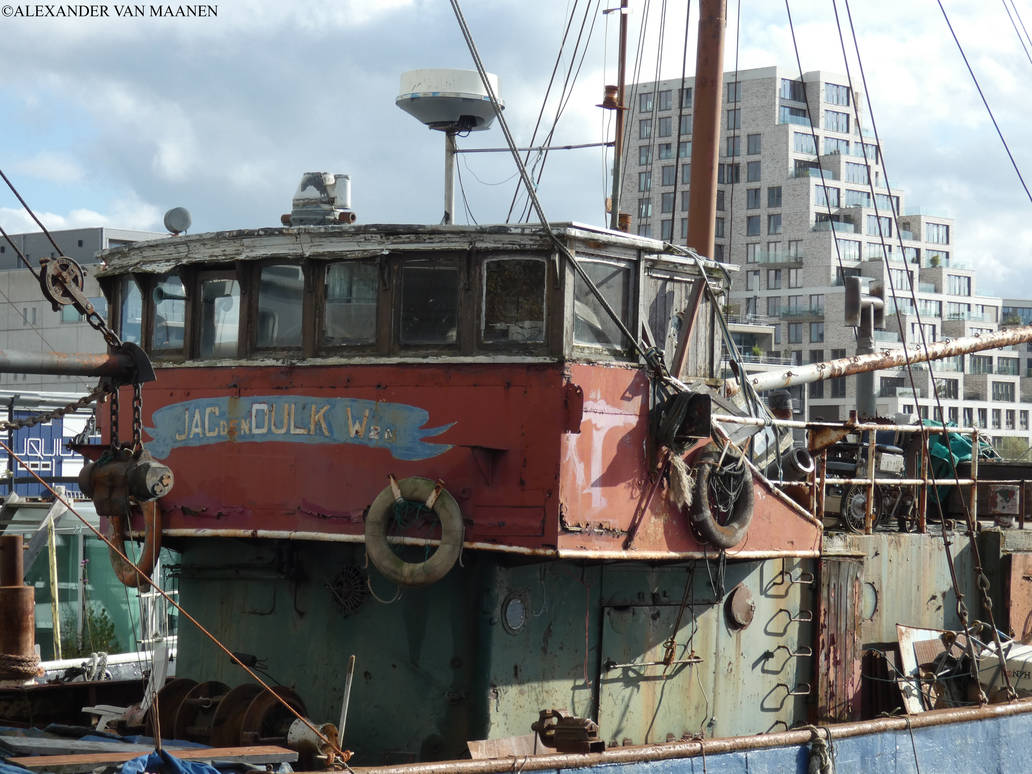
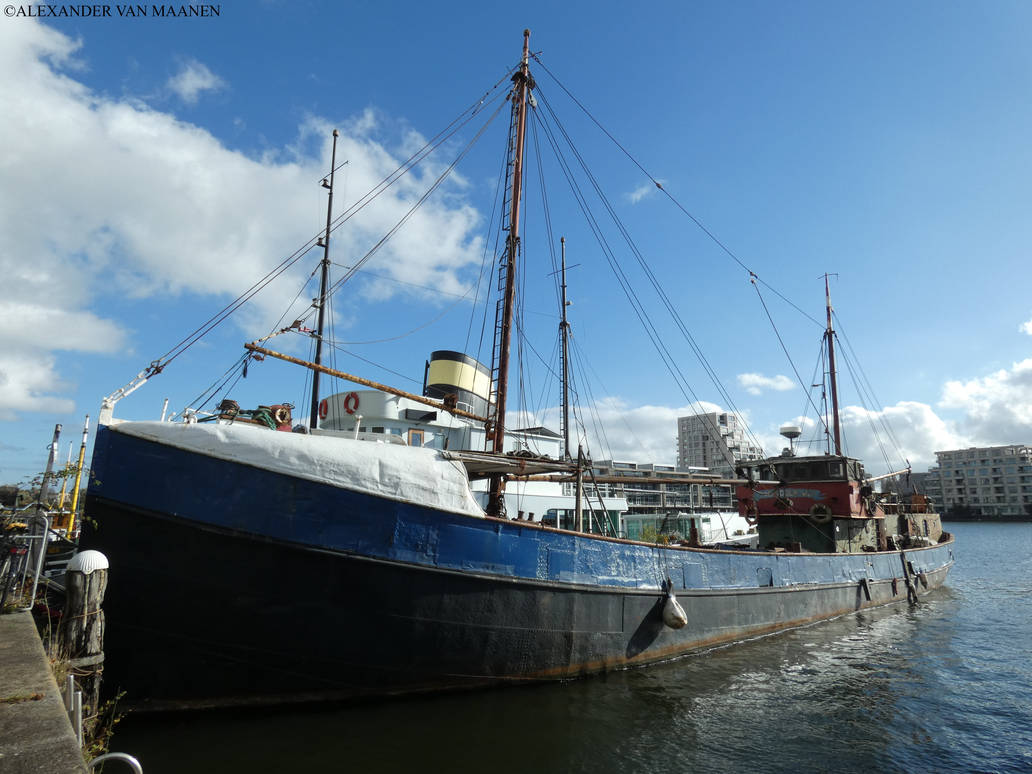
Built by Scheepswerf A. Pannevis, Alphen aan den Rijn, Netherlands in 1914 for company Jac. Den Dulk&Zn, Scheveningen, Netherlands. After 1969 used temporarily as cargo ship for transport of herring from Ireland and Scotland to the Netherlands. Then private fishing, later floating house and in October 2024 towed to Kampen to be broken up.
Lugger, captured by the British Gennet on 28 March 1801.
Source
J. Vichot. Repertoire des navires de guerre français. Paris, 1967.
Of Rochefort, lugger, captured by British in 1808.
Source
J. Vichot. Repertoire des navires de guerre français. Paris, 1967.
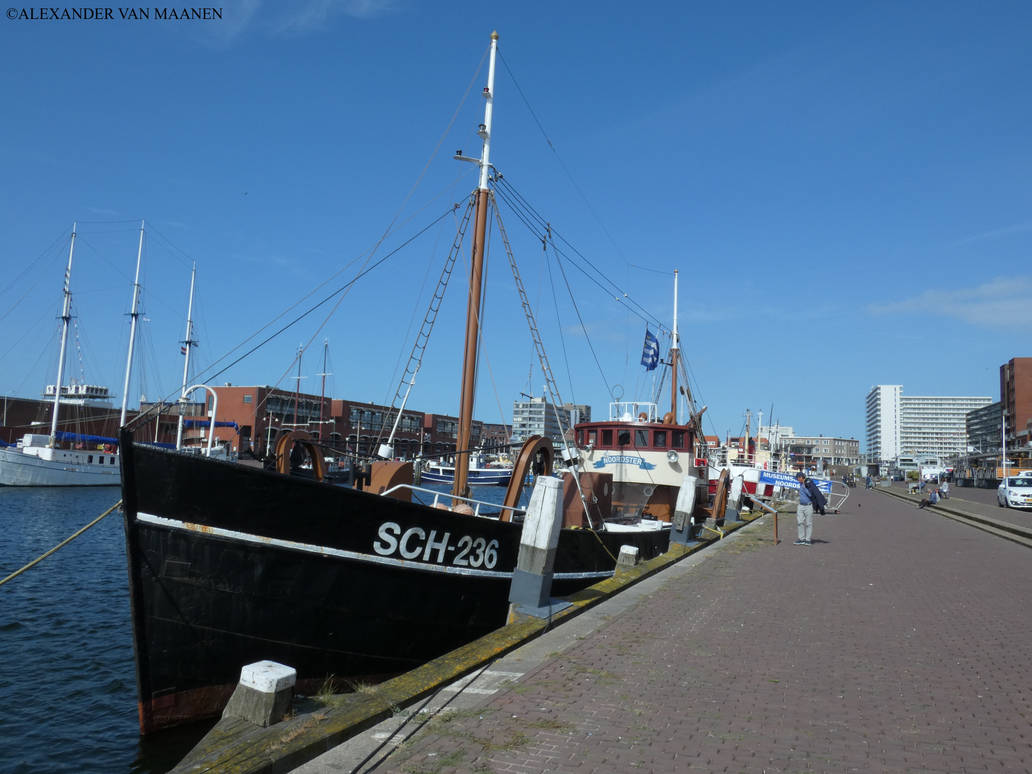
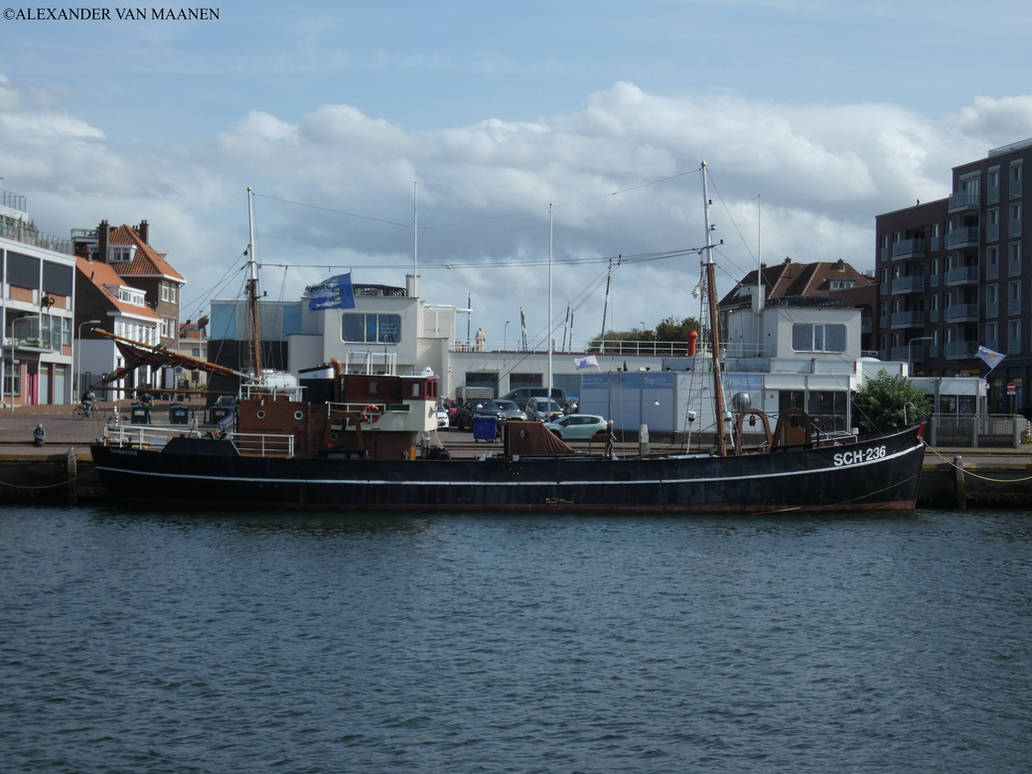
Built by Sleephelling Maatschappij Scheveningen, Netherlands between 1949-1950 and between 1978-2017 offshore vessel and converted back into a lugger.
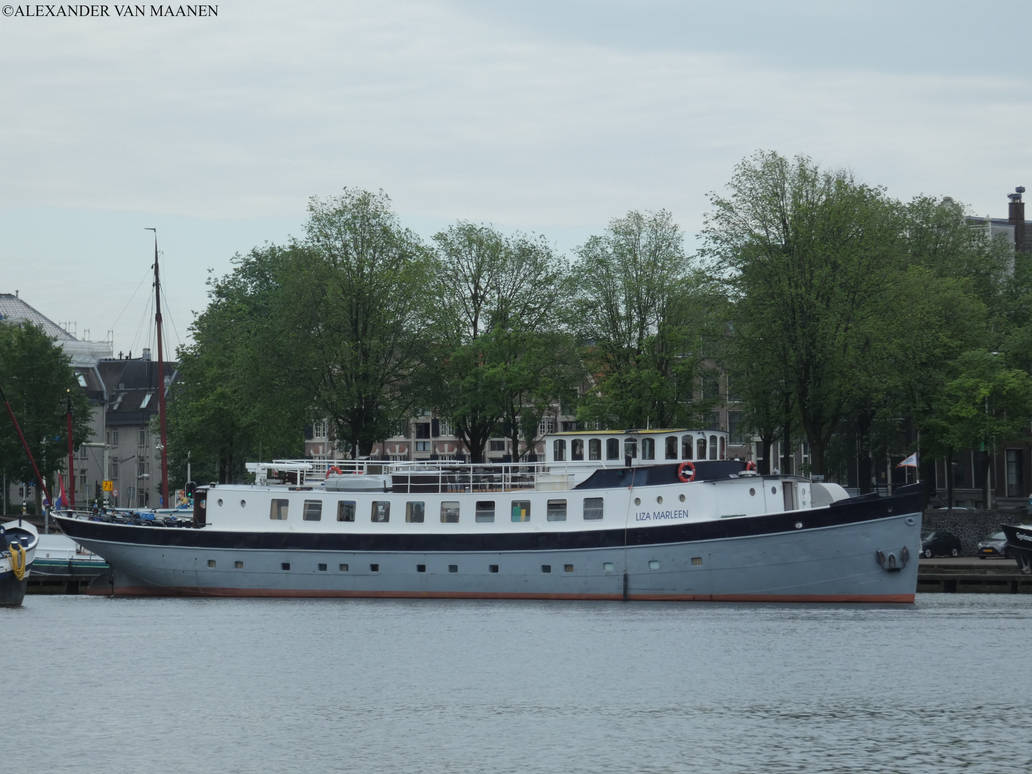
Amsterdam, Netherlands 29 May 2024
Netherlands-flagged, EU 02329158, IMO 1001785, MMSI 244710298 and call sign PC2705.Built by G.H. Thyen, Brake as a barge on the complete dismantled hull of an ocean Norwegian herring lugger between 1997-1998. Built as O.B. 34 Irma in 1906.
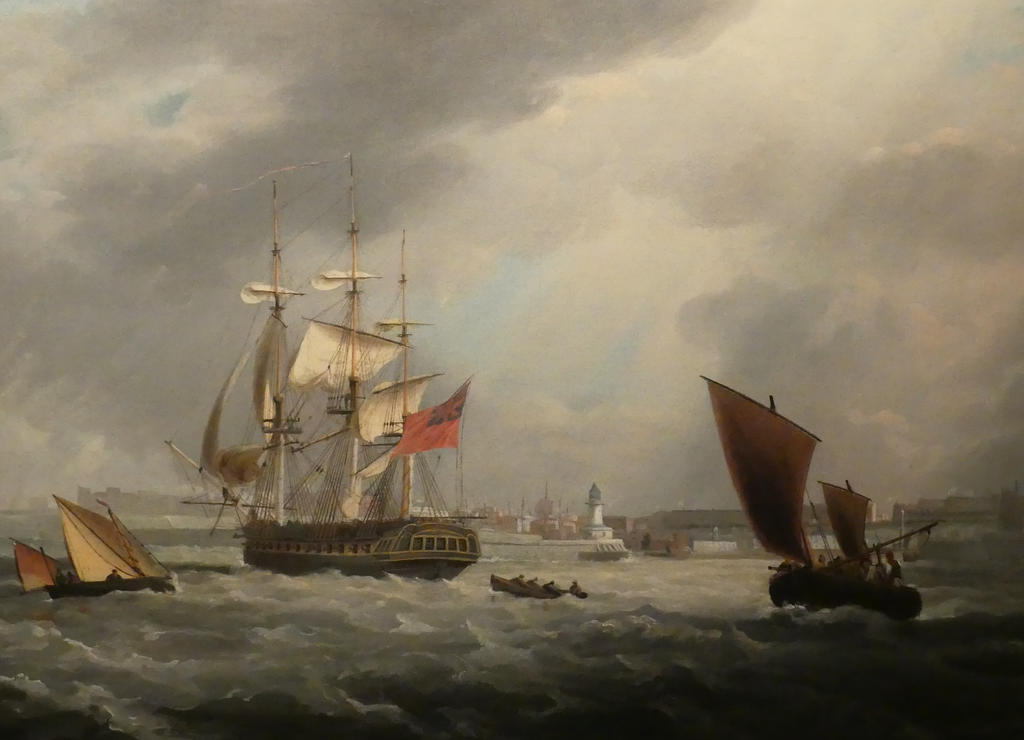
Maritime Museum Hamburg, Germany
George Webster (1797). Oil on canvas. Except for the frigate also a lugger and a sprit-rigged boat.
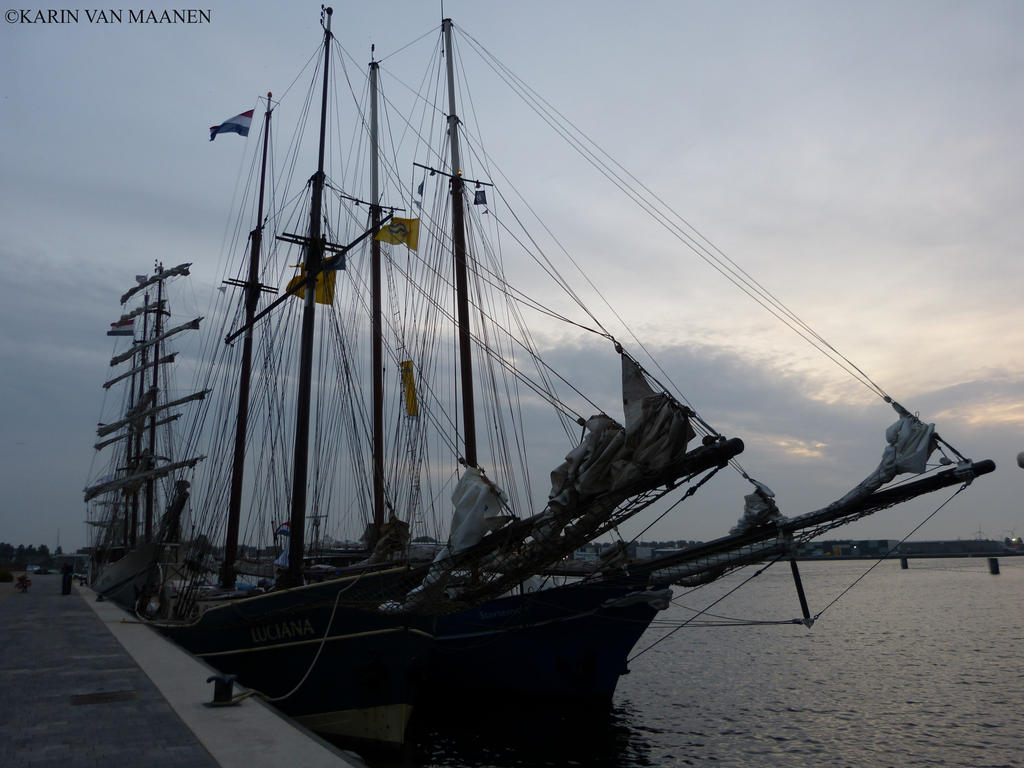
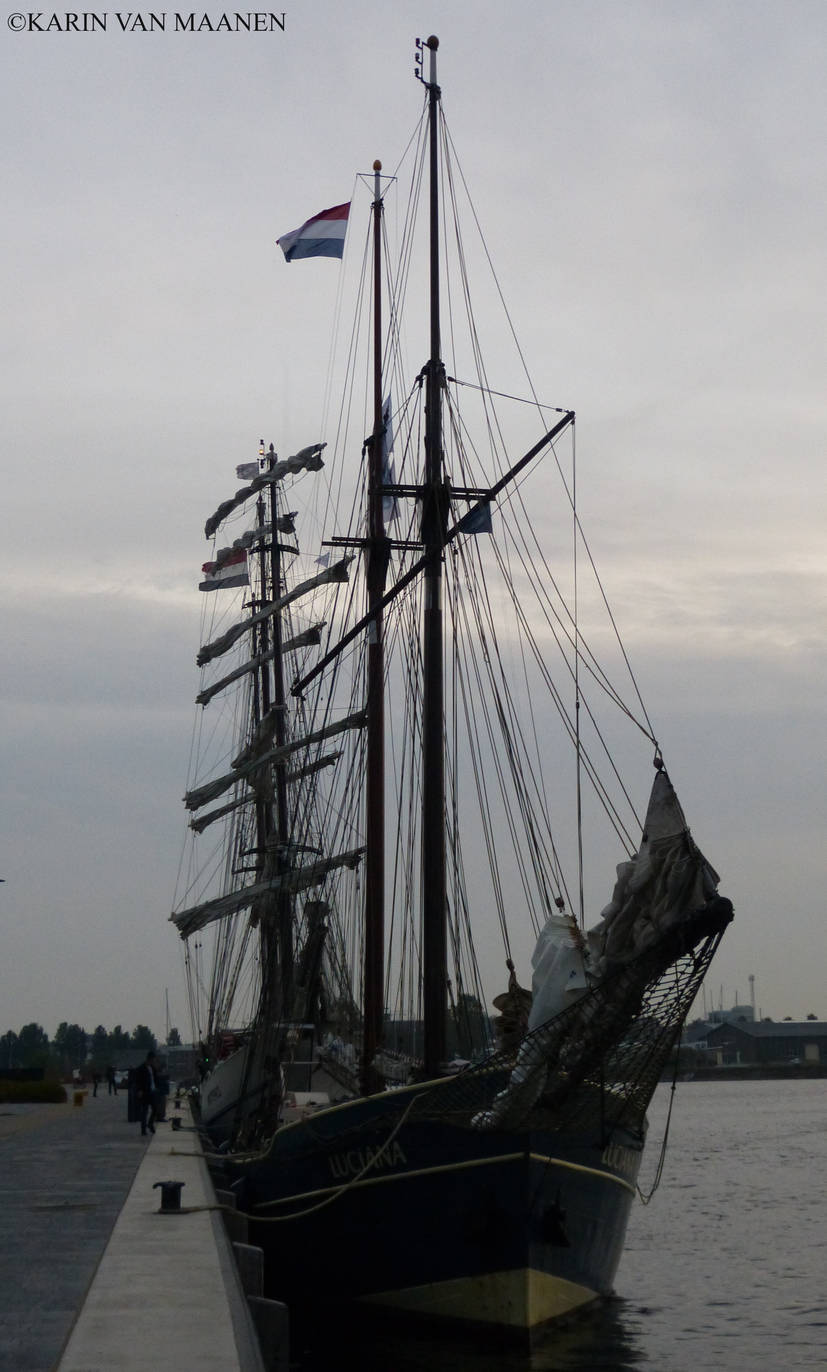
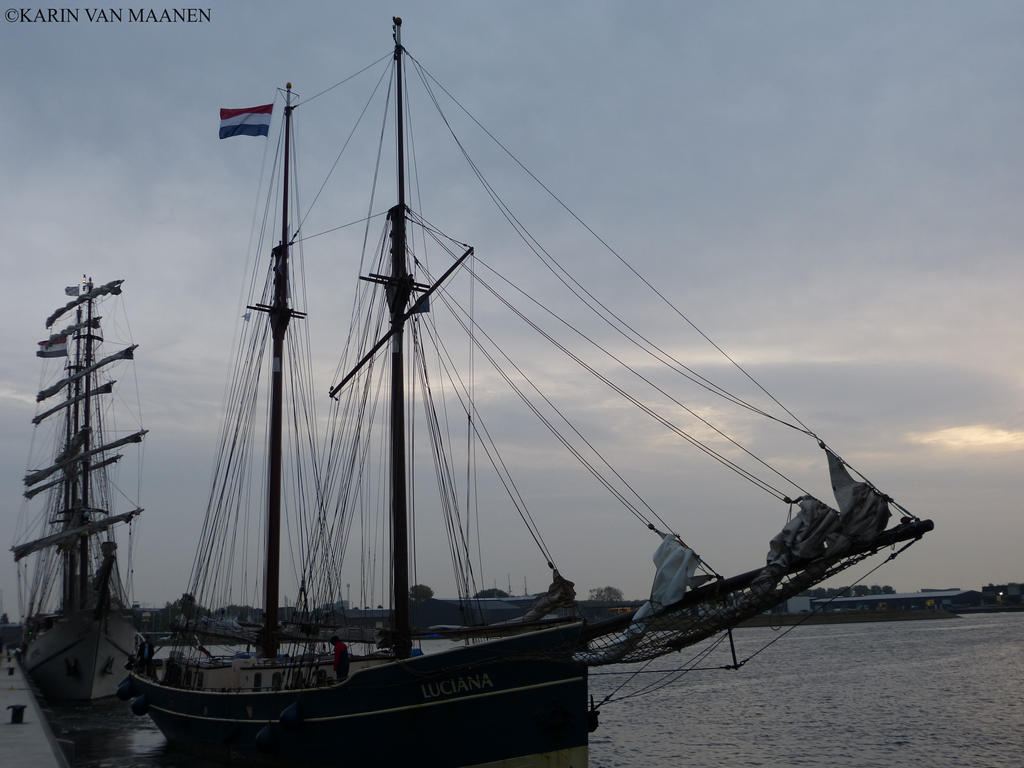
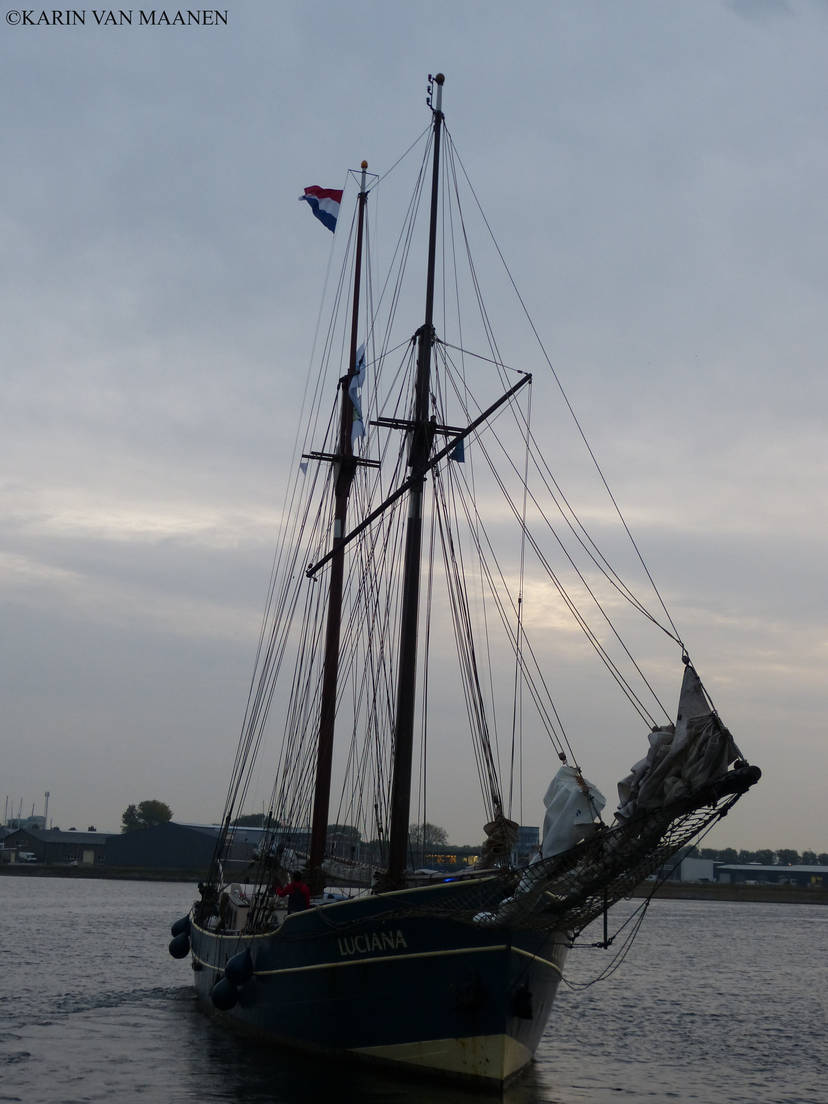
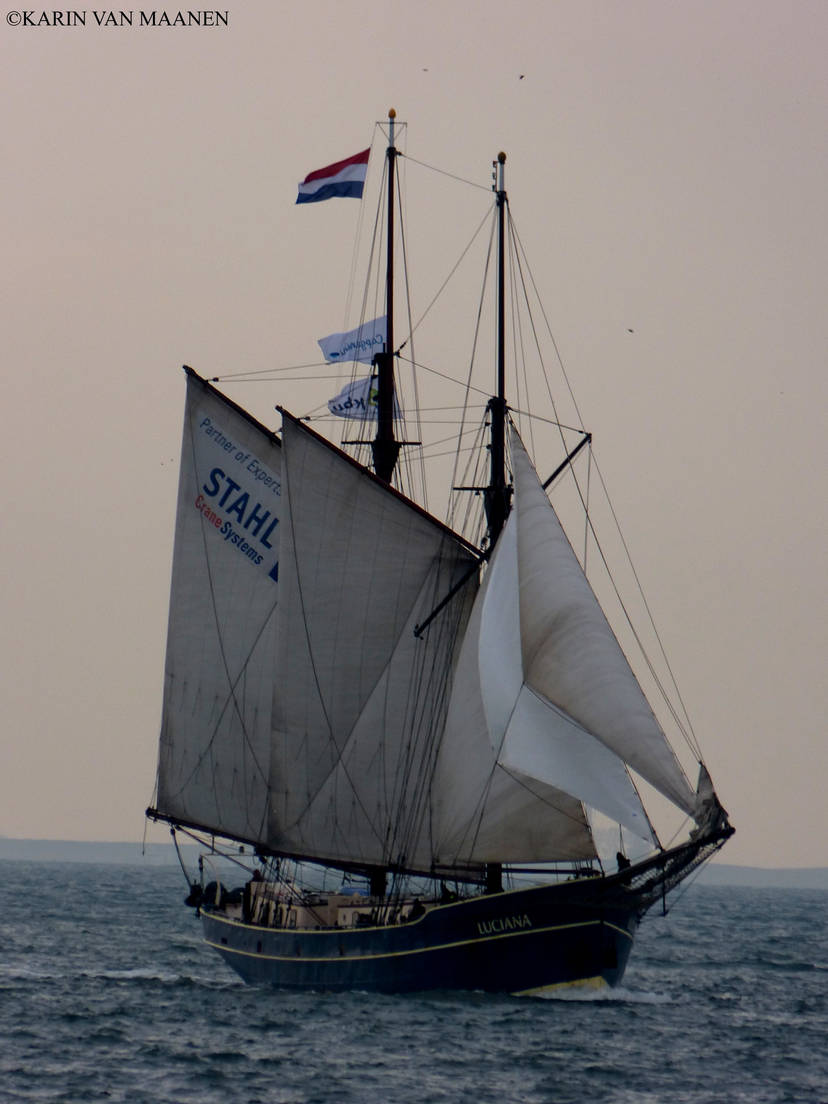
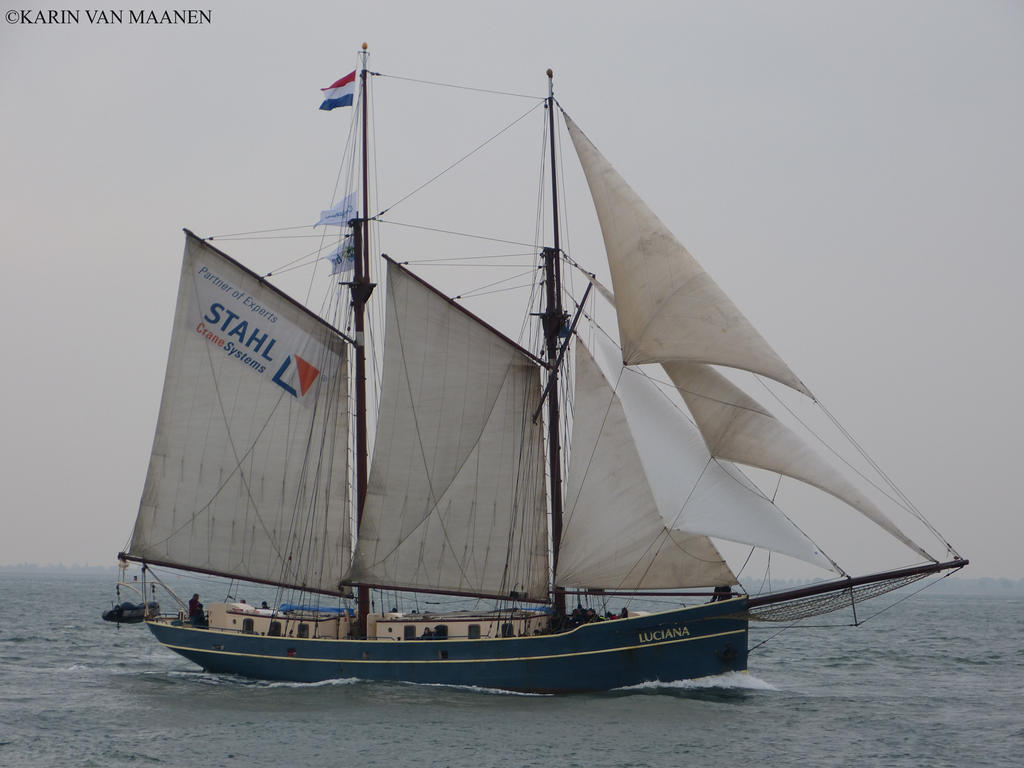
Netherlands-flagged, IMO 5185881, MMSI 244585000 and call sign PFQK. Built as sailing herring lugger without engine by Scheepswerf Pot, Bolnes, Netherlands in 1916, sold to Sweden becoming a cargo ship in 1928 and since 1982 sailing training ship with auxiliary engine. Ex-Cornelia en Petronel 1920-1925, Marcus Aurelius 1925-1929?
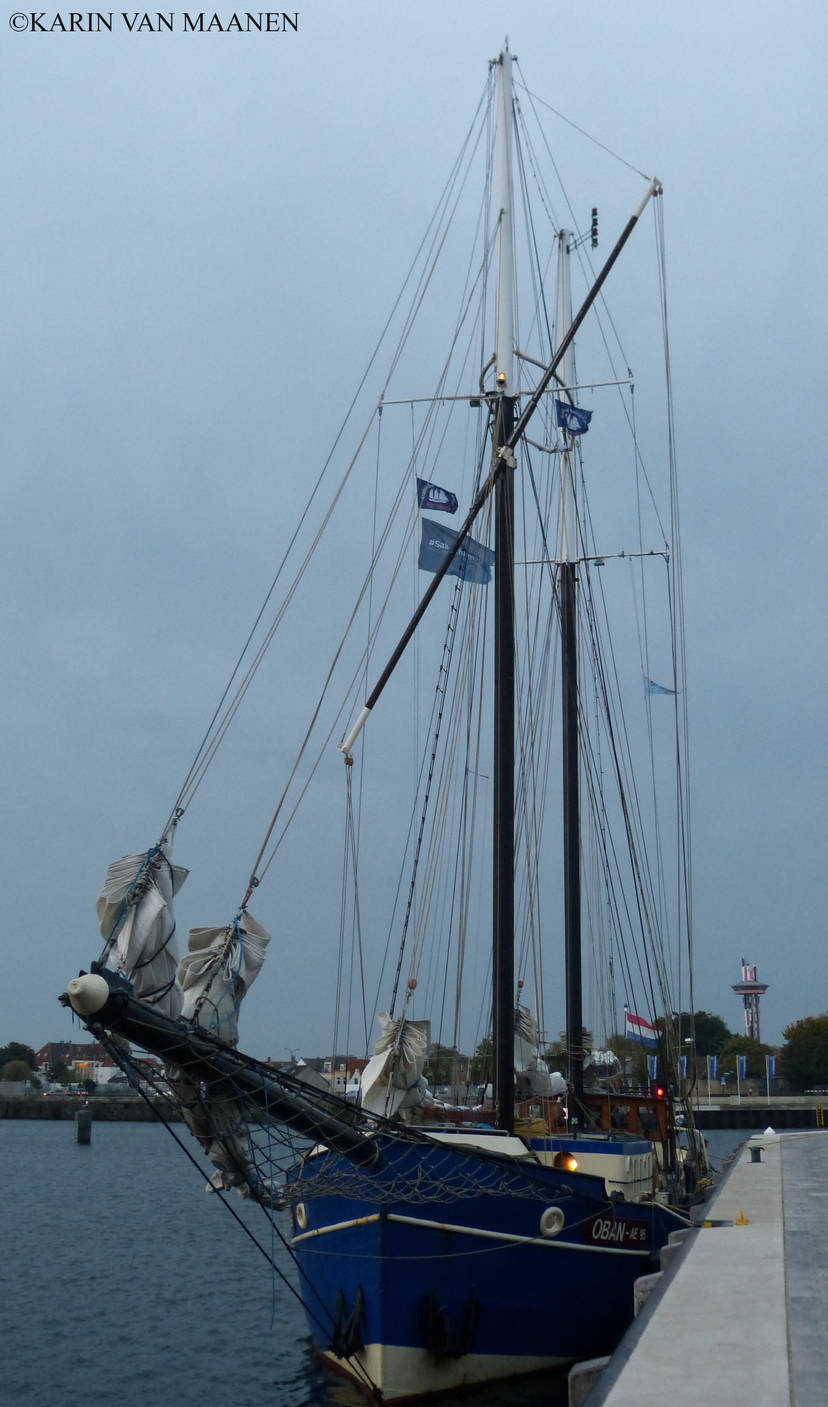
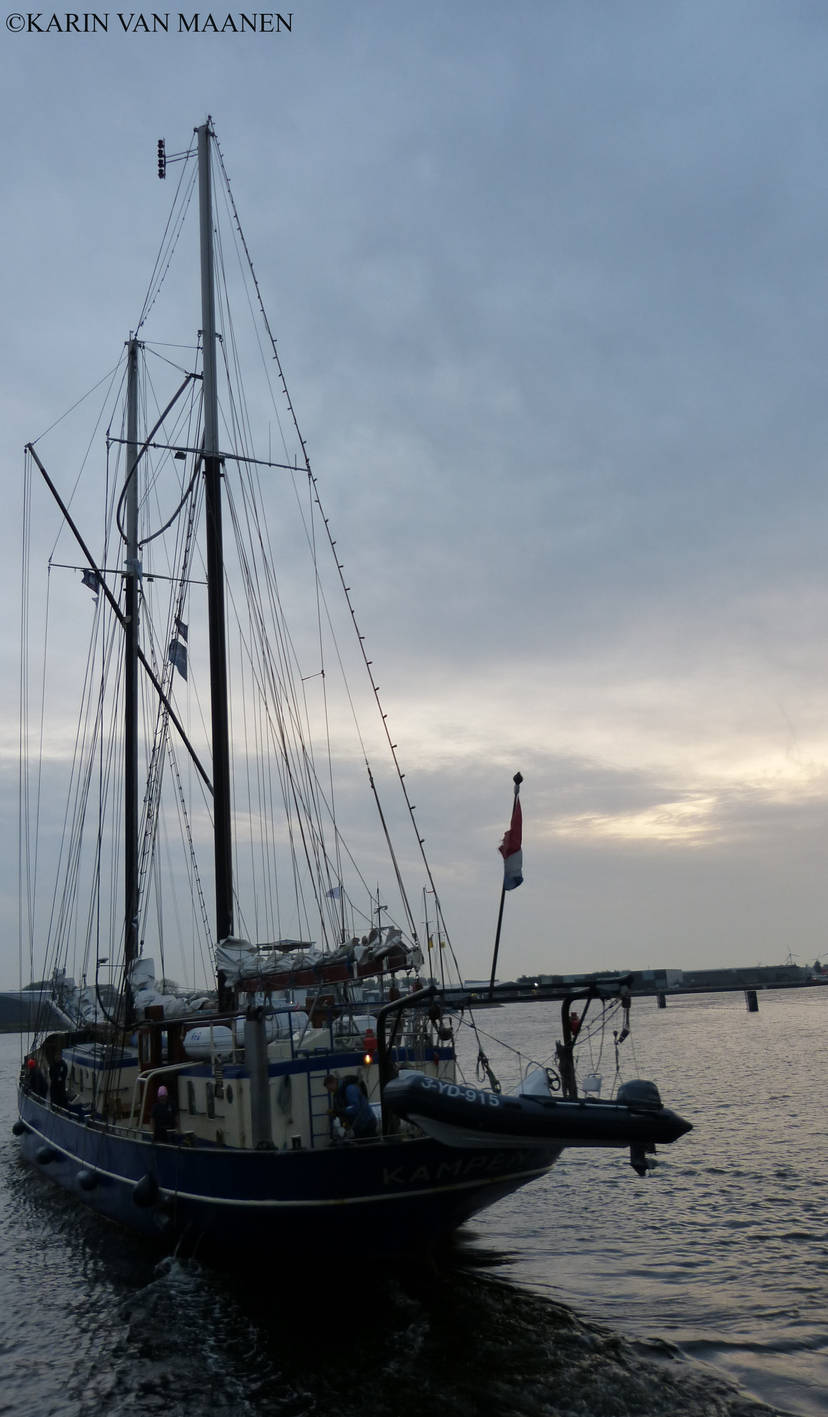
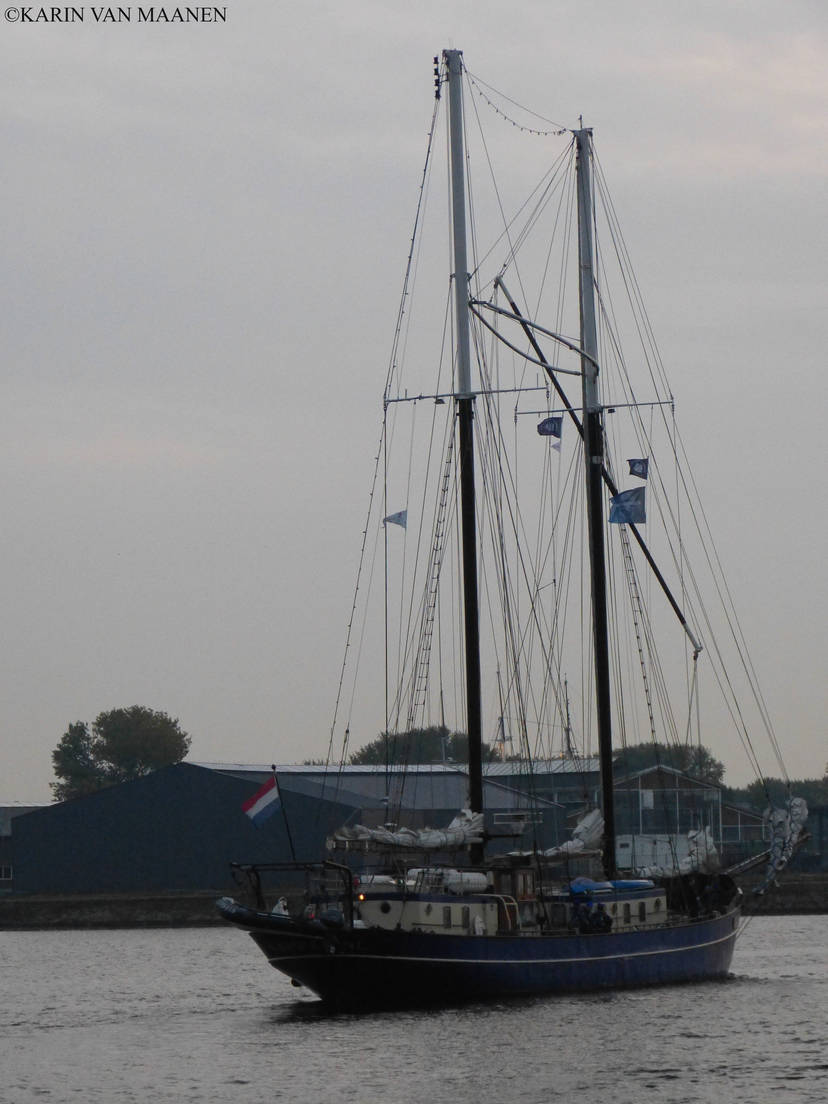
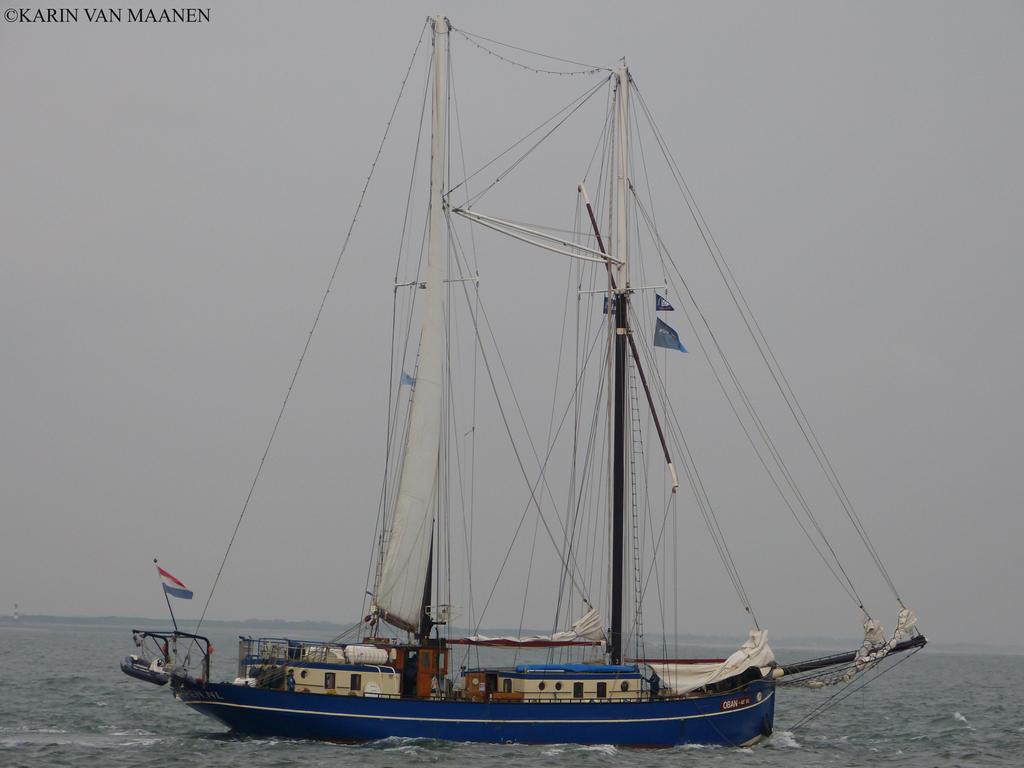
Netherlands-flagged, homeport Kampen, Netherlands, IMO 9096650, MMSI 246085000 and call sign PDWJ. Built at Emden, Germany as herring lugger Marie AE95by Cassens Werft in 1903, sold to Denmark in 1930 active between the Danish islands and Sweden, since 1985 passenger ship. 2-Mast schooner.
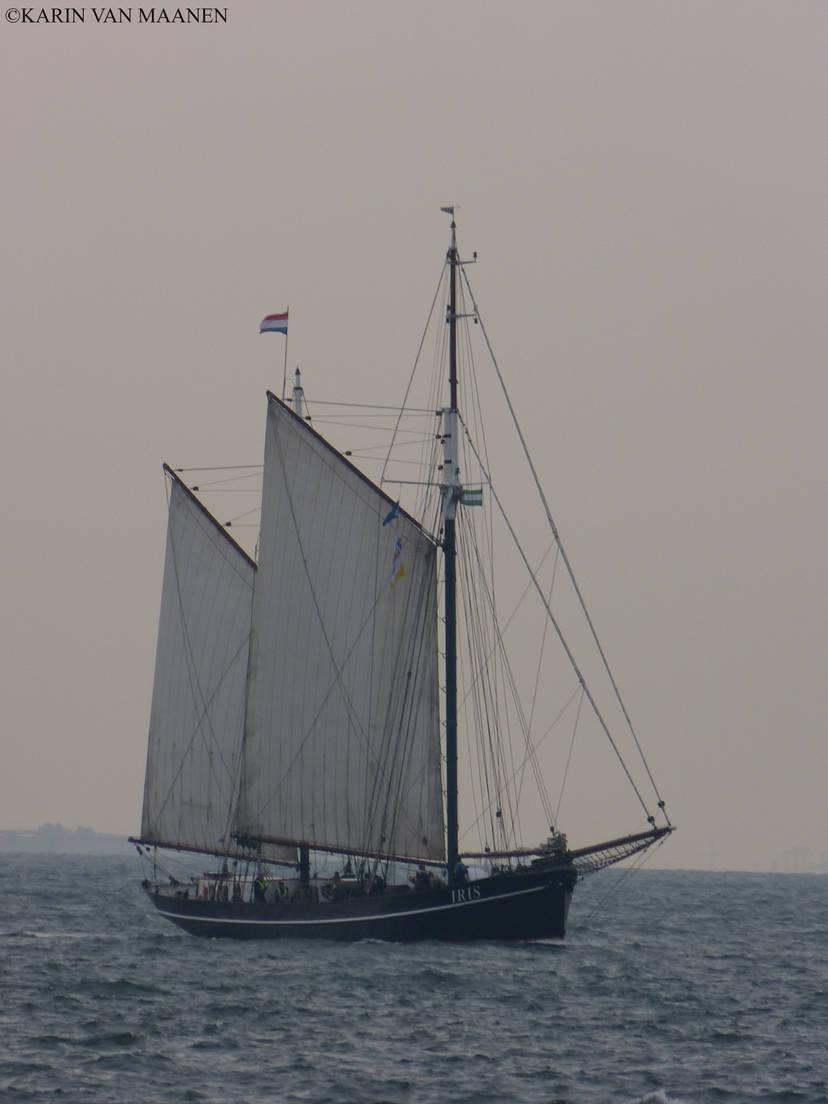
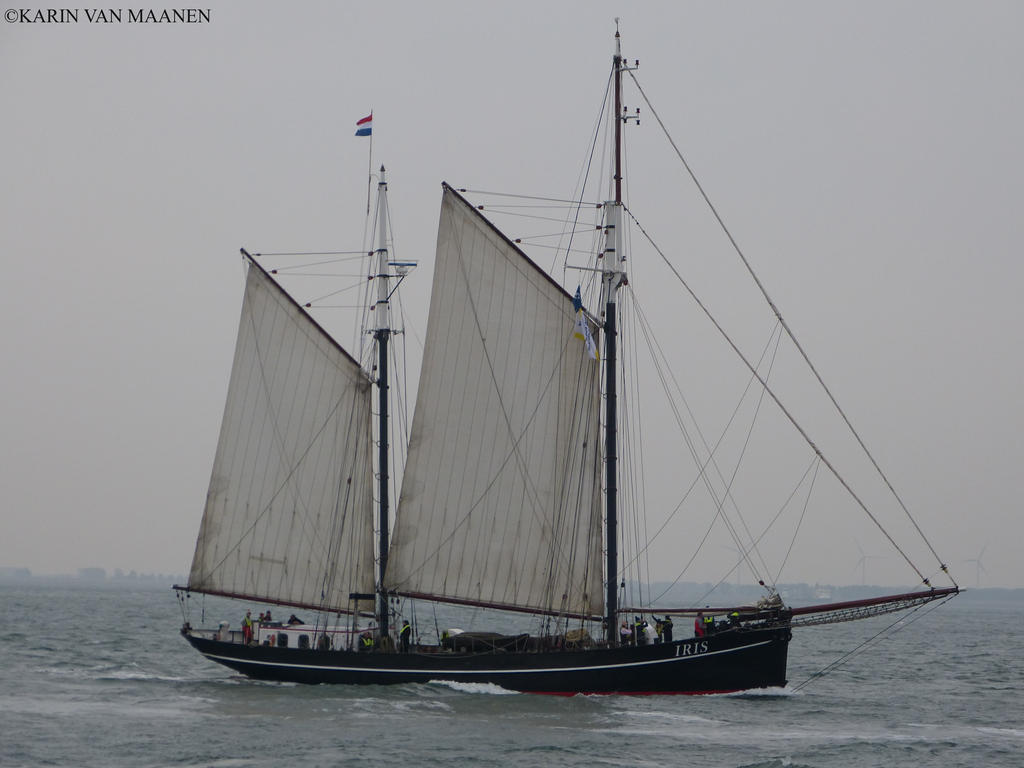
Netherlands-flagged, IMO 8334990, MMSI 244189000 and call sign PEGO. Built as herring lugger Pallas for the Rederij Nereus in 1916 sold to Sweden in 1920, converted into a cargo ship and renamed Age, in 1975 returned to the Netherlands and converted into a training ship renamed Geesje van Urk and in 2001 Iris. The NV Nereus owned indeed in 1916 a fishing vessel called Pallas master M. Haasnoot 5 voyages.
Lugger, captured by the British in 1812.
Source
J. Vichot. Repertoire des navires de guerre français. Paris, 1967.
Homeport Copenhagen. Lugger. Crew 28 men. Captain Johan Jørgen Nistrup. Owner Carlsen. Muster roll dated 17 October 1808, sold in November 1809 to the navy.
Source
Kay Larsen. Danmarks Kapervaesen 1807-1814. Copenhagen, 1915.

Rotterdam, Netherlands 16 April 2023
Netherlands-flagged, IMO 5096743, MMSI 244556000 and call sign PFTM. Ex-Edca renamed January 1971, Winston renamed January 1974, Metrig renamed January 1978 and Spica renamed November 1980. Built by [Conrad] Luhring Werft, Brake, Germany in 1915 als sailing lugger.
Lugger. Homeport Copenhagen. Crew 28 men. Armament several guns. Captain Lars J. Holm. Owner Wassard. Roll dated 1 Augst 1808.
Source
Kay Larsen. Danmarks Kapervaesen 1807-1814. Copenhagen, 1915.
Lugger. Lost in a storm. Homeport Copenhagen. Crew 22 men. Captain Lars Rasmussen Brandt. Owner H. Wassard. Roll dated 15 March 1809.
Source
Kay Larsen. Danmarks Kapervaesen 1807-1814. Copenhagen, 1915.
An item reported that several Japanese fishing vessels visited Bromo, West-Australia. On 1 March arrived the lugger Shinei Maru at Broome to disembarked a skin driver attacked by a shark during thochus fishing off Timor. Followed by the Kotoshoro Maru of 142 tons who towed the broken down Nichi Mei Maru of 105 tons, both fishing on a distance of around 100 miles from the West Australian coast. On 14 April left the Kotoshoro Maru for Shimizy, the Nichi Mei Maru on 18 April back to the fishing grounds.
Source
Website Royal Australian Navy, Sea Power Centre.

