Translate

Showing posts with label Estonia. Show all posts

Friday, 9 October 2026

Estonian merchant ship Vapper sunk by enemy submarine according to the War Cabinet Weekly Résumé No. 45of the Naval, Military and Air Situation 4-12 July 1940

An item reported that on 6 July the Estonian merchant ship Vapper, tonnage 4,548 tons, loaded with coal, underway from ... to Buenos Aires, Argentina was torpedoed 160 miles west south west of Land’s End. Not part of convoy. Of the crew was 1 man killed, 1 missing and 15 saved.

Source

National Archive UK. CAB-66-9-42. 

Monday, 28 September 2026

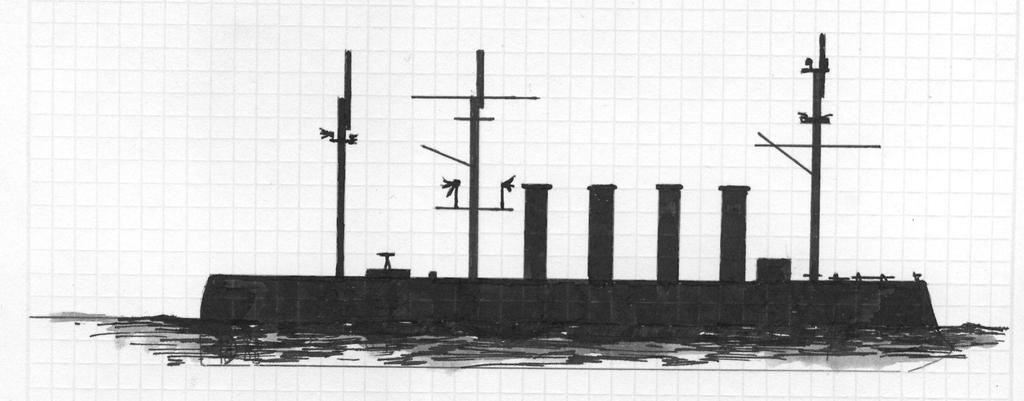
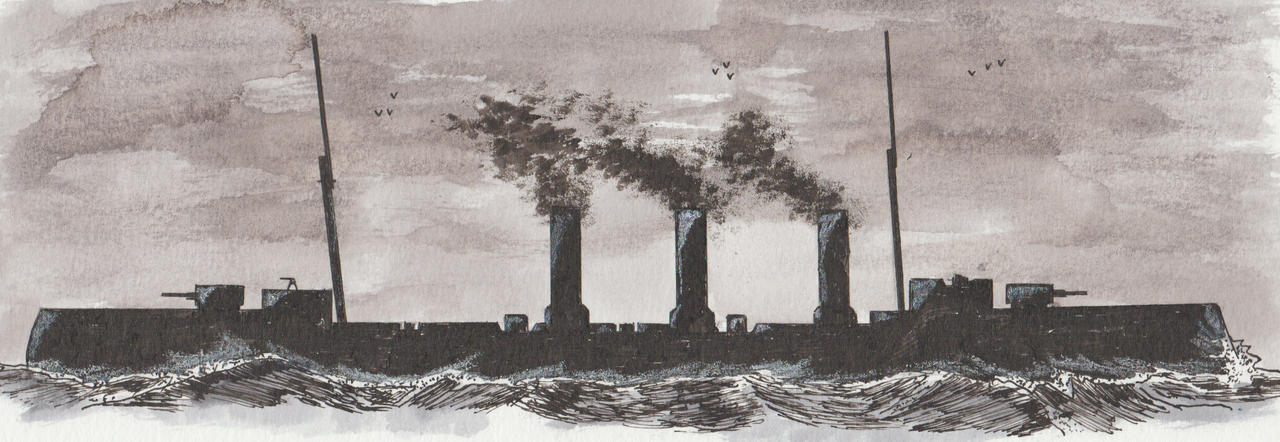
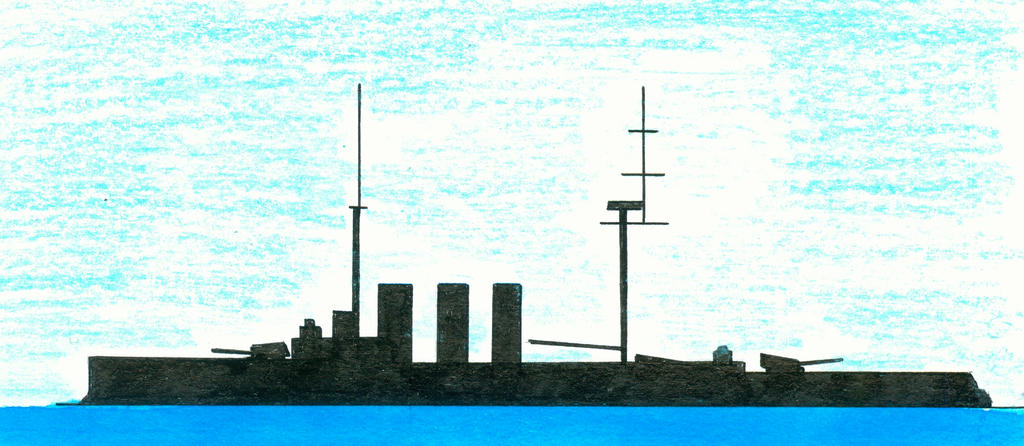
Russian Bolsheviks intending to sell old warships to be broken up in 1922

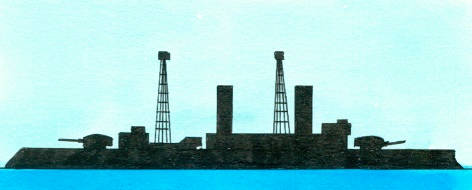
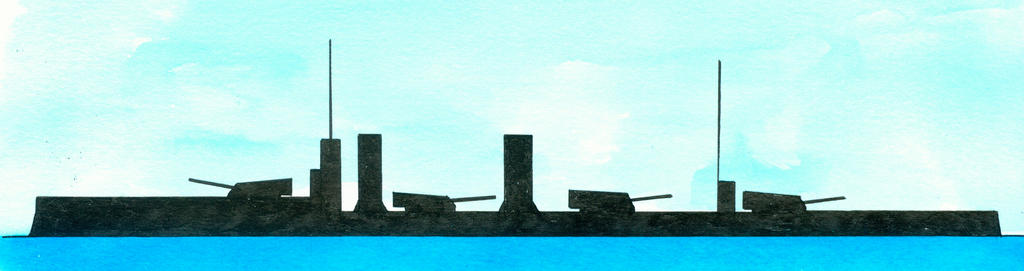
Andrei Pervozvanny-class battleships©Warshipsresearch.blogspot.com


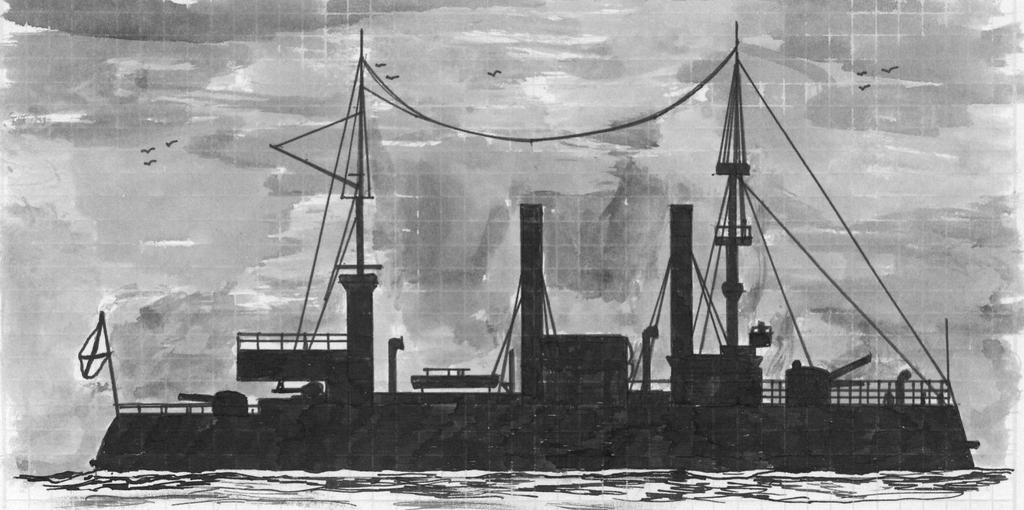
Battleship Tsesarevich©Warshipsresearch.blogspot.com

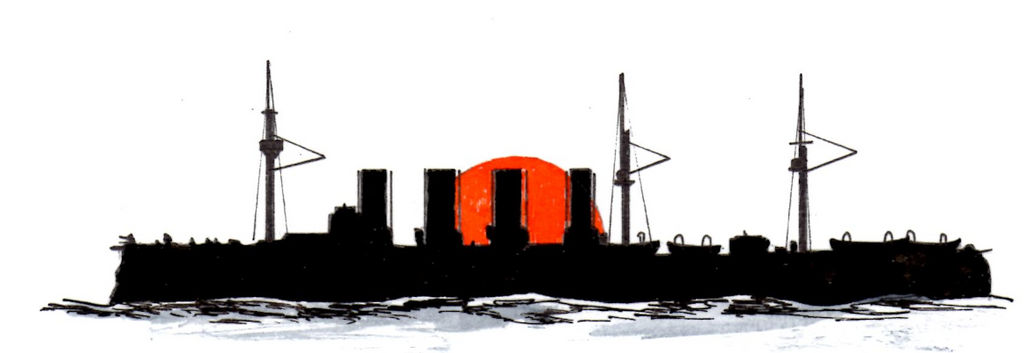
Armoured cruiser Rossia©Warshipsresearch.blogspot.com

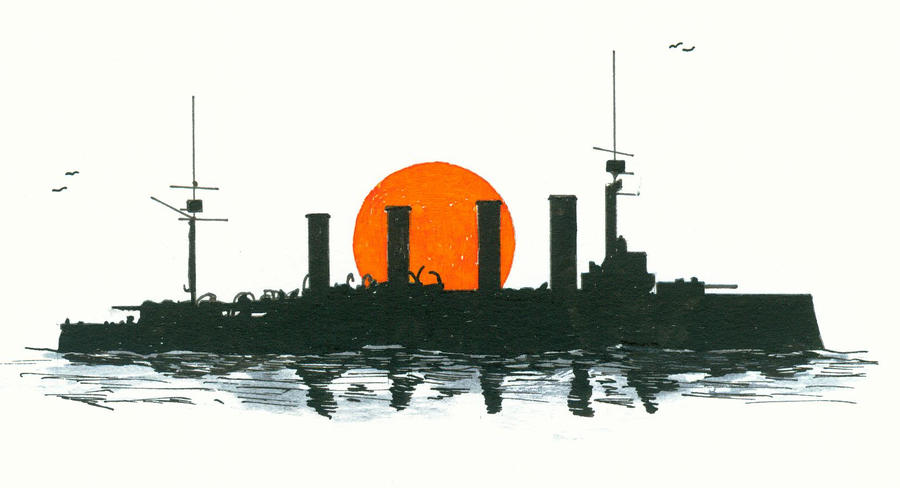
Admiral Makarov, Bayan-class armoured cruiser©Warshipsresearch.blogspot.com

Armoured cruiser Gromoboi©Warshipsresearch.blogspot.com

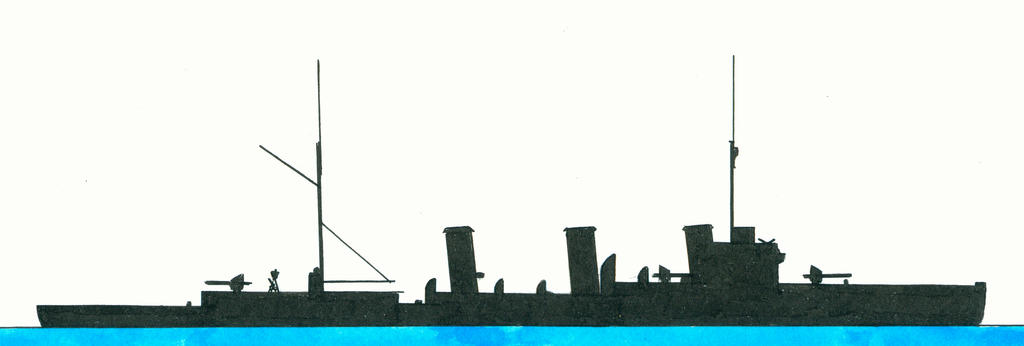
Bogatyr-class protected cruisers©Warshipsresearch.blogspot.com

A report from the American Military Observer at Riga, Latvia dated 17 February 1922 No. 2482 described the Russian Baltic fleet using information supplied by the Estonian General Staff. A number of seventeen ships were to be sold to be scrapped for iron: Andrei Pervozvanny, Pavel, Tzesarevich, Petr Velik I, Alexander II, Rossiya, Gromoboy, Diana, Bayan, Admiral Makarov, Bogatyr, Groziasday, Asia, Africa, Amour, Volga and Vodolei nomkr 1, the yachts Standart, Poliarnaya Zvezda and Tzarevich, 16 destroyers built between 1904-1907, artillery ship Ilmen and the submarines Ougorj and Keta. Identical to the ships which were intended to be sold to the German Navy in April 1922?

Source

National Archive. Record Group 165: Records of the War Department General and Special Staffs Series: Security Classified Correspondence and Reports. File Unit. Russia: Navy - MID 2503-16 THRU 2503-265. Roll 1443.

Wednesday, 23 September 2026

Estonian icebreaker Botnica 1998-

North Sea 12 September 2026

Estonia-flagged, homeport Tallinn, IMO 9165877, MMSI 276805000 and call sign ESJV. Owner/manager TS Shipping Ou, Tallinn, Estonia. Built by STX Finland Rauma, Rauma, Finland in 1998. 

Friday, 31 July 2026

Russian Bolsheviks intending to sell old warships to the German Navy in April 1922?

armoured cruiser Rurik (1905)©Warshipsresearch.blogspot.com

Bogatyr-class cruiser (1905)©Warshipsresearch.blogspot.com

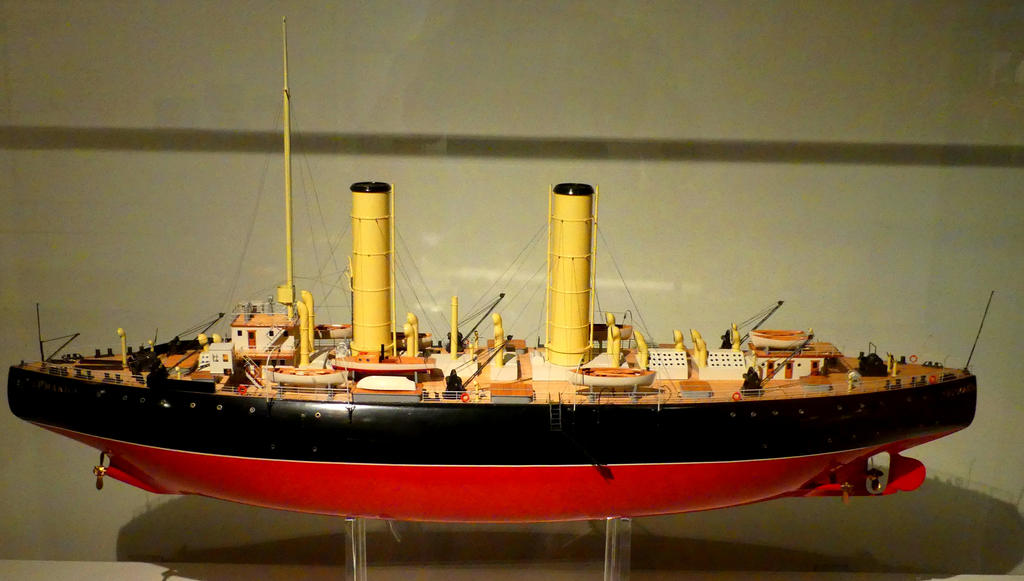
Model Maritiem Museum Hamburg, Germany

A report from the Military Observer at Riga, Latvia dated 25 April 1922 reported the possible sale of warships by the Russian Bolsheviks to Germany referring to an earlier report No. 2482. According to a reliable source were to be sold to representatives of the German navy under arrangement made by Koning all old ironclads excluded the Zarya Svobodi, all old cruisers excluded the Rurik and Bogatyr and all the destroyers of the former 8th Division which were boats of the French type. Koning arrived at Reval [Tallinn, Estonia] on board of the icebreaker Ermak [also called Yermak and Jermak] on 2 March leaving to Berlin on 8 March. If the conditions were approved, was the proposal to transfer the ships to German in early May.

Source

National Archive. Record Group 165: Records of the War Department General and Special Staffs Series: Security Classified Correspondence and Reports. File Unit. Russia: Navy - MID 2503-16 THRU 2503-265. Roll 1443.

Thursday, 30 July 2026

Russian Bolsheviks intending to sell incomplete warships in 1922

Borodino-class battle cruisers. ©Warshipsresearch.blogspot.com

Svetlana-class light cruisers. ©Warshipsresearch.blogspot.com

A report from the Military Observer at Riga, Latvia dated 17 February 1922 No. 2482 described the Russian Baltic fleet using information supplied by the Estonian General Staff. The Bolsheviks intended to sell a number of incomplete warships:

-armoured cruisers Izmail, Borodino and Gimourn(1)

-light cruisers Admiral Greig (1) and Admiral Spiridov (3)

-destroyers Mechislav, Brechislav, Fedor Stratilat, Capitan Kerp, Crown, Zotov, Sokol, Michail, Doubosov, totally 9 all with hulls in good condition and three ships also fitted out with boilers and engines.

Notes

1. Battle cruisers of the Borodino or Izmail-class, the Izmail was broken up at Leningrad in 1931, the Borodini, Kinburn and Navarin were sold to a German company be broken up on 21 August 1923.

2. Part of Svetlana-class preceded by Muraviev Amurski-class succeeded by Admiral Nakhimov-class converted in the tanker ss Azneft taken into service in 1926.

3. Part of Svetlana-class preceded by Muraviev Amurski-class succeeded by Admiral Nakhimov-class converted in the tanker ss Grozneft taken into service in 1926.

Source

National Archive. Record Group 165: Records of the War Department General and Special Staffs Series: Security Classified Correspondence and Reports. File Unit. Russia: Navy - MID 2503-16 THRU 2503-265. Roll 1443.

Thursday, 16 July 2026

Estonian cargo ship (ex-Alana 1999-2012, New Vela 2012-2016) Kamelia 2016-


Schelde off Vlissingen, Netherlands 3 June 2026

Malta-flagged, homeport Valletta, IMO 9188958, MMSI 229245000 and call sign 9HA3170. Built by Damen Shipyard Hoogezand, Hoogezand, Netherlands in 1999. Earlier Germany-flagged between 2012-2016, Malta-flagged in 2016 and Estonia-flagged in 2016. Owner/manager Hansa Shipping Ou, Tallinn, Estonia. 

Monday, 13 April 2026

Chinese cargo ship Baltiyskiy-202 1994-

North Sea/entrance Nieuwe Waterweg, Netherlands 1 April 2026

Panama-flagged, IMO 9057252, MMSI 372837000 and call sign 3EVM8. Built by Volgograd Shipbuilding, Volograd, Russia in 1994. Owner APZ Liners Ltd., Hong Kong, China, manager NWS 2 Balt Shipping Co. Ltd., Tallinn, Estonia. Cyprus-flagged in 2006, Malta-flagged 2006-2014, Belize-flagged between 2014-2020. 

Tuesday, 17 February 2026

Russian armoured cruisers Gromoboi and Rossia to be sold for scrapping in 1922

Gromoboi. ©Warshipsresearch.blogspot.com

Rossia. ©Warshipsresearch.blogspot.com

The Commissioner of the United States at Riga, Latvia wrote on 27 October 1922 to the Secretary of State at Washington that the towning lines of the Russian cruisers Gromovoi (1) and Rossiya (2) while towed by tugs underway from Petrograd to Germany to be sold for breaking up broke loss in a storm off the Estonian coast. The Gromovoi was temporarily lost but finally salvaged off Hangö and underway to her destination. The Rossiya stranded ashore between Wulf and Wrangel Islands and seemed to be filled with water. The Baltic Salvage Association would assisted by Soviet ships try to salvage her although there was not much hope.

Notes

1. Gromoboi preceded by Rossia succeeded by Bayan-class. Laid down by Baltic Works, St. Petersburg, Russia on 14 June 1897, launched on 8 May 1899, commissioned in November 1899 and sold to be broken up in Germany on 1 July 1922 but instead broken up in situ.

2. Preceded by Rurik succeeded by Gromoboi. Laid down by Baltic Works, St. Petersburg, Russia in October 1893, launched on 30 April 1896, commissioned in late 1896, sold to be broken up on 1 July 1922, stranded on 16 October 1922, refloated in August 1923, towed to Kiel, Germany and broken up.

Source

Records of the Department of State Relating to Internal Affairs of Russia and the Soviet Union, 1910-29. Naval Affairs, Navy, Navy Vessels: 861.30 .(861.31 Naval Maneuvers; 851.32 Personnel); 861.33 Movements of Navy Vessels; 861.34 Equipment and Supplies): 861.39 - 861.345. Micro film 316 roll 92. 

Tuesday, 30 September 2025

Russian balloon transport Samoyed with balloon Kobchik in 1894

Based on sketch by Mrs. A.O. Aleksandrova. ©Warshipsresearch.blogspot.com

Reval (nowadays Tallinn, Estonia) towards Helsinki, Finland. Without success was searched for the wreck. In 1894 was decided to a new search using balloons. For this purpose was the non-propelled transport Samoyed used. She was launched as a screw steam sailing schooner at Åbo/Turku, Finlandon 2 (14) April 1870 and served in the White Sea fleet returning to the Baltic in 1894. Next were masts, rigging, funnel and superstructure moved or cut down to the upper deck converting her into a balloon transport.The balloon had a diameter of 12 meteres more as her maximum beam and to tighting the balloon were on both hull sides sponsons with eye bolts made. On the fore ship was a steam winch mounted to lower or hoist the balloon. In the former engine room were pipes filled with hydrogen available for filling the balloon. Early July was she ready to be fitted out with the balloon and was she towed to Helsinki from where the expedition was to begin. The steamship Rabotnik towed her to the search location. Daily was she during 1.5 month daily 10-12 hours at sea busy with lowering and hoisting the balloon with mand 7-8 times a day. Original tonnage 606 tons and as dimensions 51.5 (between perpendiculars) x 7.9 3.3 metres. Steam engine with 35 hp horsepower. Armament 4-4pd type 1867 guns. 

Note

1. Part of Charodeika-class monitors preceded by Smerch succeeded by Admiral Lazarev-class, built betweeen 1866-1869 and reclassified as coastal defence ironclad on 13 February 1892. Her wreck was rediscovered in 2002. 

Sunday, 15 June 2025

British minehunter HMS Inverness M 102 1990-2006 and Estonian EML Sakala M314 2006-

Korsør, Denmark 11 June 2025

Facebook Group Under Broen

Estonia-flagged, MMSI 276742000 and call sign ESQJ. Part of Sandown-class preceded by Town-class. Launched by Vosper Thornycroft, Woolston, England on 27 February 1990, commissioned on 24 May 1991, paid off on 15 November 2004, decommissioned in 2005, contract for sale to Estonia dated September 2006, refitted,, transferred in April 2007 and commissioned on 24 January 2008.

Tuesday, 29 April 2025

British destroyer HMS Vimiera bound for Estonia according to the Weekly Appreciation of matters of naval interest No. 81 for the week ended 3 July 1920

An item reported that M. Krassin, accompanied by M. Nogin and Mr. Peters of the Oversear Trade Department left on board of the British destroyer HMS Vimiera (1) on 2 July Sheerness, England bound for Reval [Tallinn, Estonia]. The HMS Vimiera was to go directly to Reval without calling at Copenhagen, Denmark and stay long enough at Reval to disembark her three guests.

Note

1. Part of Admiralty V-class preceded by S- and Parker-classes succeeded by Thornycroft type destroyerl leader Ambuscade and Amazon. . Laid down by SWan Hunter, Tyne and Wearin October 1916, launched on 22 June 1917, completed on 19 September 1917 and sunk after striking a mine in the Thames estuary off Warden, Kent, England on 9 January 1942.

Source

The National Archives, Kew Gardens, England CAB 24-109-4

Sunday, 23 March 2025

British lieutenant-commander Litttledale representing Estonian navy according to the Weekly Appreciation of matters of naval interest No. 81 for the week ended 3 July 1920

An item reported that the S.N.O. Baltic received a request from a retired lieutenant-commander Littledale for British Admiralty publications on behalf of the Estonian navy. The Admiralty however was not aware of the presence of this officer in Estonia.

Source

The National Archives, Kew Gardens, England CAB 24-109-4

Saturday, 14 September 2024

Finland seeking to get as large as possible part in the future transit trade with Russia according to the Weekly Intelligence Summary (W.I.S.) No. 44 dated 5 November 1921

An item reported that the Finnish government intended to capture as large a part in the transit trade to Russia as possible when the general trade with Russia was restarted. For that purpose was proposed to increase the capacity of the harbours of Hango and Abe to be completed by May 1922. Daily were 75 trains to leave Hango for the Russian frontier. Estonia and Latvia were competitors for Finland in this race.

Source

The National Archives, Kew Gardens, England CAB-24-129-73

Tuesday, 10 September 2024

The Russian Far East Flotilla in 1938

A letter dated Tokyo, Japan 19 March 1938 sent to the Oberkommando der Kriegsmarine at Berlin, Germany dealt with the Russian Far East naval strength on 1 February supplied by the Admiralty staff although lacking the sketches.

-old 1,300 tons destroyers Stalin and Voikov [Orfey-class] with an armament of 4-10cm guns, 1-7,5cm anti aircraft gun, 3x3-45cm torpedo tubes (although one of the two vessels had just one triple lacking the other two), 60 mines and 2 machineguns.

-1 around 1,700 tons destroyer with a unreliable sketch)

-540 tons S-class torpedo boats Molnia, Zalnitsa, Brun, Grom, Viyuga and Meraly with an armament of 2-12cm guns, 1x2-45cm torpedo tubes (according to some tidings 2x2-45cm torpedo tubes)and 4 machine guns.

-860 tons guardships of Italian type Kirov and Dzerjinskii, armament 3-10.2cm guns and 4x4cm anti aircraft guns.

-large submarines 1,000 tons L-class 7 and L 10

-medium seized submarines 600 tons-I-class 101-105, 117 and 120

-medium seized submarines 600 tons II-class 113-115

-medium seized submarines 600 tons III-class 106-111 and 121-124

-medium seized submarines 800 tons IV-class 125, 127, 130-132

Some of these boats have a wave shaped upper deck. Camouflage purposes?

-small seized submarines 300 and less tons M 1-29

-guard vessel Voroskii, 2,089 tons, 2-8cm guns and 2 machine guns. Part of the summer guard vessel at Kamschatka, in winter flagship of Far East Flotilla at Vladivostok

-auxiliary cruiser around 1,500 tons, name unknown, 5-7.5cm guns, 13-18 knots speed

-submarine depot ship Saratov, 4,000-4,500 tons, 4-4.5cm guns, icebreaker shaped bow and gate shaped masts

-minelayer Amur, 4,500 tons, 3-15 cm guns and 14 sea miles speed [laid down by Baltic Works, St. Petersburg in September 1906, launched on 29 June 1907, completed in October 1910, in May 1938 depot ship, scutled at Tallinn in 1941].

Source

High Command of the Kriegsmarine (OKM). Case 36


Sunday, 8 September 2024

Soviet Union strenghtening naval Far East forces in 1938

Svetlana-class light cruisers. ©Warshipsresearch.blogspot.com

A letter of the German naval attache in Japan dated Tokyo, Japan 12 January 1938 referred to the Japanese newspaper Asahi which reported on 11 January from Hong Kong that a reliable source stated that the Soviet Union inted to increase her naval Far East force at Vladivostok. This was to be executed after the ice smelt in spring 1938. Transferred were the cruisers Krasny Kavkas (1) and Provintern (2), the destroyers Petrovski (3) and Dsershinky (4), a minelayer and 6-600 tons submarines. Underway would they visited Singapore, Hong Kong and other British naval strongpoints.

Notes

1. Krasny Kavkaz. Admiral Nakhimov-class cruiser preceded by Svetlana-class succeeded by Kirov-class, laid down as Admiral Lazarev by Russud Dockyard, Nikolayev, Ukraine on 31 October 1913, launched on 21 June 1916, renamed Krasny Kavkaz on 14 December 1926, design modified and completed, commissioned on 25 January 1932, training ship since 12 May 1947 and sunk as a target on 21 November 1952.

2. Part of Svetlana-class cruisers preceded by Muraviev Amurski-class succeeded by Admiral Nakhimov-class, laid down by Russo-Baltic Shipyard, Reval [Tallinn], Estonia as Svetlana on 7 December 1913, launched on 27 November 1915, unfinished transferred to Petrograd, renamed Profintern on 5 February 1925, completed in October 1926, commissioned on 1 July 1928, renamed Krasny Krym on 31 October 1939, training ship since November 1954 and stricken in July 1959.

3. Fidonisy-class or Kerch-class destroyer preceded by Derzky-class succeeded by Opytny-class. Laid down as Korfu by Naval Shipyard, Nikolayev, Ukraine on 23 May 1916, launched on 10 October 1917, in German, Ukrainian and then inSoviet hands in 1920, renamed Petrovsky on 5 February 1925, renamed Zheleznyakov on 25 June 1939, transferred to Bulgaria on 18 December 1947, given back on 15 september 1949, renamed as barracks ship PKZ-62 on 8 April 1953, stricken on 10 July 1956 and broken up in 1957.

4. Dzerzhinsky. Part of Fidonisy-class or Kerch-class destroyers preceded by Derzky-class succeeded by Opytny-class. Ordered on 17 March 1915, laid down as Kaliakria on 29 October 1915, launched on 14 August 1916, commissioned on 30 October 1917, renamed Dzerzhinsky on 24 November 1926, commissioned on 28 August 1929 and sunk when striking a mine off Sevastopol on 13 May 1942 and stricken on 24 June.

Source

High Command of the Kriegsmarine (OKM). Case 36.

Friday, 6 September 2024

Russian 4 mast training barque (ex-Padua 1926-1946) Kruzenshtern 1946-


Off Halsskov Rev., Denmark 30 August 2024

Russia-flagged, homeport Kaliningrad, IMO 6822979, MMSI 273243700 and call sign UCVK. Steel built. Nowadays operated by the by the Baltic Fishing Fleet State Academy. Laid down at the Joh. C. Tecklenborg-Werft, Germany as the Padua on 11 June 1946 for account of the Hamburger Reederei F. Laeisz). Became Russian property on 12 January 1946. Modernized between 1968 and 1972. She still holds the record for the fastest voyage sailing between Hamburg and Australia via Chile completing in 8 months and 23 days. Homeport between 1926-1946 Hamburg, Germany, between 1946-1981 Riga, Latvia, Tallinn, Estonia 1981-1991 and since then Kaliningrad, Russia.

Dimensions 95,15 (between perpendiculars)-114,5 (sparred) x 14,02 x 6,720 (summer)-7,200 (normal) metres, a displacement of 5.805 (summer)- 6.400 ((normal tons), deadweight 1.645 tons, gross tonnage 3.141 tons and net tonnage 942 tons. Height mainmast 21,40 metres. Total sail area of the 31 sails is 3.553 square metres. Further more fitted out with 2 x 736 kW, 8NVD 48A-2U (S.K.L. 8-cylinder engines and 4 MAN Nutzfahrzeuge AG, D 2866 LXE 30 auxiliary diesel generators. Her crew numbers 76 men with accommodation for 160 cadets.

Thursday, 5 September 2024

Russian 4 mast training barque (ex-Padua 1926-1946) Kruzenshtern 1946-


Great Belt Bridge, Denmark 30 August 2024

Russia-flagged, homeport Kaliningrad, IMO 6822979, MMSI 273243700 and call sign UCVK. Steel built. Nowadays operated by the by the Baltic Fishing Fleet State Academy. Laid down at the Joh. C. Tecklenborg-Werft, Germany as the Padua on 11 June 1946 for account of the Hamburger Reederei F. Laeisz). Became Russian property on 12 January 1946. Modernized between 1968 and 1972. She still holds the record for the fastest voyage sailing between Hamburg and Australia via Chile completing in 8 months and 23 days. Homeport between 1926-1946 Hamburg, Germany, between 1946-1981 Riga, Latvia, Tallinn, Estonia 1981-1991 and since then Kaliningrad, Russia.

Dimensions 95,15 (between perpendiculars)-114,5 (sparred) x 14,02 x 6,720 (summer)-7,200 (normal) metres, a displacement of 5.805 (summer)- 6.400 ((normal tons), deadweight 1.645 tons, gross tonnage 3.141 tons and net tonnage 942 tons. Height mainmast 21,40 metres. Total sail area of the 31 sails is 3.553 square metres. Further more fitted out with 2 x 736 kW, 8NVD 48A-2U (S.K.L. 8-cylinder engines and 4 MAN Nutzfahrzeuge AG, D 2866 LXE 30 auxiliary diesel generators. Her crew numbers 76 men with accommodation for 160 cadets.

Wednesday, 24 July 2024

Bulgarian border police patrol vessel Balchik 2023-


Korsør, Denmark 27 March 2023

Bulgaria-flagged, IMO 9940980 and MMSI 276014020 and call sign LZCB. Built by Baltic Workboats in Estonia in 2023. Of aluminium. Dimensions 44.6 x 8.8 x 2.6 metres.

Monday, 15 July 2024

Russian cargo ship (ex-Magdalena 1909-1922, Duddingston 1922-1936) Osmussaar 1936-1960

Warshipsresearch.blogspot.com

Launched by Craig Taylor&Co. Ltd., Stockton-on-Tees, England with yard number 132 in 1909, delivered in April 1909 to N.V.A.C. Lensen’s Stoomvaart Maatschappij, Terneuzen, Netherlands as Magdalena (call sign PJWC), 21 March 1918-1919 in hands of the US Shipping Board (Emergency Fleet Corporation), USA, sold to James Cormack&Co., Leith, Scotland and renamed Duddingston in 1922, owner since 1928 Cormack Steamship Compant Ltd, sold to A/S Merilaid&Co, Tallinn [Reval], Estonia and renamed Osmussaar call sign ESZR in 1936, owner/manager Murmanskoe Gosudarstvennoe Morskoe Parohodstvo, Murmansk call sign UUNZ since 1941, Dalnevostochnoe Gosudarstvennoe Morskoe Parohodstvo, Vladivostok since 1943, Sahalinskoe Gosudarstvennoe Morskoe Parohodstvo, Holmsk since 1949, Dalnevostochnoe Obyedinennoe Gosudarstvennoe Morskoe Parohodstvo, Holmsk since 1954, Sahalinskoe Gosudarstvennoe Morskoe Parohodstvo, Holmsk since 1957 and stricken in 1960. 

Gross tonnage 2,229 tons, under deck 2,003 tons, net tonnage 1,324 tons, deadweight 3,730 tons and dimensions 287.0 x 44.0 x 18.9 x18 (loaded) feet. Speed 8 knots. Grain capacity 163,000 cubc feet, bale capacity 152,000 cubic feet.

Wednesday, 3 July 2024

Russian ss Sabotnik from Stettin was held up near Nargen Island according to the Weekly Intelligence Summary (W.I.S.) No. 10 dated 12 March 1921

An item reported that the [Russian] ss Sabotnik from Stettin was held up near Nargen Island off Reval [Tallinn, Estnia] due to a damaged screw.

Source

The National Archives, Kew Gardens, England CAB-24-121-21