Translate

Showing posts with label Latvia. Show all posts

Wednesday, 9 September 2026

Russian State Aviation Works No. 11 at Odessa, Ukraine in 1929

The American Military Attaché major George E. Arneman at Riga, Latvia referred in his report dated 16 November 1929 No. 7319 to the notes he received from the French Naval Attaché at Riga. He had been three years stationed at Riga and specialized in the Russian Baltic Fleet, being satisfied with his sources considered his notes as reliable. Arneman had no reason to disagree.

An item reported the Russian State Aviation Works No. 11 at Odessa, Ukraine which produced land based air craft and seaplanes. Between 1925-end 1928 were 14 Savoia,4 Gregorovich, 3 Isotta seaplanes and 8 hydro gliders with 120hp Ron engines produced. Responsible for repairing aircraft in the Black Sea (area). Personnel numbered 4 engineers and 500 laborers.

Source

National Archive. Record Group 165: Records of the War Department General and Special Staffs Series: Security Classified Correspondence and Reports. File Unit. Russia: Navy - MID 2503-16 THRU 2503-265. Roll 1443.

Tuesday, 8 September 2026

The Russia air craft Factory No. 10 at Taganrog in 1929

The American Military Attaché major George E. Arneman at Riga, Latvia referred in his report dated 16 November 1929 No. 7319 to the notes he received from the French Naval Attaché at Riga. He had been three years stationed at Riga and specialised in the Russian Baltic Fleet, being satisfied with his sources considered his notes as reliable. Arneman had no reason to disagree.

An item reported the hydro-aeroplane Factory No. 10 at Taganrog which produced between 1924-end 1928 70 land based planes and of seaplanes 8-M20 with 185 hp BMW motor, 30-Isotta with 250 hp motors, 19-Savoaia 16 with 300 hp Fia motors and 31-Savoai 51 with 300hp Hispano motors. Personnel numbered 18 engineers, 9 chemists and 1,250 workmen.

Source

National Archive. Record Group 165: Records of the War Department General and Special Staffs Series: Security Classified Correspondence and Reports. File Unit. Russia: Navy - MID 2503-16 THRU 2503-265. Roll 1443.

Monday, 7 September 2026

The Russian naval air force in 1929

The American Military Attaché major George E. Arneman at Riga, Latvia referred in his report dated 16 November 1929 No. 7319 to the notes he received from the French Naval Attaché at Riga. He had been three years stationed at Riga and specialised in the Russian Baltic Fleet, being satisfied with his sources considered his notes as reliable. Arneman had no reason to disagree.

An item reported that the Soviet Naval Air Force consisted of the 62nd and 66th detachments fitted out with seaplanes.

At Peterhof were on 1 January 1929 12 seaplanes, pursuit, M24 stationed

At Orienenbaum 16 seaplanes, scouts, Type Junkers W33 and W 34

At Grebnoy (island of Vasilievsky-Leningrad) 12 torpedo planes

On the Goutourievsky and Krestovsky islands (Leningrad) a squadron of the hydro-aviation school numbering 24 seaplanes, Junkers and Savoia

There should be at Archangel an observation squadron wit 24 seaplanes.

Source

National Archive. Record Group 165: Records of the War Department General and Special Staffs Series: Security Classified Correspondence and Reports. File Unit. Russia: Navy - MID 2503-16 THRU 2503-265. Roll 1443.

Sunday, 6 September 2026

The Russian Baltic air forces organisation in 1929

The American Military Attaché major George E. Arneman at Riga, Latvia referred in his report dated 16 November 1929 No. 7319 to the notes he received from the French Naval Attaché at Riga. He had been three years stationed at Riga and specialised in the Russian Baltic Fleet, being satisfied with his sources considered his notes as reliable. Arneman had no reason to disagree.

An item reported that for the Baltic a Chief of Naval Air Forces and a Chief of Land Air Forces were appointed and subordinate for operations to the Chief of Naval Forces respectively the Commander of the Leningrad Military District.

Source

National Archive. Record Group 165: Records of the War Department General and Special Staffs Series: Security Classified Correspondence and Reports. File Unit. Russia: Navy - MID 2503-16 THRU 2503-265. Roll 1443.
Thursday, 3 September 2026

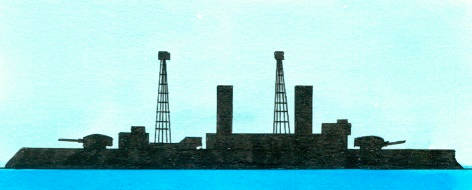
Soviet battleship Marat not participating in Baltic exercises according to report No. 10295 dated 4 January 1939 of the American Military Attaché at Riga, Latvia

Marat. ©Warshipsresearch.blogspot.com

In his report dated Riga, Latvia 4 January 1939 No. 10295 dealing with the Soviet Baltic Fleet in the Training Season 1938 used the American Military Attaché major G.B. Guenther a so-called reliable source. The battleship Marat was lying during the whole spring in the outer dock at Kronstadt so not active.(1)

Note

1. Part of the Gangut-class, preceded by Andrei Pervozvanny class, succeeded by Imperatritsa Mariya class, laid down by Baltic Works, Saint Petersburg, Russia on 16 June 1909, launched on 22 September 1911, commissioned on 5 January 1915, renamed Marat on 31 March 1921, again Petropavlovsk on 31 May 1943, Volkhov on 28 November 1950 and broken up after September 1953.

Source

National Archive. Record Group 165: Records of the War Department General and Special Staffs Series: Security Classified Correspondence and Reports. File Unit. Russia: Navy - MID 2503-16 THRU 2503-265. Roll 1443.

Tuesday, 1 September 2026

The Russian light cruiser Kirov seen completed according to report No. 10295 dated 4 January 1939 of the American Military Attaché at Riga, Latvia

Kirov©Warshipsresearch.blogspot.com

The new half complete cruiser Kirov last season seen already active was for the first time seen on 12 May 1938 completed. In the winter were six long range anti aircraft guns mounted on both beams (2x3) of the af tunnel, fitted out with shields of unknown calibre. In the fore mast was fitted out with a rotating tower with 3 rangefinders, probably of 6 metres. No catapult sighted.(1)

Note

1. Part of Kirov- or Project 26-class light cruisers, sometimes also called Maxim Gorky-class, preceded by Admiral Nakhimov-class succeeded by Chapayev-class. Based on Italian Ansaldo Raimondo Montecuccoli-class. Laid down by Ordzhonikidze Yard, Leningrad, Russia with yard number 269 on 22 October 1935, launched on 30 November 1936, commissioned on 26 September 1938 and sold to be broken up on 22 February 1974. Displacement 7,890 (standard)-9,436 (full load) tons, speed 41.36 (trials)-35.94 knots and main armament 3x3-18cm/7.1”guns. 

Sunday, 30 August 2026

Ultimate fate of Russian battleship Mikhail Frunze still unknown according to report No. 10295 dated 4 January 1939 of the American Military Attaché at Riga, Latvia

Gangut-class battleship©Warshipsresearch.blogspot.com

In his report dated Riga, Latvia 4 January 1939 No. 10295 dealing with the Soviet Baltic Fleet in the Training Season 1938 used the American Military Attaché major G.B. Guenther a so-called reliable source.The hull of the battleship Mikhail Frunze (ex-Poltava) was still lying on the same spot at the Baltic Shipyard, Leningrad. There was none information about her ultimate fate known: refitted or broken up.(1)

Note

1. Part of the Gangut- or Sevastopol-class preceded by Andrei Pervizvanny-class, succeeded by Imperatritsa Mariya-class, laid down by Admiralty Shipyard, Saint Petersburg, Russia on 16 June 1909, launched on 23 July 1911, commissioned on 30 December 1914, in Boshewik hands since 1917, decommissioned in October 1918, used as barracks ship, conversion into an aircraft carrier considered in 1924, proposal to commission her as floating battery and reconstructing her in time as battleship dated 31 January 1930, conversion into a floating battery cancelled on 9 July 1939, renamed Frunze on 7 January 1926, stricken on 1 December 1940 and broken up since 1949.

Source

National Archive. Record Group 165: Records of the War Department General and Special Staffs Series: Security Classified Correspondence and Reports. File Unit. Russia: Navy - MID 2503-16 THRU 2503-265. Roll 1443.
Saturday, 29 August 2026

Latvian merchant ship Talvadis sunk by enemy aircraft according to the War Cabinet Weekly Résumé No. 45of the Naval, Military and Air Situation 4-12 July 1940

An item reported that on 9 July the Latvian merchant ship Talvadis, tonnage 4,952 tons, loaded with ... , underway from ... to ... was sunk by a bomb dropped by an aircraft off Start Point, Of the crew were 12 men saved, 1 wounded. Part of small coastal convoy

Source

National Archive UK. CAB-66-9-42. 

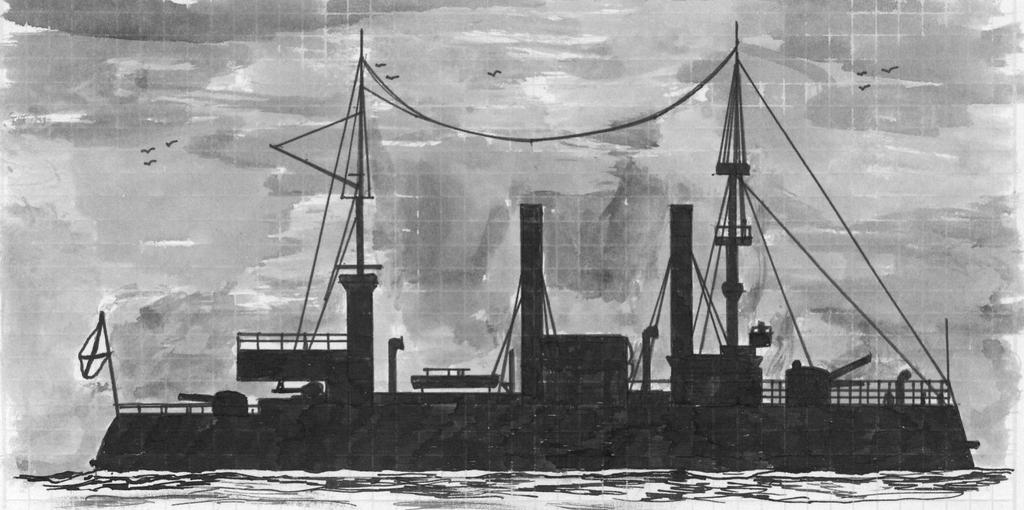
Soviet battleships Oktyabrskaya Revolutsiya and Marat in August 1938 according to report No. 10295 dated 4 January 1939 of the American Military Attaché at Riga, Latvia

Marat©Warshipsresearch.blogspot.com

Oktyabrskaya Revolutsiya©Warshipsresearch.blogspot.com

In his report dated Riga, Latvia 4 January 1939 No. 10295 dealing with the Soviet Baltic Fleet in the Training Season 1938 used the American Military Attaché major G.B. Guenther a so-called reliable source. In August participated the two battleships Oktyabrskaya Revolutsiya(1) and Marat (2) in several exercises.

Notes

1. Part of Gangut-class preceded by Andrei Pervozvanny class succeeded by Imperatritsa Mariya class. Laid down by Admiralty Works, St. Petersburg, Russia on 16 June 1909, launched on 20 October 1911, commissioned on 11 January 1915, in Bolshevik hands in November 1917, laid up in 1918, renamed on 25 June 1925, modernized between 1931-1934, training ship since 24 July 1954, stricken in 1956 and breaking up started.

2. Part of the Gangut-class, preceded by Andrei Pervozvanny class, succeeded by Imperatritsa Mariya class, laid down by Baltic Works, Saint Petersburg, Russia on 16 June 1909, launched on 22 September 1911, commissioned on 5 January 1915, renamed Marat on 31 March 1921, again Petropavlovsk on 31 May 1943, Volkhov on 28 November 1950 and broken up after September 1953.

Source

National Archive. Record Group 165: Records of the War Department General and Special Staffs Series: Security Classified Correspondence and Reports. File Unit. Russia: Navy - MID 2503-16 THRU 2503-265. Roll 1443.
Tuesday, 25 August 2026

Several types of Soviet submarines of the Baltic Fleet sighted in July 1936 according to report No. 9697 dated 8 February 1937

An item referred to the report of the US Marine Attaché  Riga, Latvia dealing with the training exercises of the Soviet Baltic Fleet in July 1936 and which was based on a reliable source. It supplemented the report dealing with June 1936 No. 9680-7040. Totally 35 submarines were sighted namely the 260, 266,6 Bolshevik-class, 3 Dekabrist-class, 4-Shchuka-class, L 55, Spartakovets, 6 Lin-class, 6 M-class with a length of 35 meters and 3 P-class with a lengthof 75 metres.

Source

National Archive. Record Group 165: Records of the War Department General and Special Staffs Series: Security Classified Correspondence and Reports. File Unit. Russia: Navy - MID 2503-16 THRU 2503-265. Roll 1443.
Wednesday, 5 August 2026

Soviet patrol vessels of the Baltic Fleet sighted in August 1936 according to report of the American Military Attaché at Riga, Latvia No. 9711 dated 19 February 1937

An item referred to the report dealing with the trainingexercises of the Soviet Baltic Fleet in August 1936. It supplemented the reports 9697-7040 and 9699-7040. Three S-destroyers were in August sighted while in operation. The three patrol vessels of the new type mentioned in the July1936 report were now executing trial trips.

Source

National Archive. Record Group 165: Records of the War Department General and Special Staffs Series: Security Classified Correspondence and Reports. File Unit. Russia: Navy - MID 2503-16 THRU 2503-265. Roll 1443.
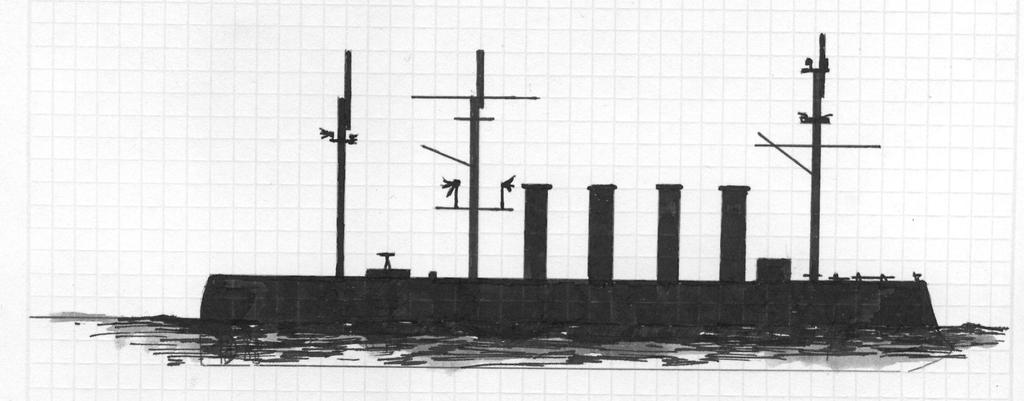
Repairs of Russian battleship Marat stopped according to report of the American Military Attaché at Riga, Latvia No. 10295 dated 4 January 1939

Marat. ©Warshipsresearch.blogspot.com

In his report dated Riga, Latvia 4 January 1939 No. 10295 dealing with the Soviet Baltic Fleet in the Training Season 1938 used the American Military Attaché major G.B. Guenther a so-called reliable source. In June were the annual repairs of the battleship Marat delayed for some reason and she was commissioned on 1 June 1938.(1)

Note

1. Part of the Gangut-class, preceded by Andrei Pervozvanny class, succeeded by Imperatritsa Mariya class, laid down by Baltic Works, Saint Petersburg, Russia on 16 June 1909, launched on 22 September 1911, commissioned on 5 January 1915, renamed Marat on 31 March 1921, again Petropavlovsk on 31 May 1943, Volkhov on 28 November 1950 and broken up after September 1953.

Source

National Archive. Record Group 165: Records of the War Department General and Special Staffs Series: Security Classified Correspondence and Reports. File Unit. Russia: Navy - MID 2503-16 THRU 2503-265. Roll 1443.
Monday, 3 August 2026

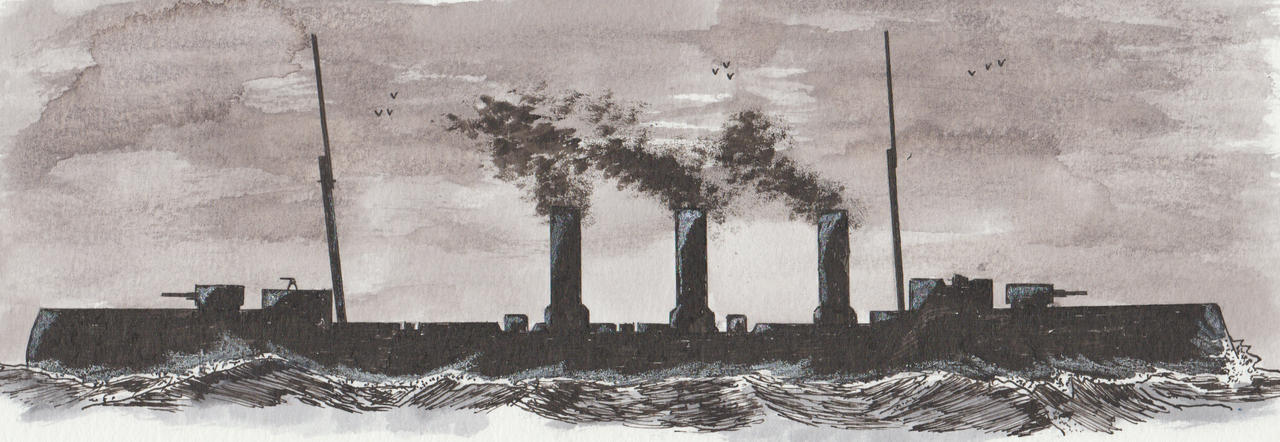
Assembly in Russia of German built submarines in 1925

In a report dated Riga, Latvia 31 May 1925 No. 4694 was referred to report 4511 (2503-176) dealing with German built submarines and assembled in Russia and to be added to the Black Sea Fleet. This could partially be confirmed using a reliable source. It were six submarines which was fairly well established although several reports claimed a number of 8 which was doubtful. Identification numbers of the submarines while under construction of the ways were reported as O.O. 2-6 plus one more which was unnumbered. It was unclear if the boats were assembled at Kronstadt or at the Putiloff works. Two more were reported named Panter and Tigr (ex-Kommissar and Kommunar) with a speed of 10/15 knots but this could no be confirmed.

Source

National Archive. Record Group 165: Records of the War Department General and Special Staffs Series: Security Classified Correspondence and Reports. File Unit. Russia: Navy - MID 2503-16 THRU 2503-265. Roll 1443.
Friday, 31 July 2026

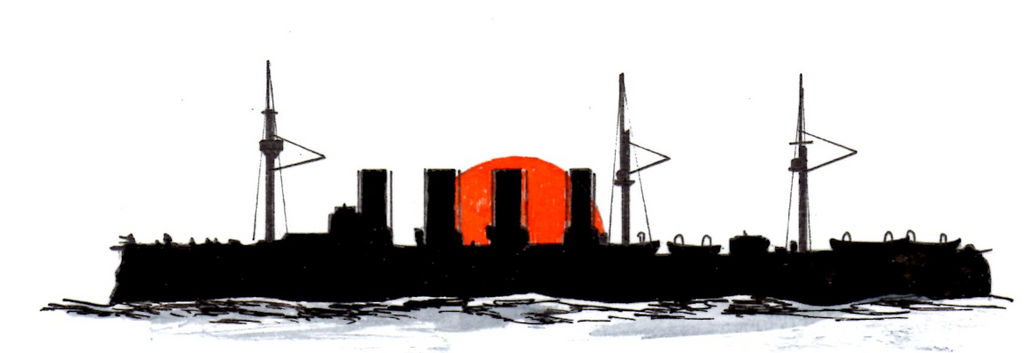
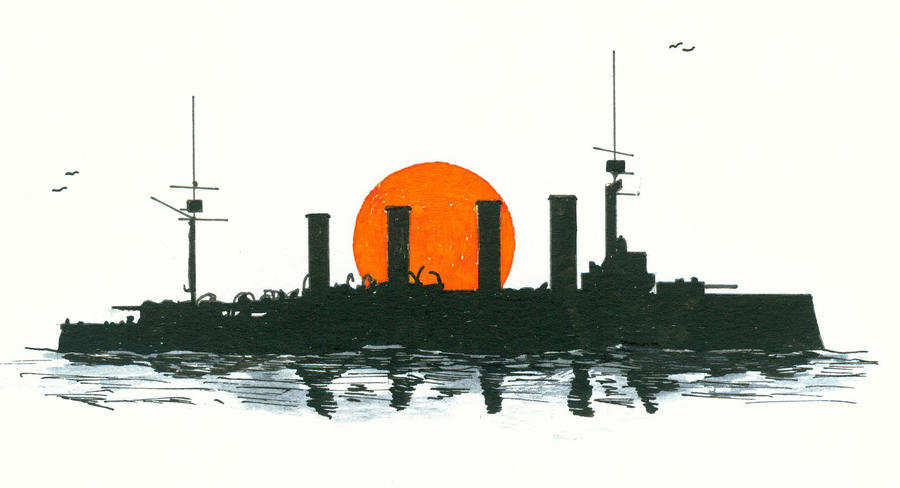
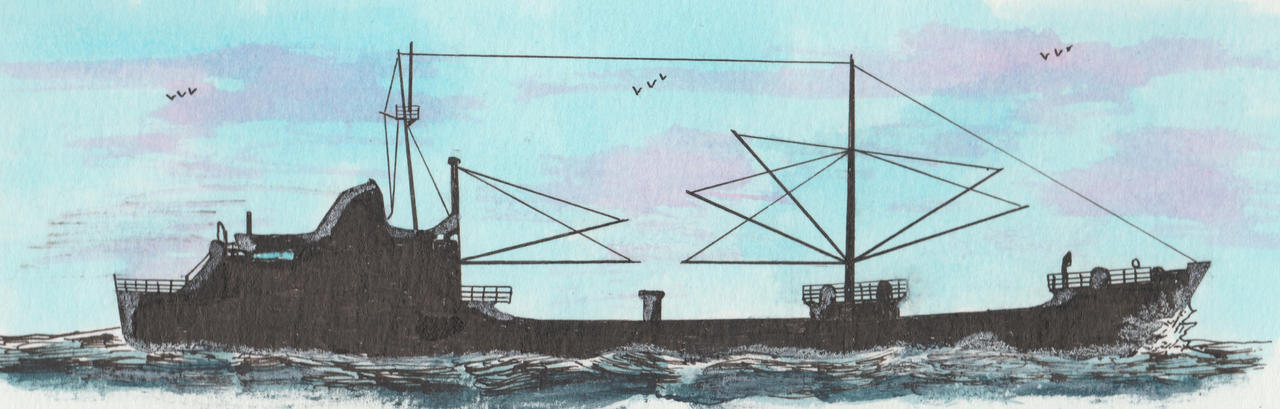
Russian Bolsheviks intending to sell old warships to the German Navy in April 1922?

armoured cruiser Rurik (1905)©Warshipsresearch.blogspot.com

Bogatyr-class cruiser (1905)©Warshipsresearch.blogspot.com

Model Maritiem Museum Hamburg, Germany

A report from the Military Observer at Riga, Latvia dated 25 April 1922 reported the possible sale of warships by the Russian Bolsheviks to Germany referring to an earlier report No. 2482. According to a reliable source were to be sold to representatives of the German navy under arrangement made by Koning all old ironclads excluded the Zarya Svobodi, all old cruisers excluded the Rurik and Bogatyr and all the destroyers of the former 8th Division which were boats of the French type. Koning arrived at Reval [Tallinn, Estonia] on board of the icebreaker Ermak [also called Yermak and Jermak] on 2 March leaving to Berlin on 8 March. If the conditions were approved, was the proposal to transfer the ships to German in early May.

Source

National Archive. Record Group 165: Records of the War Department General and Special Staffs Series: Security Classified Correspondence and Reports. File Unit. Russia: Navy - MID 2503-16 THRU 2503-265. Roll 1443.

Thursday, 30 July 2026

Russian naval officer Gasabov according to a report from the Military Observer at Riga, Latvia dated 22 July 1921

Model Maritiem Museum Hamburg, Germany

The information was received from the Latvian General Staff and considered to be reliable. In fact few was known dealing with the personnel of the Central Institutions except that the majority in authority were former naval officers already officers prior to the First World War. The descriptions of the officers were supplied by a former high officer of the Imperial Russian Navy which now stayed in Latvia. Former senior lieutenant. “Commander of the [icebreaker] Yermak (April 1921); has occupied this post 6 to 8 years; a very experienced icebreaker captain; was serving on that ship as far back as the time of admiral Makarov.”(1)

Note

1. Also called Ermak en Jermak. Laid down by Armstrong Whitworth, Low Walker Shipyard, Newcastle-on-Tyne, England with yard number 684 in 1897, launched on 17 October 1898, completed in 1899, decommissioned in 1963 and broken up in 1964. Displacement 8,730 tons and as dimensions 97.5 x 21.6 x 7.3 metres. Four shaft vertical expansion steam propulsion with 6 boilers and 9,000 hp a speed of 12 knots. Crew numbered 102 men.

Source

National Archive. Record Group 165: Records of the War Department General and Special Staffs Series: Security Classified Correspondence and Reports. File Unit. Russia: Navy - MID 2503-16 THRU 2503-265. Roll 1443.
Tuesday, 28 July 2026

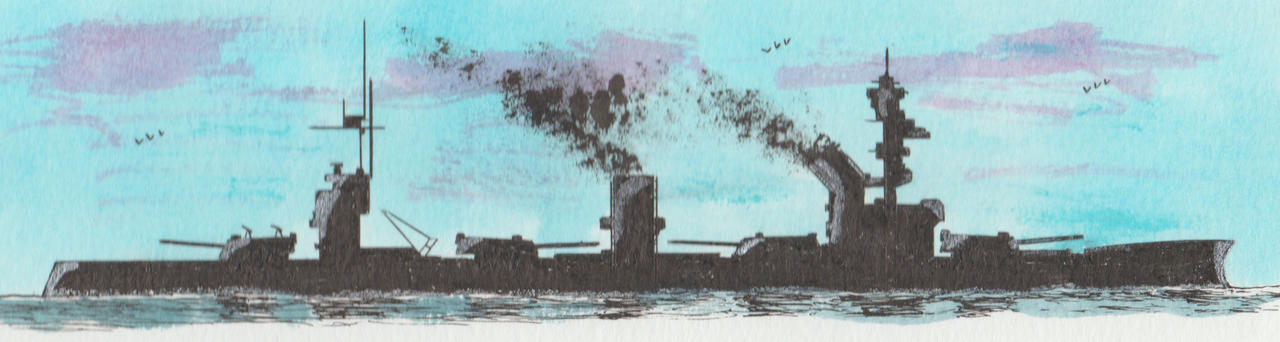
Russian naval officer Nemitz according to a report from the Military Observer at Riga, Latvia dated 22 July 1921

The information was received from the Latvian General Staff and considered to be reliable. In fact few was known dealing with the personnel of the Central Institutions except that the majority in authority were former naval officers already officers prior to the First World War. The descriptions of the officers were supplied by a former high officer of the Imperial Russian Navy which now stayed in Latvia.

“Former I-class captain Nemitz, commander of the Navl Forces of the Republic since May 1921, a very able officer, served mostly in the Black Sea, was not particularly popular.”(1)

Note

1. Aleksandr Vasilivich Nemits (26 July 1979 Cotiujeni, Berrabia Governate-1 October 1967 Yalta, Ukraine), served in the navy between 1899-1947 ending in the rank of vice admiral. Chief-in-commander of the Black Sea Fleet in 1917, Minister of Marine of the Ukrainian Stae since 30 September 1918, commander of the Soviet Navy since February 1920.

Sources

National Archive. Record Group 165: Records of the War Department General and Special Staffs Series: Security Classified Correspondence and Reports. File Unit. Russia: Navy - MID 2503-16 THRU 2503-265. Roll 1443.
Wikepedia

Saturday, 18 July 2026

Russian naval officer Patton according to a report from the Military Observer at Riga, Latvia dated 22 July 1921

The information was received from the Latvian General Staff and considered to be reliable. In fact few was known dealing with the personnel of the Central Institutions except that the majority in authority were former naval officers already officers prior to the First World War. The descriptions of the officers were supplied by a former high officer of the Imperial Russian Navy which now stayed in Latvia. Former 2nd class captain. “Chief of the Kronstadt base (April 19210; a fine officer, able and experienced; held positions of command throughout the war [First World War]; command first a division of destroyers and, subsequently, a brigade of light cruisers.”

Source

National Archive. Record Group 165: Records of the War Department General and Special Staffs Series: Security Classified Correspondence and Reports. File Unit. Russia: Navy - MID 2503-16 THRU 2503-265. Roll 1443.

Friday, 10 July 2026

Russian naval officer Vonljarljarski according to a report from the Military Observer at Riga, Latvia dated 22 July 1921

Sevastopol©Warshipsresearch.blogspot.com

The information was received from the Latvian General Staff and considered to be reliable. In fact few was known dealing with the personnel of the Central Institutions except that the majority in authority were former naval officers already officers prior to the First World War. The descriptions of the officers were supplied by a former high officer of the Imperial Russian Navy which now stayed in Latvia. Former 2nd class captain. “Commander of the reserve vessels at Petrograd in 1920; in command of the [batteship] Sebastopol up to February 1921.(1) No good as man and officer; after the Japanese war [1904-1905] he was dismissed from the service on a verdict of an Officers’ Court, for stealing a gold watch from a lady.”

Note

1.  Sevastopol 1909-1917, Parizhskaya Kommuna 1917-1943 and Sevastopol 1943-1956. Laid down by Baltic Works, St. Petersburg, Russia on 16 June 1909, launched on 10 July 1911, commissioned on 30 November 1914, In Bolshevik hands and renamed Parizhskaya Kommuna in November 1917, laid up between 1918-17 September 1925, modernized 1930s, renamed Sevastopol in 1943, training ship since 1954 and broken up 1956-1957.

Source

National Archive. Record Group 165: Records of the War Department General and Special Staffs Series: Security Classified Correspondence and Reports. File Unit. Russia: Navy - MID 2503-16 THRU 2503-265. Roll 1443.
Monday, 6 July 2026

Russian naval officer A.V. Makarov according to a report from the Military Observer at Riga, Latvia dated 22 July 1921

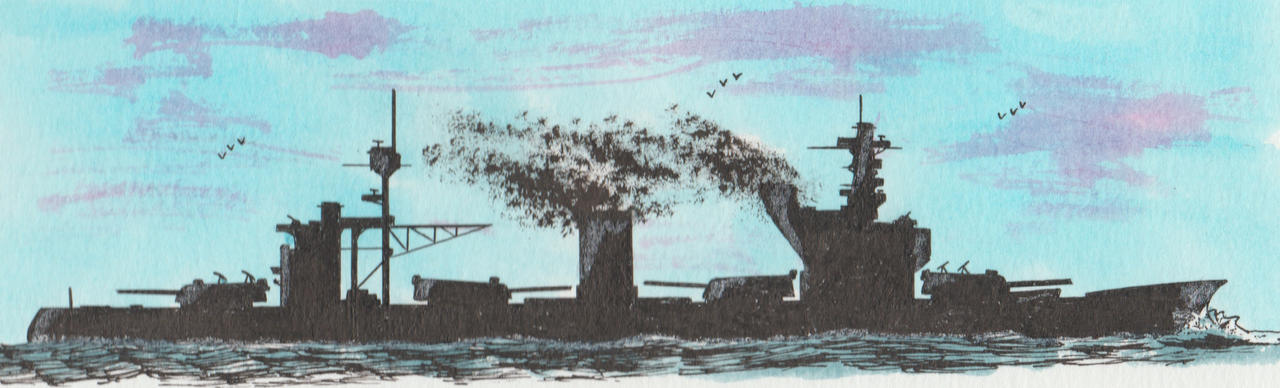
Gangut-class battleship©Warshipsresearch.blogspot.com

The information was received from the Latvian General Staff and considered to be reliable. In fact few was known dealing with the personnel of the Central Institutions except that the majority in authority were former naval officers already officers prior to the First World War. The descriptions of the officers were supplied by a former high officer of the Imperial Russian Navy which now stayed in Latvia. Former 2nd class captain. “Commander of the [battleship] Petropavlovk (April 1921) (1); a fine officer; good gunner; was in command of a destroyer during the war; also commanded prior to his present appointment the V Destroyer Division; very nervous and sickly; poses as an anarchist.”

Note

1. Part of the Gangut-class, preceded by Andrei Pervozvanny class, succeeded by Imperatritsa Mariya class, laid down by Baltic Works, Saint Petersburg, Russia on 16 June 1909, launched on 22 September 1911, commissioned on 5 January 1915, renamed Marat on 31 March 1921, again Petropavlovsk on 31 May 1943, Volkhov on 28 November 1950 and broken up after September 1953.

Source

National Archive. Record Group 165: Records of the War Department General and Special Staffs Series: Security Classified Correspondence and Reports. File Unit. Russia: Navy - MID 2503-16 THRU 2503-265. Roll 1443.

Friday, 3 July 2026

Russian naval officer Baron Maydell according to a report from the Military Observer at Riga, Latvia dated 22 July 1921

The information was received from the Latvian General Staff and considered to be reliable. In fact few was known dealing with the personnel of the Central Institutions except that the majority in authority were former naval officers already officers prior to the First World War. The descriptions of the officers were supplied by a former high officer of the Imperial Russian Navy which now stayed in Latvia. Former 2nd class captain. “Commander of the Trawling Division (April 1921); mental capacities middling; very lazy; no force of character; no will-power.”

Source

National Archive. Record Group 165: Records of the War Department General and Special Staffs Series: Security Classified Correspondence and Reports. File Unit. Russia: Navy - MID 2503-16 THRU 2503-265. Roll 1443.