Translate

Showing posts with label Scouts. Show all posts

Friday, 18 September 2026

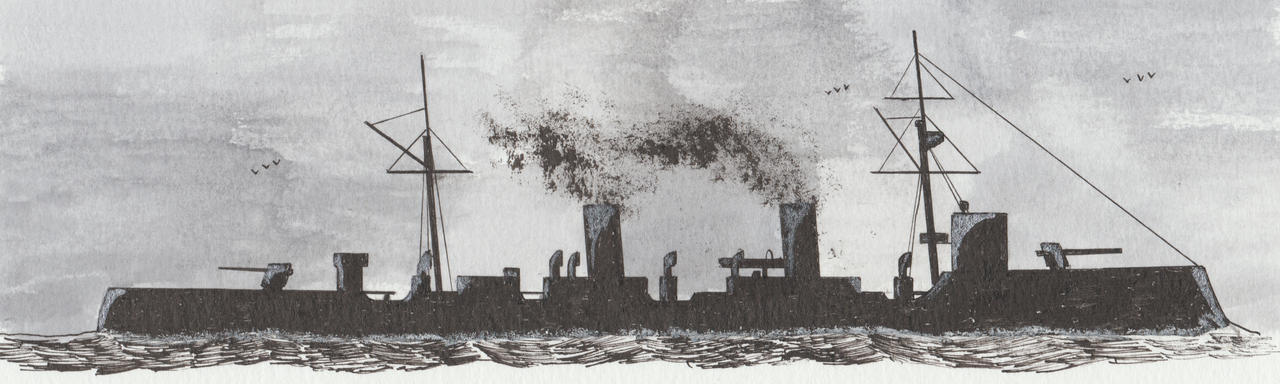
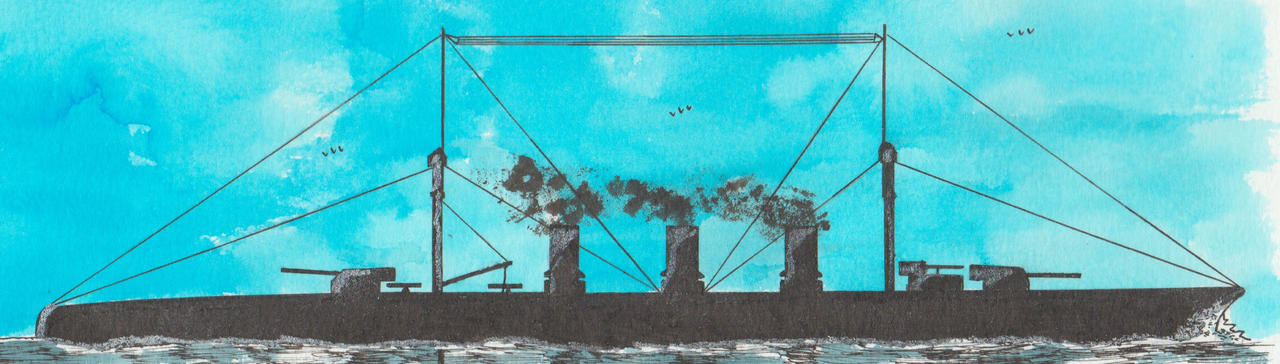
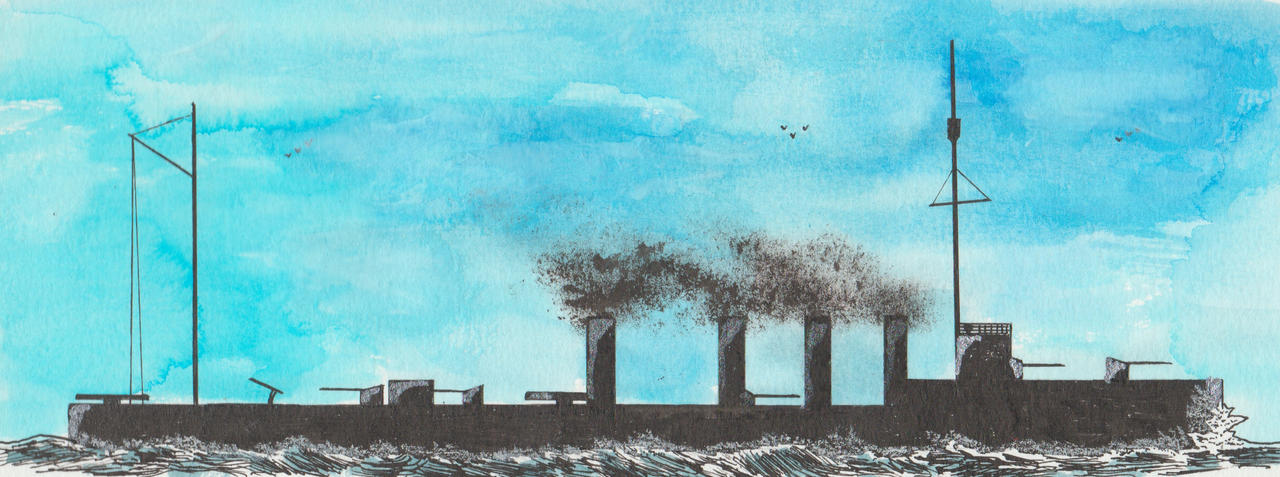
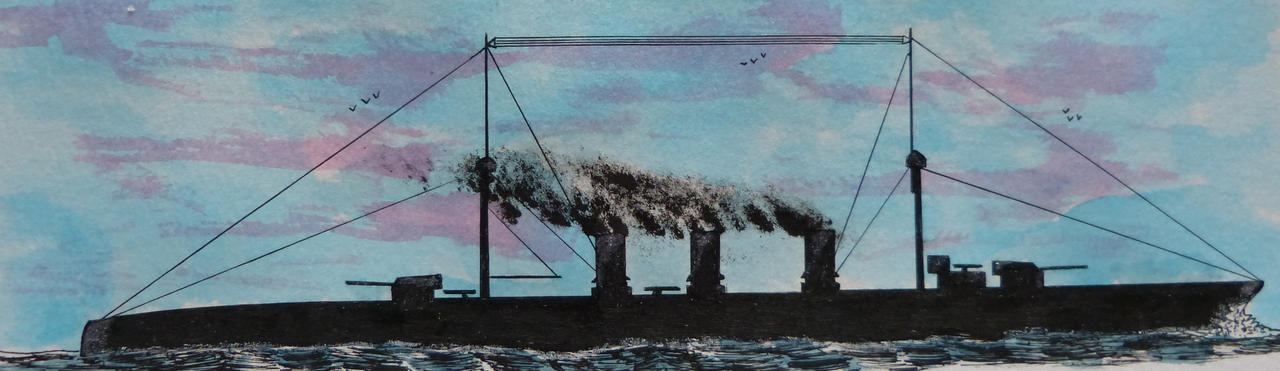
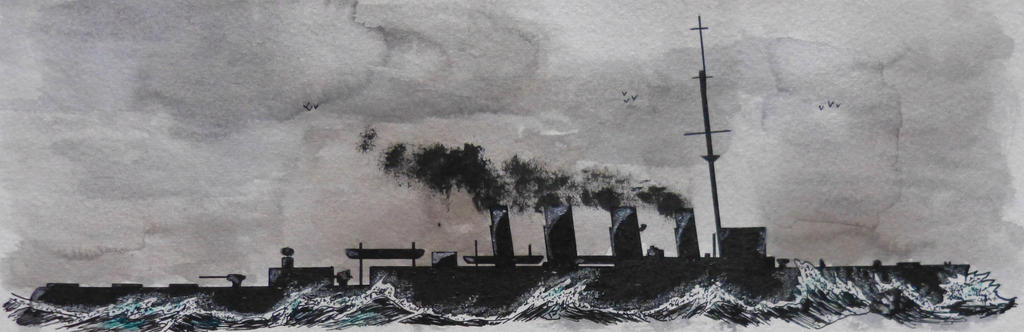
Peruvian scout cruiser BAP Coronel Bolognesi 1905-1958

Coronel Bolognesi©Warshipsresearch.blogspot.com

Part of Coronel Bolognesi-class consisting of the Coronel Bolognesi and Almirante Grau. Building authorized by president of Peru in 1904, ordered in 1905, contract signed on 19 June 1905, laid down by Vickers Sons Armstrong&Maxim Limited, Barrow-in-Furness, United Kingdom with yard number 331in 1905, launched on 24 September 1906, delivered on 1 March 1907, commissioned in 1907, decommissioned and stricken in 1958. 

Saturday, 15 August 2026

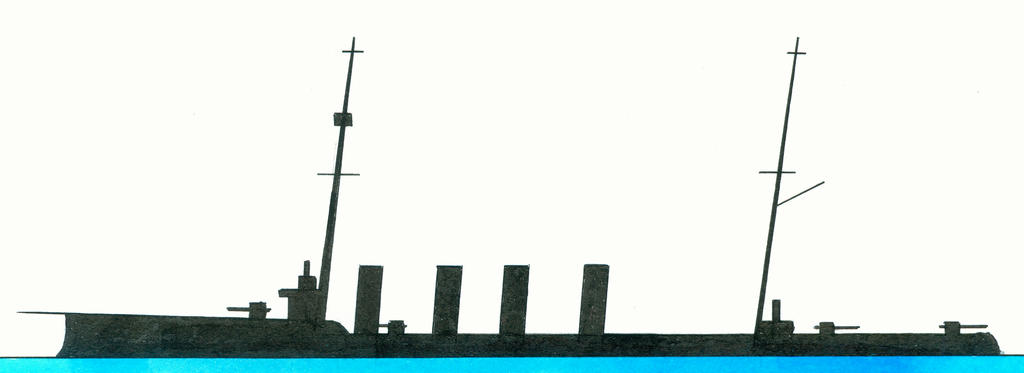
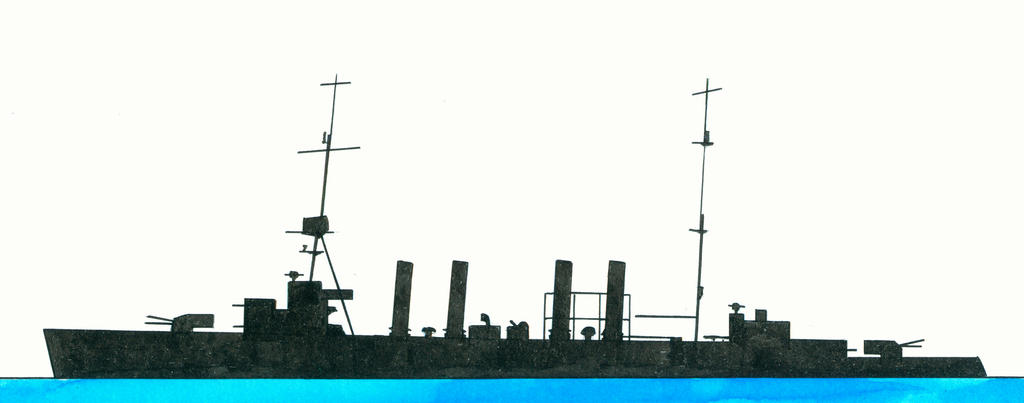
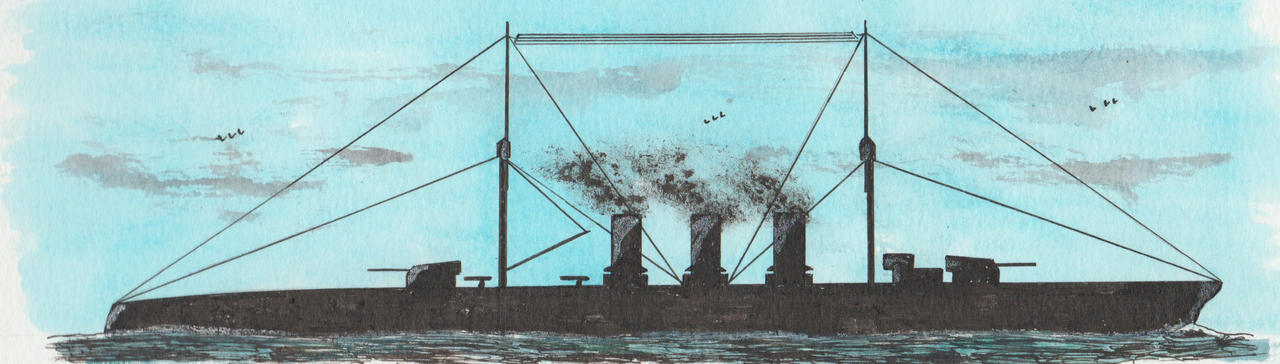
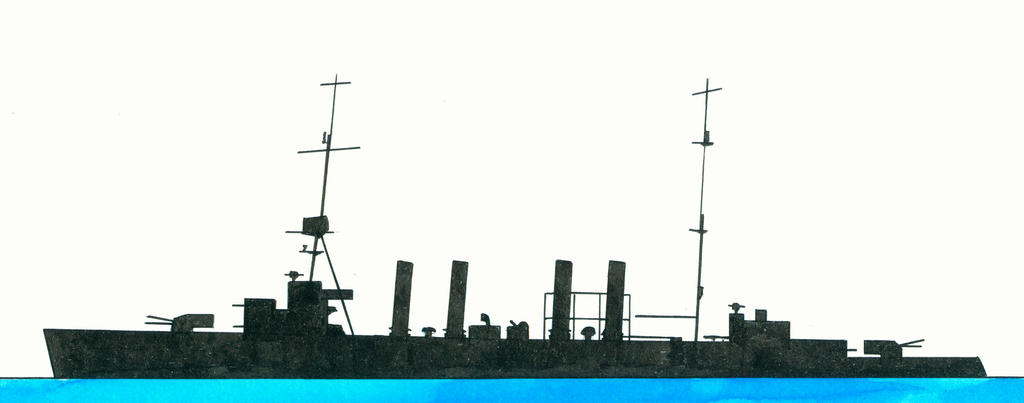
British scout cruiser HMS Adventure 1904-1920

Part of Adventure-class succeeded by Forward-class. Laid down by Armstrong Whitworth, Elswick, Tyne and Wear on 7 January 1904, launched on 8 September 1904, launched on 8 September 1904, commissioned in October 1905, decommissioned on 12 August 1919 and sold to be broken up on 3 March 1920.

Wednesday, 17 June 2026

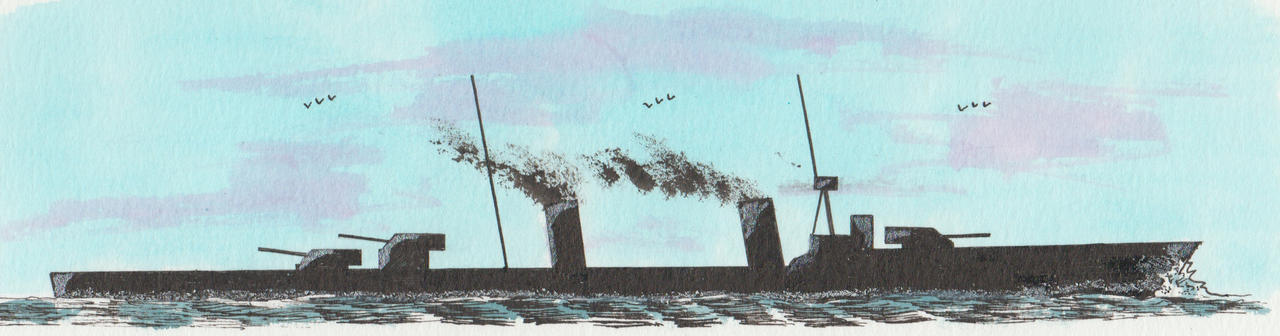
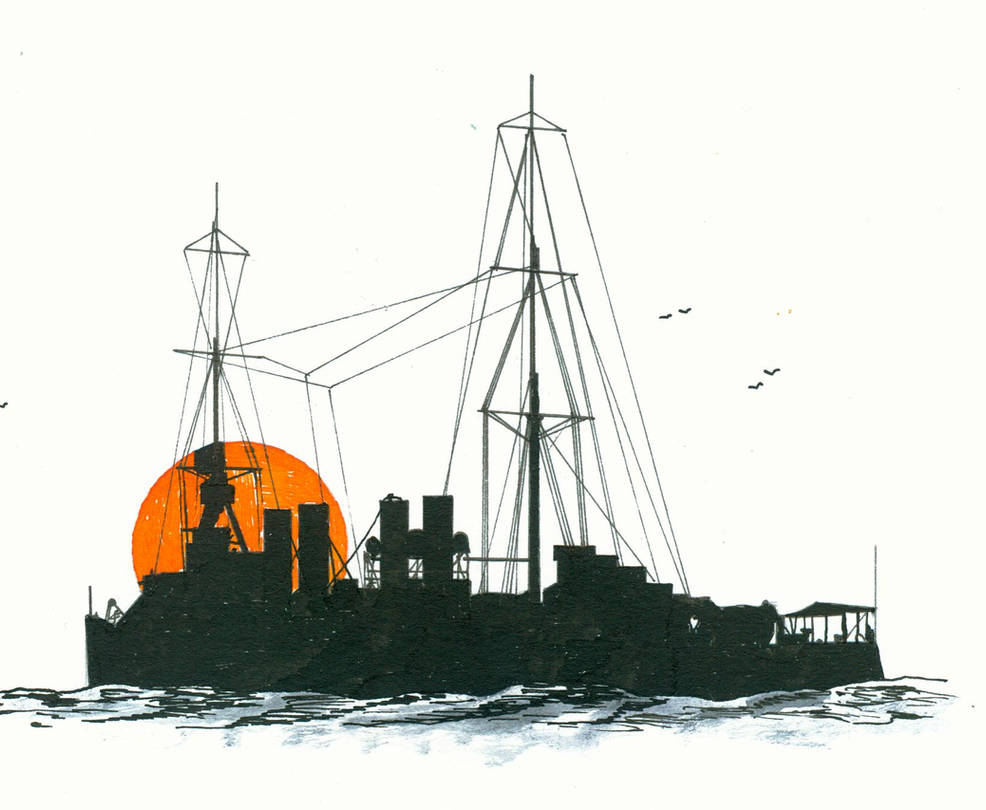
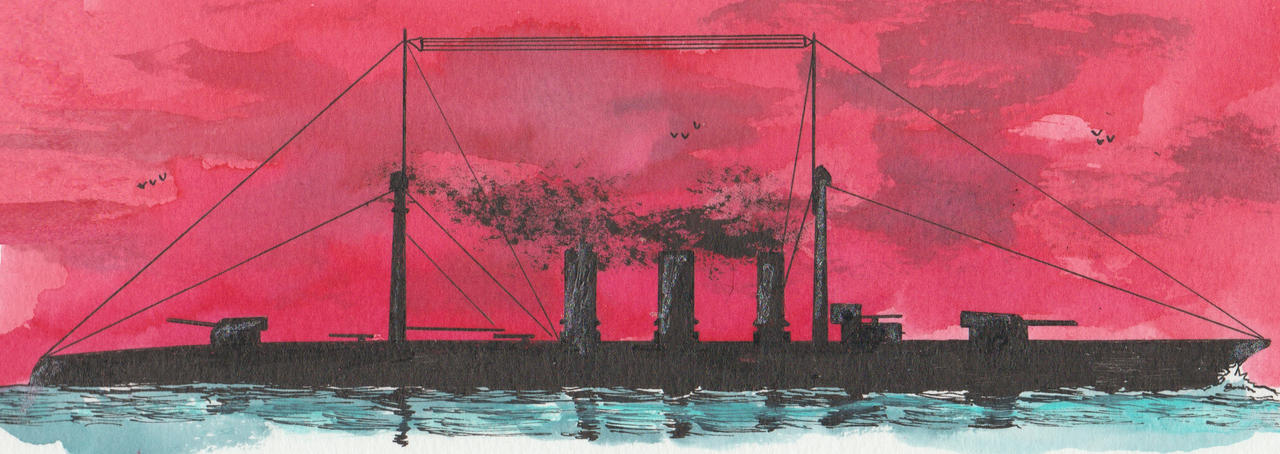
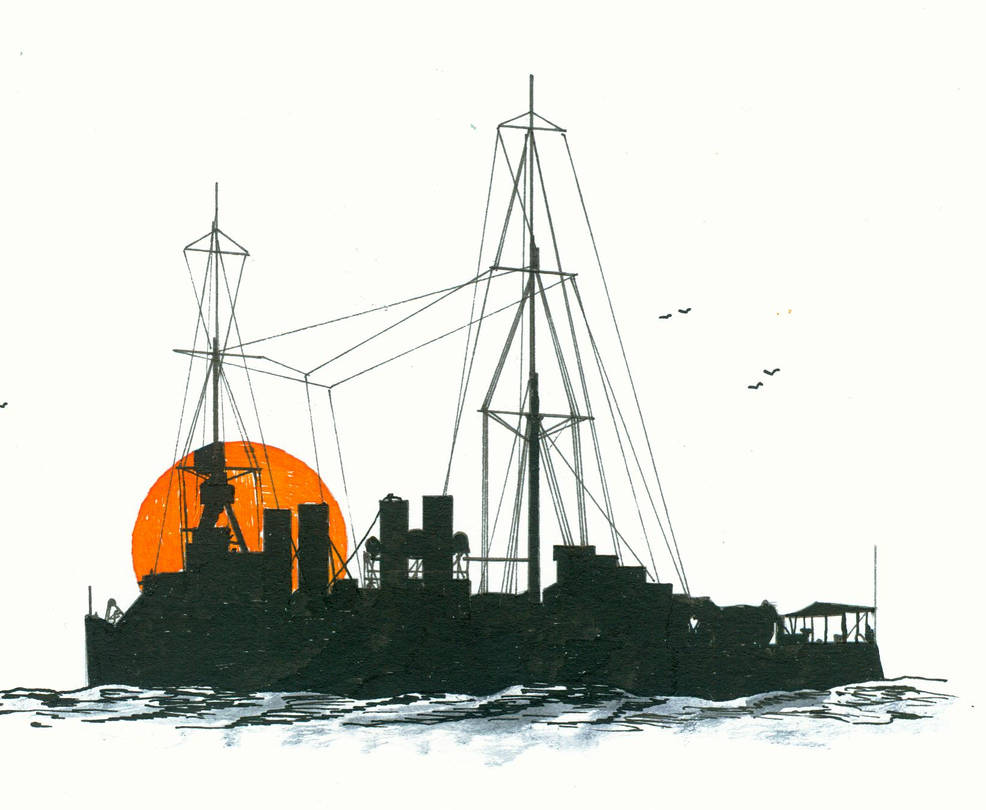
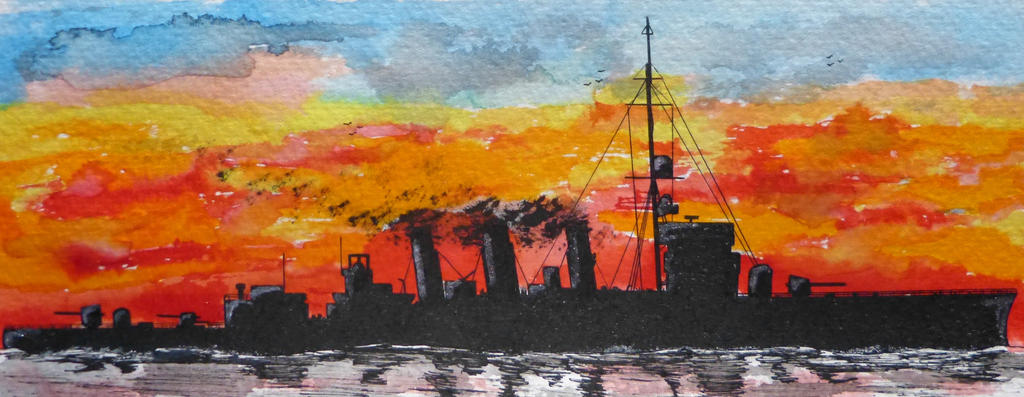
Peruvian scout cruiser BAP Almirante Grau 1905-1958

Coronel Bolognesi©Warshipsresearch.blogspot.com

Part of Coronel Bolognesi-class consisting of the Coronel Bolognesi and Almirante Grau. Building authorized by president of Peru in 1904, ordered in 1905, contract signed on 29 November 1905, laid down by Vickers Sons Armstrong&Maxim Limited, Barrow-in-Furness, United Kingdom with yard number 344 in 1905, launched on 27 March 1906, delivered on 19 November 1907, commissioned in 1907, decommissioned and stricken on 24 June 1958. 

Friday, 10 April 2026

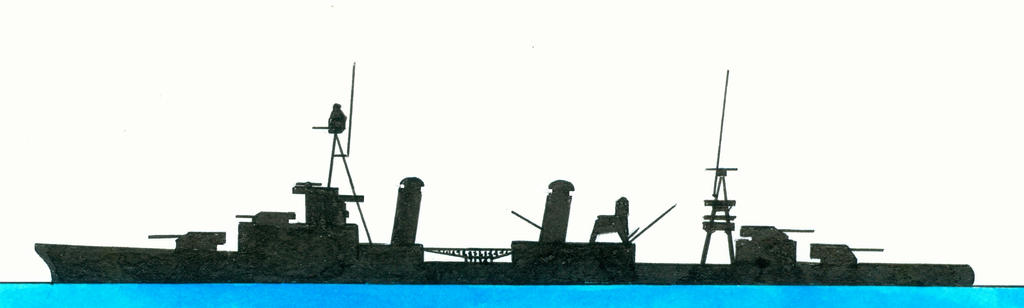
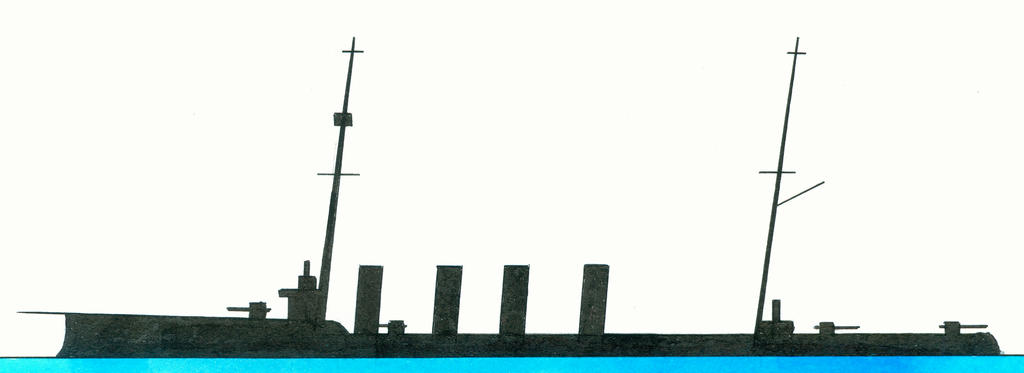
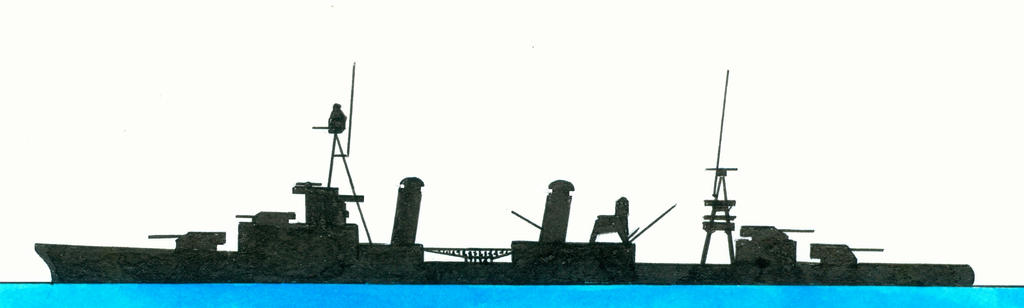
Brazilian cruiser Bahia lost in July 1945

An item reported that on 9 July the Brazilian light cruiser Bahia was lost in an explosion North East of Recife probably caused by hitting a mine. More as 100 crewmembers managed to reach Fernando Noronha and others were saved by British, American and Brazilian ships.(1)

Note

1. Part of Bahia-class based on the British Adventure-class scout cruisers laid down under the 1904 naval building program by Armstrong Whitworth, Newcastle-upon-Tyne, England with yard number 809 on 19 August 1907, launched on 20 January 1909, commissioned on 21 May 1910, modernized in mid-1920s and sunk on 4 July 1945. Sources supplying different numbers of the losses, but clear is that just a few men were saved but over the 300 killed.

Source

The National Archives, Kew Gardens, England CAB-66-67-28 Weekly Résumé (No. 306) of the naval, military and air situation from 0700 5th July to 0700 12th July 1945. 

Monday, 23 February 2026

Portugal interested in acquiring three scouts in 1910

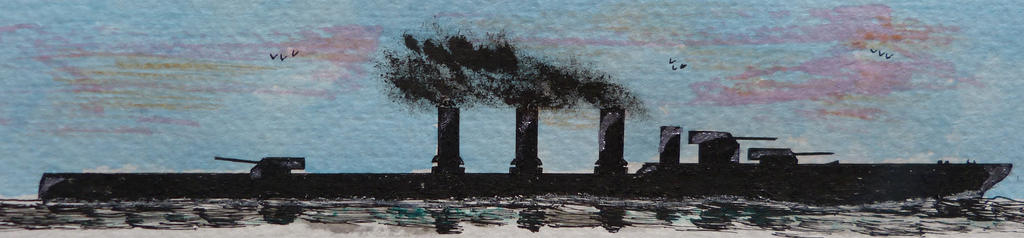
Austro-Hungarian scout cruiser Admiral Spaun. ©Warshipsresearch.blogspot.com

With a letter of the US Legation at Lisbon dated 18 December 1911 received the Secretary of State a translation of a proposal of the Portuguese Minister of Navy dealing with increasing the fleet as published in the Diaro de Noticias. The plan could only be realized with a foreign loan so interested bankers needed active support of their governments. It included the building of three scouts of 3,500 tons each, maximum horsepower 22,000 hp and a speed of 27 knots. The armour was to consist of about 6cm at the sides and a 2cm thick protected deck.Armament 4-12cm cal 50 guns, 4-7.6cm cal 50 guns and 2 torpedo tubes. Cost of each scout 1,600,000.000 dollars, total cost 4,800,000.00 dollars. Scouts were to be of the Admiral Spaun type with slight alterations.

Note

1. Austro-Hungarian scout cruiser SMS Admiral Spaun, laiud down by Pola Navy Yard, Pola [nowadays Pula, Crotia] on 30 May 1908, launched on 30 October 1909, commissioned on 15 Novemnber 1910, transferred to State of Slovenes, Croats and Serbs on 31 October 1918, seized by Italian forces on 9 November 1918, handed over to the Allied powers on 10 November 1918, ceded to the United Kingdom in 1920 and sold to be broken up in Italy executed between 1920-1921.

Source

Record Group 64: Records of the National Archives and Records Administration Series: Records of the Department of State Relating to Internal Affairs of Portugal. Military Affairs and the Army: 853.20 - 853.206/7 THRU Naval Affairs, Navy, Naval Vessels: Equipment and Supplies: 853.34 - 853.348. Microcopy 705 roll 13

Monday, 24 November 2025

Preliminary design for an American 35 knots scout cruiser dated 7 January 1921

Design scout cruiser ©Warshipsresearch.blogspot.com

USS Pensacola. ©Warshipsresearch.blogspot.com

USS Northampton. ©Warshipsresearch.blogspot.com

Part of the design process of the USS Pensacola-class (CL-24)-class built under the Fiscal Year 1926 and part of a set of 5 alternative designs presented to the General Board in March 1921. Dimensions 610 (waterline) x 57 (waterline) x 26 feet and a displacement of 10,750 ton. Maximum speed 35 knots with 64,000 ehp, range 8,000 miles/10 knots. Five boiler rooms, 15 boilers.Armament of 8-8” guns (2x3&1x2), 2x3-21” torpedo tubes dk, 8-3” guns and 4-4” anti aircraft guns.(1)

Note

1. Part of Pensacola-class succeeded by Northampton-class. Ordered on 18 December 1924, contract awarded on 7 March 1925, supplementary contract on 9 July 1926, laid down by New York Navy Yard, Brooklyn, New York, USA on 27 October 1926, launched on 25 April 1929, completed on 9 July 1929, commissioned on 6 February 1930, decommissioned on 26 August 1946 and finally sunk as a target on 10 November 1948.

Source

U.S. Naval History and Heritage Command. Bureau of Ships Spring Styles Book 1 1911-1925 S-584-171. 

Wednesday, 8 October 2025

Preliminary design of an American scout cruiser dated 9 March 1916

Design scout crruiser. ©Warshipsresearch.blogspot.com


American Omaha-class light cruisers. ©Warshipsresearch.blogspot.com

Sent to the Office of the Secretary of the Navy in early March 1916 as a result of the General Boards’s meeting of 19 Ocrober 1915, after the design was modified approved by the Navy Department on 22 April 1916 and used as basic design for thr Omaha scout cruiser-class built under the Fiscal Year 1917. Displacement 6,750 tons and as dimensions and as dimension 550.0 (on waterline) x 55.4 (on waterline) x 13.0 feet. Turbine reduction gear populsion and 4 boiler rooms. Range 10 knots/10,000 nautical miles. Armament of 6x-6” guns, 21” twin deck type 2 torpedo tubes, 2-3” high power anti aircraft guns and 2 automatic anti aicraft guns. Main side belt armor extreme width 19’ amidships, depth below waterline 6.0’ Conning tower proper and tube thickness 60”s.t.s., fire control tower thickness 50”s.t.s. Protective deck total thickness 60”.

Normal displacement 6,850 tons included:

Hul complete and with fittings 3,213 tons

Protection 288 tons

Steam engineering 1,636 tons

Reserve feed 2/3 supply 100 tons

Battery 210 tons

Ammunition and 2/3 ordnance stores 209 tons

Equipment and 2/3 equipment stores 183 tons

Outfit and 2/3 stores 205 tons

Oil fuel, 2/3 fuell supply 800 tons

Source

Bureau of Ships Spring Styles Book 1 1911-1925 S-584-170. 

Tuesday, 16 September 2025

Preliminary design No. 131 for an American scout cruiser dated May 1915

©Warshipsresearch.blogspot.com

Part of a series of threefor investigating the needed characteristics for such a type ot be built in the future. Displacement 20,500 tons and as dimensions 775 (waterline) x 79 (waterline) x 22 feet. Block coefficient .533, longitudinal coefficient .592. Turbine propulsion with 10 boiler rooms, maximum speed 35 knots/77,000 ehp and range 12,000 nautical miles/10 knots. Armament 2x2-16” B.L.R. guns, 7-5” quick firing uns and 4-3” anti aircraft guns. Main side armor belt extreme width 17.6-depth below waterline 5.0 feet-thickness 4”. Total thickness protective deck 1 1/2”.


Normal displacement 20,500 tons:

Hull completeand fittings 9,528

Protection 1,087

Steam enginering 4,920

Reserve feed, 2/3 supply 1,028

Battery, ammunition and 2/3 ordnance stores 1,325

Equipment and 2/3 equipment stores 616

Outfit and 2/3 stores 676

Oil fuel 2.3 full supply 1,320

Source

Naval History and Heritage Command Spring Styles Book 1911-125 S-584-070

Sunday, 3 August 2025

Austrian scout cruiser SMS Novara 1912-1920 (Thionville 1920-1941)

Admiral Spaun. ©Warshipsresearch.blogspot.com

Saida of Novara-class. ©Warshipsresearch.blogspot.com

Thionville. ©Warshipsresearch.blogspot.com

Part of Novara-class preceded by Admiral Spaun. Laid down by Danubius on 9 December 1912, launched on 15 February 1913, commissioned on 10 January 1915, ceded to France in 1920, renamed Thionville, training ship between 1920-1932, barracks ship at Toulon, France between 1932-1941 and broken up. 

Thursday, 31 July 2025

Austrian scout cruiser SMS Saida 1911-1920 (Venezia 1920-1937)

Admiral Spaun. ©Warshipsresearch.blogspot.com

Saida of Novara-class. ©Warshipsresearch.blogspot.com

Part of Novara-class preceded by Admiral Spaun. Laid down by CNT, Montfalcone, Italy on 9 September 1911, launched on 26 October 1912, completed on 1 August 1914, ceded to Italy on 19 September 1920, renamed Venezia, barracks ships in the 1930s, stricken on 11 March 1937 and broken up in 1937. 

Thursday, 6 March 2025

Design for an American scout cruiser dated April 1915 No. 118

©Warshipsresearch.blogspot.com

Prepared for the General Board discussions dealing with the needed characteristics for future cruisers. Third design of totally 12. Never realized. Dimensions 720 (waterline) x 69 (waterline) x 18.6 feet. Displacement 14,350 tons. Block coefficient .543. Longitudinal coefficient .608. Speed 35 knots with as horsepower 62,500 ehp. Cruising radius 10 knots/12,000 miles. Turbine propulsion with 8 boiler rooms. Armament of 2x2-30.48cm/12” BLR guns, 7-12.7cm/5” quik firing guns and 4-7.62cm/4” anti aircraft guns.

Weight summary normal condition

Hull complete and fittings 6,703

Steam engineering 3,990

Reserve feed 2/3 supply 834

Battery and ammunition and 2/3 ordnance stores 853

Equipment and 2/3 equipment stores 430

Outfit and 2/3 stores 474

Oil fuel 2/3 full supply 1,066

Normal displacement 14,350 ton

Monday, 30 December 2024

American battle cruiser design No. 143 dated 1 July 1915

©Warshipsresearch.blogspot.com

Requested by the General Board probably to get an impresssion of the cruiser of the future. Never built, lacked any side armour protection. If the machinery available for scouts (10ehp/ton) was satisfactory could a side armour belt of 3.75 be added in way of machinery and magazines. Dimensions 725 (waterline) x 90.0 (waterline) x 30.6 feet. Block Coefficient .527. Longitudinal coefficient .538. Speed 30 knots. Range 10 knots/8,000 nautical miles. Horsepower 41,900 ehp at 30 knots. Turbine propulsion. Number of boiler rooms 7. Armament 3x2-16”B.L.R. guns, 14-15.4cm/6” guns, 4-7.62cm/3” anti aircraft guns and 4-53.34cm/21” torpedo tubes. Heavy part of barbettes protected by 14” armour, gun turrets 16” (port)10 (sides)-5” (top)-9 ” (rear), heavy parts of conning tower 16”and protective deck in way of machinery and magazines only 5”/

Normal displacement 30,00 tons

Hull complete with fittings 14,737

Protection 3,327

Steam engineering 6,210

Reserve feed 2/3 supply 655

Battery 1,275

Ammunition and 2/3 ordnance stores 1,076

Equipment and 2/3 equipment stores 500

Outfit and 2/3 stores 710

Oil fuel 23 full supply 1,510

Source

U.S. Naval History and Heritage Command 1911-1925 Spring Styles Book. S-584-081. 

Monday, 30 September 2024

American scout cruiser design dated April 1915 No. 115

 ©Warshipsresearch.blogspot.com

Fourth design of a set of 31 designs for General Board discussions about characteristics of future cruisers, however not a single ship was built using these designs. Displacement 12,600 tons and as dimensions 700 (waterline) x 60 (waterline) x 19 feet. Block coefficient .553 and longitudinal coefficient .614. Turbine propulsion, 56,000 ehp at a speed of 35 knots and range 12,000 nautical miles/10 knots. Seven boiler rooms. Heavy part of barbettes protected by 6” thick armour. Armament consisted of 38 officers and 524 men with berthing and messing facilities for another 1,000 men. Able to carry 6 planes with her and fitted out with a launching catapult on the quarter deck. Armament consisted of 2x2-30.48cm/12” 50 cal guns, 7-15.2cm/6” quick firing guns and 4-7.5cm/3” anti aircraft guns.

Weight summary normal condition displacement 12,600 tons

Hull complete with fittings 5,438

Protection 964

Steam engineering 3,572

Reserve feed 2/3 supply 747

Battery 514

Ammunition and 2/3 ordnance stores 408

Equipment and 2/3 equipment stored 306

Outfit and 2/3 stores 351

Oilfuel 2/3 full supply 900

Source

United States Navy Department. Bureau of construction and repair Spring Styles Book No. 1 1911-1925

Thursday, 27 June 2024

American preliminary design for a scout cruiser dated April 1915

Design scout cruiser April 1915. Warshipsresearch.blogpost.com


Omaha. Warshipsresearch.blogpost.com

Pensacola-class. Warshipsresearch.blogpost.com

Made for the General Board to discuss the need for future cruisers but never realized. Instead was chosen for a design using destroyer design principles resulting in the Omaha scout cruiser #4-class. In 1919 was started to develop a cruiser larger than the Omaha-class which became the Pensacola-class.

Displacement 22,850 tons and as dimensions 800(waterline) x 80(waterline) x 23.6”feet. Block coefficient .536. Longitudinal coefficient .591. Turbine propulsion with 10 boiler rooms. Speed 35 knots. Cruising range at 12 knots=12,000 nautical miles. Horsepower at 35 knots=78,300 ehp. Armament 4-30.5 cm/12” B.L.R. guns, 7-12.7cm/5” quick firing guns, 4-7.62cm/3” anti aircraft guns and neither torpedo tubes or nets. Armour. Main side belt extreme width 17.6, depth below waterline 5.0 and thickness 8”. Total thickness protective deck 1.2”.

Weight summary normal condition:

Hull complete with fittings 10,915

Protection 2,175

Steam engineering 5,000

Reserve feed 2/3 supply 1,045

Battery, ammunition and 2/3 ordnance stores 853

Equipment and 2/3 equipment stores 686

Outfit and 2/3 stores 754

Oil fuel, 2/3 supply 1,422

Normal displacement 22,850

Source

Naval History and Heritage Command. Spring Styles Book I design no. 120. 

Monday, 27 May 2024

British scout cruiser HMS Boadicea 1908-1926

Part of Boadicea-class preceded by Sentinel-class succeeded by Blonde-class. Laid down by Pembroke Royal Dockyard on 1 June 1907, launched on 14 May 1908, completed in June 1909, decommissioned on 18 February 1920 and sold to be broken up on 13 July 1926.


Saturday, 20 April 2024

British cruiser HMS Fearless 1911-1921

Active-class. Warshipsresearch.blogspot.com
Arethusa-class. Warshipsresearch.blogspot.com

British Active-class scout cruisers, succeeded by Arethusa-class. Slightly improved preceding Blonde-class cruisers, main difference was the new 'plough now.’ The cruisers were to act with destroyer flotillas but were already quick obsolete due the increasing speeds of the destroyers. Building ordered under the 1910 Naval Programme, laid down at the Pembroke Royal Dockyard on 15 November 1911, launched on 12 June 1912, commissioned in October 1913 and sold to be broken up on 8 November 1921.

Normal displacement 3,390 tons and as dimensions 123.4 (over all) x 12,5 x 4,4 metres or 405 x 41 x 14.6 feet. Steam turbine propulsion with 2 Parsons steam turbine sets and 12 Yarrow boilers, 18,000 shp, speed 25 knots and range 4,630 nautical miles.10 knots. Crew numbered 293 men. Armour a 1,3-2,5cm (0.5-1”) thick deck and a conning tower protected by 10.2cm/4”. Armament 10x1-10.2cm/4” guns, 4x1-4.7cm/1.9”.3 pounder quick firing guns (2 removed in 1918) and 2x1-45cm/18” torpedo tubes. 

Wednesday, 17 April 2024

American design for a scout cruiser dated 15 October 1919

Scout cruiser design. Blogspot.com

USS Pensacola. Blogspot.com

To be built under the Fiscal Year 1920 but used in the discussions to develop the plans for the USS Pensacola CL-24 (1) under the Fiscal Year 1926. The turrets aft were seperated compared with the Arrangement I for a better damage resistance. Armament 2x2&1x3-20.32cm/8” 50 cal guns, 2x2-12.7cm/5” 51 cal and 4-7.62cm/3” anti aircraft guns. Displacement 10,000 tons and as dimensions 60 (waterline) x 57 (waterline) x 37 (depth amidships) x 18.95 (normal) feet, Freeboard stem 31.05, amidship 18.05-stern 17.05. Speed 36 knots.

Note

1. Building ordered on 18 December 1924, contract dated 7 March 1925, supplementary contract dated 9 July 1926, laid down by New York Navy Yard, Brooklyn, New York, USA on 27 October 1926, launched on 25 April 1929, completed on 6 July 1929, commissioned on 6 February 1930, reclassified as CA-24 onn 1 July 1931, stricken on 28 November 1945 and sunk as a target on 10 November 1948. Armament 2x3&2x2-20.3cm/8" call 55, 8-12.7cm/5" anti aircraft guns, 2-47mm/1.9"/3 pound saluting guns and 2x3-53.3cm/21" torpedo tubes. Part of Pensacola-class heavy cruisers succeeded by Northampton-class.

Source

Naval History and Heritage Command, S-584-159 Scheme C-5 Arrangement III. 

Friday, 12 April 2024

British cruiser HMS Amphion 1911-1916

Active-class. Warshipsresearch.blogspot.com
Arethusa-class. Warshipsresearch.blogspot.com

Active-class scout cruisers, succeeded by Arethusa-class. Slightly improved preceding Blonde-class cruisers, main difference was the new 'plough now.’ The cruisers were to act with destroyer flotillas but were already quick obsolete due the increasing speeds of the destroyers. Building ordered under the 1910 Naval Programme, laid down at the Pembroke Royal Dockyard on 15 March 1911, launched on 4 December 1911, completed in March 1913 and sunk after striking a mine laid by the German auxiliary minelayer SMS Königin Luise on 6 August 1916. 

American scout cruiser design dated May 1915

Warshipsresearch.blogspot.com

Part of a group of three designs for further research in topics as armament, protection and size on behalf of the discussions in the General Board. Normal displacement 26,800 tons and as dimensions 800 (waterline) x 88 (waterline) x 26 feet. Block coefficient .533 and longitudinal coefficient .592. Turbine propulsion with 12 boiler rooms, 92,500 ehp at 35 knots, range 12,000 nautical miles/10 knots. Main side belt armor 17.6 (extreme width)-5.0 (below waterline) feet and 8” thickness. Total thickness of protective deck 3”. Armament 2x2-40.64cm/16” b.l.r. guns, 7-12.7 cm/5” quick firing guns and 4-7.62cm/3” anti aircraft guns.

Normal displacement 26,800 tons:

Hull complete with fitttings 12,671 tons

Protection 2,470 tons

Steam engineering 5,910 tons

Reserve feed 2/3 supply 1,235 tons

Battery, ammunition and 2/3 ordnance stores 1,325 tons

Equipment and 2/3 equipment stores 868 tons

Oil fuel 2/3 full supply 1,532 tons

Source

Naval History and Heritage Command, S-584-071 design No. 132. 

Wednesday, 20 December 2023

Italian light cruiser Scipione Africano launched at Leghorn, Italy in 1941

The consul at Leghorn, Italy reported on 16 January the launching on the 12th of the second of four vessels (new light cruisers) at the local shipyard.(1)

Note

1. Scipione Africano of Capitani Romani-class light cruisers, designed as scout cruisers sometimes considered to be heavy destroyers, laid down at the OTO yard at Leghorn on 28 September 1939, launched on 12 January 1941 and completed on 23 April 1943. After the Second World War was she handed over to France in 1948 and renamed S7 and later Guichen. During 1951-1954 rebuilt at the La Seyne dockyard with new anti aircraft guns and fire control equipment. Since 1961 used as training hulk and broken up in 1979.

Source

National Archives USA. Record Group 38: Records of the Office of the Chief of Naval Operations. Series: Secret Naval Attaches Reports. Report dated Naval Attache at Rome dated dated 31 January 1941 No. 59-41. M975-002.