Translate

Showing posts with label Museum ships. Show all posts

Sunday, 25 October 2026

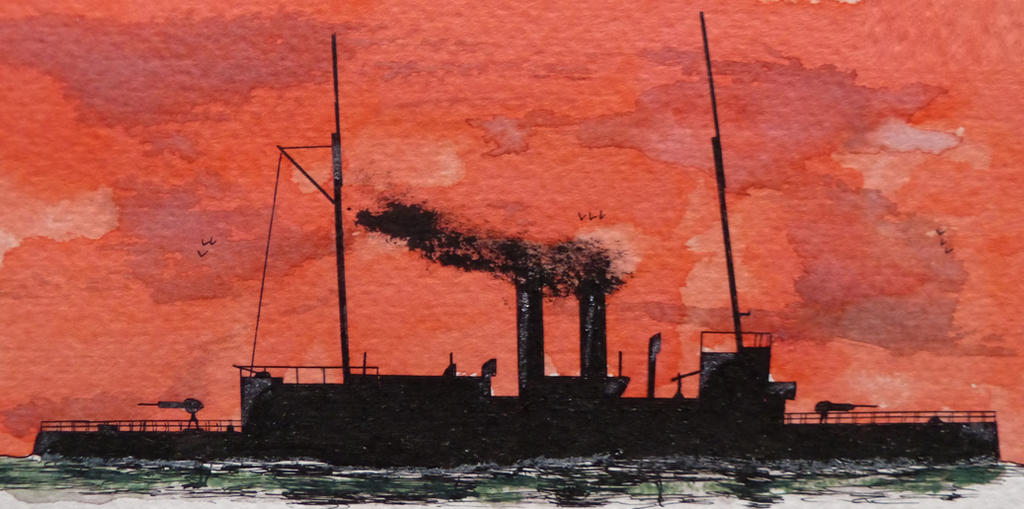
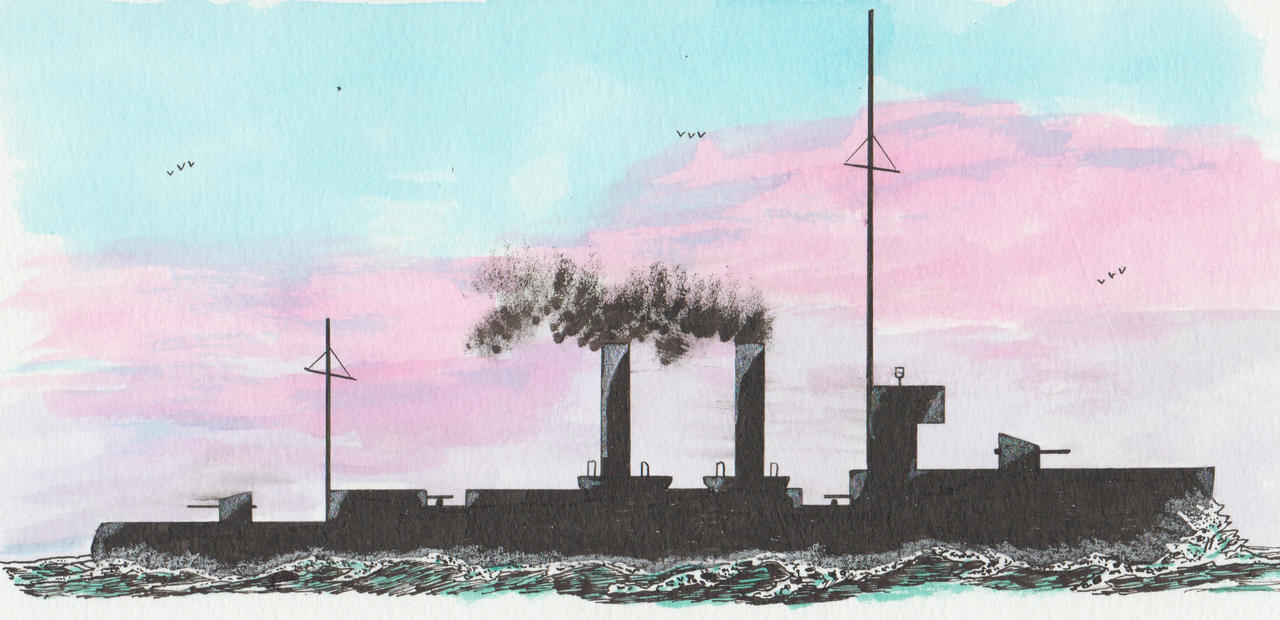
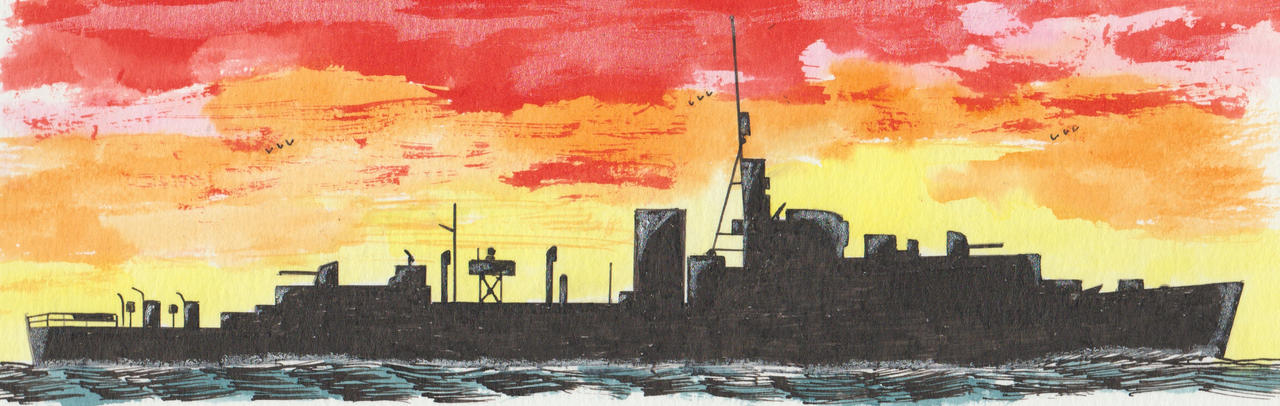
American patrol frigate USS Tacoma PF-3 1943-1945, Soviet EK-11 1945-1949, American USS Tacoma 1949-1951, South Korean Taedong 1951-1973

British River-class-anti submarine frigates ©Warshipsresearch.blogspot.com

American Tacoma-class-patrol frigates. ©Warshipsresearch.blogspot.com

Preceded by the Asheville-class patrol frigates. Originally classified as gunboats (PG) but since 15 April 1943 as patrol frigates. Planned were 100 ships but 4 were cancelled so totally 96 were built between 1943-1945 of which 21 were transferred to the British Royal Navy commissioned as the Colony-class and 28 to the Soviet Union. Based on a design of the British River-class of which the HMS Adur and the HMCS Annan -both built in Canada- were transferred to the USA in 1942 and became the USS Asheville and Natchez of the Asheville-class. The American firm Gibbs&Cox made for the United States Maritime Commission (MARCOM) a modified design S2-S2-AQ1 to meet the American demands and which became the Tacoma-class. Ordered as Type S2-S2-AQ1 hull, MCE hull 1421. Laid down by Permanente Metals Richmond Shipyard 4, Richmond, California, USA with yard number 46 on 10 March 1943, launched on 7 July 1943, commissioned on 6 November 1943, decommissioned on 16 August 1945, transferred to the Soviet Union on 16 August 1945, renamed EK-11, decommissioned and returned to the USA on 16 October 1949, retaining original name, recommissioned on 1 December 1950, decommissioned in October 1951, transferred to South Korea on 9 October 1951, renamed Taedong F-63, decommissioned on 28 February 1973, returned to the USA on 28 February 1973, stricken on 20 April 1973, donated to South Korea on 1 June 1973 and became museum ship. 

Sunday, 4 October 2026

Canadian corvette HMCS Sackville K 181 (1940-nowadays)

Flower-class©Warshipsresearch.blogspot.com


Depth charge of which she carried a hundred with her

Hedgehog or Anti-Submarine Projector, a forward throwing anti-submarine mortar to maximum 24 spigot mortars ahead and which supplemented the depth charges

BL 10.2cm/4" Mk.IX naval gun

Halifax, Nova Scotia 7 September 2026

With our thanks to Dave Easlick for allowing us to publish the photos

Laid down as Patrol Vessel No. 2 by Saint John Dry Dock and Shipbuilding Company Ltd. on 28 May 1940, launched on 15 May 1941, commissioned in the Royal Canadian Navy on 30 December 1941, reassigned for training at HMCS King on 29 August 1944, decommissioned on 8 April 1946, laid up in reserve, reactivated in 1952, converted in to a research vessel in service of the Department of Marine and Fisheries, taken out of service in December 1982, handed over to the Canadian Naval Corvette Trust (since then renamed Canadian Memorial Trust) on 28 October 1983, basically restored to her 1944 appearance became she a museum ship at Halifax, Nova Scotia and recommissioned on 15 May 2026

Part of the Flower-class also known as the Gadiolus-class succeeded by the Castle-class. The German submarines harassed during the Second World War the merchant shipping which seek desperately shelter in convoys escorted by too few warships specialized in anti submarine warfare. To secure a safe passing of the Atlantic Ocean of ships between the USA/Canada and the United Kingdom was a new vessel developed cheap enough to be built in large numbers and with a design simple enough to be built by smaller merchant shipyards. The Smiths Dock Company of South Bank-on-Tees developed her design of the whale catcher Southern Price for that purpose further. The result was a small convoy escort ship that became known as the Flower-class propelled by the in the merchant shipping world well known commercial triple expansion engines familiar to merchant sailors in contrary to steam turbines. The result was that 225 ships using the original and 69 modified design were built in the United Kingdom, 5 (original) and 5 (modified) cancelled and 33 were lost during the Second World War. They served during the war not alone in British and Canadian service but in the navies of several other countries like the Netherlands and Belgium. After the war were they also popular by other navies like Egypt, Argentina and Communist China or in the merchant shipping. In the US Navy was the the Flower-class (original and modified designs) known as the Temptress- and Action gunboats (hull classification PG=patrol gunboat). Despite the large numbers built, survived just one as museum ship namely HMCS Sackville. 

Monday, 21 September 2026

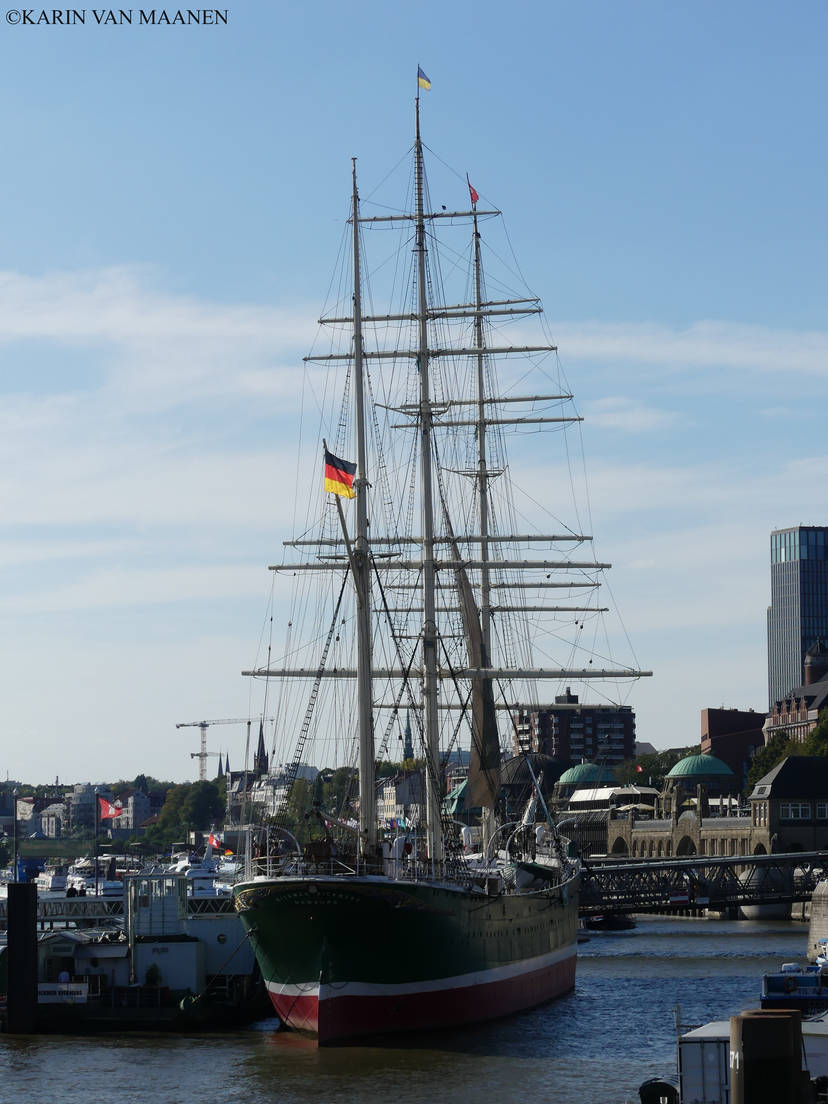
Portuguese warship Sagres visited Tandjong Priok, Dutch East Indies in 1932


As Rickmer Rickmers at Hamburg, Germany 15 September 2023

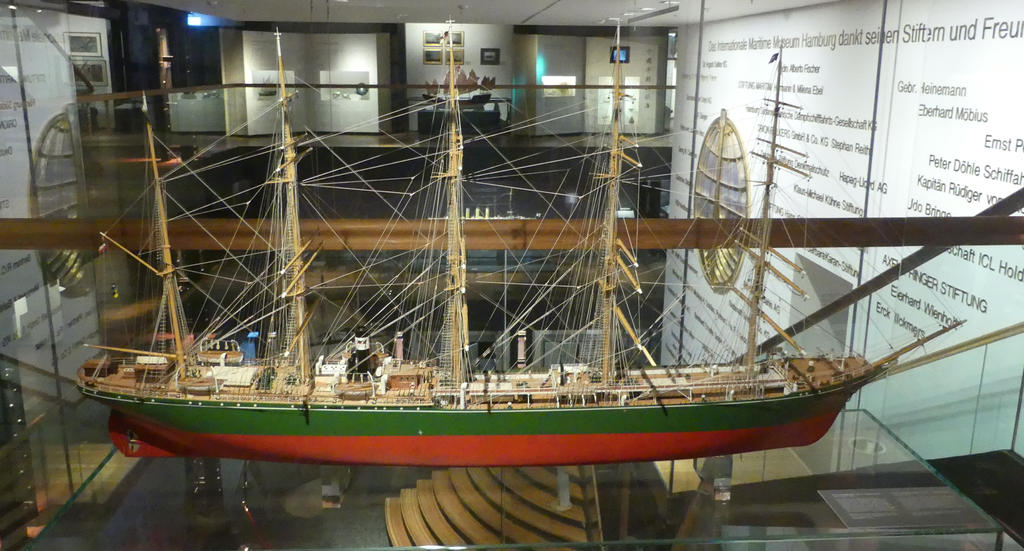
Maritime Museum Hamburg, Germany

The Jaarboek van de Koninklijke Nederlandsche Zeemacht 1931-1932 reported that the Portuguese troop transport Sagres visited Tandjong Priok, Dutch East Indies between 21-24 August 1932. The Dutch newspaper Het nieuws van den dag voor Nederlandsch-Indië dated 27 August 1932 reported her departure on 26 August towards Port Louis [Mauritius?]. Commanded by d’Oliveira. The edition dated 22 August reported her arrival on 21 August coming from Macau, commanded by Sohiveira.(1)

Note

1. Launched as Rickmer Rickmers by Rickmers Shipyard, Bremerhaven in August 1896, renamed Max in 1912, captured by Portuguese government at Horta, Azores in 1916, lent t the United Kingdom and renamed Flores, after the war returned to Portugal, commissioned in the Portuguese navy as NRP Sagres in 1924, renamed Santo André in 1962, hulked and sold in 1983 to the Verein Windjammer für Hamburg e.V., and retained original name as museumship.

Sunday, 20 September 2026

Chinese gunboat Yongfeng 1912-1925 and Zhongshan 1925-

Chu Tung, Chu-class. ©Warshipsresearch.blogspot.com

Yongxiang. ©Warshipsresearch.blogspot.com

Part of Yongfeng-class consisting of the Yongfeng or Yong Feng, Yongxiang or Yong-Siang, Yonghian and Yongji, the latter two built in China with added poop decks. In fact enlarged seagoing versions of the Kiang- anc Chu-classes river gunboats. Launched by Kawasaki, Japan between 1912-1913, sunk on 24 October 1937, salvaged in 1997, restoration was completed in 2011 and since May 2008 a museum ship. 

Sunday, 13 September 2026

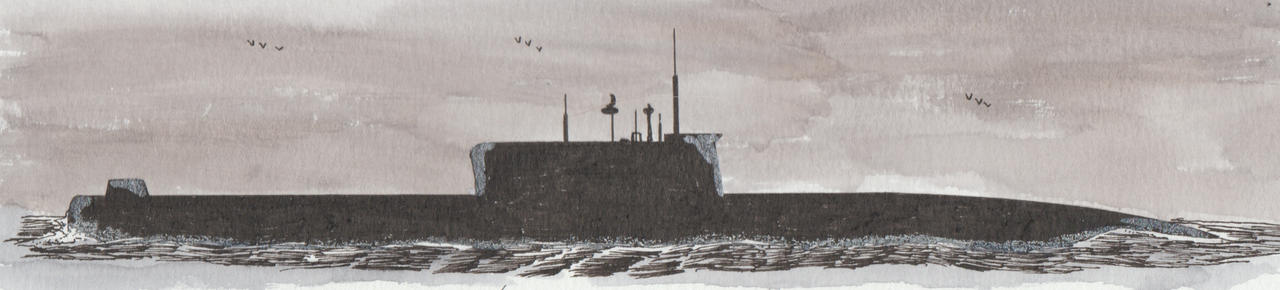
Russian diesel-electric cruise-missile submarine K-24 1961-

Project 659/NATO Echo I-class in SSN configuration. ©Warshipsresearch.blogspot.com

Project 651/NATO Juliett-class. ©Warshipsresearch.blogspot.com

Part of Project 651 named by NATO Juliett-class preceded by Echo-class succeeded by Charlie-class. Designed in end 1950s by a team with as chairman Abram Samuilovich Kassatsier. Building planned of 35 boats but 19 were cancelled and 16 completed. Laid down by Krasnoye Sormovo Shipyard, Gorky on 15 October `96, launched on 15 December 1962, commissioned on 31 October 1965, decommissioned in 1994, sold to Germany and became museumship U-461 at Peenemünde.

Sources

Breyer, S. and N. Polmar. Guide to the Soviet Navy, 2nd edition.

Jordan, J. Soviet submarines 1945 to the present.

Kouznetsov, N. La Marine sovietique en guerre 1941-1945.

Pavlov, A.S. Warships of the USSR and Russia 1945-1995.

Polmar N. and J. Noot. Submarines of the Russian and Soviet Navies 1718-1990.

Schulz-Troge, U. Die sowjetische Kriegsmarine.

Jane’s Fighting Ships several editions.

Warshipsresearch.blogspot.com

Russian Ships Info dated 12 April 2026 19:46 o’clock.

Juliett-class dated 5 May 2026 10:05 o’clock

Wednesday, 2 September 2026

The Russian cruise Aurora according to report No. 10295 dated 4 January 1939 of the American Military Attaché at Riga, Latvia

Original postcard Chocolate Estrella

In his report dated Riga, Latvia 4 January 1939 No. 10295 dealing with the Soviet Baltic Fleet in the Training Season 1938 used the American Military Attaché major G.B. Guenther a so-called reliable source. Between April-May served the old cruiser Avrora already for years as a stationary training vessel. She was now repainted and seen in the harbor of Leningrad and at her usual anchorage at Kronstadt.(1)

Note

1. Part of Pallada-class protected cruisers preceded by Svetlana succeeded by Varvag, ordered in June 1896, laid down by Admiralty Shipyard, St. Petersburg, Russia on 23 May 1897, launched on 11 May 1900, commissioned on 16 July 1903, decommissioned on 17 November 1948 and museum ship since 1956.

Source

National Archive. Record Group 165: Records of the War Department General and Special Staffs Series: Security Classified Correspondence and Reports. File Unit. Russia: Navy - MID 2503-16 THRU 2503-265. Roll 1443.

Tuesday, 25 August 2026

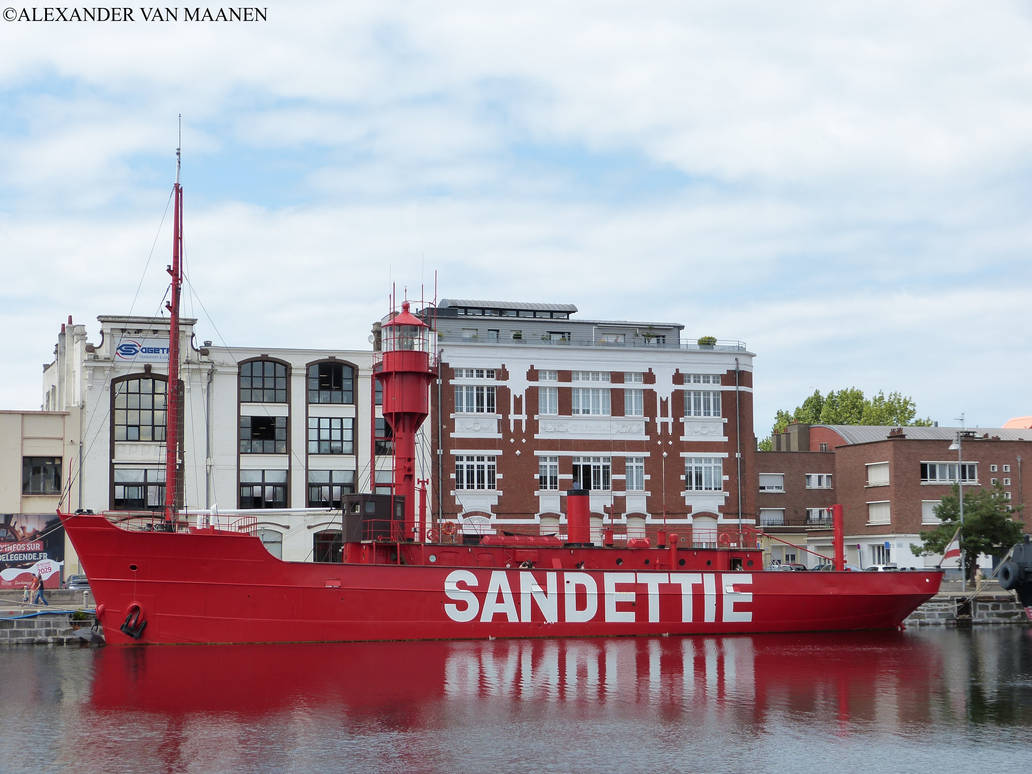
French light ship BF 6 (ex-Dyck 1946-1978) Sandiettié 1978-


Dunkirk, France 27 July 2026

Building by Forges et Chantiers started in 1946, commissioned in 1949 as BF 6 Dyck and since 1978 Sandiettié until June 1989. Owner since 1997 city Dunkirk, monument since 17 March 1997, arrived at Dunkirk on 3 June 1998, restored and since 2007 as museum ship open for public. 

Sunday, 23 August 2026

French sailing ship (ex-Grossherzogin Elisabeth 1901-1946) Duchesse Anne 1946-

Dunkirk, France 27 July 2026

Launched by Johann C. Tecklenborg, Bremerhaven, Germany as tarining ship for the Deutscher Schulschiff-Verein, Bremerhaven on 7 March 1901, handed over to France as war reparation on 15 August 1946, renamed Duchesse Anne and served as cadet training ship for the French navy, purchased by city Dunkirk in 1981 and since 1988 lying before the Harbor Museum, Dunkirk. 

Friday, 21 August 2026

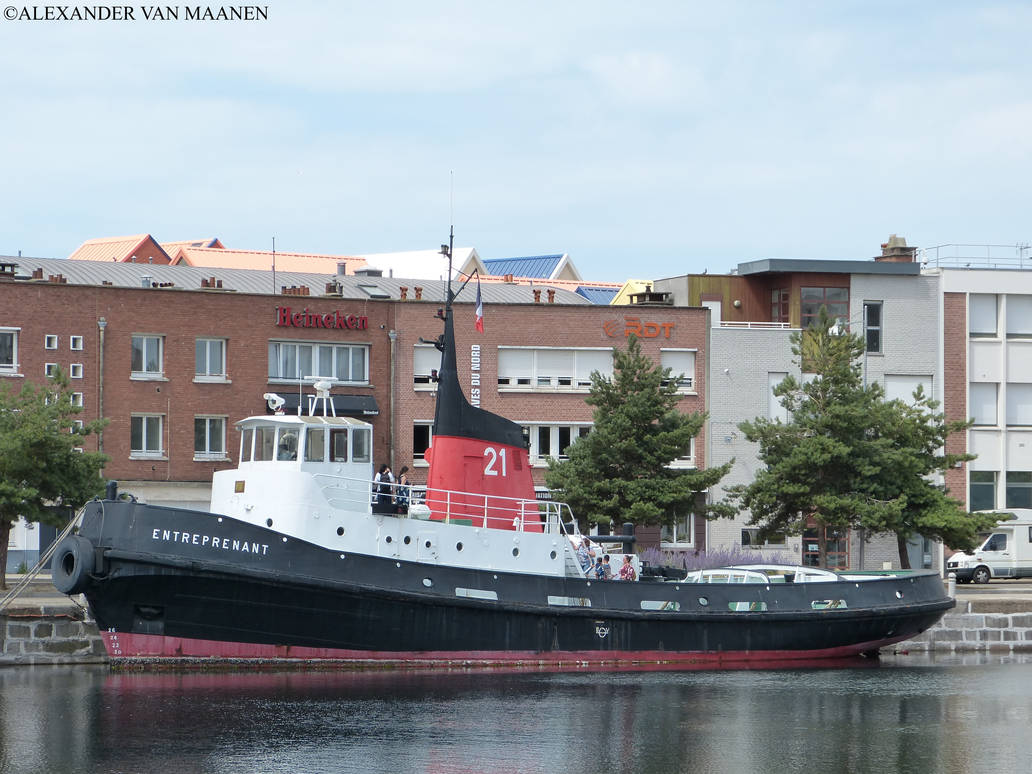
French tug Entreprenant 1965-

Dunkirk, France 27 July 2026

France -flagged, IMO 6519338 and call sign TO2058. Built by Ateliers&Chantiers Ziegler Frères, Dunkirk, France with yard number 152 in 1965 for Abeilles International, nowadys museum ship. 

Sunday, 2 August 2026

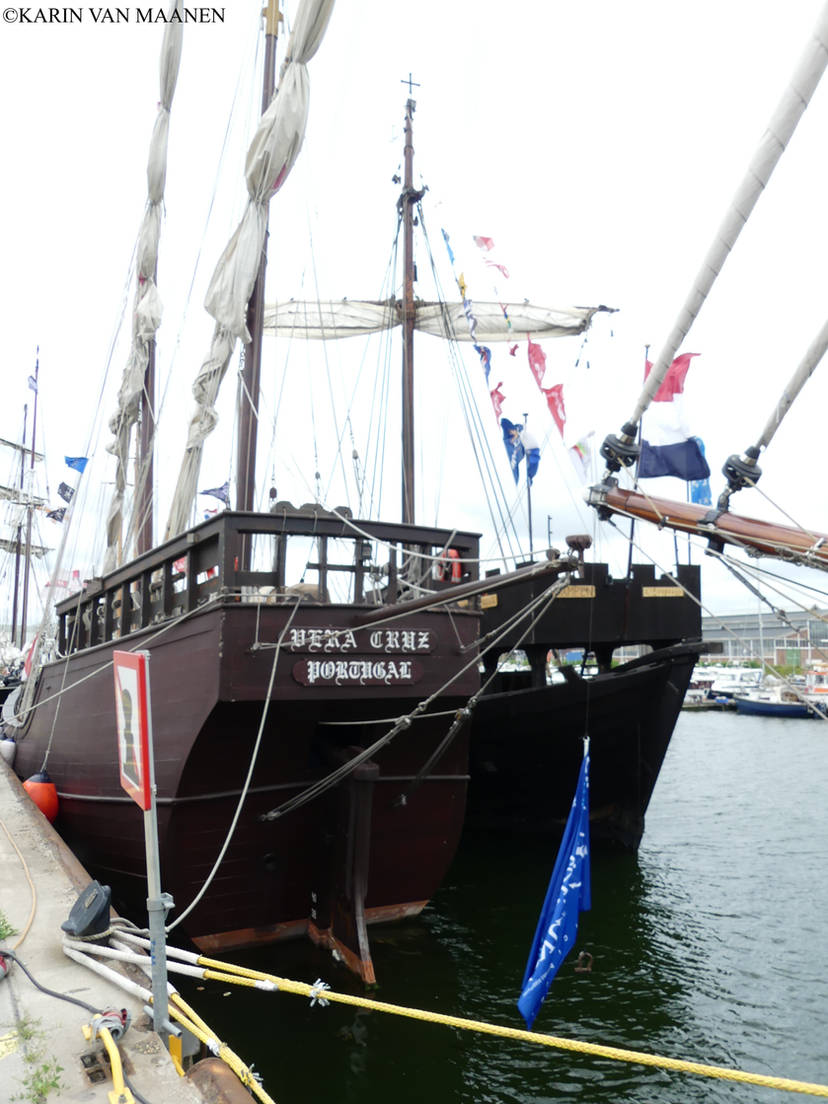
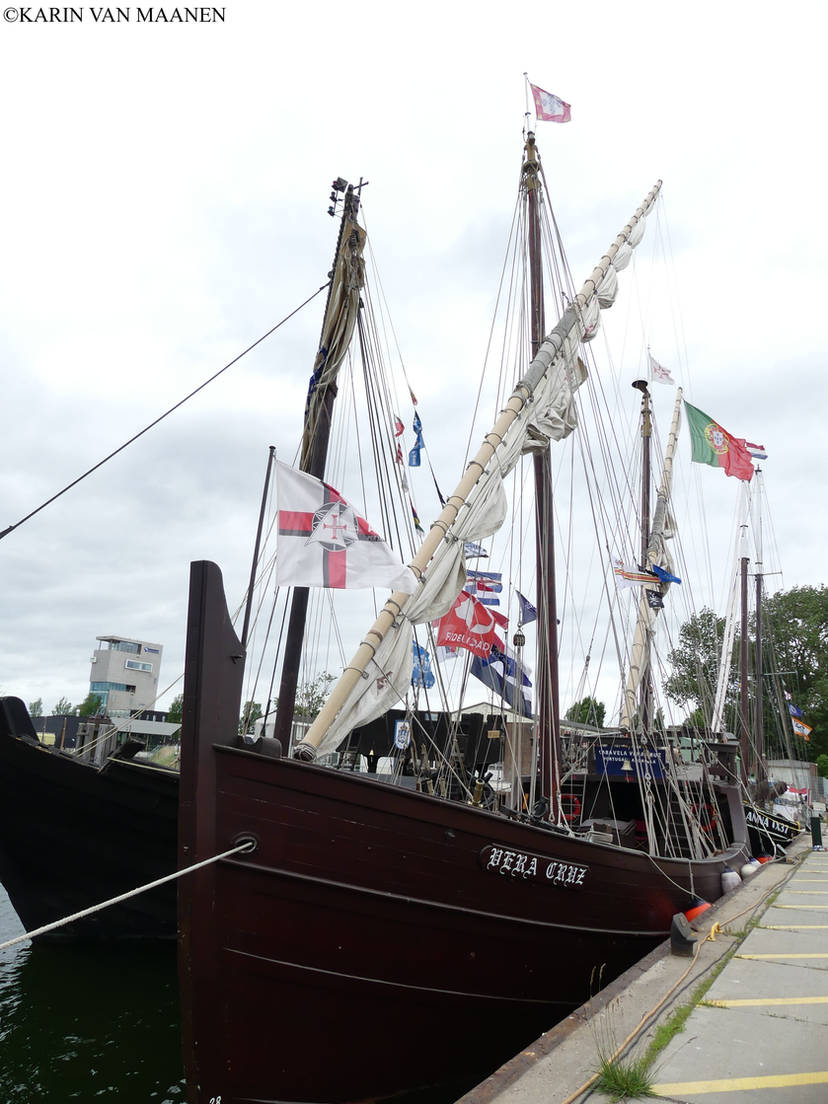
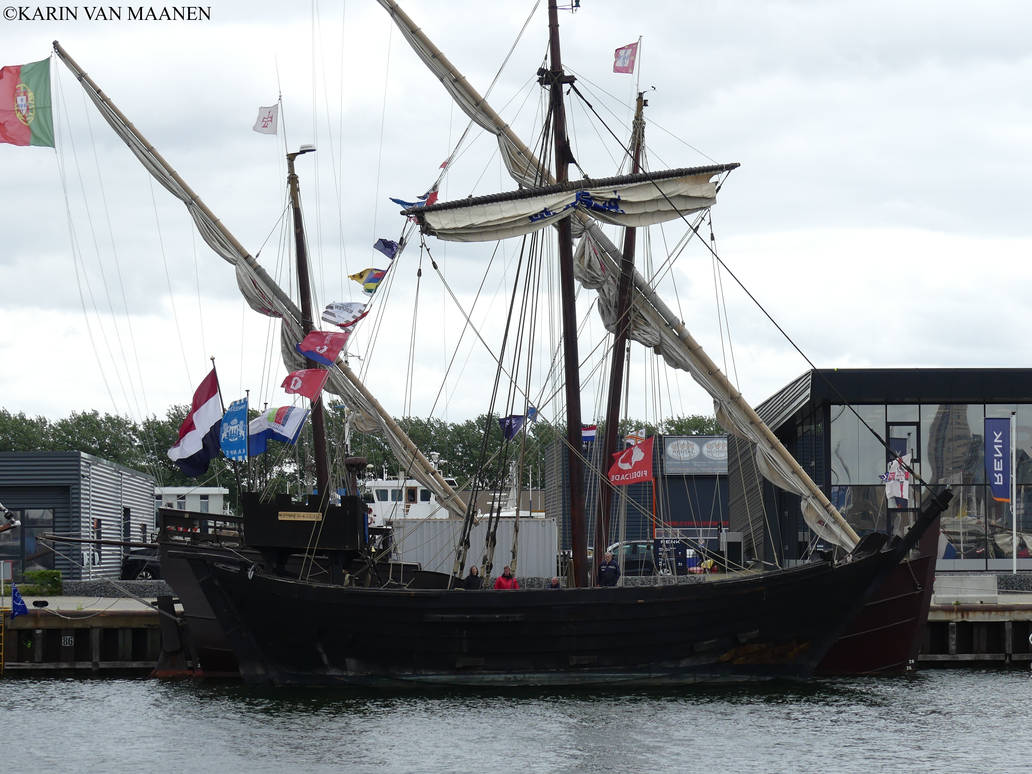
Portuguese caravel Vera Cruz sailing replica built in 2000


Vlissingen, Netherlands 4 June 2026

Portugal-flagged, homeport Lisbon, Portugal, MMSI 263804290 and call sign CRAH7. Operated by Aporvela. Dimensions 23.82 (hull)-26.00 x 6.65 x 3.30 x 27.69 (height)metres and sail area of 235 square metres. Built by shipyard of Vila do Conde, Portugal in 2000 representing a caravel from the 15th-16th Century. 

Thursday, 30 July 2026

Dutch cog Kamper Kogge replica built between 1994-1998

Vlissingen, Netherlands 4 June 2026

Reconstruction based on a wreck of a cog from 1336 discovered in the Flevepolder, Netherlands off Nijkerk. Building time 4 years by shipyard Kee Sars in contrary to the building time in the Middle Ages which was just 4 months. Weight 45 ton, dimensions 21,6 (prow) x 7,56 x 3,4 x 1,9 metres, displacement including ballast 70 ton and deadweight 60 ton. Sail area 144 square metres. Crew nowadays 12 men. 

Saturday, 25 July 2026

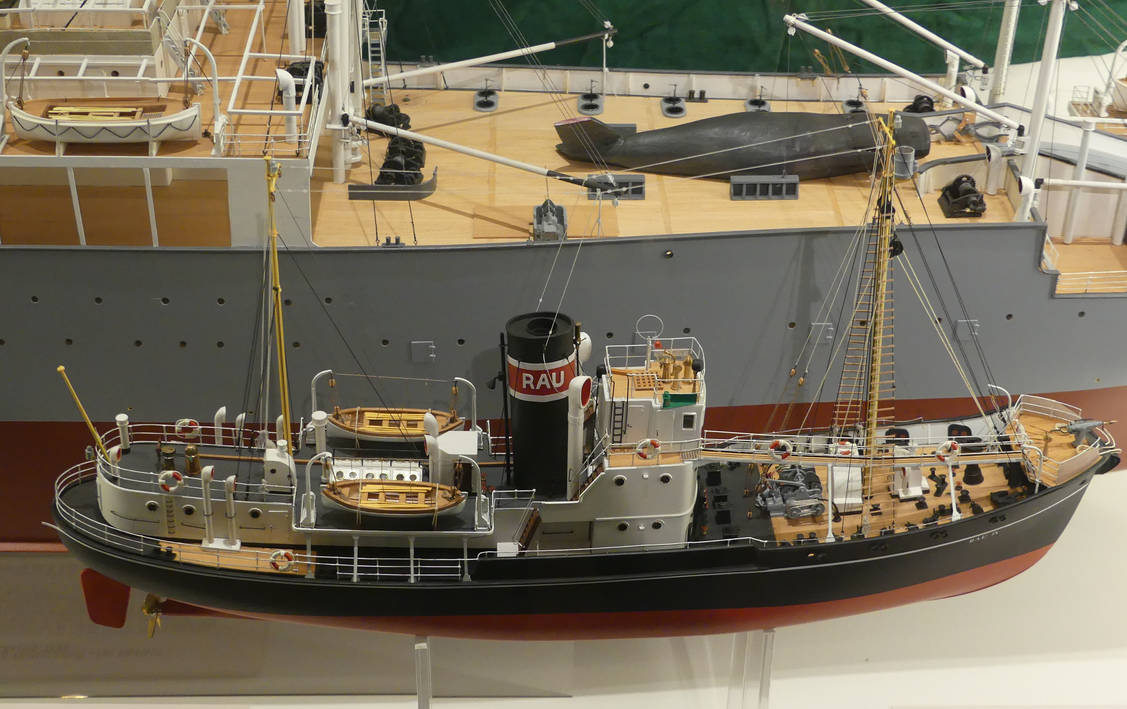
Model German steam whale catcher Rau IX 1939

Maritime Museum Hamburg, Germany, 2023.

Built by Deschimag, Werk Seebeck, Wesermünde to be added to the fleet of the whale factory Walter Rau. Due to the outbreak of the Second World War was the season 1939-1940 cancelled and the fleet transferred to the navy. Rau IX became a submarine chaser and so-called Vorpostenboot. After the war used for sweeping mines and in 1948 handed over to Norway and became a whale catcher. Later under the flag of Iceland renamed Hvalur V and under the flag of the Far Oer Heykur Wale. In 1969 returned to Bremerhaven, Germany and became a museumship. 

Saturday, 18 July 2026

Russian research vessel (ex-Mars 1939-1945, Empire Forth 1945-1946, Equator 1946-?, Admiral Makarov ?-1949) RV Vityaz 1949-

©Warshipsresearch.blogspot.com

Built by Deutsche Schiff- und Maschinenbau AG, Bremen, Germany with yard number 614 in 1939. During the Second World War used by the Kriegsmarine in 1940 and as military hospital ship between 1942-1945, seized at Copenhagen, Denmark by England in 1945, allocated to the Soviet Union in 1946, converted into a research vessel between 1948-1949, retired in 1979 and since 1982 museum ship. 

Sunday, 12 July 2026

Soviet Union transferring destroyers and submarines to Comminist China according to the Australia Station Intelligence Summary dated 1 August 1955

Gnevny-class destroyers©Warshipsresearch.blogspot.com


Anshan as museumship. Chinese Naval Museum Qingdao, 2019

An item reported the possible transfer of warships by the Soviet Union to Communist China. It included two Gordy-class destroyers, two S-class submarines and two M-class submarines. The ships were seen on 26 June in the Tsushima Strait going to the south and at Tsingtao. There was a possible that the ships were at Tsingtao to participate in Chinese naval exercises although it was more likely to be handed over to the Chinese navy. If so the Chinese navy would then possess 4 Gordy-class destroyers, six M-class and six-S-class submarines.

Note

1. Jane’s Fighting Ships 1956-1957 mentioned indeed 4 Gordy-class destroyers, 4 S-class, 4 Shsuka-class, M-V-class and 1 M-II-class submarines. In fact the Gnevny-class destroyers preceded by planned Gogland-class and realized Fidonisy-class succeeded by Storozhevoy-class. Sold to Communist China were the Reshitelny (Changchun, museum ship at Rushan), Retivy (Chin Lin, later Taiyuan), Rekordny (Anshan) and Rezky (Fushun).

Source

Website Royal Australian Navy, Sea Power Centre.

Monday, 15 June 2026

American tank landing ship USS LST 325 1942-1964, Greek RHS Syros L-144 1961-2000, American M/V LST-325 2000-2004, USS LST-325 2004-


Facebookpage Museumships

USS LST 325 Ship Memoriaal, Evansville, USA 26 May 2026

Photos made by Jim Dobbins

Laid down by Philadelphia Navy Yard on 10 August 1942, launched on 27 October 1942, commissioned on 1 February 1942, decommissioned on 2 July 1946, reclassified as T-LST in 1951, stricken on 1 September 1961, transferred to Greece, acquired by USS LST Memorial Inc. on 1 September 1964, renamed RHS Syros (L-144), de commissioned in 1999, sold 2000, acquired as m/v LST-325, renamed USS LST-325 in 2004 and nowadays museum ship

Thursday, 28 May 2026

Monday, 11 May 2026

Russian nuclear ballistic missile submarine TK-208 Dmitry Donskoy 1976-

Project 667BDRM Delfin/ NATO Delta IV-class. ©Warshipsresearch.blogspot.com

Project 941 Akula-class/NATO Typhoon. ©Warshipsresearch.blogspot.com

Near Kiel, Germany 1 August 2017

Part of 941 Akula-class/NATO Typhoon preceded by Projects 667b Murena, 667B Murena-M, 667BDR Klamar and 667BDRM Delfin NATO named Delta I-V class succeeded by Projects 955 andd 955A respectively Borei-class and Borei-A class. Designed by Rubin, laid down by Sevmash on 30 June 1976, launched on 27 September 1979, commissioned on 23 December 1981, in service in February 1982, decommissioned on 6 February 2023 and planned to be preserved as part of the Central Naval Museum in 2025.

Sources

Breyer, S. and N. Polmar. Guide to the Soviet Navy, 2nd edition.

Jordan, J. Soviet submarines 1945 to the present.

Kouznetsov, N. La Marine sovietique en guerre 1941-1945.

Pavlov, A.S. Warships of the USSR and Russia 1945-1995.

Polmar N. and J. Noot. Submarines of the Russian and Soviet Navies 1718-1990.

Schulz-Troge, U. Die sowjetische Kriegsmarine.

Jane’s Fighting Ships several editions.

Warshipsresearch.blogspot.com

Russian ships info dated 12 April 2026 19:46 o’clock.

Typhoon-class dated 5 May 2026 15:20 o’clock

Sunday, 10 May 2026

German submarine (ex-U2540 1944-1960) Wilhelm Bauer 1960-


Bremerhaven, Germany 7 May 2026

Type XXI. Laid down by Blohm&Voss, Hamburg, Germany on 29 October 1944, launched on 13 January 1945, commissioned on 24 February 1945, scuttled near the light ship off Flensburg on 4 May 1945, salvaged in June 1957, repaired by Howaldtswerke, Kiel, Germany, as Wilhelm Bauer resreach vessel between 1 September 1960-28 August 1968, test vessel voor technical developing of the new Type 206 submarines, involved in a collision on 6 May 1970, laid up and decommissioned on 15 March 1982, sold and since 27 April 1984 museum ship. 

German ocean going tug Seefalke 1924-

Bremerhaven, Germany 7 May 2026

Built by Tecklenborg, Geestemünde, Germany for account of W. Schuchmann, later Bugsier Reederei und Bergungs A.G., Bremerhaven. Became a musuem ship. 

German light ship Elbe 3 1908-

Bremerhaven, Germany 7 May 2026

Built by Eiderwerft AG, Tönning, Germany for account of the Königliche Wasserbau-Inspektion as Eider for the Eider estuary between 1908-1909, light in the North Sea during the First World War, as the Bürgermeister Anbendroth owned by the Cuxhaven Water and Shipping Authority stationed during the Second World War in the Baltic Sea, as beacon and Pilot station Elbe 3 positioned in the German Bight until 1966, finally decommissioned and became a museum ship.