Translate

Showing posts with label North Korea. Show all posts

Saturday, 8 August 2026

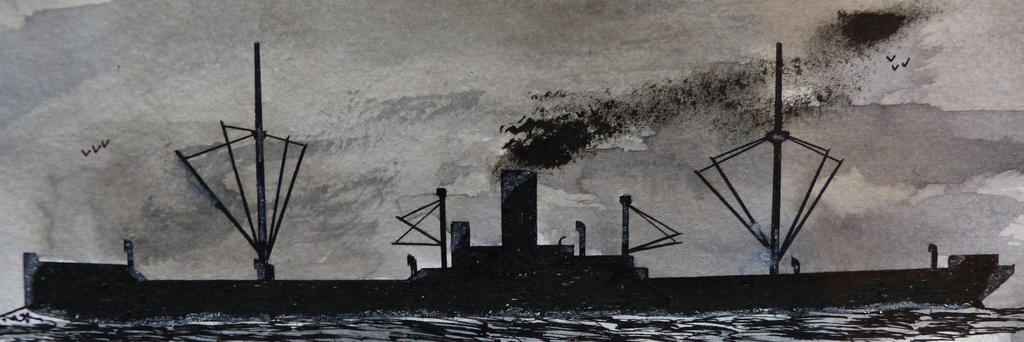
German whale factory ship Walter Rau 1937-1945 (1946), Norwegian Kosmos IV 1946-1971, Japanese Kyokusei Maru 1971-1979 and North Korean Song Hak San 1979-1998

©Warshipsresearch.blogspot.com

Call sign DOTF. Owner in 1939 Walter Rau Neusser Oelwerke A.G. Bremen, Germany. Launched by Deutsche Werft A.G., Finkerwerder,/Reiherstiegwerft  Hamburg, Germany with yard number 197 in March 1907, delivered on 18 September 1937, requisitioned by the German navy to serve in the supply service in 1939, commissioned as support tanker on 20 April 1940 together with the Unitas cooking plant at Gotenhafen (Gdynia, Poland), base and accommodation ship for the 25th submarine flotilla since 16 November, hospital ship in 1945, damaged in a British air attackin 4 May 1945 and run aground, seized by the British army on 10 May, towed to Gare Loch, Scotland on 18 November, handed over to the Ministry of War Transport on 21 November, docked in the Brocklebank dry dock on 31 March 1946, awarded to the USA which was not interested, offered to Norway on 22 May 1946 and which government bought her for the Kosmos companies, repaired and finally renamed Kosmos IV, sold to Japan and renamed Kyokusei Maru, again sold in 1979, became a fish factory ship, sold to the Korea Daesong Trading Corporation, North Korea and renamed Song Hak San in 1979 and after 1998 no longer mentioned in international registers. Gross tonnage 13,752 tons, under deck 10,395 tons, net tonnage 7,145 tons and as dimensions 549.8 x 74.4 x 33.5 feet. 

Thursday, 18 September 2025

Trans-Siberian Railway essential for transporting strategic materials from the USSR to China and North Korea according to the Australia Station Intelligence Summary dated7 January 1955

An item reported that the Trans-Siberian Railway was of vital importance for supplying strategic materials by the USSR to China and North Korea. Altenatives were the long sea route via the Indian Ocean or the Northern Sea Route which was not only long but only 2-3 months during summer time open.

Source

Website Royal Australian Navy, Sea Power Centre.

Sunday, 31 March 2024

Japanese passenger-cargo ship Melbourne Maru 1929-1945

Call sign JIFC. Laid down by Yokohama Dock Co. Ld., Yokohama, Japan on 12 June 1929, launched on 15 December 1929, completed on 28 March 1930, requisitioned by the army as troop transport AA No. 911 on 25 December 1941 and destroyed in a Russian air attack ar Rajin, Chosen (nowadays Rashon, North Korea) on 9 August 1945. Gross tonnage 5,423 tons, under deck 4,955 tons, net tonnage 3,219 tons and as dimensions 380.0 x54.5 x 34.2 x 9 (light)-24 (loaded) feet. Diesel propulsion, 489 nhp, 846 tons bunker oil capacity, range 22,000 nautical miles/13.5 knots. Speed 13.5 (normal cruising)-6 (maximum) knots. 

Tuesday, 5 September 2023

Dutch shipyard built North Korean fish factory ship Baek du san according to the Commercial Fisheries Review dated November 1967 No. 11

An item reported that the Dutch Verolme’s United Ship Yards sold in January 1965 a 7,200 gross tons ship the “Top van Witte Berg to North Korea. She had a 120 metric ton daily processing capacity and was used in the herring, flatfish and Alaska polock fisheries in the Sea of Okhotsk. The Dutch newspaper Trouw dated 30 August 1967 reported that the sale was in 1964 and calls her the fish factory Bach Dusan of the company Kmgamg Hypodong Trading Co. With a length of 130 metres was she in her time the largest of her kind. Het vrije volk dated Thursday 27 August 1964 reported her launching as Bäck Dusan [Top of the White Mountain] on next Saturday at Alblasserdam, Netherlands. The edition dated 22 January 1965 reported her arrival at Congjin, North Korea. Her measurement was 11,000 tons and she was now called Paik Doosan. The De Waarheid dated 2 February 1965 calls her again Bäck Dusan wiht a tonnage of 17,000 tons, dimenisons 129 x 17.60 metres, 6,000 hp diesel engine and 16 knots speed. Shipstamps.co.uk reports that she was laid down with yard number 687 and launched on 29 August as the Baek du san, in 2006 still existing? Vesselfinder.com reports IMO 6420355, Paek du san, dimensions 130 x 18 metres, gross tonnage 6,831 tons, deadweight 6,993 tons, since 2014 no longer in service, as Paik du san of Kmgang Hyopdong Tdg Co and since 1999 of Yangwha Fishery Station. 

Thursday, 16 July 2020

Japanese D-class escort No. 82 1944-1945


Laid down by the Nagasaki Shipyard of Mitsubishi Heavy Industries Ltd. on 6 September 1944, launched on 18 November 1944, completed on 31 December 1944 and sunk during a Soviet air attack off Kimchaek [North Korea] 10 August 1945. Under the Programme 1943-1944 was the building of 143 ships ordered and under the Programme 1944-1945 were another 57 planned of the Type D escort or coast defence ships. Yet there were just 67 actually completed, the others were cancelled. Originally the ships were to be used for anti-aircraft and submarine warfare after the Navy asked on 22 April 1943 for a basic 800 tons escort design. The Type D design was in fact a simplified Ukuru design. Except for the Japanese navy used by the navies of Russia, China and Taiwan until 1987. General technical details of the Type D escort vessel had a standard displacement of 752 tons and as dimensions 69,5 x 8,6 x 3,05 metres or 228 x 28.3 x 10 feet. The geared turbine machinery supplied via one shaft 2,500 hp allowing a speed of 17,5 knots and a range of 4.500 nautical miles with a speed of 16 knots. The crew numbered 160 men. The original armament consisted of 2-12cm/4.7” 45 cal dual purpose guns, 2x3-2,5cm/0.98” Type 96 anti aircraft machine guns, 12 Type 3 depth charge throwers and 1 depth charge chute for which 120 depth charges were carried. From 1944 on was 1-8,1cm/3.2” mortar added to the armament.

Friday, 29 November 2019

Monaco oil/chemical tanker Baltic Ambition 2006-

Schelde off Vlissingen, Netherlands 16 September 2015

Cyprus-flagged, homeport Limassol, Cyprus, IMO 9295347, MMSI 212130000 and cal sign C4FT2. Built at the Hyundai Mipo Dockyard, Ulsan, South Korea in 2006. Owned and managed by Scorpio Commercial Management, Monaco.

Wednesday, 14 November 2018

North Korea increasing her western coast line according to a CIA report dated June 1968

An item reported that North Korea relocated some of her motor gun boats by transferring the boats from the East Sea to the West Sea Fleet. By doing this was the coastal defence furthermore increased especially near the seaward approaches to the harbour of Inchon, South Korea. The motor gunboats indicated as so-called P-6PGM units were converted P-6 torpedo boats of which the torpedo tubes were removed and instead armed with 2-3,7cm main mounts and 2-2barrel 2,5cm secondary mounts. Six of such boats were stationed at the Haeju and the Saigon-ni naval bases along the west coast. The conversion was probably executed at the Yondangpo Shipyard near Haeju. At the Kosong Naval Base of the East Sea Fleet were 3 P-6 torpedo boats stationed and a fourth one at the West Sea Fleer Nampo Naval Base. Furthermore were at sea six well armed large gunboats (SO-1 PGM, Chodo PGM and K-48PGM types) generally active around Inchon. There were several explanations for this strong force, one preparing measures against ROK (1) attacks on the North Korean coastline, an offensive force to harass the merchant shipping around Inchon or protection of the North Korean fishery fleet against the ROK-forces

Note
1. ROK forces are the armed forces of South Korea. Since 8 September 1945 is Korea divided in two countries North and South Korea, first controlled by the USA and the Soviet Union. On 15 August 1947 was the Republic of South Korea and on 9 September 1948 the Democratic People’s Republic of Korea founded.

Source
The report was published on www.archive.org, document number CIA-RDP78T04759A008400010124-8

Tuesday, 16 October 2018

German built Japanese dredger to be salvaged and fitted out for Nortk Korea according to a CIA report dated 20 June 1952

An item reported that in the bay of Gdynia, Poland the efforts were started for salvaging a 160 metres long dredger during the Second World War built by the Germans for Japanese account. The intention was to salvage, repair and fit her out for account of North Korea. In summer 1951 visited North Korean representatives for this reason the salvaging.

Source
The report was published on www.archive.org, document number CIA-RDP82-00457R012400070009-2

Friday, 16 February 2018

Soviet Union interested in founding naval base at Wonsan, North Korea according to a CIA report dated 24 July 1952

An item reported that North Korea approved the plan of the Soviet Union to built a naval base at Wonsan as soon as the peace treaty was signed.(1) According to a Soviet statement dated 25th June was such a base needed to protect the oil transports underway from Sakhalin via the Sea of Japan against imaginary attacks of the Japanese navy.

Note
1. The North Korean War between 25 June 1950 and 27 July 1953 was between North and South Korea. North Korea was supported by China and the Soviet Union while South Korea was supported by the United Nations.

Source
The report was published on www.archive.org, document number CIA-RDP82-00457R013000340004-0

Thursday, 15 February 2018

North Korean Navy transport active in the Chinnamp’o port according to a CIA report dated 3 October 1952

An item reported that in begin May a transport unit of the North Korean Navy consisting of 6 boats with totally 60 men was occupied with transporting supplies from Chinnamp’o towards Cho-do (125.03&37.59) and nearby islands.

Note
1. The North Korean War between 25 June 1950 and 27 July 1953 was between North and South Korea. North Korea was supported by China and the Soviet Union while South Korea was supported by the United Nations.

Source
The report was published on www.archive.org, document number CIA-RDP82-00457R014100280001-8.

North Korean Navy units sighted at Samp’ot’ap on 20 June 1952 according to a CIA report dated 3 October 1952

An item reported that on 20 June 1952 wo patrol boats and a small transport belonging to the North Korean Navy were sighted at Samp’ot’ap (124.41&39.56), one kilometre west of Yongamp’o. The patrol vessels were lying side by side in a reeded costal area on the position 124.21&39,56, 400 metres northwest of the former grain warehouse and at low tide marooned on dry land. With the use is dry yellow reeds bundles was tried to camouflage the boats. It were two different types. One grey painted was armoured, had as dimensions 20 x 4,5 metres and fitted out with 1-150hp engine. The second wood built boat was smaller with as dimensions 18 x 4 metres and just a lees powerful engine with just 90hp. The transport was anchored during the night on a position of 1 kilometres west of the grain warehouse and no attempts were done to camouflage her. At daytime she transported gravel between Yongdae-san (12420&39.56) and a location 2 kilometres north of Yongamp’o probably to construct a bank. A navy company of the navy was stationed at a former grain warehouse located 900 metres west of Yongamp’o on the position 124.21&39.56. In a comment was remarked that this was presumably the former grain warehouse of Samp’ot’ao.

Note
1. The North Korean War between 25 June 1950 and 27 July 1953 was between North and South Korea. North Korea was supported by China and the Soviet Union while South Korea was supported by the United Nations.

Source
The report was published on www.archive.org, document number CIA-RDP82-00457R014100280001-8.

Wednesday, 14 February 2018

The North Korean 509 Unit according to a CIA report dated 3 October 1952

An item reported that in begin June 1952 a 509 Unit company of North Korean soldiers dressed in navy uniforms and probably being a marine corps stationed at Yongmi-ri defended the Hodo Peninsula. Another thirty men also belonging to 509 Unit were positioned in caves and trenches near Soungjin-ni (127-31&39-27).  The possessed at least over 1-7,6cm flat trajectory gun placed in a trench and a second 7,6cm gun placed about 300 metres to the north. Both guns were camouflaged. The 509 Unit was mid-January transferred from Oun-ni towards Yongmi-ri.(1)

Note
1. The North Korean War between 25 June 1950 and 27 July 1953 was between North and South Korea. North Korea was supported by China and the Soviet Union while South Korea was supported by the United Nations.

Source
The report was published on www.archive.org, document number CIA-RDP82-00457R014100280001-8.

North Korean Marine Corps Headquarters on Hill 182 near Changyan-mon according to a CIA report dated 3 October 1952

An item reported that begin May 1952 headquarters of the North Korean Marine Corps was situated on Hill 182, on a distance of 700 metres east of Changyan-myon (125-16&38-20). There were 100 small Soviet made amphibious boats, 10 heavy and 20 light machineguns and 6 mortars available.(1)

Note
1. The North Korean War between 25 June 1950 and 27 July 1953 was between North and South Korea. North Korea was supported by China and the Soviet Union while South Korea was supported by the United Nations.


Source
The report was published on www.archive.org, document number CIA-RDP82-00457R014100280001-8.

Saturday, 6 January 2018

Swiss motor general cargo ship Alpina 1970-1985, Her Chang 1985-1992, Song San 1992-1995 and Kangson 1995-1997


IMO 7028295. Launched by Flensburger Schiffbau Gesellschaft, Flensburg, Germany for Alpina Reederei A.G., Basel, Switzerland with yard number 625 on 19 August 1970. Delivered on 20 October 1970. Managed by Alpina Transport&Affretements S.A., Antwerp, Belgium. Swiss-flagged with call sign HBLB. Unregistered on 13 November 1985 and sold. Renamed on 13 November 1985 Her Chang of the Toho Line, Panama-flagged, renamed Song San, North Korea-flagged and homeport Nampo, since 1995 Honduras-flagged and homeport San Lorenzo  and in May 1992 renamed Kangson, Vietnam-flagged and homeport Phnom Penh. Sunk after a collision on 28 February 1997. 

Gross tonnage 9.387 tons, deadweight 14.981 tons and as dimensions 139,76 z 21,11 x 12,32 metres. Machinery consisted of a 7.800hp Bremer diesel engine allowing a cruising speed of 16 miles. 

Wednesday, 22 November 2017

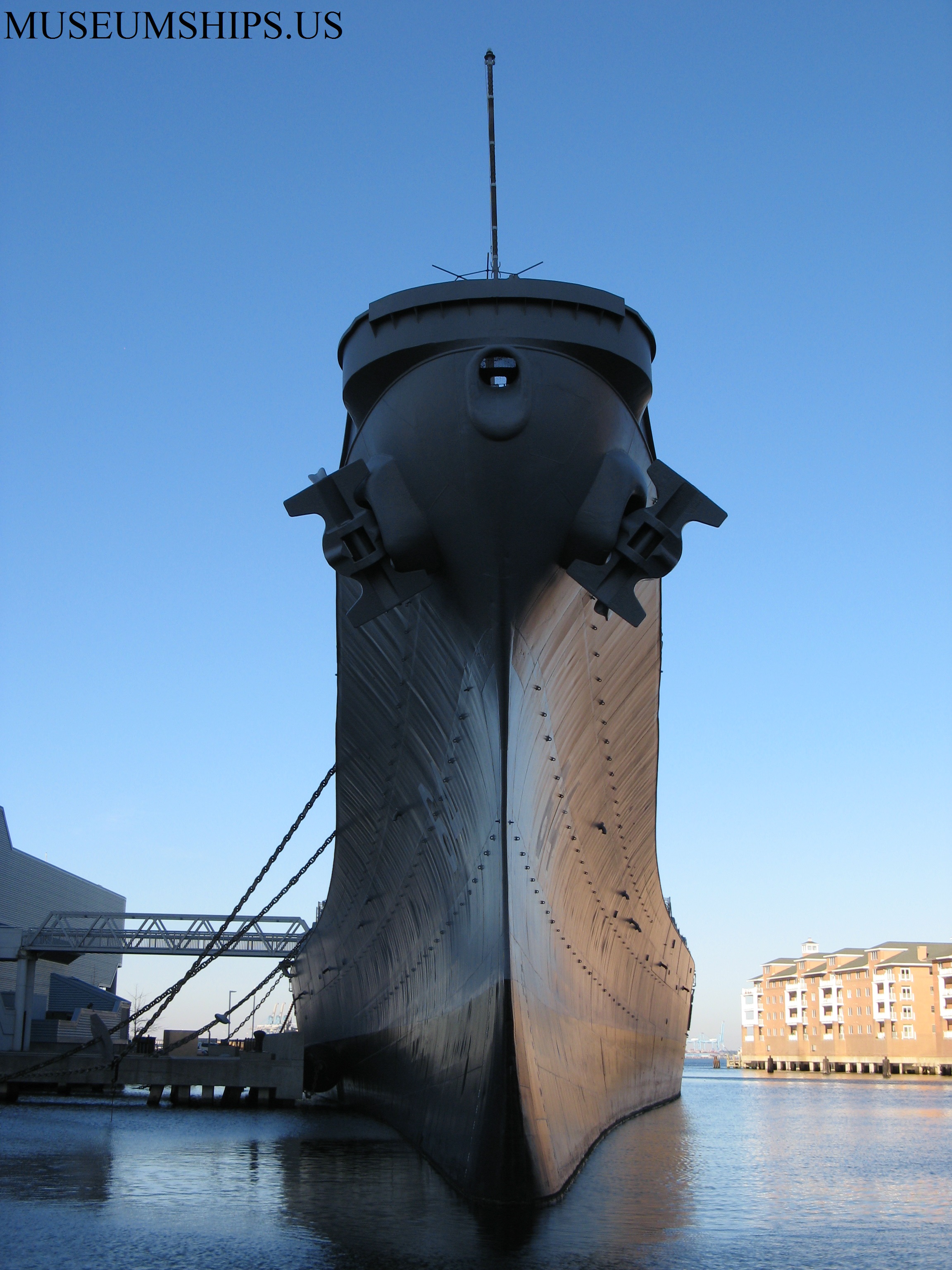
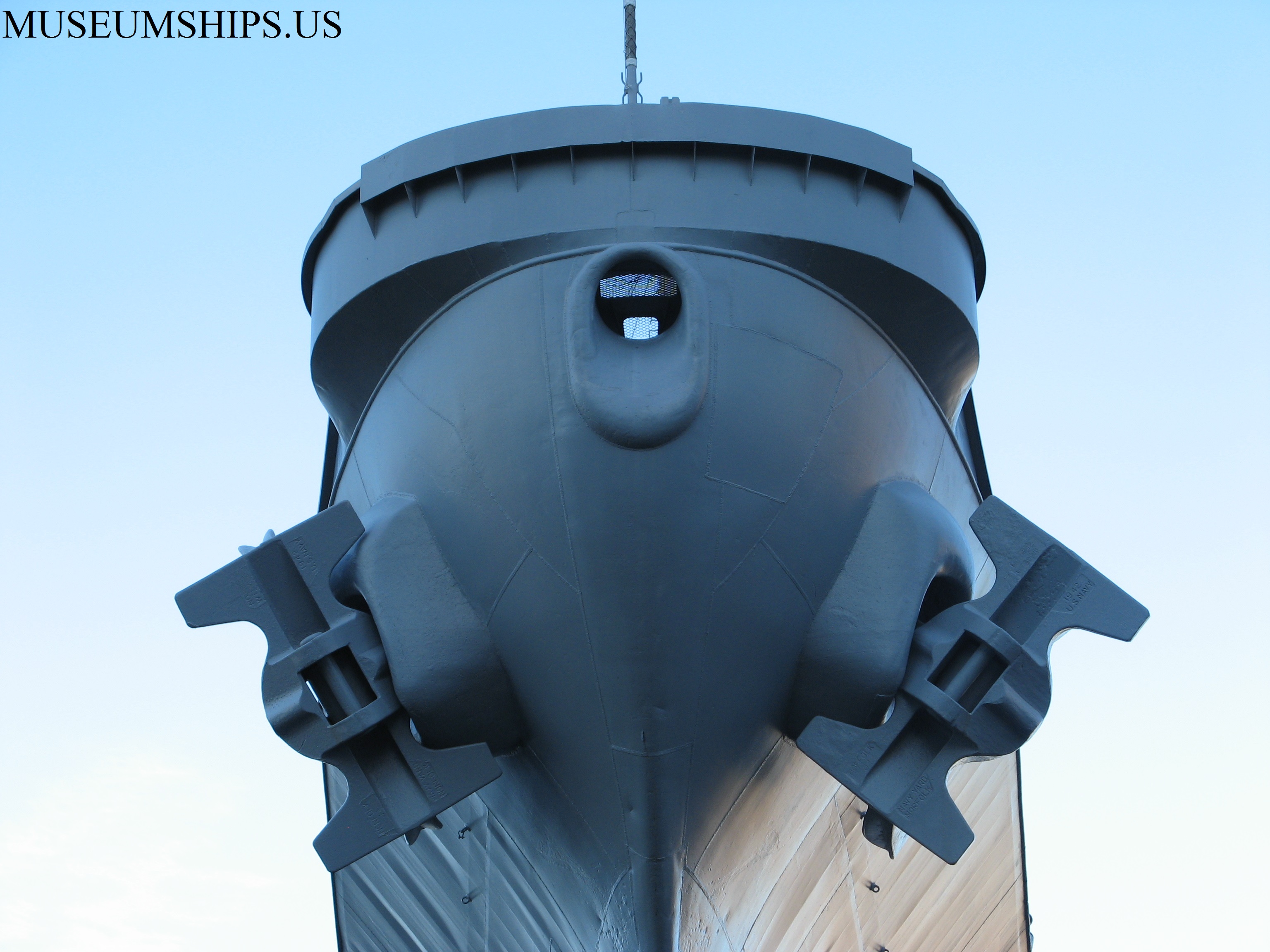
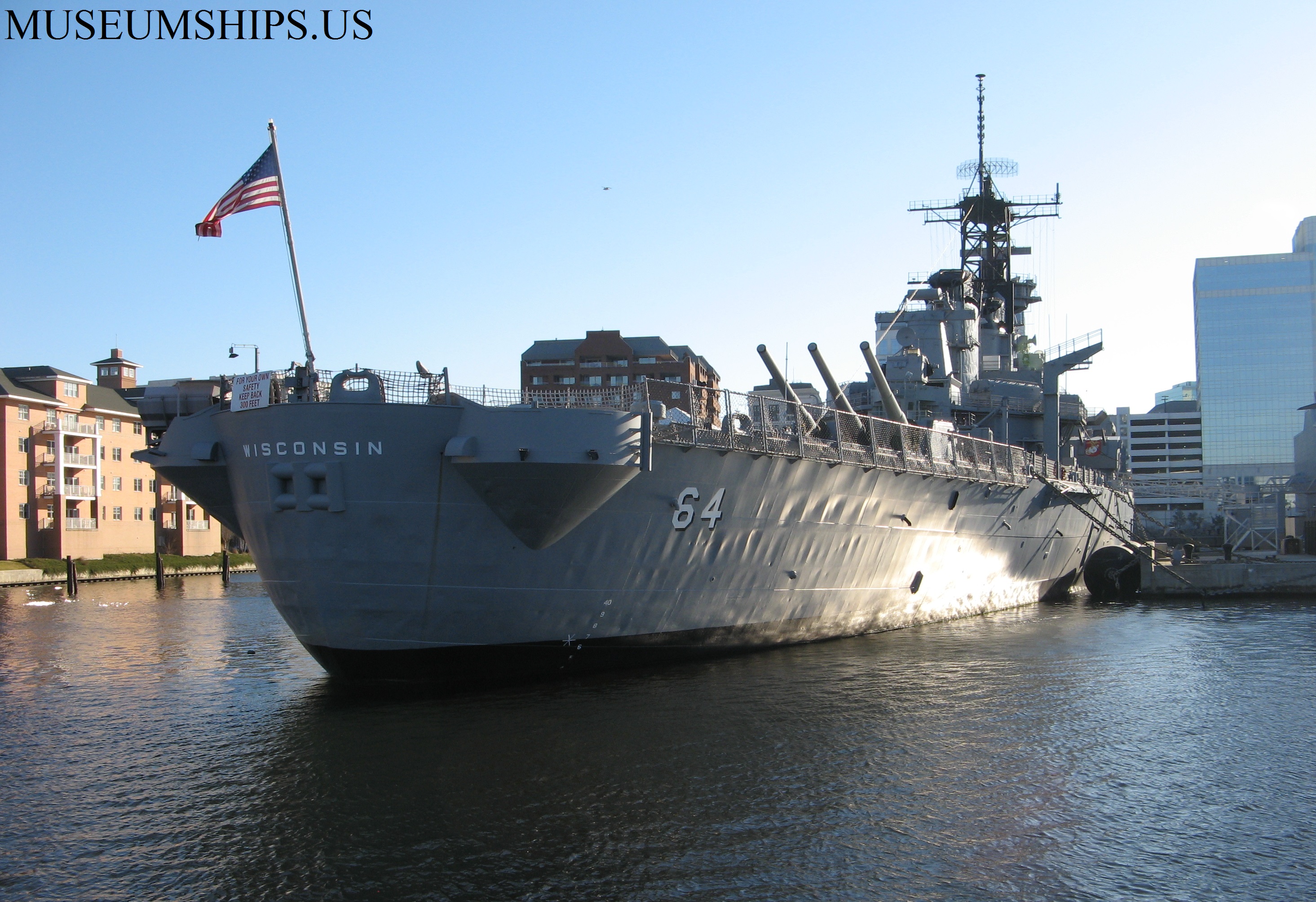
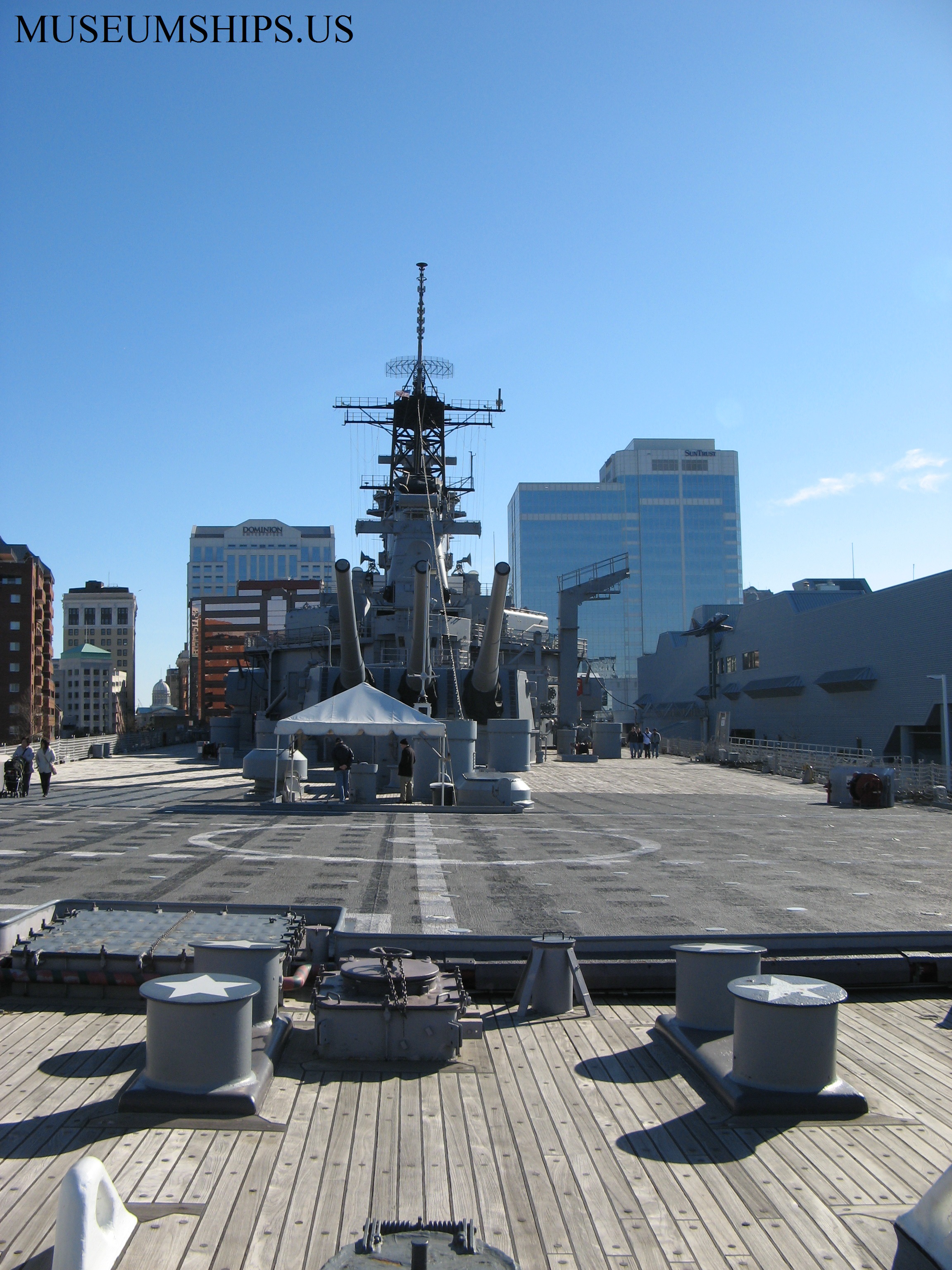
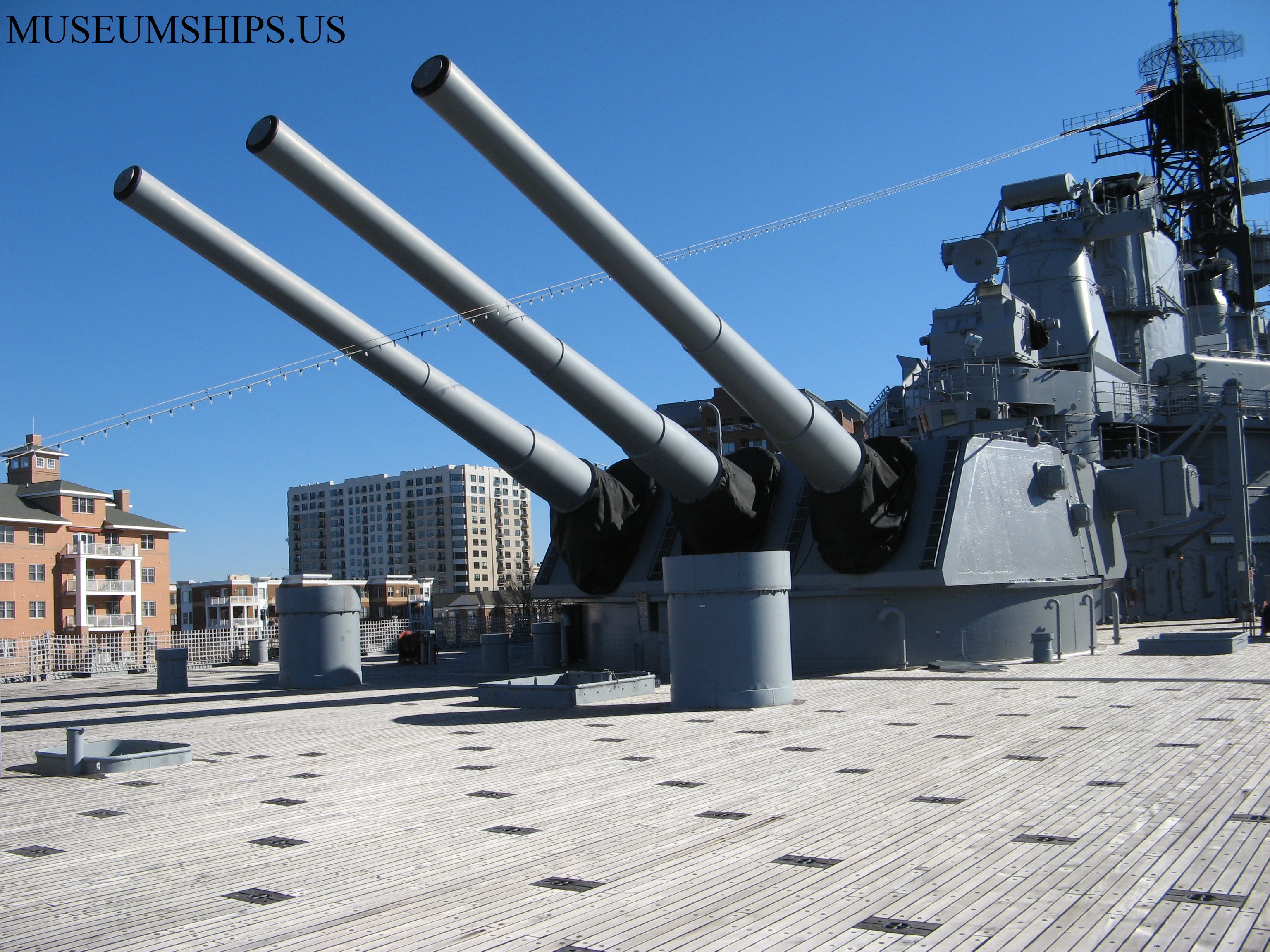
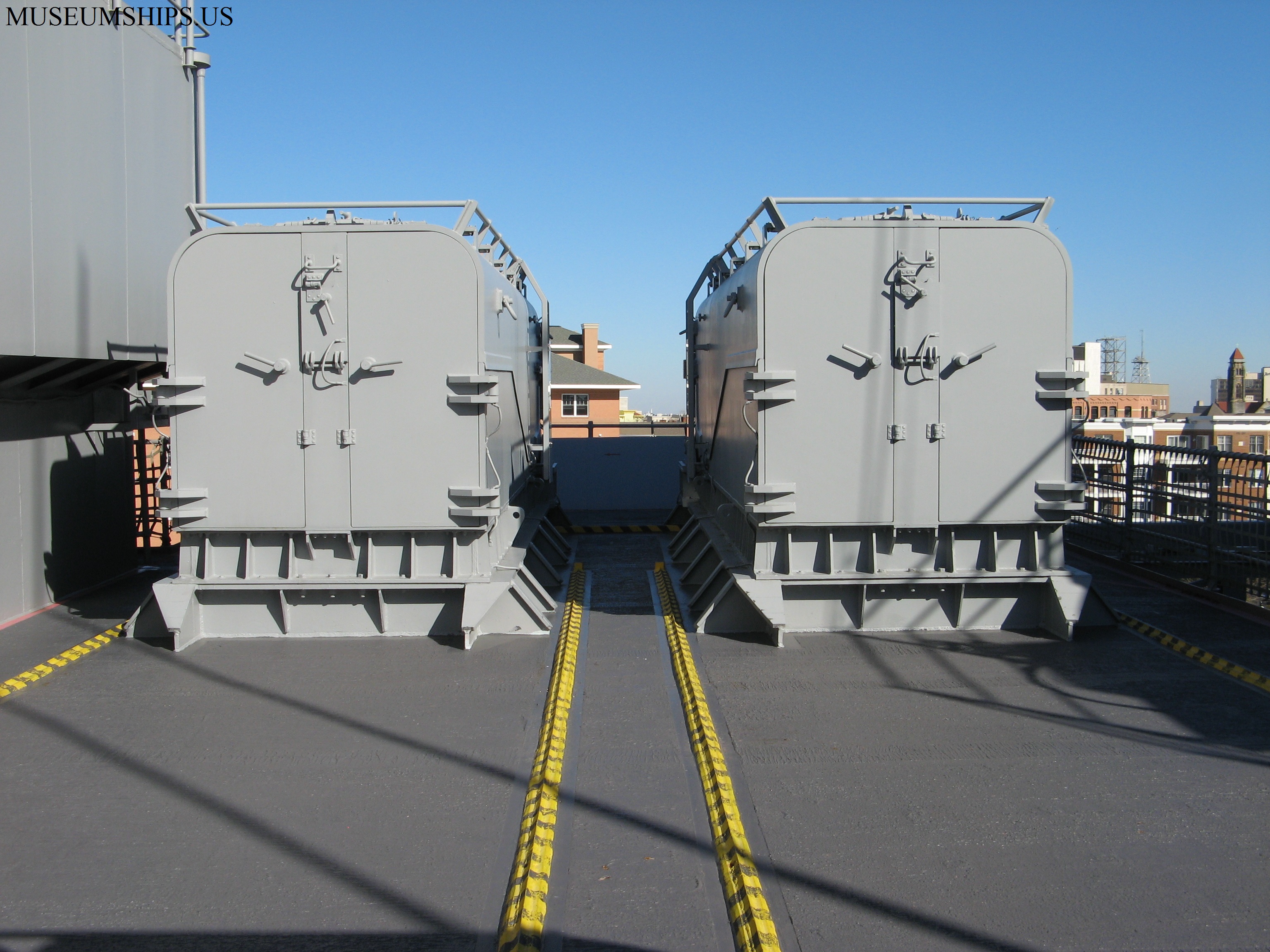
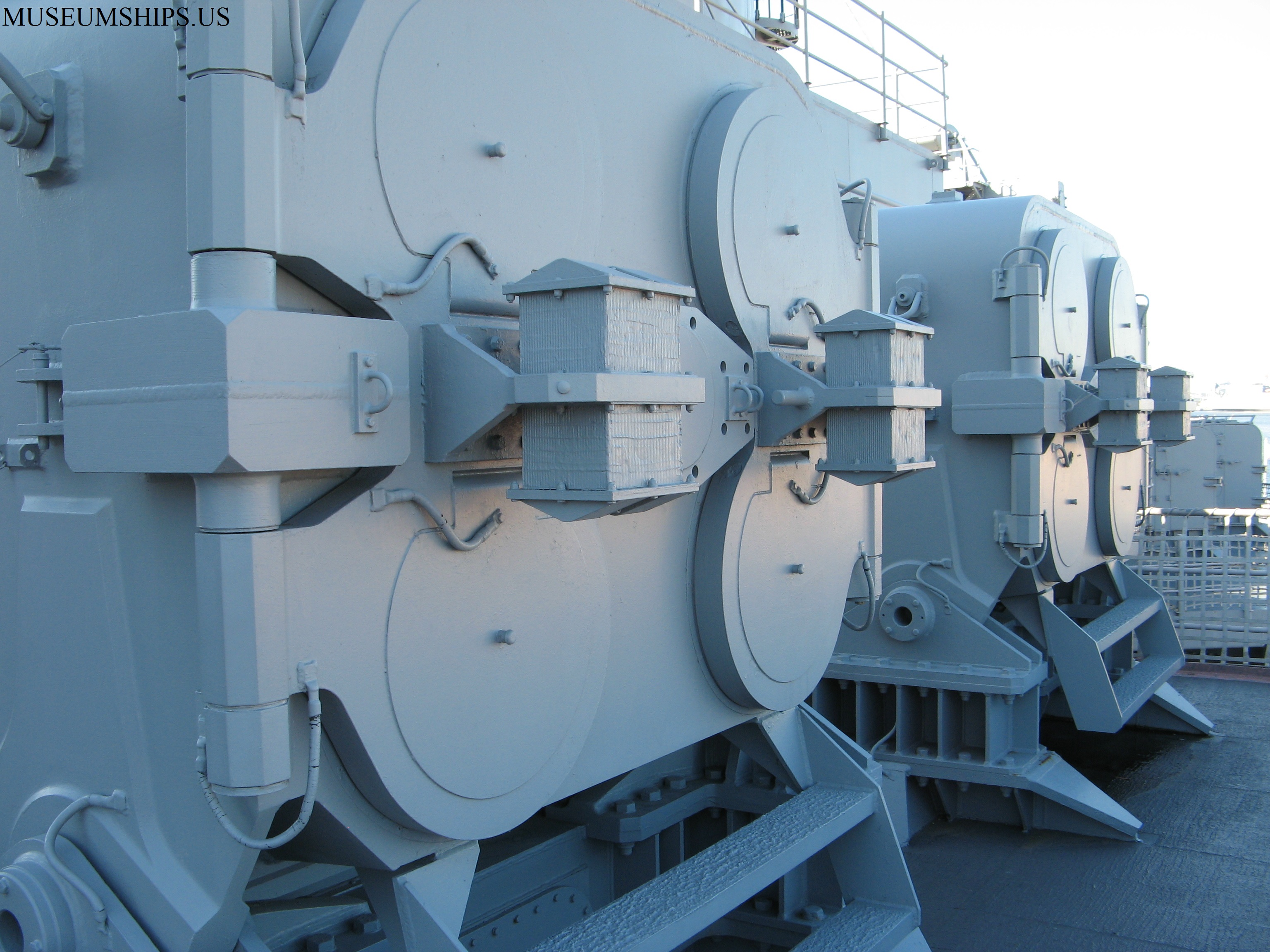
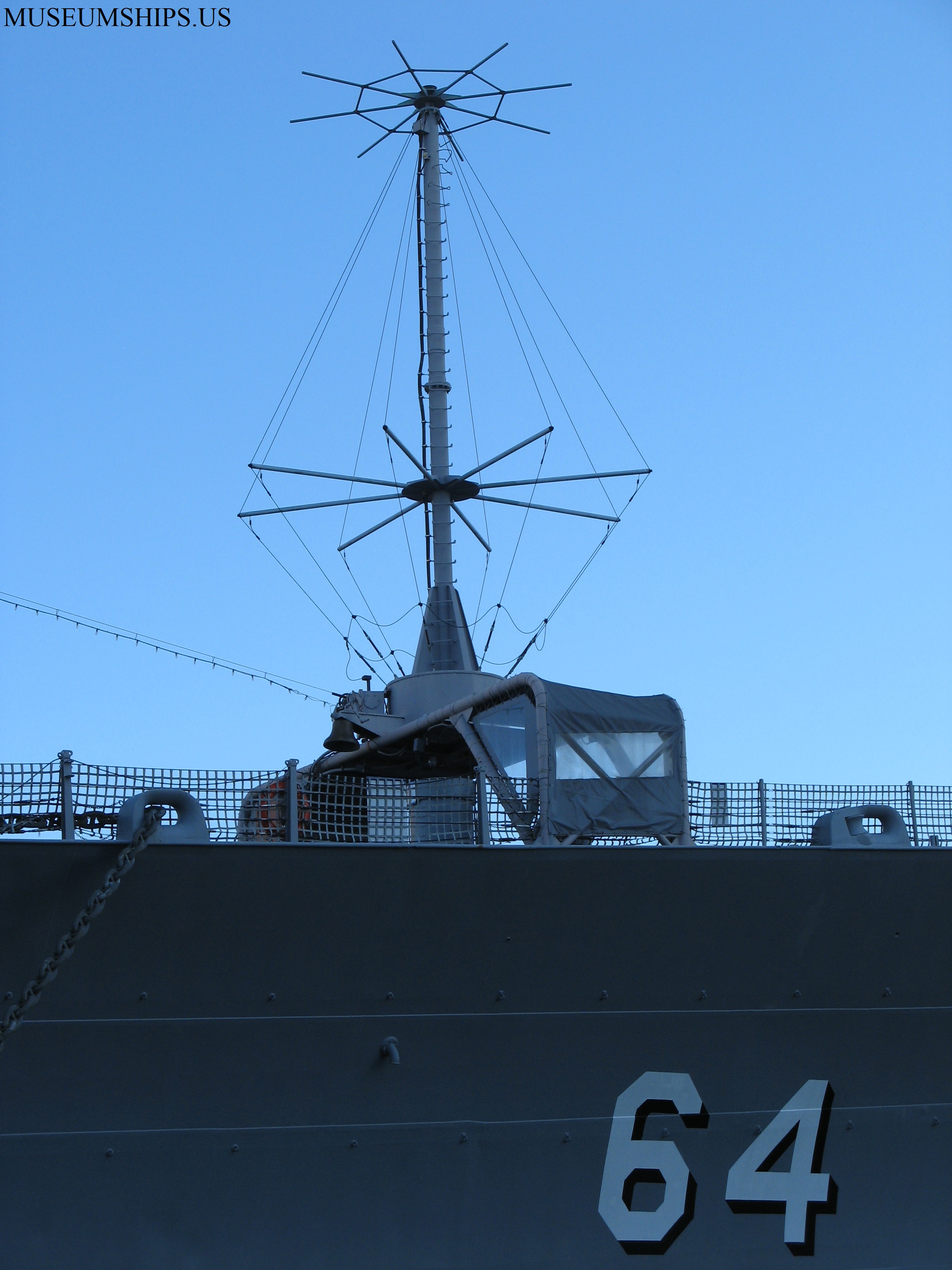
American battleship USS Wisconsin (BB-64) 1941-

South Dakota-class

Iowa-class

Montana-class

Part of the Iowa-class consisting of the Iowa, New Jersey, Missouri, Wisconsin, Illinois and Kentucky, for escorting Fast Carrier Task Forces on the Pacific Ocean, preceded by the South Dakota-class and succeeded by the never realized Montana-class. The designing-process of a fast battleship started in 1938. Building ordered on 12 June 1940, laid down on Philadelphia Navy Yard on 25 January 1941, launched by Mrs. Goodland on 7 December 1943, commissioned on 16 April 1944, decommissioned on 1 July 1948, recommissioned on 3 March 1951, decommissioned on 8 March 1958, reactivated on 1 August 1986, modernized, recommissioned on 22 October 1988, decommissioned on 30 September 1991, stricken on 17 March 2006 becoming a museum ship. Except for the Second World War also active in the Korean War (1950-1952)and in Operation Desert Storm (January-February 1991).


General technical class specifications. Displacement 45.000 (standard)-52.000 (mean war service)-57.000 (full load before the 1980s)-58.000 (full load after the 1980s) tons and as dimensions 262,5 (between perpendiculars)-270,43 (over all)x 32,97 x 11,33 metres or 861¼-887’3”x 108’2” x 37’2”. The machinery consisted of General Electric geared steam turbines and 8 water tube boilers delivering 212.000 shp. Speed 32,5-35,2 (light load) 3 knots. With a speed of 15 knots was the range 14.890 miles. Crew numbered 1.921 men. Original armament in 1943: 3x3-40,6cm/16” /50 cal Mark 7 guns, 20-12,7cm/5” /38 cal Mark 12 guns, 80-4cm /56cal anti aircraft guns and 49-2cm /70 cal anti aircraft guns. Armament in 1983: 3x3-40,6cm/16” /50 cal Mark 7 guns, 12-12,7cm/5” /38 cal Mark 12 guns, 32 BGM-109 Tomahawk cruise missiles, 16 RGM084 Harpoon Anti-Ship missiles and 4-2cm /76 cal Phalanx CIWS. Armour consisted of a 30,73cm/12.1” thick belt, 28,7cm/11.3” thick bulkheads, 19,05cm/7.5” thick decks with the barbettes and turrets protected by respectively 29,46cm/11.6”-43,94cm/17.3” and 50cm/19.7”. 


All photograps are supplied by the very interesting website MUSEUM SHIPS, for which our thanks

Monday, 23 May 2016

Russian missile boat or fast attack craft Project 183R or Komar-class 1956-1980’s


With as subclass project 183 motor torpedo boat. Succeeded by the Osa-class. Totally were 112 units built which served in the navies of the Soviet Union, Algeria, Cuba, Ethiopia, Guinea, Egypt, Indonesia, Iraqi, North Korea, China, Syria and Vietnam. Displacement 61,5 (standard)-66,5 (full load) tons and as dimensions 25,4 x 6,24 x 1,24 (draught) x 2 (draft)metres. The machinery consisted of 3 shaft M-50F diesels delivering 4.800 hp allowing a speed of 44 knots and with a speed of 32 knots a range of 600 nautical miles/ The crew numbered 3 officers and 14 sailors. The armament consisted of 1x2-2,5cm 2M-3M gun for which 1.000 round were taken with her and 1 KT-67 missile launchers each loaded with 1 P-15 Termit/SS-N Styx anti ship missile.

Friday, 7 December 2012

Naval strength of North Korea according to the Dutch newspaper Java-bode dated 1 April 1955

An item reported that the North Korean navy consisted in 1953 of 16 warships and at the moment of 84 ships mainly small patrol vessels and gunboats.

Tuesday, 13 December 2011

North Korean Sariwon-class corvettes


Drawings by Alexander van Maanen

The North Korean Sariwon-class corvette built in the 1960s are based on the Soviet Trial class fleet minesweepers which were dating from the 1930s. Nowadays are still five in actual service. With a displacement of 650 tons full load were the dimensions 61,5 x 7,5 x 24 metres. With a speed of 16 knots was their range 2,700 nautical miles. The armament consisted of 2×2-57mm guns, 2×2-37mm guns, 4×4-14.5mm machine guns, 2 depth charge rails and 30 RBU-1200 mines. The pennants of the vessels still in service are the 611-614 and 671.