An item dated Rome, Italy 1st reported that the navy announced the bombardment by airships of Slitten [Zitten], Tripoli forcing the Turkish forces to surrender.

Showing posts with label Airships. Show all posts
Showing posts with label Airships. Show all posts
Wednesday, 19 February 2025
Tuesday, 4 July 2023
British light cruiser HMS Dauntless bound for New York, USA according to the Weekly Intelligence Summary No. 19 for the week ending 27 August 1921
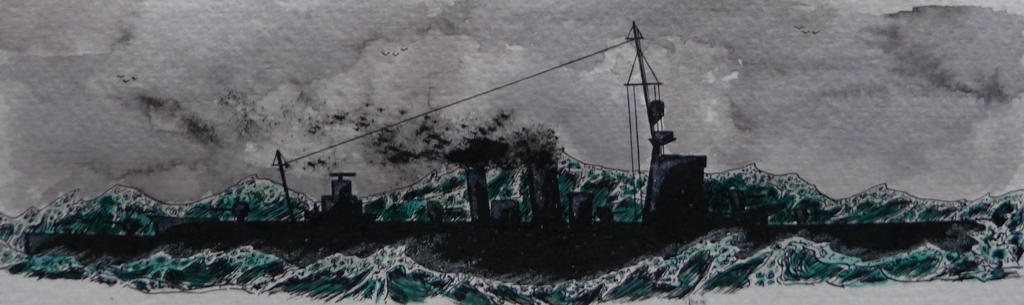
D-class cruiser
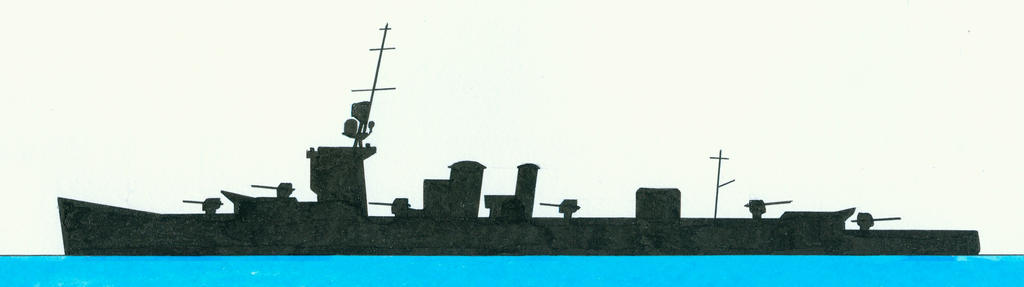
Danae-class
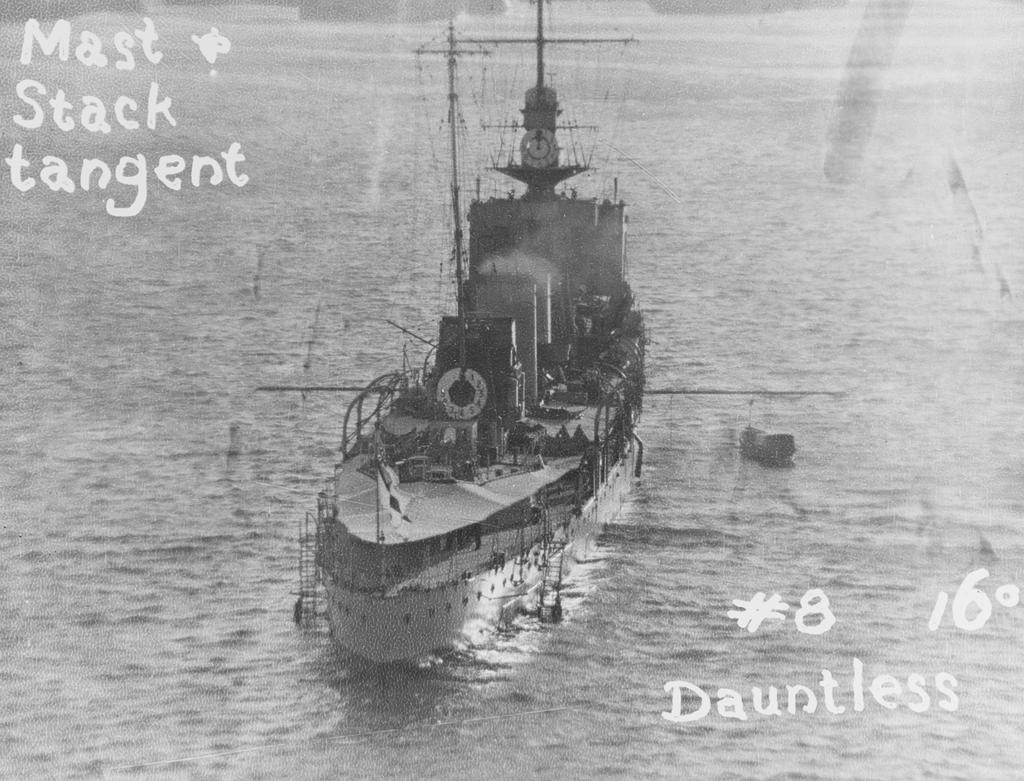
An item reported that British light cruiser HMS Dauntless was detailed to convey the bodies of US officers and men recovered from the R.38 back to New York, USA.
Notes
1. D45. Part of Danae-class light cruisers, preceded by C-class suceeded by Emerald-class, building ordered in September 1916, laid down by Palmers Shipbuilding and Iron Company, Jarrow, England on 3 January 1917, launched on 10 April 1918, commissioned on 22 November 1918 and broken up in April 1946.
2. The US Navy ZR-2. Of the R.38 or A-class rigid warships designed for the Royal Navy destroyed by a structural failure whe flyig over Hull on 24 August 21 with 44 of the 49 crewmembers killed.
Source
The National Archives, Kew Gardens, England CAB-24-127-74
Wednesday, 3 November 2021
Former German zeppelin L.72 added to the French navy according to the Secret Admiralty Weekly Intelligence Summary No. 3 dated 24 July 1920
An item reported that the former German zeppelin L.72 (1) was added to the French navy with the zeppelin L.20 coming on short notice.
Note
1. The L72 was built as LZ 114 by Zeppelin Luftschiffbau and was uncompleted when the First World War ended. She was handed over to French as war reparations en commissioned as Dixmude in the French navy and, first flight on 9 July 1920, was lost due to an explosion while in the air on 21 December 1923 off the Sicilian coast. Length x diameter 226.52 x 23.90 metres or 743.2 x 78.5 feet, a volume of 68.490 cubic metres/2.418.700 cubic feet x 6x235hp Maybach Mb IV-a 6 cylinder water-cooled piston engines.
Source
The National Archives CAB-24-109-98. Secret Admiralty Weekly Intelligence Summary No. 3 dated 24 July 1920.
Saturday, 20 March 2021
American airship hangar, Naval Air Station Rio Grande later Wildwood, Cape May, New Jersey 1941-1945

Established in Lower Township, Cape May County, NewJersey as the naval air station NAS Rio Grande on 194, opened in April 1943 but renamed NAS Wildwood in June 1943. After the Second World War handed over to civil local government and became Cape May Airpprt. The former Hangar 1 accommodates the Naval Air Station Wildwood Aviation Museum, after this hangar became in mid 1990s privater property.
The Italian naval air service station at Brindisi between 1916-1917 according to the Dutch magazine Marineblad dated 1920 no. 4
An item referred to notes of a naval officer of board of a British cruiser active in the Adriatic between August 1916-October 1917. He wrote that the Italian Navy in August 1916 possessed at Brindisi over a wood built shed on the norther shore of the outer shore where 15-20 flying boats could be stored, furthermore 2 slipways, a derrick strong to lift any aircraft at that moment in service, a storehouse and a small workshop. The aged cruiser Bausau accommodate the personnel and was moored alongside the northern wall of the canal. There was already preparations made for a substantial building of concrete and stone to store up to 30 flying boats with 6 slipways, storehouse and workshops. Foundations for six buildings to accommodate officers and personnel were laid. On the inshore side of the air station was the assembling of framework for 3 hangars for airships going on. Begin 1917 was the building for the flying boats nearly completed and already partly in use. One hangar for airships was completed and since February in use, the remaining two completed in April but there were just two airships stationed on the base.
Sunday, 8 March 2020
British navy interested in airship according to the Dutch newspaper Het nieuws van den dag: kleine courant dated 23 June 1909?
According to an item earlier published in the newspaper Standard prepared the British firm Vickers, Maxim & Co. secretly the building of large airship. It’s unknown if the British Admiralty is interested or if the builders got a subsidy.


Saturday, 21 September 2019
American navy and her airships according to the Dutch newspaper Het Vader land evening edition dated 15 November 1935
As a result with the disasters with the American naval airships approved president Roosevelt the proposal of the Secretary of Navy that the commission Durand (1) would investigate and report what the use was of airships for the navy. Unofficially was all ready said that the commission advised to stop the building of airships. Commander C.E. Rosendahl (2) stationed since 1924 at Lakehurst and considered to be an expert in this topic in the United States had another opinion. An airline between Los Angeles and London during just 2 days was at that moment complete reliable. The future of airships was one joined with planes in picking up and transferring passengers, freights and post.
Notes
1. There are several publications dealing with the conclusions of this commission. William Frederick Durand (5 March 1859-9 August 1958).
2. The later vice admiral Charles Emery Rosendahl (15 May 1892-17 May 1977) a strong supporter of airships who for instande commanded the Los Angeles (ZR-1) and who was involved in mooring to the airship tender Patoka and the carrier Saratoga for fuel and stores. In 1929 he was appointed as commander of the rigid airship training and Experimental Squadron at Lakehurst. See for more details at http://en.wikipedia.org/wiki/Charles_Emery_Rosendahl
Notes
1. There are several publications dealing with the conclusions of this commission. William Frederick Durand (5 March 1859-9 August 1958).
2. The later vice admiral Charles Emery Rosendahl (15 May 1892-17 May 1977) a strong supporter of airships who for instande commanded the Los Angeles (ZR-1) and who was involved in mooring to the airship tender Patoka and the carrier Saratoga for fuel and stores. In 1929 he was appointed as commander of the rigid airship training and Experimental Squadron at Lakehurst. See for more details at http://en.wikipedia.org/wiki/Charles_Emery_Rosendahl
Sunday, 1 September 2019
New American naval base for airships according to the Dutch newspaper Het Vaderland morning edition dated 20 January 1929
Washington, 28 January. The American secretary of Navy Wilbur requested the Congress to approve a budget of 5,000,000 dollar to establish a base for navy airships at the Pacific coast and 1,000,000 dollar to start with the construction.(1)
Note
1. Curtis Dwight Wilbur (Boonesboro, Iowa 10 May 1867San Francisco, California-8 September 1954), appointed as secretary on 19 March 1924 and was responsible for the increase and modernisation of the US navy and establishing the naval air force.
Note
1. Curtis Dwight Wilbur (Boonesboro, Iowa 10 May 1867San Francisco, California-8 September 1954), appointed as secretary on 19 March 1924 and was responsible for the increase and modernisation of the US navy and establishing the naval air force.
Tuesday, 28 May 2019
The Germany naval air service according to the Dutch newspaper Het nieuws van den dag voor Nederlandsch-Indië daily edition dated 19 December 1908
A small tiding dated Berlin 18 December 1908 reported that the department of navy ordered 4 airships of the Zeppelin type to be used for reconnaissance duties. At the same time were floating docks built who could be altered if necessary in barracks for airships.
Sunday, 19 May 2019
American naval policy according to the Dutch newspaper Het Vaderland: staat- en letterkundig nieuwsblad morning edition dated 1 July 1933
The Navy Office published a statement approved by the secretary dealing with the USA naval policy. At the East and West Coast of the USA were four naval bases to be developed, namely at the West coast Bremerton and San Francisco and at the East coast Hampton Roads and Narrangansett bay. Further more intended the USA to strengthen the fleet to the maximum limit allowed by the Naval Treaty of London. The American navy intended to maintain the airships of the stiff design just like the ones earlier build or still building.
Saturday, 3 March 2018
Germany wanted to use airships for public relations purposes according to the Dutch newspaper Marineblad dated 1936 no. 2
An item referred to the Proceedings dated December 1935 reported that the 10 airships bought by the USA in Germany were to be used for public relations purposes.
Monday, 5 June 2017
British admiralty ordered building of large airship according to the Dutch magazine Marineblad dated 1909-1910 no. 10
An item reported that the British admiralty ordered the building of a large airship by Vickers Sons&Maxim. The United Service Gazette even said it would become world largest airship with a length of 150 metres. The machinery consisted of 2-200 hp engines allowing a speed of 45 miles. He cargo capacity was 20 tons although in normal situations limited to 5 ton.
Tuesday, 25 April 2017
The numbers of warships of the US Navy in actual service according to the Dutch magazine Marineblad 1934 no. 7
An item referred to the magazine R.U.S.I. dated November 1934 reporting that the US Navy budget 1934-1935 reported that to be kept in service were 14 battleships, 15 heavy cruisers, 10 light cruisers, 72 destroyers, 54 submarines, 4 aircraft carriers, 5 minelayers and 1 air ship. Together with smaller ships and vessels like minesweepers, auxiliary ships and the coast guard were 306 ships and vessels available.
Thursday, 8 December 2016
Italian navy ship (ex-Grossherzog von Oldenburg 1906-1921) Città di Milano 1921-1943


Our thanks to Lazer_one for the drawings
Built at Schichau F. Werft, Danzig, Germany with yard number 771 as the cable layer ss Grossherzog von Oldenburg for account of the Norddeutsche Seekabelwerke AG in 1906. Ceded to the Italian government due to war reparations in 1921 still on her original navy and since 1921 at the Città di Milano from the Italian navy. Served in 1928 as support ship of the airship Italia of Umberto Nobile. Scuttled at Savona on 9 September 1943. Gross register tonnage 2.691 tons and as dimensions 92,6 x 12,7 metres. Machinery consisted of 2 triple steam engines allowing a speed of 12 knots.
Wednesday, 5 October 2016
Russian airship Clement according the Naval Annual 1913
Built by Clement in 1913. Displacement 10 tons, length 285’and diameter 59’. The armament consisted of 4 Hotchkiss guns.
Russian airship Zodiac according the Naval Annual 1913
Built by Zodiac in 1913. Displacement 10 tons, length 285’and diameter 59’. The armament consisted of 4 Hotchkiss guns.
Russian airship Zodiac according the Naval Annual 1913
Built by Zodiac in 1913. Displacement 10 tons, length 285’and diameter 59’. The armament consisted of 4 Hotchkiss guns.
Russian airship Parseval according the Naval Annual 1913
Built by Parseval in 1913. Displacement 10 tons, length 280’and diameter 59’. The armament consisted of 4 Hotchkiss guns. Fitted out with 2 Maybach engines with a total horsepower of 340 hp.
Russian airship Astra according the Naval Annual 1913
Built by Astra in 1913. Displacement 10 tons, length 285’and diameter 59’. The armament consisted of 4 Hotchkiss guns. Fitted out with 2 Chenu engines with a total horsepower of 400 hp.
Subscribe to:
Posts (Atom)