Translate

Showing posts with label Surinam. Show all posts

Thursday, 26 March 2026

Allied aircraft searching for enemy submarines along Surinam and Guiana coasts according to the U.S. Joint Intelligence Committee. Daily summary dated 25 February 1942

An item reported that reconnaissance flights above the coasts of Surinam and French Guinea including interior rivers and inlets between the Maroni river and the Oyapock during the past two days showed no sign of enemy submarines, bases or depot ships. It was strongly believed that both coastlines offered no practicable refugee for submarines.

Source

Map Room Papers (Roosevelt Administration), 1942 - 1945. MR0423. U.S. Joint Intelligence Committee. Daily summary No. 77 dated 25 February 1942

Monday, 27 October 2025

Dutch schooner Zr.Ms. De Vos arrived at Curacao according to the Dutch newspaper De Curacaosche courant dated 24 April 1847

An item reported the arrival on Saturday the 17th April of the Dutch schooner Zr.Ms. De Vos lieutenant 1st class J. de Haan coming from Surinam.(1)

Note

1. Laid down at navy yard at Rotterdam, Netherlands in 1843, launched on 29 July 1844, stricken and broken up in 1852-1853, displacement 27,00 x 8,30 x 3,20 metres, a displacement of 198 tons and an armament of 3 guns. 

Friday, 5 September 2025

Positions of German submarines in the Western Atlantic according to the U.S. Joint Intelligence Committee. Daily summary dated 28 February 1942

An item reported that in the Western Atlantic were 31 German submarines present:

1 in the area Paramaibo-Trinidad-Barbados

1 on 300 miles east of Barbados

5 in the Caribbean of which 2 in the Aruba area and 1 north west of Trinidad

1 leaving the Windward Passage

1 in the Mona Passage returning home

2 between Florida, USA and Cuba or the Bahamas

2 within 150 miles of Cape Henry

1 on 60 miles south east of New York

1 near Bermuda

2 off Nova Scotia

4 to southward of Newfoundland

10 in the mid Atlantic

Source

Map Room Papers (Roosevelt Administration), 1942 - 1945. MR0423. U.S. Joint Intelligence Committee. Daily summary No. 80 dated 28 February 1942

Saturday, 6 April 2024

The locations of enemy submarines in the Western Atlantic according to the U.S. Joint Intelligence Committee. Daily summary dated 28 February 1942

An item reported that according to estimates 31 u-boats were active in the Western Atlantic on the locations:

1 area Paramaribo, Surinam-Trinidad-Barbados

1 300 miles east of Barbados

5 in Caribbean (2 Aruba area 1 north west of Trinidad)

1 leaving Windward passage

1 in Mona Passage returning home

2 between Florida, USA and Cuba or Bahamas

2 within 150 miles of Cape Henry, Usa

1 60 miles south east of New York, Usa

1 near Bermuda

2 off Nova Scotia, Canada

4 to southward of Newfoundland

10 in mid Atlantic

Source

Map Room Papers (Roosevelt Administration), 1942 - 1945. U.S. Joint Intelligence Committee. Daily summary No. 80 dated 28 February 1942

Wednesday, 30 August 2023

Enemy submarines active in the Trinidad vicinity according to the U.S. Joint Intelligence Committee. Daily summary dated 7 August 1942

An item reported that most of the attacks by enemy submarines in July were in Trinidad vicinity mostly to the eastward. Most of the other attacks were scattered over a greater part of the area westward the longitude of the Azores and northward about the latitude of Paramaribo, Surinam. It was believed that on 6 August 8 enemy submarines (including 3 Italian) were present within a radius of around 800 nautical mils to the eastward of Trinidad. This was the largest concentration.

Source

Map Room Papers (Roosevelt Administration), 1942 - 1945. U.S. Joint Intelligence Committee. Daily summary No. 240 dated 7 August 1942.

Thursday, 13 October 2022

Enemy submarines sinking bauxite loaded cargo ships according to the U.S. Joint Intelligence Committee. Daily summary dated 6 March 1942

An item reported that since 20 February enemy submarines sunk three bauxite loaded cargo ships coming from the Guianas. (1) The J.I.C. commented that at that moment the Guianas delivered 40% of the bauxite needed or the aluminium-production in the USA.

Note

1. The Co-operative Republic of Guyana (in 1942 still British Guiana), French Guiana and Dutch Guiana or Suriname.

Source

Map Room Papers (Roosevelt Administration), 1942 - 1945. U.S. Joint Intelligence Committee. Daily summary No. 86 dated 6 March 1942.

Sunday, 28 August 2022

Canadian cargo ship Lennox sunk by German submarine U-129 according to the U.S. Joint Intelligence Committee. Daily summary dated 2 March 1942

An item reported that the screw steamship Lennox underway from Surinam and Trinidad was sunk by a submarine. The submarine came to the surface, supplied the course to the nearest land and asked if they needed anything. The scene was was filmed. The crew of the Lennox described the submarine as painted gray black with the number ZO 19 and thought she was new and clean. The submarine crew was described as young, clean shaven and tanned wearing blue shrts with yellow belts. Their spokesman spoke good English.(1)

Note

1. The Dutch newspaper De West dated 16 March 1942 reported that she was Canada-flagged and called her a bauxite freighter. Torpedoed and sunk on 23 February by the German submarine U-129. Homeport Montreal, Canada, owned by Canada Steamship Lines Ltd., Montreal and built by Swan, Hunter&Wigham Richardson Ltd., Wallsend, Sunderland, England in 1923.

Source

Map Room Papers (Roosevelt Administration), 1942 - 1945. U.S. Joint Intelligence Committee. Daily summary No. 82 dated 2 March 1942

Saturday, 26 June 2021

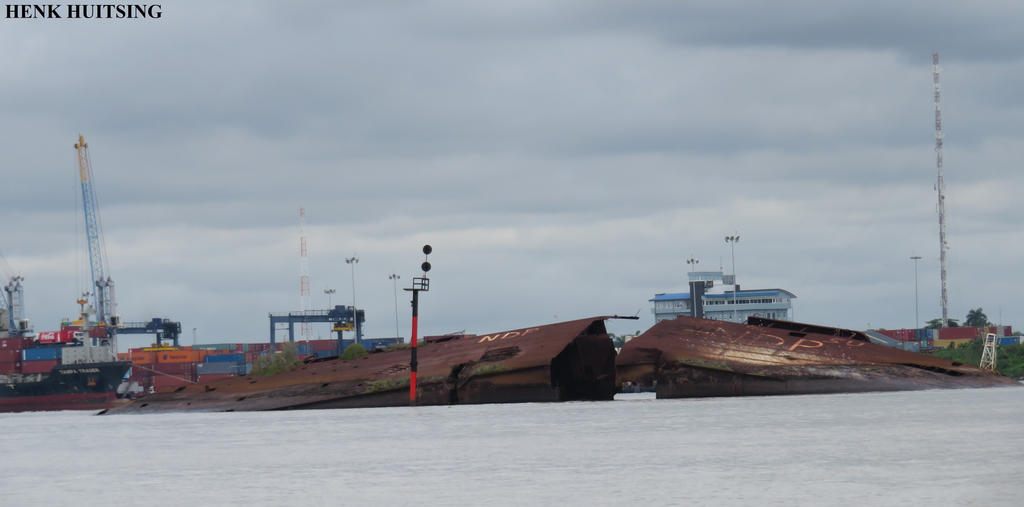
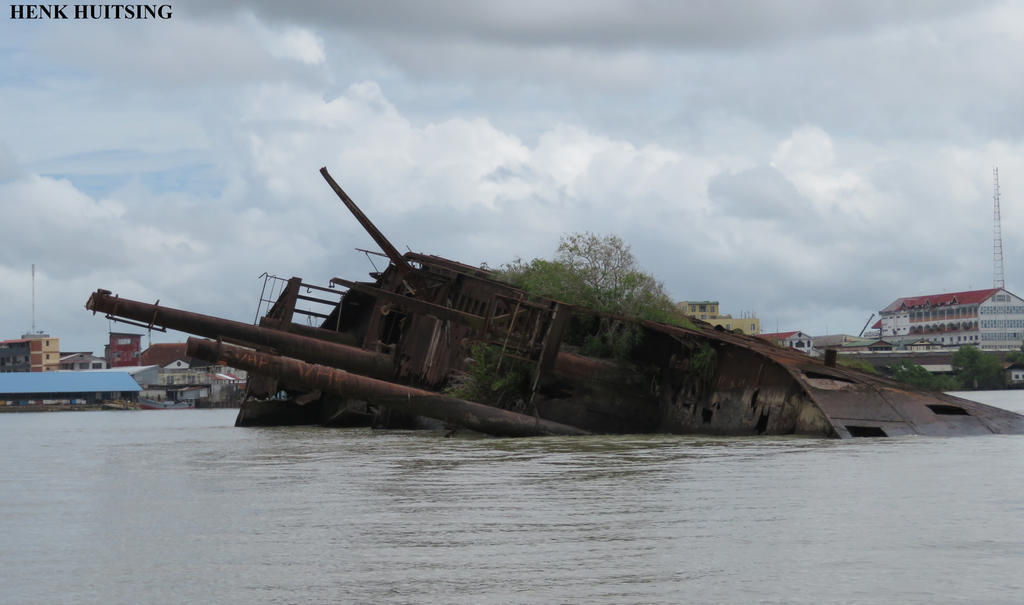
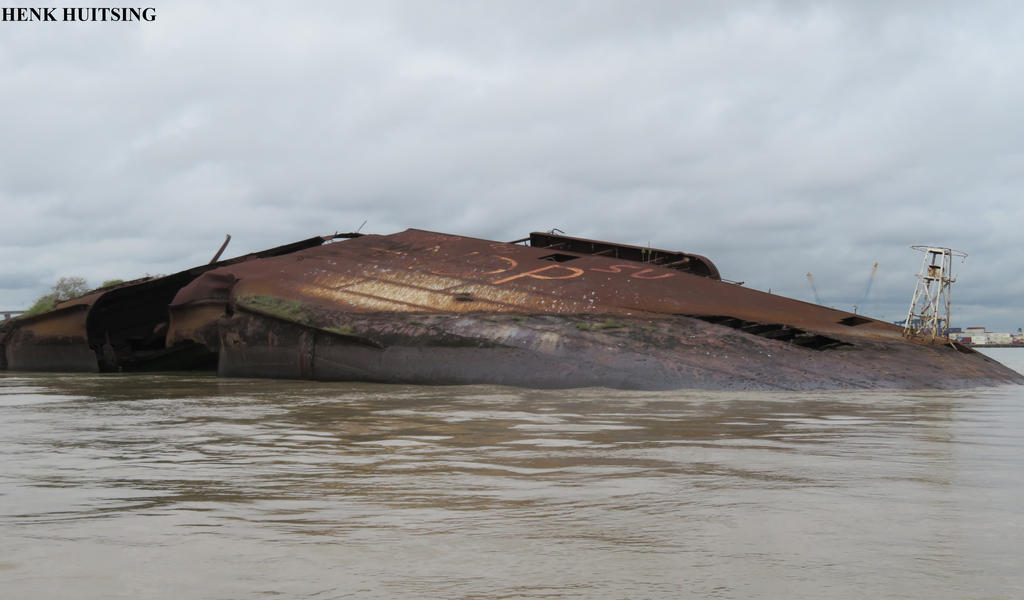
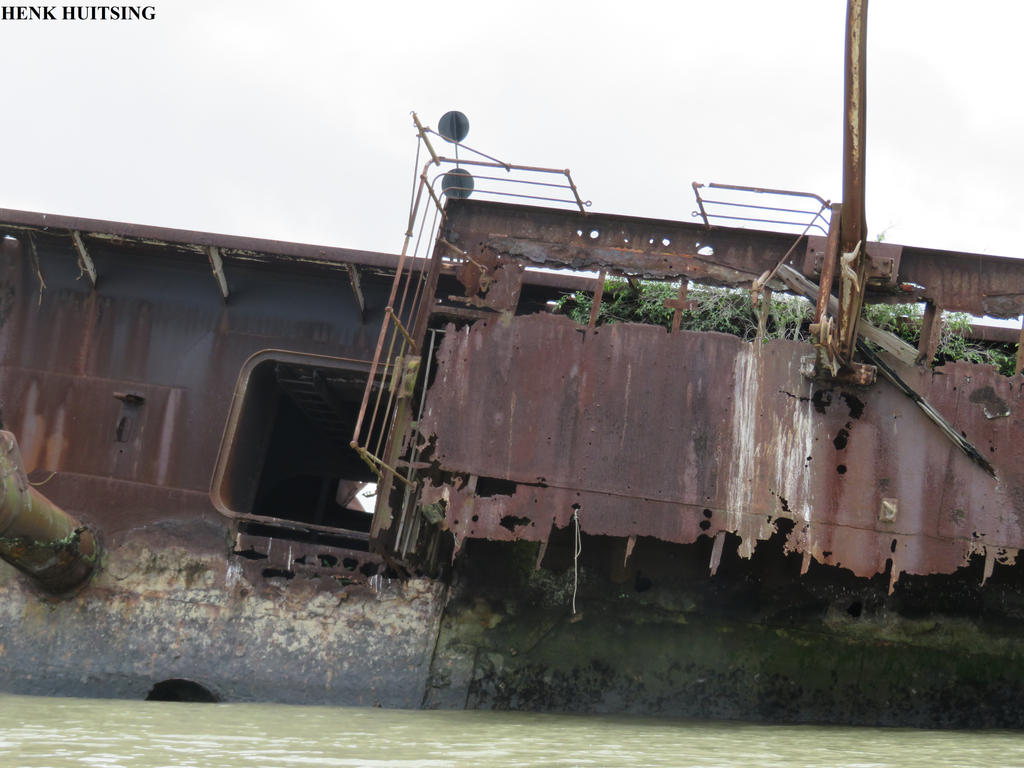
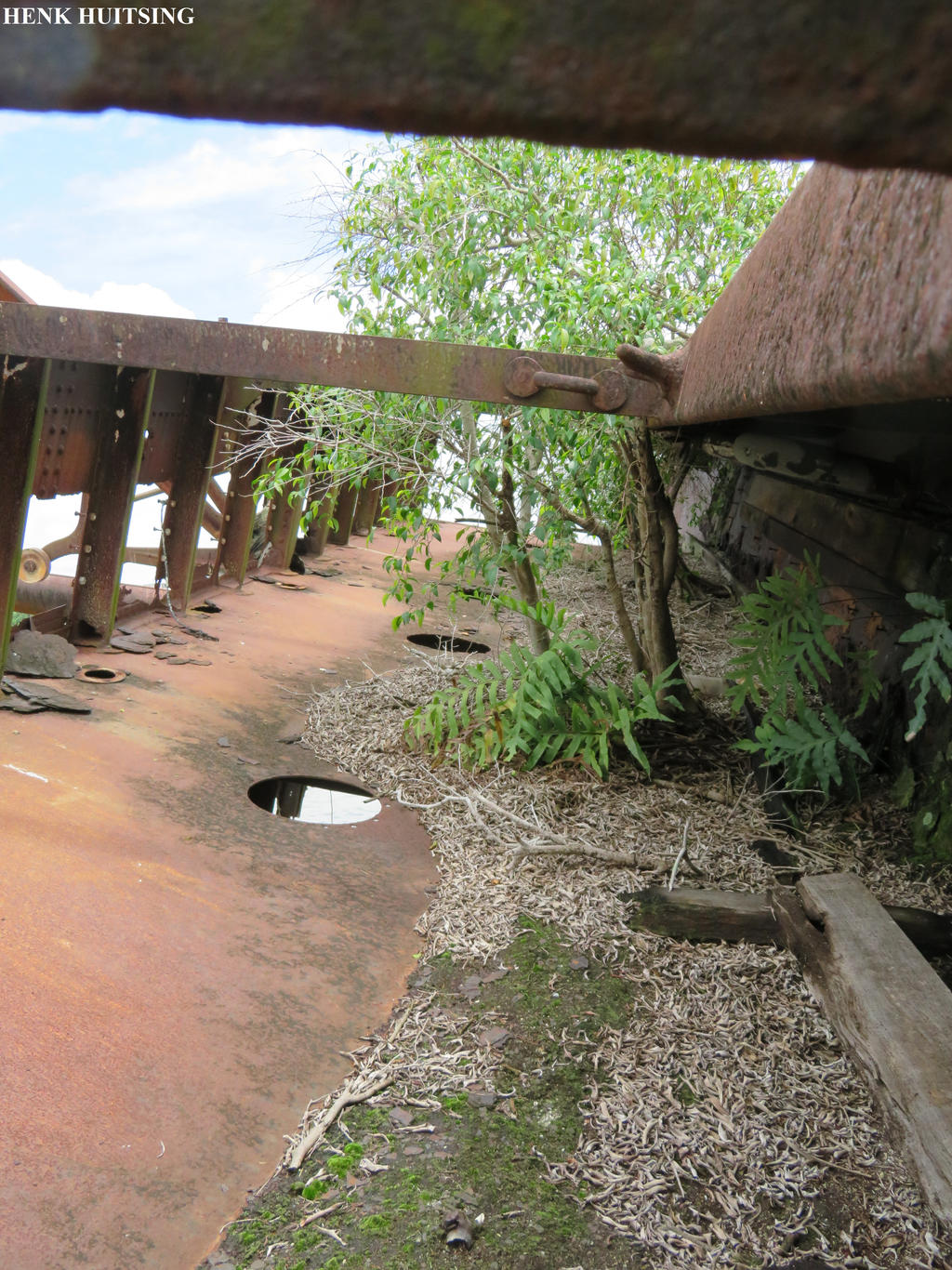
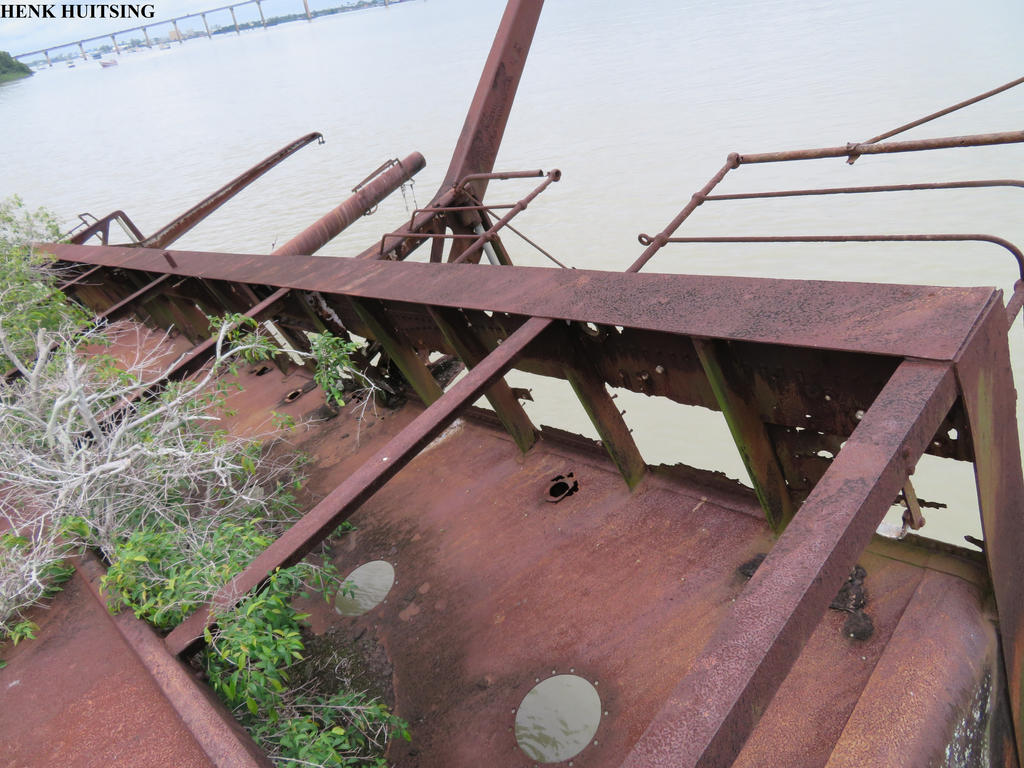
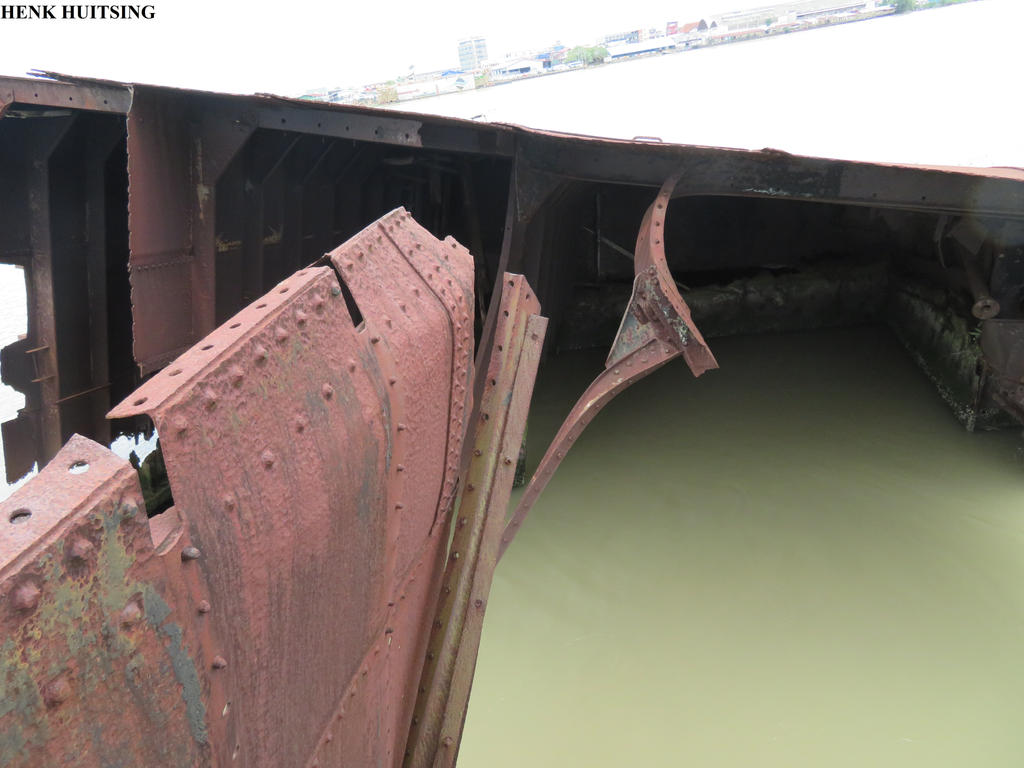
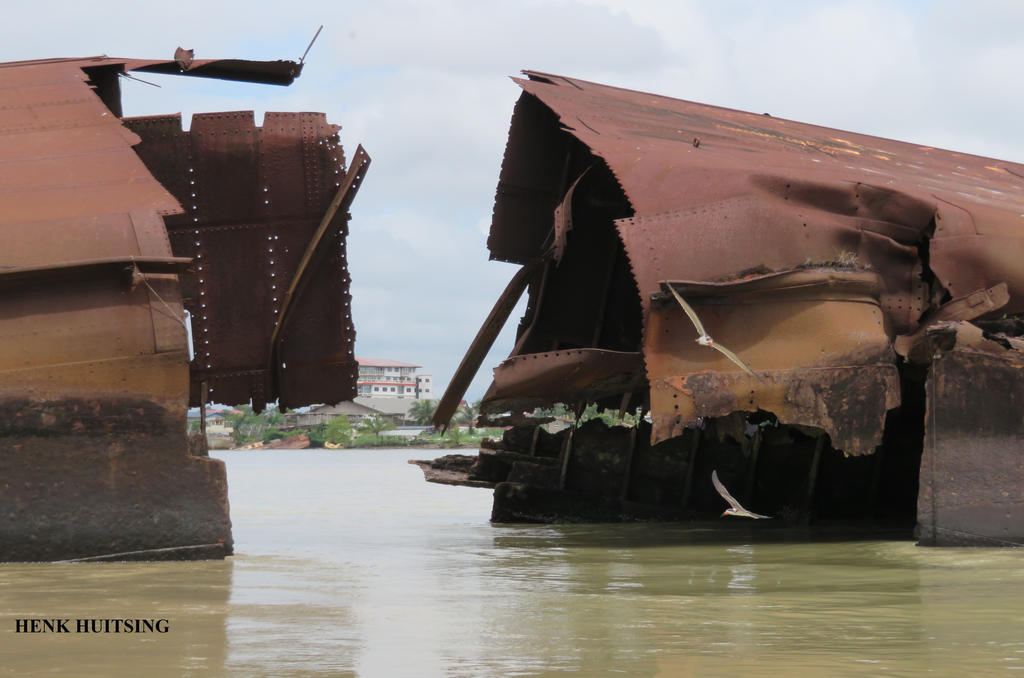
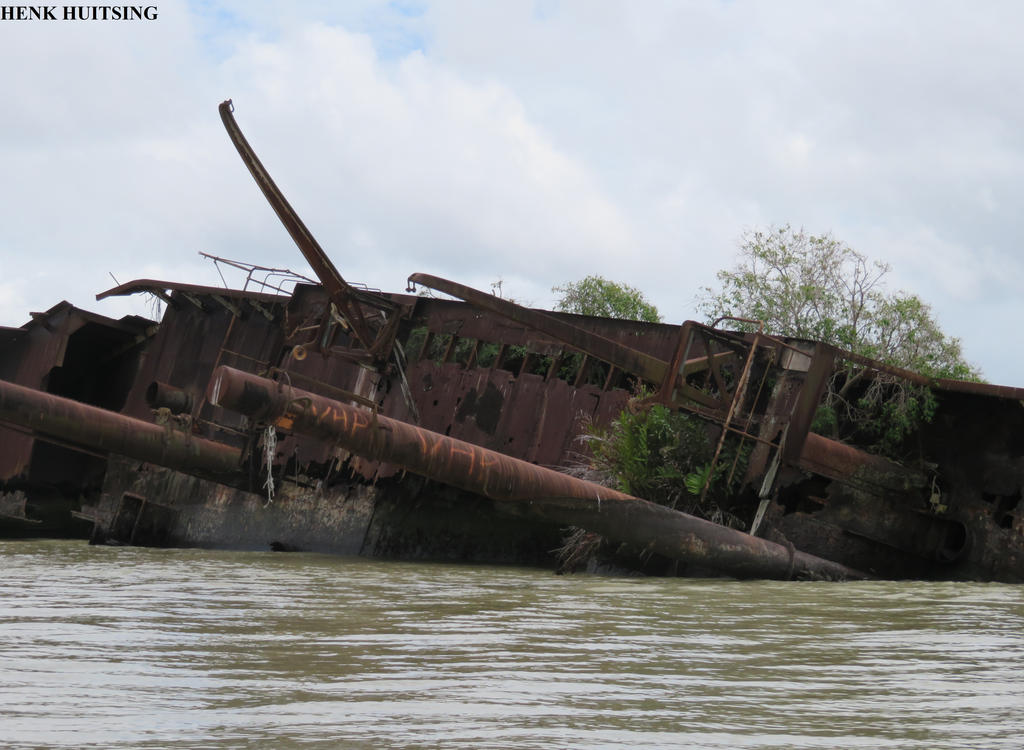
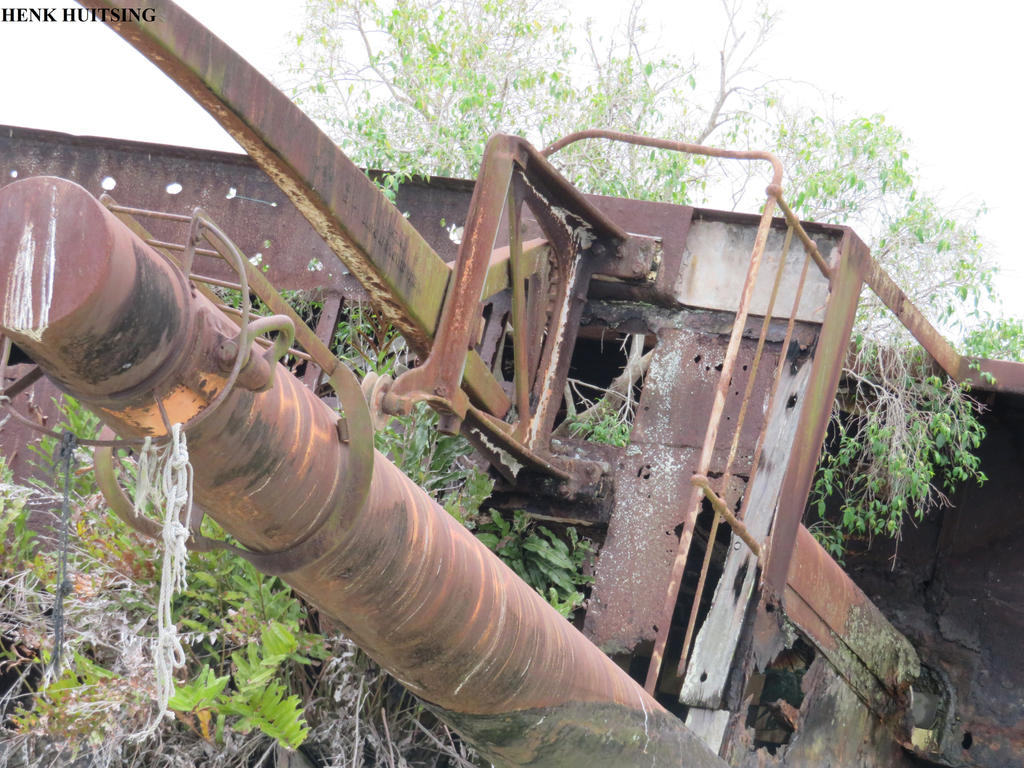
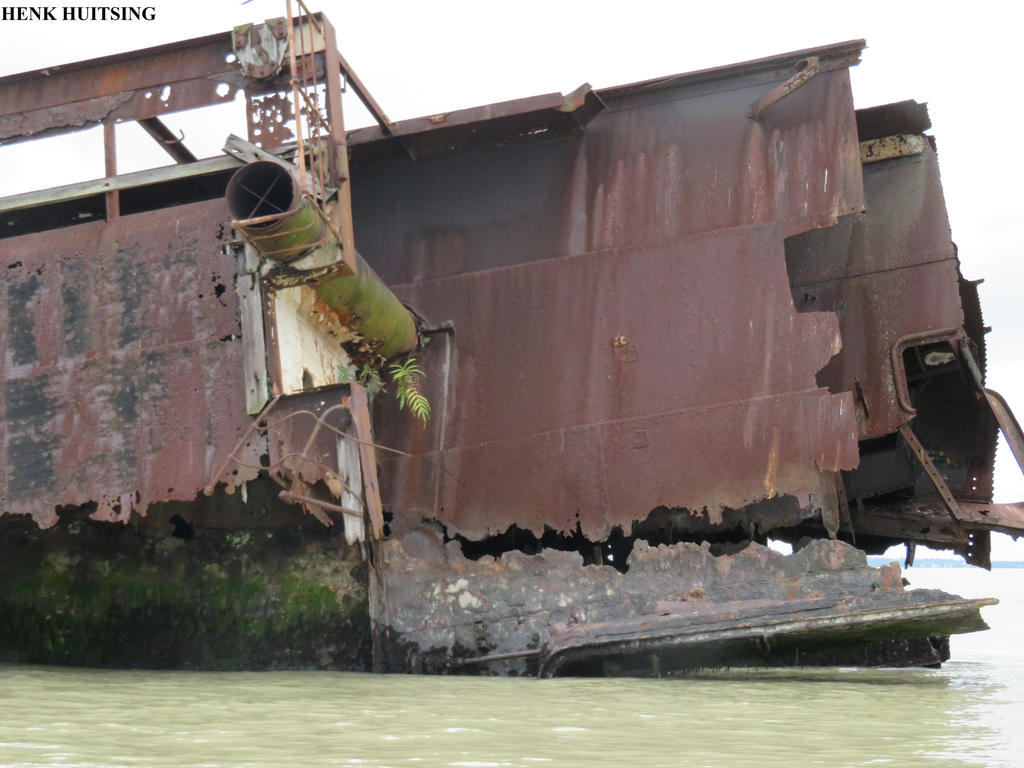
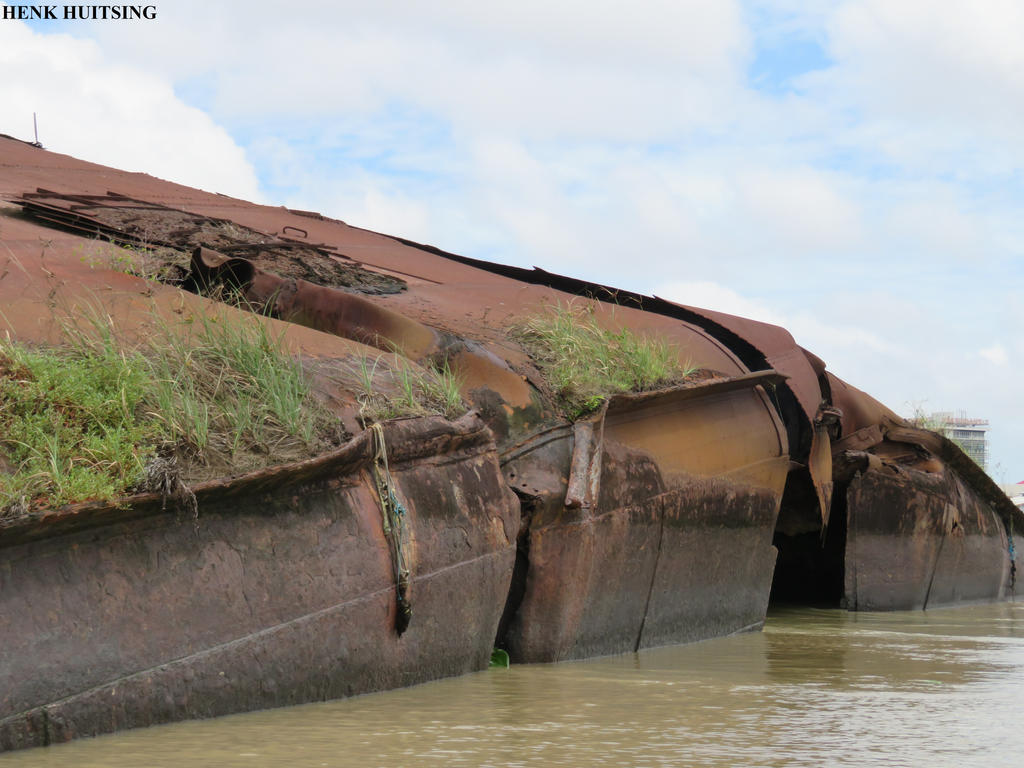
The wreck of the German turbine steamship Goslar (1929-1940) at Paramaribo, Surinam

Paramaribo, Surinam 24 April 2019

Part of the Frankfurt-class cargo ships consisting of the Frankfurt, Chemnitz, Erlangen and Frankfurt built for the Norddeutschen Lloyd for the shipping on Australia and New Zealand. Launched by Blohm&Voss, Hamburg, Germany with yard number 485 on 3 October 1929 and commissioned on 30 November 1929. She steamed also towards the USA and the South American West coast. With a deadweight of 9.690 tons, gross register tonnage of 6.040 tons and as dimensions 449.6 (overall, 143,25 metres) x 57.8 x 26.3 feet The one set turbines delivered 3.800hp allowing with her single screw a speed of 13,25 knots.


Paramaribo, Surinam 24 April 2019

On 1 September 1939 invaded Germany Poland and the Second World War was a fact. Tow days later declared France and the United Kingdom war on Germany. The Goslar with as master Berghoff left in the end of August the USA and received orders from Bremen to seek at one refugee in a neutral harbour. Berghoff choose for Paramaribo, Surinam where probably none warships of the enemy was to be expected. In the meantime was the ship some disguised by changing the name and repainting the funnel. Further more were preparations undertaken to scuttle her if necessary. In the night of 5-6 September she arrived at what would became her final destination. On board were 15 German and 49 Chinese crewmembers. Some troubles among the crew soon appeared. The newspaper De Surinamer dated 9 September 1939 reported that something went wrong on board of the recently arrived Goslar. The major part of her crew consisted of Chinese sailors who now refused to serve any longer under her master and wanted to return to China. In the meantime got the Dutch police involved in this affaire. De edition dated 20 September reported that the Chinese sailors were released from detention [in Fort Zeelandia] and went on board again. The newspaper Suriname: koloniaal nieuwsblad dated Wednesday 27 December 1939 reported the departure on Sunday of the Chinese sailors with the Italian ship Ratio. The Ratio was with her 11.00 tons too large to enter the harbour and the Bernard was used to transport the men to their transport. On board of the Ratio were already 100 Chinese sailors coming from German merchant ships which seek refugee in the West Indies harbour. The problems on board of the Goslar in September were solved by an agreement that the Chinese sailors served on board until the end of the year as contracted and in the new year could get a new contract or permission to leave.


Paramaribo, Surinam 24 April 2019

The newspaper Suriname dated 22 January 1940 reported that the harbour was busy where and that moment six large ships were berthed including the Goslar which was now accepted as a permanent guest. Although the war went on, nothing really changed in the Dutch colony. Times were however to change radically. The newspaper De Surinamer dated 24 January reported that the name of the Italian ship which took the Chinese sailors in December was called Orazio and not Ratio. She was however lost by fire near by the French harbour Toulon. When the war broke out between Germany and the Netherlands on 10 May 1940 scuttled her crew the ship in the night before. Next were they interned. Her master however protested against his internment. On 5 October 1940 wrote the governor of Surinam to the 1st lieutenant of the KNIL J.C. Postma that he did not object for a temporarily mix of people of different races and/or nations in the one and the same camp/building. There were however precautions to be taken to prevent any unwanted contact. The letter of the German master is however lacking. The ship was in the same month declared prize.


Paramaribo, Surinam 24 April 2019

Plans soon were made to salvage her. Already in May 1940 were the Shaw Steamship Corporation Limited, Montreal, Canada and the Firm Merritt Chapman, Kingston, Jamaica interested. A reporter of De West dated 6 December 1945 wondered when the wreck was blown up. The edition of 16 December 1946 reported that the Dutch cabinet sent an expert to Surinam but there was still no decision taken. Het nieuws dated 28 February 1946 wrote that the wreck was now lying almost 6 years in the river and that on board was a light fitted flashing in the night every few seconds to warn passing ships. However with no success as several ships collided and further more reckless young people despite the dangerous current. De Surinamer dated 24 April 1947 published a remarkable rumour. The Goslar was to be sold to the Venezuelan cabinet while Germans were to be sent from Venezuela to salvage her. The reporter hoped that it was a false rumour. That same year wrote the Nederlandsche Maatschappij voor Havenwerken that the costs were estimated to be 540.000 but even could raise to one million Dutch guilders! The same company wrote in 1948 not to be really interested in the job.


Paramaribo, Surinam 24 April 2019

A letter dated 17 February 1948 to the counsellor of the Department of Finance made clear that a salvage was out of the question so she was to be broken up, estimated costs around 500.000 Dutch guilders. Not the Dutch government but Surinam would have pay for this. Already in 1940 wrote the Dutch shipping company K.N.S.M. that the revenues of her sale would probably not be enough to compensate the costs of salvaging her without breaking up. Another tender came from the Bruynzeels Bergings Maatschappij in March 1948. They asked ƒ 563.225, but lacking permission to finance this project was in April this firm answered that nothing was to be done.


Paramaribo, Surinam 24 April 2019

The newspapers of the next years continuously reported about the wreck. De West dated 15 September 1950 reported that the Minsiter van Verkeer en Waterstaat stated that it was in fact a Surinam problem while his colleague of Uniezaken en Overzeese Rijksdelen claimed that salvage was technical and financial points of view impossible and nautical point of view not necessary. De Surinamer dated 14 November 1953 reported the arrival of the diver Jack Donald Smith an that the salvaging efforts were expected to be hurried up. With rough weather was sighted that the wreck moved. Het nieuws dated 18 November 1954 reported the arrival of Percival Beam, a merchant in scrapped iron on Trinidad for negotiations with the Alcora Corporation over breaking up her wreck.


Paramaribo, Surinam 24 April 2019

The results can clearly be shown in the photographs of the Goslar also known as Van Beekeiland made by Henk Huitsing (thanks!).

Sources
Several newspapers as mentioned in the text
Archive Gouverneur van Suriname. Geheim Archief (Nationaal Archive, The Hague) inventory numbers 818 and 893. 

Thursday, 22 April 2021

Dutch inland tug (ex-Ready 1912-1955, Helena 1955) Rodeur 1955-

Vianen, Netherlands 18 May 2007

Netherlands-flagged, ENI 2303708, MMSI 244690644 and call sign PF4529. Built by Boele&Zn., Slikkerveer, Netherlands with yard number 550 in 1912. The original Boele 15ihp steam engine is later replaced by 1-400hp Volvo Penta TAMD 122A engine. Dimensions 17,00 (original)-17,30 (nowadays) x 4,20 (original)-4,25 (nowadays) x 171 metres. Built as Ready for NV Sleepboot Maatschappij Ready, Rotterdam, Netherlands, since 1941 of Arnold Maassen handelmaatschappij, Maastricht, Netherlands, renamed Helena of Mantel&Korting, Amsterdam, Netherlands and same year renamed Rodeur and since than of several Dutch private owners. Sold in 2019 towards Surinam to be used for towing wood rafts on the Surinam river.

Friday, 24 July 2020

Dutch corvette Zr.Ms. Eendragt departed Hellevoetsluis, Netherlands towards Surinam according to the Dutch newspaper Middelburgsche Courant dated 28 December 1822

An item dated Amsterdam, Netherlands the 23rd reported that the Dutch corvette Zr.Ms. Eendragt captain Schröder departed on the 13th from Hellevoetsluis, Netherlands towards Surinam and passed on the 15th with some merchant ships Deal.(1)

Note
1. Ex-Bellona, ex-La Nyade, Netherlands, on stocks at the navy yard at Amsterdam, Netherlands December 1811, launched April 1814, broken up 1840, 20 guns.

Wednesday, 15 July 2020

Dutch gunboats Nickerie and Coppename broken up according to a spot fresh in the Dutch newspaper Surinaamsch weekblad 27 October 1861

A spot fresh dealing with a conversation between two persons said that the whole coppered en galvanized colonial navy was gone. The subject were the Niekeri [Nickerie] and the Coppename built in Surinam as a en experiment a year of what earlier. Costs more as 100.000 guilders and now sold for just 2.000 to be broken up.(1)

Note
1. Both were gunboats laid down at Amsterdam in 1851, launched in 1853, an armament of 2 guns and as dimensions 18,50 x 5,80 x 1,40 metres for service in the Dutch West Indies. So they were older as was suggested in the spot fresh. The newspaper Surinaamsche courant en Gouvernements advertentieblad dated 26 September published an announcement that on 1 October auction master A. Salomons would sell at Paramaribo the coppered gunboat Coppename with inventory/ The Surinaamsche weekblad dated 6 October reported that she was sold for ƒ 790 to Gebrs. Van Praag. The annual account dealing with the Dutch possessions in the West Indies over 1861 reported that she was repaired and again available for service. Elsewhere is reported that her sale was authorized. The Nickerie was although still mentioned in the account over 1857. The account over 1858 report that’s she was sold to be broken up.

Wednesday, 15 April 2020

Dutch bark Albatros destined for Surinam with soldiers according to the Dutch newspaper Heldersche en Nieuwedieper Courant dated 24 February 1869

An item reported that the Dutch bark ship Albatros captain H.H. Koch accepted the order to transport a detachment of 50 soldiers towards Surinam, The detachment was to embark at Den Helder, Netherlands on 27 March.

Ship Albatros destined towards Surinam according to the Dutch newspaper Heldersche en Nieuwedieper Courant dated 9 November 1862

An item dated Den Helder 8th reported that on the 17th a detachment soldiers would embarked the Albatros captain H.H. Koch. The detachment commanded by 2nd lieutenant of the artillery E..F. Creutz was part of the Dutch West Indies army and was to be transported to Surinam.

Tuesday, 7 April 2020

Dutch bark Onderneming launched at Middelburg, Netherlands according to the Dutch newspaper Middelburgsche Courant dated Tuesday 21 April 1840

An item dated Middelburg the 20th reported that on the Saturday before at the shipyard of the Commercie Compagnie at Middelburg the Dutch bark Onderneming was launched. Built for account of Boddaert&Co., Middelburg, intended captain P.J. Kasse en bound for the shipping on Surinam.

Saturday, 4 April 2020

Dutch schooner brig Zr.Ms. Ternate departed Curacao towards Surinam according to the Dutch newspaper De Curacaosche courant dated 25 October 1851

An item reported the departure Willemstad, Curacao on Sunday the 19th Tuesday of the Dutch schooner brig Zr.Ms. Ternate lieutenant 1st class A. Klinkert towards Surinam.(1)

Note
1. Brigantine/schooner brig, wood-built, on stocks at navy yard at Amsterdam, Netherlands June 1846, launched 1849, docked at the navy yard of Hellevoetsluis, Netherlands 25 October-7 December 1852 and 16-19 May 1859, training ship 1876, stricken 1893, condemned 1904, dimensions 28,50 x 8,70 x 3,30 metres, 252 tons displacement, an armament of 4 (1877: medium:30-pd guns)-6 guns and a crew numbering 96 men (1 October 1877).

Dutch brig Zr.Ms. Sperwer arrived at Curacao returning from Surinam De Curacaosche courant dated 14 June 1851

An item reported the arrival at Willemstad, Curacao  on Thursday of the Dutch brig Zr.Ms. Sperwer captain lieutenant J.W.F. Frucht coming from Surinam.(1)

Note
1. Brig 1st class, laid down at the navy yard at Vlisingen, Netherlands on 13 May 1840, launched on 9 May 1845, dry docked at the navy yard at Hellevoetsluis, Netherlands 13-18 April 1849, 10-18 June 185225 February-4 March 1857, 1-4 June 1860 and 13-16 October 1868, stricken 1873, displacement of 546 tons and as dimensions 31,50 x 9,50 x 4,50 metres, an armament of 18 guns and a crew of 100 men.

Dutch transport Zr.Ms. Prins Willem Frederik Hendrik arrived at Curacao coming from Surinam according to the Dutch newspaper De Curacaosche courant dated 14 April 1855

An item reported the arrival at Willemstad, Curacao on Monday the 9th of the Dutch transport Zr.Ms. Prins Willem Frederik Hendrik lieutenant 1st class J.W. de Ruyter de Wildt coming from Surinam. (1)

Note
1. Launched at the shipyard of the Commercie Compagnie at Middelburg, Netherlands by F. Haverkamp on 10 September 1832, bought 1832, docked at the navy yard of Hellevoetsluis, Netherlands 20-25 November 1835, 24 October 1838-15 January 1839, 10-11 August 1840, 14-16 November 1843, 24-26 July 1844, 29 May-18 June 1845, 22-25 June 1847, 14 September-25 October 1849, 12-15 August 1851 and 20 September-14 October 1852, returning with damage from the Dutch East Indies condemned and sold lying in the Simonsbay, South Africa 1857, dimensions 33,70 x 9,14 x 3,80 metres and an armament of 8 guns.

Dutch screw steam packet schooner Paramaribo underway from Netherlands towards Surinam according to the Dutch newspaper De Curacaosche courant dated 15 April 1854

An item reported the departure from Nieuwediep, Netherlands on 12 March of the newly built Dutch screw steam schooner Paramaribo captain H.H. Zeylstra towards Paramaribo, Surinam to be used there as a packet.

Dutch brig Zr.Ms. Panter arrived at Curacao coming from ccording to the Dutch newspaper De Curacaosche courant dated 6 December 1828

An item reported the arrival at Curacao coming from Surinam on Friday the 5th of the Dutch brig Zr.Ms. Panter captain lieutenant Buis coming from Surinam.(1)

Note
1. Brig 1st class Panter/Panther, laid down at the navy yard at Vlissingen, Netherlands by C. Soetermeer, on 24 June 1823, launched on 8 April 1826, dry docked at the navy yard at Hellevoetsluis, Netherlands 9 May-11 July 1837, sold on public auction at Surabaya, Dutch East Indies on Saturday 3 May 1845, dimensions 31,5 x 9,3 x 4,5 (depth of hold) metres and an armament 18 guns.