Translate

Showing posts with label Battleships. Show all posts

Saturday, 24 October 2026

Discussions in French Chambre des Désputés whether to built battleships or cruisers according to the Australian newspaper The Daily Telegraph dated Friday 9 March 1906

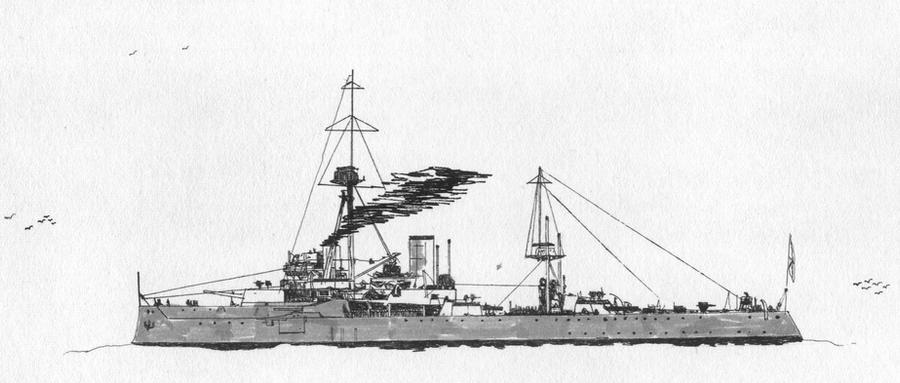
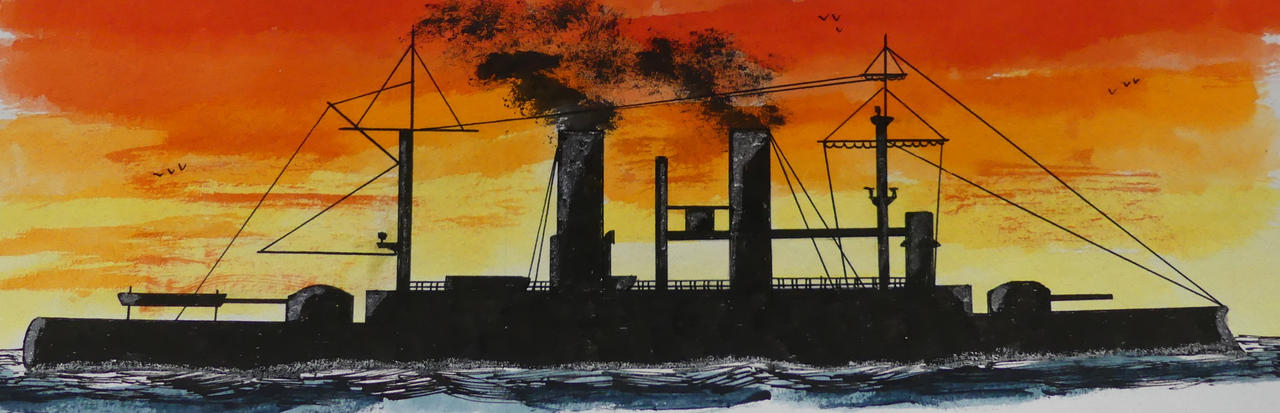
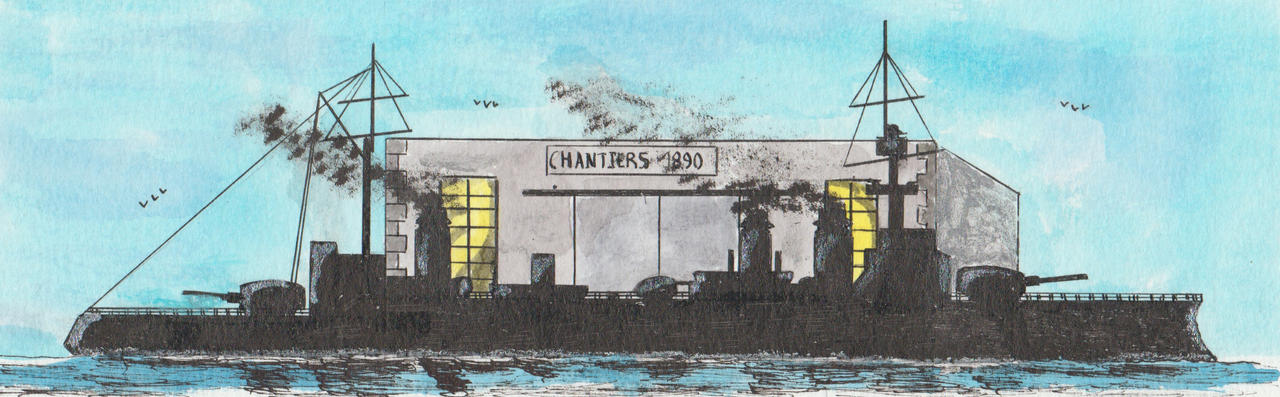
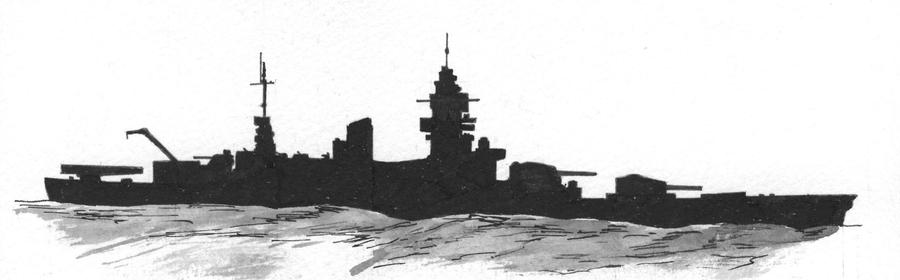
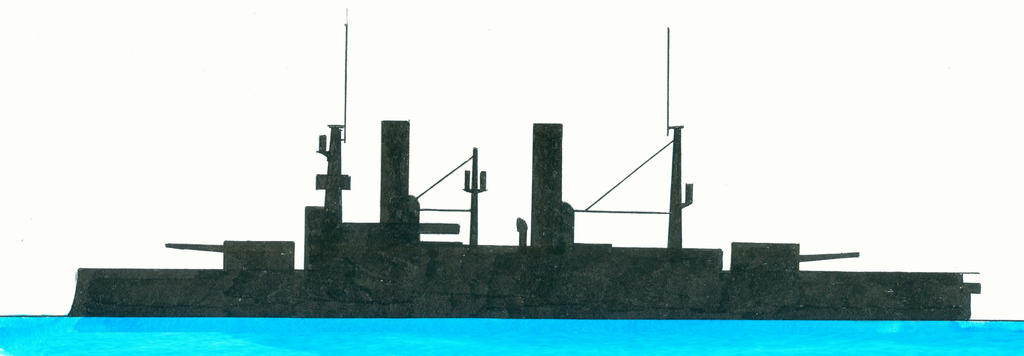
 République-class. ©Warshipsresearch.blogspot.com

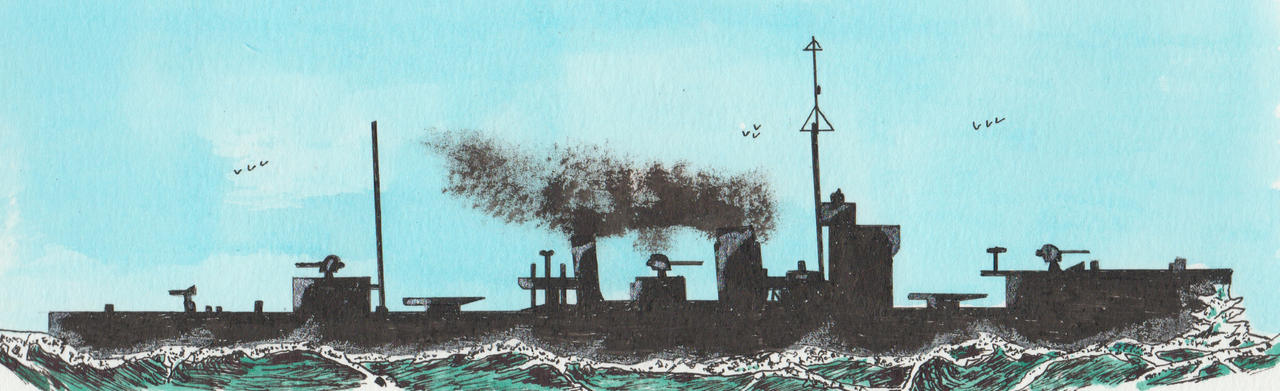
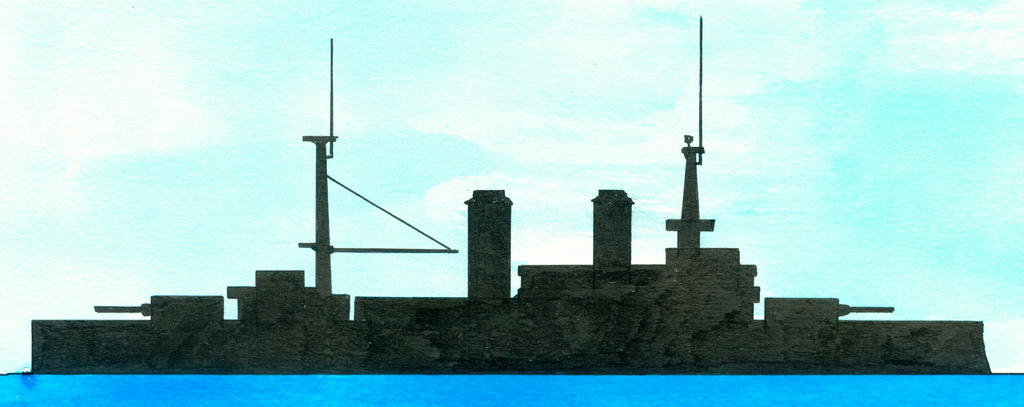
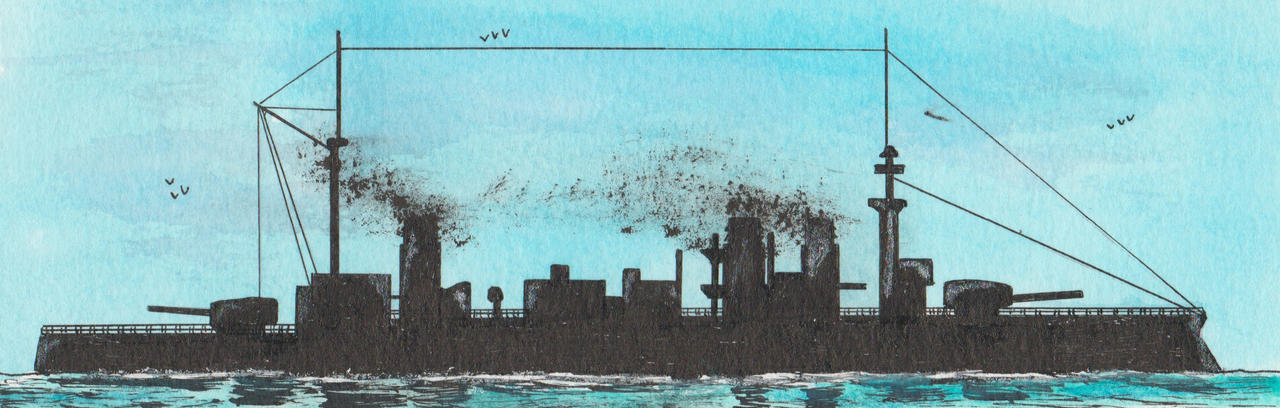
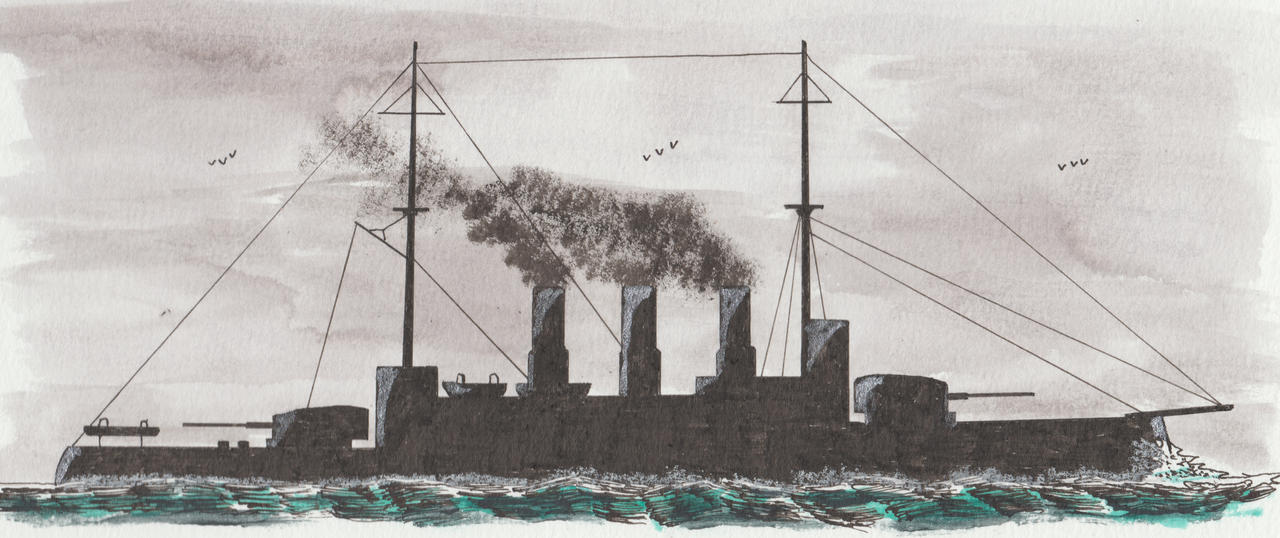
Liberté-class. ©Warshipsresearch.blogspot.com
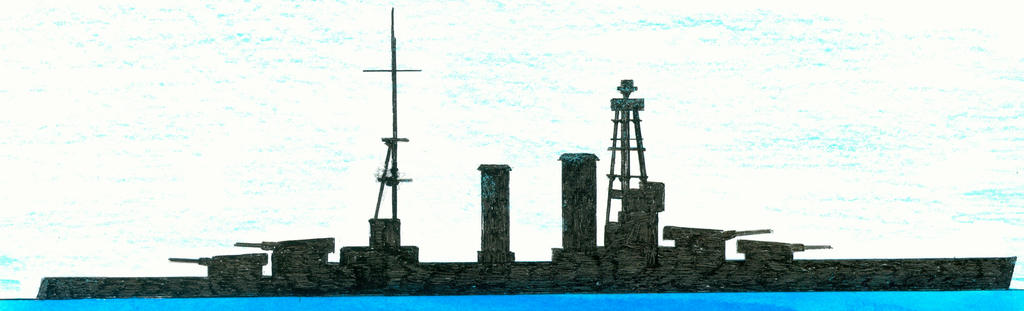
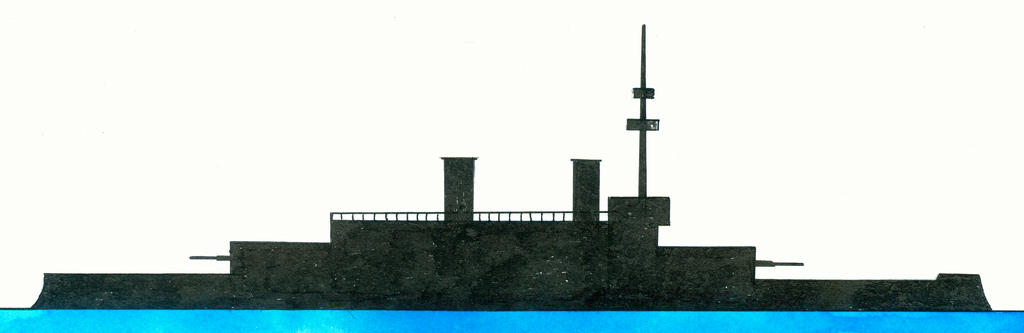
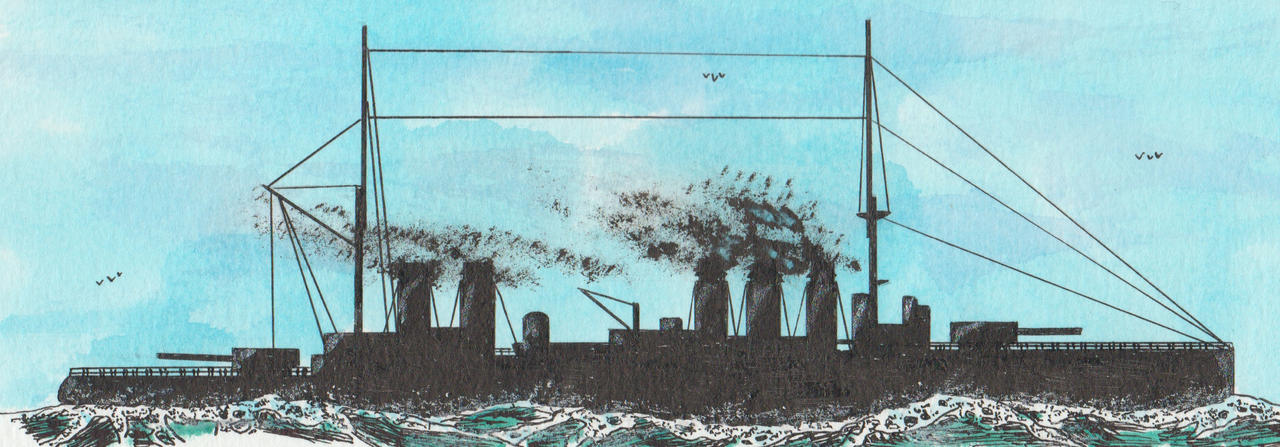
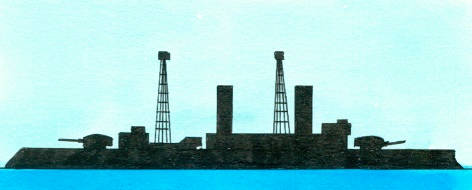
Danton-class. ©Warshipsresearch.blogspot.com

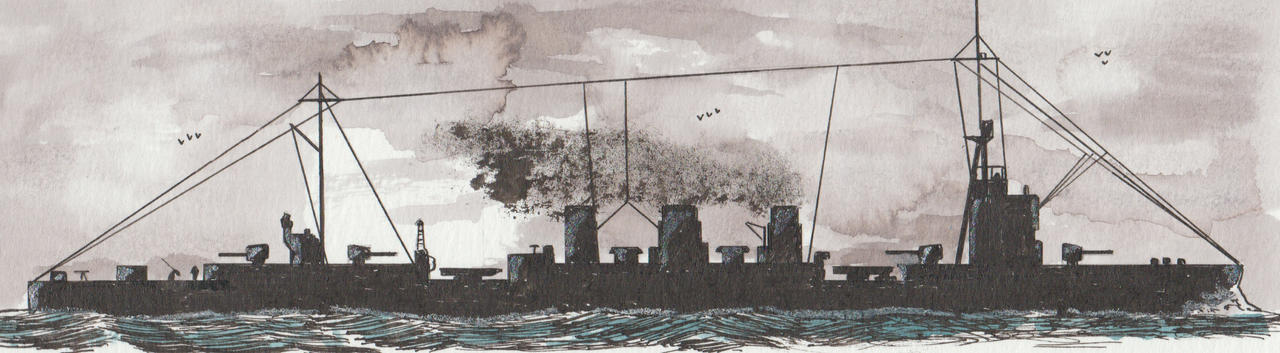
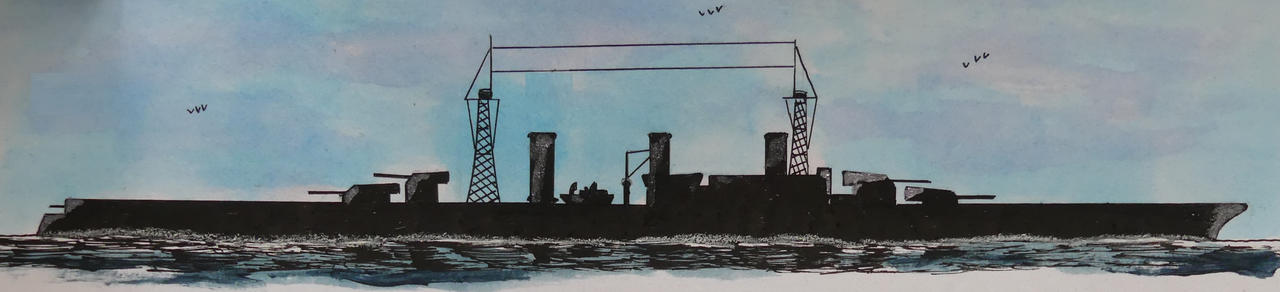
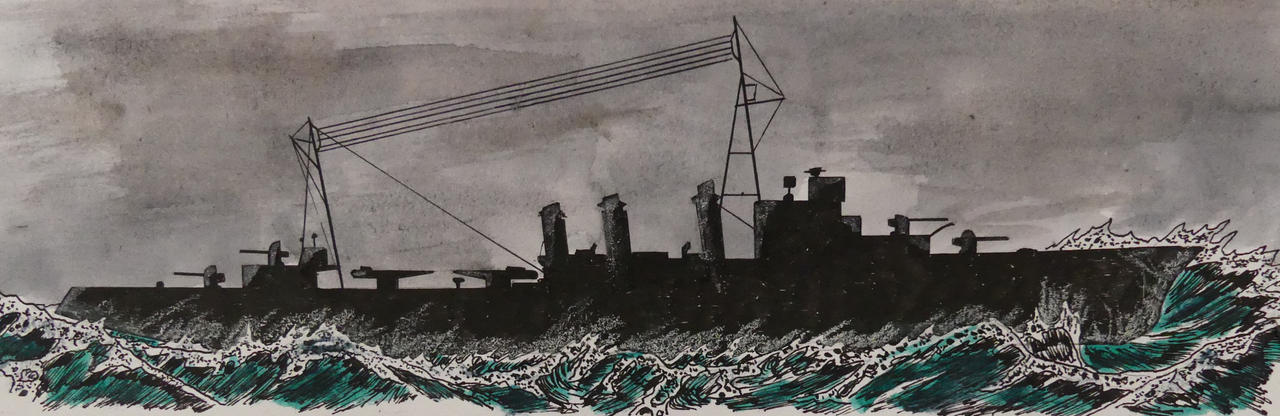
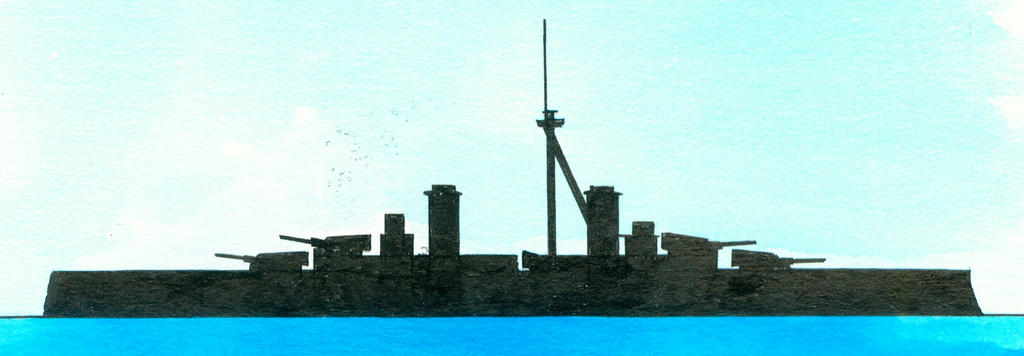
German Nassau-class battleshipsr©Warshipsresearch.blogspot.com


German armoured cruiser SMS Blücher©Warshipsresearch.blogspot.com

An item reported that when the French Naval Estimates were discussed in the Chambre des Désputés on 8 March, the Minister of Marine Thomson (1) stated that the cabinet proposed the building of 6-18,000 ton battleships with a speed of 18 knots. (2) Turbine propulsion was however not to be used. Compared with British battleships of similar class would the French battleships have quicker firing guns and a heavier broadside.(3)The newspaper The Australasian dated Saturday 10 March confirmed this item but added some more details. During the same debate proposed Lockroy (3) the building of fast cruisers and opposed against battleships. Bienaime (4) on the other side stated that if France spent each year 13,000,000 pound sterling, the French navy would become soon world’s strongest navy. The German Reichstag approved just the building of 2-18,000 ton battleships, 1-15,000 ton cruiser and 6 large powerful cruisers.(3) The Herald dated Tuesday May reported that Thomson tried to convince the cabinet to built even 20 battleships to keep abreast of Germany.

Notes

1. Gaston Thomson (29 January 1848 Oran, Algeria-14 May 1932 Bône/Annaba, Algeria), Minister of Marine between 24 January 1905-22 October 1908.

2. Under the Fleet Law of 1900 were six pre-dreadnought battleships built. namely the 14,870 ton République-class (République and Patrie) and the Liberté class (Liberté, Justice, Vérité, and Démocratie). Preceded by Suffren and succeeded by the Danton-class semi-dreadnought-battleships.

3. Édouard Lockroy (18 July 1838 Paris-22 November 1913), French politician. Criticized the policy of Camille Pelletan Minister of Marine June 1902-January 1905 in the cabinet of Émile Combes. As a persistent supporter of a strong naval policy Lockroy wrote several books like La Défense navale (1900), Les Marines française et allemande (1904) and Le Programme naval (1906).

4. Amédée Bienaimé (22 February 1843 Paris, France-16 March 1930 Paris, France), served in the French navy between 1859-1904, rank vice admiral since 1902 and for the next two years chief naval staff. Expert in heavy artillery and author of Étude sur l'artillerie navale, par M. A. Bienaimé, eerder gepubliceerd in de Revue maritime et coloniale. uitgegeven bij Berger-Levrault, 1878; De l'Emploi de l'acier dans la fabrication des canons de la marine, 1876, Lorient, impr. de F. Amelot and

Étude practique sur la perforation de murailles cuirassées, 1876, Paris, Berger-Levrault. Since 1905 politician after a conflict around 1904 with minister of marine Camille Pelletan.

3. Approval by Reichtag on 26 May 1906. The 15,000 tons cruiser is the armoured cruiser SMS Blücher with a displacement of 15,842 (normal)-17,500 (full load) tons and a main armament of 6x2-21cm/8.3” L/45 quick firing guns, preceded by the Scharnhorst-class, designed in 1906, ordered under the contract name “E” in 1906, laid down under the 1906 Fiscal year program by the Kaiserliche Werft, Kiel, Germany on 21 February 1907, launched on 11 April 1908, commissioned on 1 October 1909 and sunk by British warships in the Battle of Dogger Bank on 24 January 1915. The two 18,000 tons battleships were the first two Nassau-class preceded by Deutschland-class succeded by Helgoland-class with a displacement of 18,873 (normal)-21,000 (full load) tons, man armament of 6x2-28cm?11” L-45 guns and a speed of 19 (design)-20.2 (maxim) knots.

Thursday, 22 October 2026

French Minister for Marine ordered building of 4-18,350 ton battleships according to the Australian newspaper The Sydney Morning Herald dated Tuesday 1 January 1907

 République-class. ©Warshipsresearch.blogspot.com

Liberté-class. ©Warshipsresearch.blogspot.com
Danton-class. ©Warshipsresearch.blogspot.com

British HMS Dreadnought©Warshipsresearch.blogspot.com

An item reported that the French Minister for Marine (1) ordered the building of 4-18,350 ton battleships costs 50,000,000 francs for each battleships and an armament of 12-30.48cm/12” guns. Planned was the building in a later stadium of an additional two battleships.(2) Originally the armament was to consist of 4-12” and 12-9.45” which the French believed was not inferior to the 12-12” guns of the British battleship HMS Dreadnought, but after a reconsideration was chosen for an uniform main armament. The speed was 19 knots, 3 knots less as the turbine driven HMS Dreadnought, but France found turbine propulsion too expensive. Still were the costs of the French battleship 2,000,000 higher compared with the 1,750,000 pound sterling of the Dreadnought.

Notes

1. Gaston Thomson (29 January 1848 Oran, Algeria-14 May 1932 Bône/Annaba, Algeria), Minister of Marine between 24 January 1905-22 October 1908.

2. Under the Fleet Law of 1900 were six pre-dreadnought battleships built. namely the 14,870 ton République-class (République and Patrie) and the Liberté class (Liberté, Justice, Vérité, and Démocratie). Preceded by Suffren and succeeded by the Danton-class semi-dreadnought-battleships. 

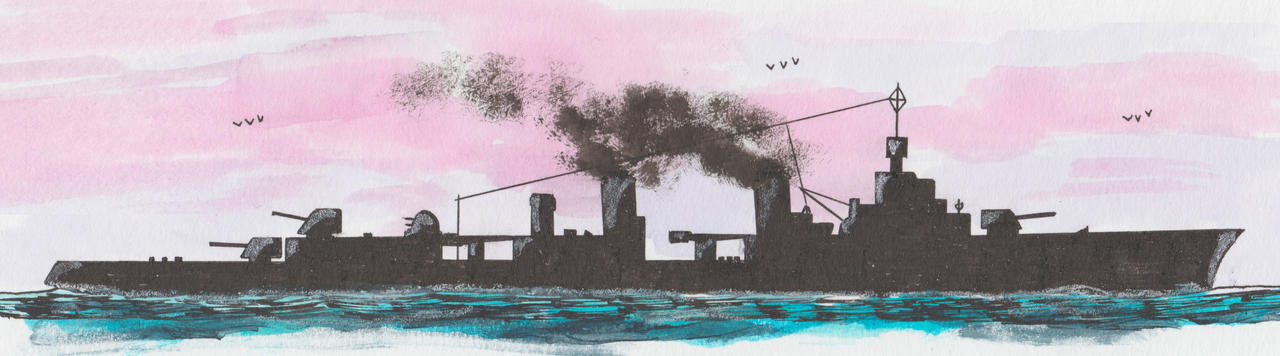
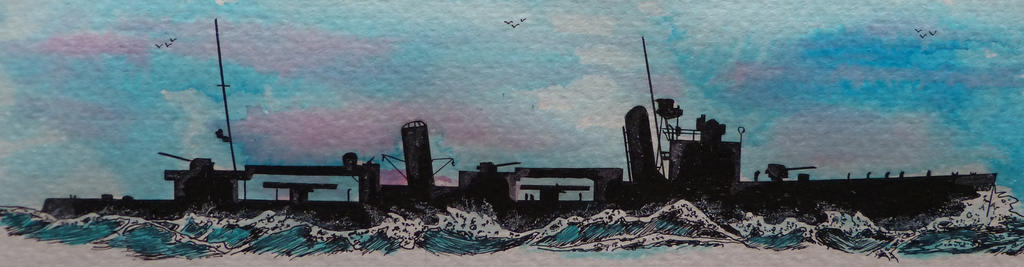
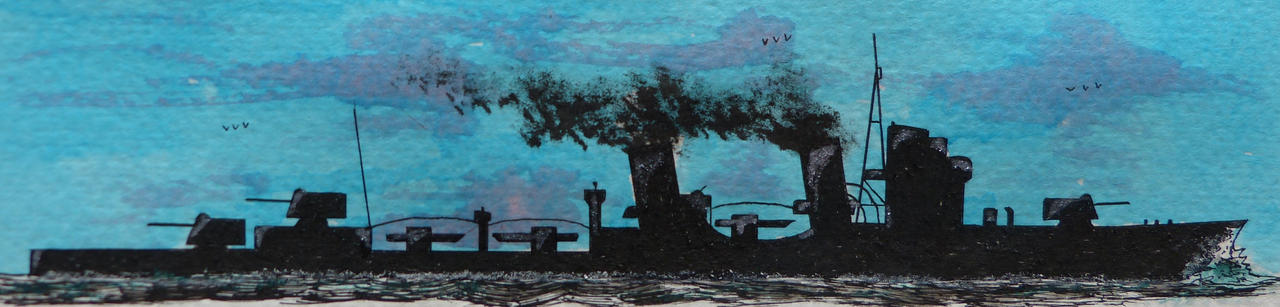
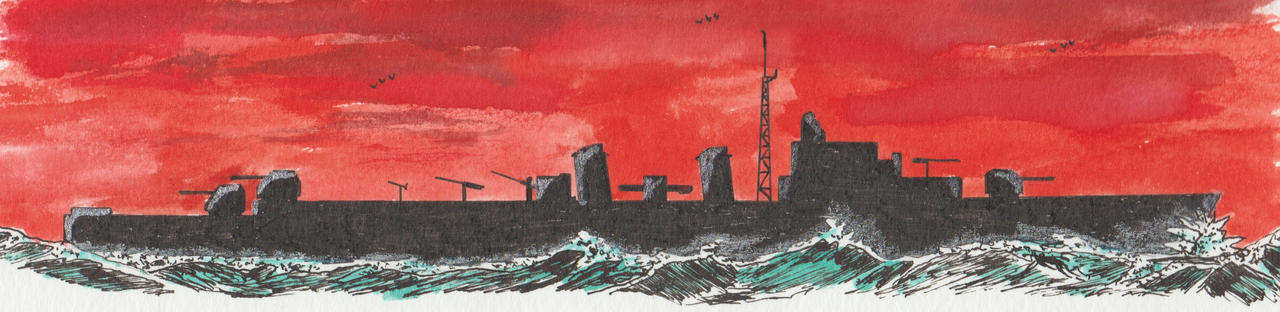
Japanese destroyer Tanikaze 1918-1945

Kawakaze-class©Warshipsresearch.blogspot.com

Momi-class©Warshipsresearch.blogspot.com

battleship Nagato©Warshipsresearch.blogspot.com

Tenryu-class cruisers©Warshipsresearch.blogspot.com

Part of Kawakaze-class consisting of the Kawkaze and Tanikaze preceded by Enoki-class succeeded by Momi-class. Built under the 8-4 Fleet Program Fiscal Year 1915 and able to escort the battleship Nagato and both Tenryu-class cruisers. Originally intended to be a follow-on version of the Isokaze-class design but nevertheless modified and afar more powerful. Launched by Maizuru Naval Arsenal on 20 July 1918, completed on 30 January 1919, decommissioned on 1 April 1935, hulked and renamed Hai Kan No. 19, reclassified as training ship for Kaiten manned torpedoes in 1944, scuttled as breakwater at Kure and broken up after 1945

Wednesday, 21 October 2026

Russian battleship Sevastopol 1892-1905

Petropavlovsk©Warshipsresearch.blogspot.com

Rostislav©Warshipsresearch.blogspot.com

American Indiana-class©Warshipsresearch.blogspot.com

Part of Petropavlovsk-class or sometimes called Poltava-class consisting of the Poltava, Sevastopol and Petropavlovsk, preceded by Sissoi Veliky (built 1891-18966) and succeeded by Rostislav(1894-1900). The design process started with the Imperator Nikolai I (1886-1891) although replacing the gun turrets by barbettes. To avoid the problems with the casemate-mounted secondary armament with the Imperator Aleksandr II (1885-1891) in rough was chosen with the gun layout of the American Indiana-class battleships where the turret mounted armament was position on the upper deck. Laid down by Galernii Island Shipyard, Saint Petersburg, Russia on 19 May 1892, launched on 1 June 1895, completed in 1899, in service in 1900, badly damaged in the Battle of the Yellow Sea against the Japanese fleet, seeking refugee at Port Arthur and there scuttled to prevent capture by the Japanese on 2 January 1905. 

American design 70,00 tons battleship dated 13 December 1916

©Warshipsresearch.blogspot.com

Design requested by the Senate and handed over on 14 February 1917. Senator Benjamin R. Tillman (1) of South Carolina supported the call for a design of a battleship of maximum size still available to pass the Panama Canal and us existing facilities. Never realized. Displacement 70,000 tons and as dimensions 975 (waterline) x 103 (waterline) x 32.9 feet. Electric Drive propulsion, 18 boiler rooms, horsepower 65,000 ehp at 26.5 knots, tange 12,000 nautical miles/10 knots. Maximum speed 26.5 knots.

Armament 4x6-40.64cm/16”50 cal guns, 21-12.7cm/5”quick firing guns, 7.62mc/3”high powered anti aircraft guns and 4-53.34cm 21” submerged torpedo tubes.

Armor. Main side belt maximum withe 19’10 1/2”, depth below waterline 9 feet, thickness 13”-13”-9”. Barbettes heavy part 17”, light part 4”. Turrets thickness port 20”, sides 14.11”, top 6”, rear 10”.Conning tower thickness 18”, top 9”? Tower tube heavy part 18”, light part 6”. Uptake protection thickness 13-10-7”. Protective deck middle 5”, after 6 1/2”. Cost hull 17,200,000, machinery 7,700,000=total C.M. 24,900,000.

Total normal displacement 70,000 tons

Hull 33,613

Hull fittings including 800 ton for gyro stabilizers 3,000

Protection 17,796

Steam engineering 5,000

Reserve feed 900

Battery 2,850

Ammunition 2,000

Equipment 775

Outfit and 2/3 stores 1,050

Fuel oil, 2/3 full supply 3,000

Margin 16

Rest of details on sheet not copied.

Note

1. Benjamin Ryan Tillman (11 August 1847-3 July 1918), Democratic Party plotician, governor of South Carolina 1890-1894 and senator 1895-1918. See for instance: Construction of battleships. Remarks of Hon. Benjamin R. Tillman,... relative to the construction of 60,000-ton battleships; also copy of a Senate resolution instructing the Committee on Naval Affairs to make an investigation of the matter, together with an article entitled "Build the Limit," by Commander W.A. Moffett, United States Navy. Presented by Mr. Tillman. June 20, 1916.

Source

Naval History and Heritage Command. Bureau of Ships Spring Styles Book 1 1911-1925. S-584-107. Preliminary design 171.

Italian naval engineer Cuniberti designing submarine dreadnought around 1913

An item reported the death of the Italian general Cunberti (1), which famous naval architect deserves all credits for initiating the dreadnought idea. At the time of his depth he seemed to be working on the design of a submarine dreadnought in which the big guns were replaced by torpedo tubes.

Note

1. The naval engineer Vittorio Emanuele Cuniberti (1854 Turin, Italy-20 December 1913 Rome, Italy), known for his 1903 vision of the all big gun battleship, first realized as the British HMS Dreadnought. Probably is this design the same he made for a torpedo battleship,

Source

Journal of the United States Artillery. Volume 41, 194. 

French Minister of Marine De Lanessan wanted to built armoured cruisers in stead of battleships in 1900

République-class©Warshipsresearch.blogspot.com

Liberté class©Warshipsresearch.blogspot.com

Danton-class©Warshipsresearch.blogspot.com

An item reported that the Commission of Budget examined the Naval Estimates of France and discussed with the Minister of Marine the proposed new building of 2-14,865 tons battleships, building costs each 35 million francs/1,400,00 pound sterling.(1) The Commission asked the Minister to spread the costs for the first year on the other ships now under construction. Later responded De Lanessan (2) while proposing to replace the two battleships by 2-12,400 armoured cruisers to be built at Brest and Toulon and which were similar to one cruiser already mentioned on the list and which was to be built at Cherbourg. The building costs of the proposed armoured cruisers was each 28 million francs/1,120,00 pound sterling. The Commission refused this replacement in view of the “exterior Political Situation” and wanted that the money at disposal was to be used to accelerate the construction of ships already started. She decided not to vote the credits asked for. Former Minister of Marine Lockroy (3) sent an amendment to the Naval Budget to the Chamber in which he divided the budget of 500 million francs/10,000,000 pound sterling of which one half for fleet and torpedo boats including the battle of battleships. Lockroy made clear that the battleships were not to have an “enormous tonnage and extravagant cost, like those proposed, and which are nevertheless inferior in artillery and speed” to similar British battleships.

Notes

1. Under the Fleet Law of 1900 were six pre-dreadnought battleships built. namely the 14,870 ton République-class (République and Patrie) and the Liberté class (Liberté, Justice, Vérité, and Démocratie). Preceded by Suffren and succeeded by the Danton-class semi-dreadnought-battleships.

2. Jean-Marie Antoine de Lanessan (13 July 1843 Saint-André-de-Cubzac, France 7 November 1919 Écouen, France), Minister of Marine 22 June 1899-7 June 1902. Reformer of the French naval construction under the 1900 naval program.

3. Édouard Lockroy (18 July 1838 Paris-22 November 1913), French politician. Criticized the policy of Camille Pelletan Minister of Marine June 1902-January 1905 in the cabinet of Émile Combes. As a persistent supporter of a strong naval policy Lockroy wrote several books like La Défense navale (1900), Les Marines française et allemande (1904) and Le Programme naval (1906).

Source

Journal of the Royal United Service Institution. Volume XLIV. January-June 1900, p. 73-.

Tuesday, 20 October 2026

French destroyer l’Aventurier 1939-1971

French L’Adroit-class©Warshipsresearch.blogspot.com

Le Hardi-class©Warshipsresearch.blogspot.com

Italian Navigatore-class©Warshipsresearch.blogspot.com

Japanese Fubuki-Amagiri group©Warshipsresearch.blogspot.com

French T47 B-design©Warshipsresearch.blogspot.com

French fast battleship Dunkerque©Warshipsresearch.blogspot.com

Part of Le Hardi-class preceded by L’Adroit-class and succeeded by T 47-class. Of the 12 planned units were 7 completed. The Le Hardi-class destroyers were designed to be able to keep up with the fast battleships Dunkerque and Strassbourg and to counter the Italian Navigatore- class and Japanese Fubuki-class destroyers. The design was approved on 10 August 1934. Laid down by Forges et Chantiers de la Gironde, Bordeaux, France on 4 August 1939, captured by Germans and to be completed as the ZF&, launched on 20 April 1947, used as an experimental hulk and for sale since 21 April 1971. 

Saturday, 17 October 2026

Soviet Budget for 1927-1928 included post for building new battleships

The American Military Attaché at Warsaw, Poland wrote in his report dated 18 October 1927 No. 469 that the Soviet Budget for 1927/1928 included a post of 46,000,000 million gold roubles for the building of battleships.

Source

National Archive. Record Group 165: Records of the War Department General and Special Staffs Series: Security Classified Correspondence and Reports. File Unit. Russia: Navy - MID 2503-16 THRU 2503-265. Roll 1443.

Friday, 16 October 2026

Future naval battles according to the Australian newspaper The World’s News dated Saturday 9 April 1927

This newspaper wondered how naval battles in the Next Great War were fought. Certain scientists stated that ‘high-powered planes carrying monster bombs and torpedoes’ were battling with what they called ‘phantom battleships”. While torpedo aircraft would attack the battleship drive in to the enemy fleet was the latter protected by common warships with anti aircraft guns. The battleship in the meantime disappeared in a smoke screen at the same time opening huge panels in her sides  showing her torpedo armament of 2x32=65 torpedoes which were immediately fired and destroying he enemy fleet. In other words””Imagine a battleship capable of destroying a great fleet at on blow! A grey monster, riding deep in the water, which steams into the centre of the enemy fleet, obscured by a smoke screen: which suddenly drops the steel panels of its sides and discharges simultaneously sixty-four torpedoes of a size never known before in warfare. The torpedoes find their mark, the fleet is wiped out.” The British author E.V. Spanner(1) described the events in a novel using findings of British and American naval experts and the strong belief by many world’s leading military scientists that the era ruled by ordinary battleships and battle cruisers was coming to an end. In his imaginary war between England and Japan he described what happened. The Japanese battle fleet is full speed underway towards Singapore. Coming into the range of the heavy torpedo aircraft they taken with them is Singapore bombed staring with the oil tanks leaving a burning town. The British battle fleet is going to the east. There waits them a naughty surprise. The Japanese converted in secret an ordinary battleship into a 2x32 giant torpedoes battleship. Off Sumatra, Dutch East Indies where the battle starts, happens what is above described and slaughtered the British fleet. The British Admiralty believed in the meantime that torpedo aircraft could sink anything afloat. Four “Hussies” (giant torpedo aircraft called battle cruisers) were ordered to serve in the Australian waters at a navigation base. When a Japanese invasion fleet is nearby attack and destroy the”navigation” torpedo aircraft the Japanese ships.(2)

Notes

1. Edward Frank Spanner (6 February 1888 Portsmouth, Hampshire, England-3 August 1953 Streatham, London, England), naval architect in service of the Royal Corps of Naval Construction wrote the Future War novels The Broken Trident in 1926 (torpedo aircraft attacking warships), The Naviators in 1926 and in 1927 The Harbour of Death with as background the Mediterranean. Spanner wanted to make England clear not to depend only on a navy for her defense. Founded in 1935 Spanner Thimble Tube Boiler Co. In 1929 he published About Warships and in 1934 The Fire-Proof Ship.

In the 1920s was a world wide debate over aircraft versus battleships with the main question could aircraft replace the traditional battleships and the latter becoming obsolete. The Second World War answered this question. Not battleships but aircraft carriers were the leading naval weapons. Battleships became suddenly a prey for torpedo aircraft as the disastrous Japanese air attack on the British HMS Prince of Wales and Repulse proves. 

2. The article also published a sketch of world’s largest torpedo (bomb) to be carried by the giant planes and the phantom battleships to be built in the future. With a weight of 4,000 pounds and a length of nearly 14 feet was this weapon suitable to destroy a battle cruiser. This wireless guided missile torpedo with which cities over a distance of 100 miles could be attacked and which was in possession of the British government. Fitted out with small wings, invented by the New Zealander Captain Allan J. Roberts. 

Russian naval programme according to the Australian newspaper Goulburn Evening Penny Post dated Tuesday 14 August 1906

Ioann Zlatoust, Evstafi-class©Warshipsresearch.blogspot.com

Andrei Pervozvanny-class©Warshipsresearch.blogspot.com

Gangut-class©Warshipsresearch.blogspot.com

An item referred to the Bourse Gazette, Saint Petersburg, Russia reporting that the building programme of the Ministry of Navy included some 20,000- tons battleships with a speed of 21 knots.(1)

Note

1. The Russian Empire lost most of her capital ships in the Russo-Japanese War between 8 February 1904-5 September 1905. In 1903 accepted the Naval Technical Committee the building of the Andrei Pervozvanny-class which design was several times caused by the disastrous war and the Andrei Pervozvanny and Imperator Pavel I were not earlier commissioned as on 10 March 1911, still being pre dreadnoughts of 18,878 tons, 1.5 knots speed and 4x12”guns. Preceded by Evstafi-class succeeded by the Gangut- or Sevastopol-class (24,400 tons, speed 24.1 knots, 4x30.5cm/3-12guns). 

Woodite or elastic armor according to the Dutch newspaper Algemeen Handelsblad dated 23 October 1886

An item reported that a certain Mrs. Wood discovered a composition suitable for protecting torpedo boats against projectiles. Her composition was better than caoutchouc [India rubber] resembled vulcanized caoutchouc, was very elastic and bonds  with the surfaces to be protected. The naval authorities were really pleased with this invention called woodite.(1)

Note

1. In 1886 discovered by the British Mrs. Anie Matilda Wood for covering the unarmored parts of warships and claimed to be absolutely uninflammable. According to an announcement in the Engineering dated 11 January 1889 was the name woodite given by the well known Sir E.J. Reed who also recommended it. In The Marine Engineer dated 1 July 1888 dealing with the protection qualities”Last, Mrs. Wood think that an ironclad should not sink even when riddled with shot between wind and water. Numerous target experiments with steel shot and shell point in a qualified sense to that conclusion: the qualification being, that as a land target may be battered to destruction, so à fortiori may a ship.The reasonable contention of Mrs. Wood, however, is that as one form of Woodite will close upon a shot hole as water closes upon a stone thrown into it, the proceeding would be a common-sense one tot substitute Woodlite blocks for armour plates upon the sides of our armor clads.”The New Zealand newspapers Timaru Herald dated 17 January 1887 and Otago Daily Times dated 12 March 1884 described some of the experiments. 

A device for keeping off torpedoes according to the Australian newspaper The World’s News dated Saturday 7 August 1909

An item reported that the dentist Dr. Horatio Jones, Great Russell-street, London, England for some years was busy with perfecting his device for keeping off torpedoes. According to Jones would it be impossible for a torpedo to hit the side of a battleship. In his laboratory he showed a model of a battleship fitted out with his device (see the sketch). His device consisted of a shield made of steel plates running almost the complete length of the hull below the water level. With extended shields there was enough water between hull and shield to make the torpedo exploded harmlessly. If the shields were not necessary the were fitted closely to the sides. Jones sent his plans to the British Admiralty and while waiting for a reaction was still improving his invention. 

China interested in building battleships according to the Australian newspaper Clarence and Richmond Examiner dated Thursday 12 August 1909

An item reported that China was planning the building of three 21,000 tons dreadnoughts.(1)

Note

1. Not mentioned in the Naval Annual 1909. 

Dreadnoughts to be built in England not for Japan but for Brazil according to the Australian newspaper The Riverine Herald dated Monday 6 July 1908

Minas Geraes-class©Warshipsresearch.blogspot.com

An item referred to the American newspaper New York Herald reporting that Japan secretly ordered the building of 30 warships in England including three dreadnoughts but which were in fact for Japan. Brazilian authorities denied this however, they called it a sheer invention.

Note

1. British shipyards built several battleships for the Imperial Japanese navy. On the date of the news item 6 July 1908 were none under construction. The Katori was to the last one to be built by a British shipyard, namely by Vickers, Barrow-in-Furness, she was completed on 20 May 1906. Her sister ship Kashima built by Armstrong, Elswick, was completed 3 days later. But Brazil did ordered battleships in England at that time. Vickers and Armstrong Whitworth were building the Minas Geraes (laid down 17 April 1907) and Sao Paulo (laid down on 30 April 1907) with a third one the Rio de Janeiro laid down by Armstrong on 16 March 1910. In 1908 there were also rumors spread by newspapers that the USA or Germany were the potential buyers.  

Sunday, 11 October 2026

French destroyer le Hardi 1936-1945

French L’Adroit-class©Warshipsresearch.blogspot.com

Le Hardi-class©Warshipsresearch.blogspot.com

Italian Navigatore-class©Warshipsresearch.blogspot.com

Japanese Fubuki-Amagiri group©Warshipsresearch.blogspot.com

French T47 B-design©Warshipsresearch.blogspot.com

French fast battleship Dunkerque©Warshipsresearch.blogspot.com

Part of Le Hardi-class preceded by L’Adroit-class and succeeded by T 47-class. Of the 12 planned units were 7 completed. The Le Hardi-class destroyers were designed to be able to keep up with the fast battleships Dunkerque and Strassbourg and to counter the Italian Navigatore-class and Japanese Fubuki-class destroyers. The design was approved on 10 August 1934. Laid down by Ateliers et Chantiers de la Loire, Nantes, France on 20 May 1936, launched on 4 May 1938, completed on 31 May 1940, commissioned on 1 December 1939, taken in service on 2 June 1940, scuttled on 27 November 1942, salvaged by Italian as in 1943, captured by Germans after Italian armistice in September 1943, scuttled by Germans at Genoa, Italy and afterwards broken up. 

Russian battleship Poltava 1892-1905 (Tango 1905-1916, Chesma 1916-1924)

Sister ship Petropavlovsk©Warshipsresearch.blogspot.com

Poltava as Japanese Tango©Warshipsresearch.blogspot.com

Rostislav©Warshipsresearch.blogspot.com

American Indiana-class©Warshipsresearch.blogspot.com

Part of Petropavlovsk-class or sometimes called Poltava-class consisting of the Poltava, Sevastopol and Petropavlovsk, preceded by Sissoi Veliky (built 1891-6) and succeeded by Rostislav(1894-1900). The design process started with the Imperator Nikolai I (1886-1891) although replacing the gun turrets by barbettes. To avoid the problems with the casemate-mounted secondary armament with the Imperator Aleksandr II (1885-1891) in rough was chosen with the gun layout of the American Indiana-class battleships where the turret mounted secondary armament was position on the upper deck. Laid down at the New Admiralty Shipyard, St. Petersburg, Russia on 19 May 1892, launched on 6 November 1894, commissioned in 1899, sunk after hits by Japanese gunfire on 5 December 1904, captured by the Japanese forces at Port Arthur in January 1905, refloated in July 1905, renamed Tango and commissioned in the Japanese navy on 22 August 1905, reclassified as 1st class coastal defence ship in 1916, sold back to Russia on 3 or 4 April 1916, renamed Chesma, in hands of the Bolsheviks in October 1917, captured by British forces in March 1919, recaptured by Soviet forces and stricken on 3 July 1924. Of the Petropavlovsk-class consisting of the Poltava, Sevastopol and Petropavlovsk, preceded by the Imperator Aleksandr II-class and succeeded by the Tri Sviatitelia.