Translate

Showing posts with label Minelayers. Show all posts

Thursday, 24 September 2026

French warships Castor, Joussel and Fulton visited Sabang, Dutch East Indies in 1932

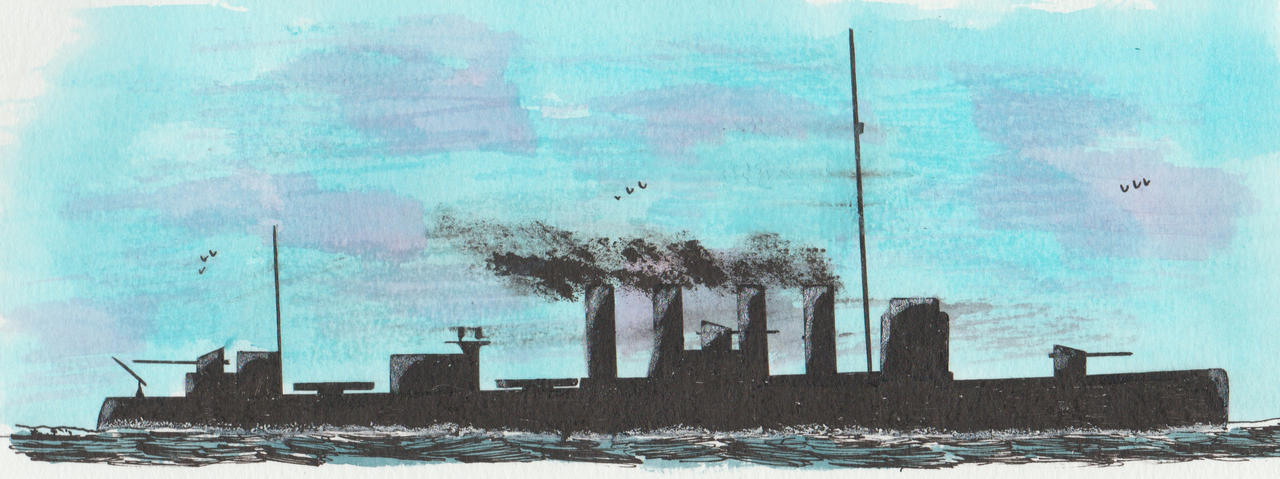
The Jaarboek van de Koninklijke Nederlandsche Zeemacht 1931-1932 reported that the French minelayer (1) Castor and submarines Joussel (2) and Fulton (3) visited Sabang, Dutch East Indies between 10-15 February 1932. The Dutch newspaper Bataviaasch nieuwsblad dated 11 February 1932 confirmed the arrival of the Castor at Sabang. During a ceremony was a wreath laid for the French sailors during the First World War buried at Sabang. The Joussel was called Joessel in the news item. The De Sumatra Post dated Friday 12 February report the arrival of the three ships on the Wednesday before with the Castor as mother ship. The submarines had each a crew numbering 44 men, the last 170 men. They left Toulon on 24 November 1931 en intended to leave next Monday towards Singapore and Saigon, French Indochina. The Deli courant dated 10 February reported the arrival at Sabang at 10:00 o’clock coming from Colombo, Ceylon. Commander-in-chief was corvette captain Augier. The Haagsche courant dated 12 February reported that during the First World War several foreign merchant ships were laid up at Sabang, which were not able to get safe to their homeport. Except for a large number of German ships were there also some French steamships of which deceased crew members were buried at Sabang.(4)

Notes

1. Launched by Swan, Hunter&Wigham Richardson Ltd., Neptune Yard, Low Walker with yard number 1010 on 29 August 1916, completed in November 1911 for account of the Russian government as icebreaker Kozma Minin, interned at Cherbourg, France in 1920, renamed Castor, converted into a minelayer and France-flagged, seized by Germany at Bizerte, French Tunisia on 8 December 1942, handed over to Italy, renamed FR 60, scuttled at Bizerte on 7 June 1943, refloated in 1946 and broken uyp on 18 August1947.

2. Q 109. Part of Joessel-class diesel-electric attack submarines preceded by Amride-class succeeded by Lagrange-class, laid down by Arsenal de Cherbourg in November 1913, launched on 21 July 1917, completed in May 1936 and stricken in May 1936.

3. Q 110. Part of Joessel-class diesel-electric attack submarines preceded by Amride-class succeeded by Lagrange-class, laid down by Arsenal de Cherbourg in November 1913, launched on 1 April 1919, completed in July 1920 and stricken in May 1936.

4. At Sabang were ensign Jacques Carissan and sailor Hamon Joseph Clairon buried after they died in the local hospital. Both men were wounded in the Battle of Penang of 28 October 1914 when the German light cruiser SMS Emden sunk the French destroyer Mousquet. The men were dropped by the same Emden at Sabang. 

Tuesday, 22 September 2026

French aviso Vitry le François visited Sabang, Dutch East Indies in 1932

The Jaarboek van de Koninklijke Nederlandsche Zeemacht 1931-1932 reported that the French aviso Vitry le François visited Sabang, Dutch East Indies between 14-16 March 1932(1). The Dutch newspaper Bataviaasch nieuwsblad dated 2 March reported that the submarine mother ship underway from France towards French Indochina would visit Sabang between 14-17 March. The De Sumatra Post dated 15 March called her a minelayer with a crew numbering 6 officers and 80 men. The De Indische courant dated Thursday 17 March reported that she arrived on the [Monday] 14th [at 09:30 o’clock] and would depart next Wednesday towards Saigon, French Indochina. The Bataviaasch nieuwsblad dated Wednesday 16 March referred to press agency Aneta which reported from Medan that her crew laid a wreath for the French sailors buried during the First World War at Sabang.(2) Later telegraphed Aneta that she was departed that day [at 6:30 o’clock] towards Saigon with a planned visit underway at Singapore.

Notes

1. Arras-class aviso preceded by Marne-class succeeded by Ailette-class. Laid down by Ateliers et Chantiers de la Loire (ACL), Saint-Nazaire, France in 1918, launched in March 1920, stricken on 22 October 1935 and sold to be broken up in 1935.

2. At Sabang were ensign Jacques Carissan and sailor Hamon Joseph Clairon buried after they died in the local hospital. Both men were wounded in the Battle of Penang of 28 October 1914 when the German light cruiser SMS Emden sunk the French destroyer Mousquet. The men were dropped by the same Emden at Sabang. 

Sunday, 20 September 2026

Number of Japanese ships at Rabaul, New Guinea increased according to the U.S. Joint Intelligence Committee. Daily summary dated 22 February 1942

An item reported that reconnaissance above Rabaul on 18 February pointed out that there were more Japanese ships were lying than earlier reported. Now were there 4 light cruisers, 1 air craft carrier, 1 oiler, 1 minelayer and 12 merchant ships.

Source

Map Room Papers (Roosevelt Administration), 1942 - 1945. MR0423. U.S. Joint Intelligence Committee. Daily summary No. 74 dated 22 February 1942

Tuesday, 11 August 2026

Russian minelayer Ayan 1937-

1950s appearence©Warshipsresearch.blogspot.com

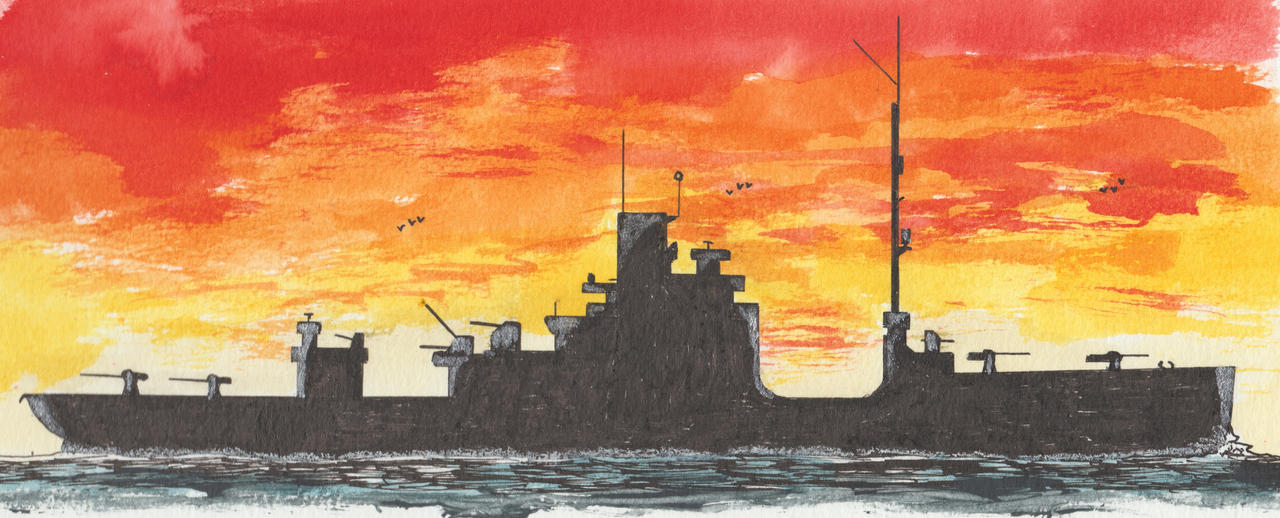
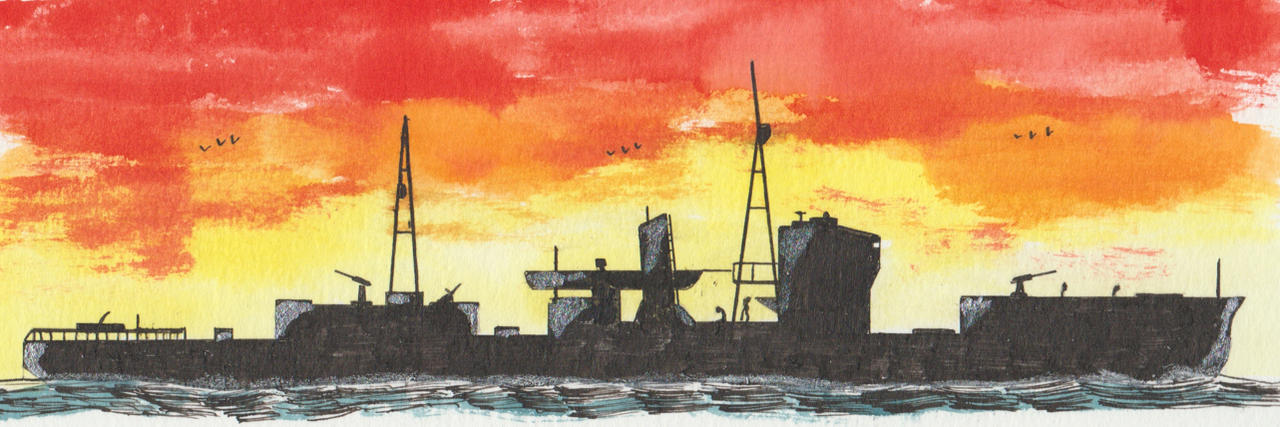
Part of Ayan-class. Served between 1937-1939 in the Far East Shipping Company, during the Second World War was this transport converted into a minelayer and part of the Pacific Fleet. Part of the Pioner- class coastal diesel cargo schooners built by Odessa Works. Ayan,Serp, Molot and Gizhaga were all used as coastal minesweepers. Length 242.8 feet.

Source

Far Eastern Sighting Guide ONI-F-31 FE

Jane’s Fighting Ships several editions.

Budzbon, Prezemyslaw. Warships of the Soviet Fleet 1939-1945, Vol I-III.

Meister, Jürg. Soviet warships of the Second World War.

Rohwer, Jürgen. Stalin’s Ocean-going fleet.

Thursday, 9 July 2026

The Russian mine cruiser Marti according a German report dated February 1938

Warshipsresearch.blogspot.com

In a report dated February 1938 dealing with the valuation of the Russian fleet was stated that the mine cruiser Marti all quite long was not sighted outside the Russian waters. Her large size, speed and fitting out made clear that she was built for and could operate in more distant areas.(1)

Note

1. Laid down by B&W, Copenhagen, Denmark as Russian Imperial yacht Shtandart on 1 October 1893, launched on 4 August 1895, completed in 1896, renamed 18 Martha between 1918-1932, converted between 1932-1934 into the minelayer Marti, after the Second World War converted into a training ship and renamed Oka in 1948, accommodation hulk since the 1950s and broken up in the 1960s.

Source

Bundesarchiv Naval Attache Moscow RM-12-II-159

Monday, 6 July 2026

Russian minelayer Argun (1923) 1933-1950s

Appearance mid 1950s©Warshipsresearch.blogspot.com

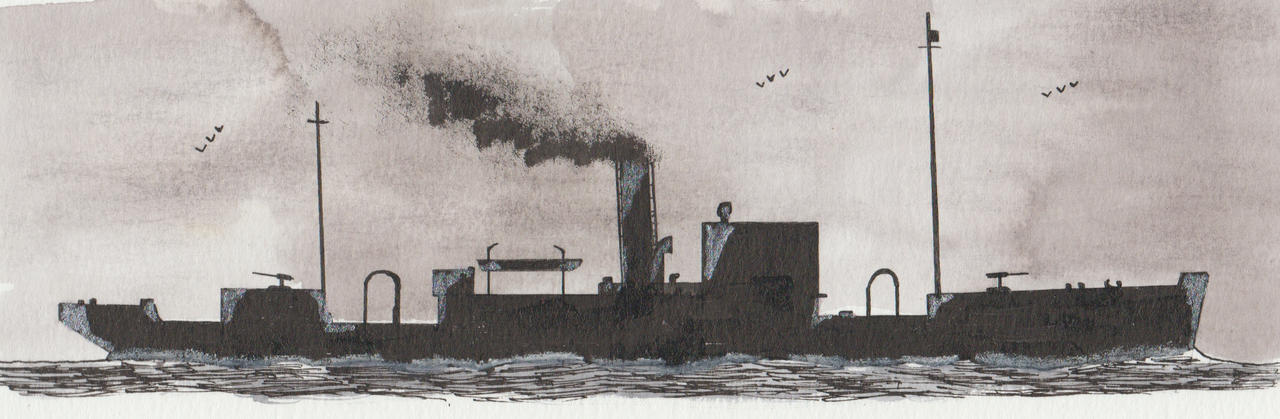
Launched by Furness Shipbuilding Co. Ltd., Haverton Hill, England with yard number 48 as the Eldon on 13 September 1923, renamed Japix in 1926, owner in 1929 Continent-Reederi A.G. (Max Morck), Hamburg, Germany, renamed Amur in 1933 and Sergo Ordzhonikdze in 1936, purchased for the Far East on 11 March 1936, converted into a minelayer, renamed Argun on 20 October 1940 and deleted in the 1950s. 

Saturday, 4 July 2026

Warships and merchant ships lying at Gibraltar according to the Kriegsnachrichten of the Chef des Admiralstabes der Marine dated Berlin 9 August 1917

An item reported that on 4 August in Gibraltar were lying 1 British warship type Foresight cruiser (1), 1 cable steamship, 2 minelayers, 2 guardships, 3 auxiliary cruiser-yachts, 15 merchant steamships and in the dry dock 1 Italian passenger steamship.

Note

1. The Forward-class scout cruisers consisting of the Foresight and Foreward preceded by Adventure-class succeeded by Pathfinder-class built between 1903-1905.

Source

Bundesarchiv RM-40-622

Tuesday, 23 June 2026

Warships and merchant ships lying at Gibraltar according to the Kriegsnachrichten of the Chef des Admiralstabes der Marine dated Berlin 16 August 1917

An item reported the presence on 11 August at Gibraltar of 1 American steam collier, 3 minelayers, 2 auxiliary cruiser yachts, 3 guard vessels, 8 cargo ships and in the dock 1 Italian passenger steamship.

Source

Bundesarchiv RM-40-622

Thursday, 18 June 2026

Japanese cargo ship (ex-Shinko Maru 1933-1938) Sinko Maru 1938-1944

©Warshipsresearch.blogspot.com

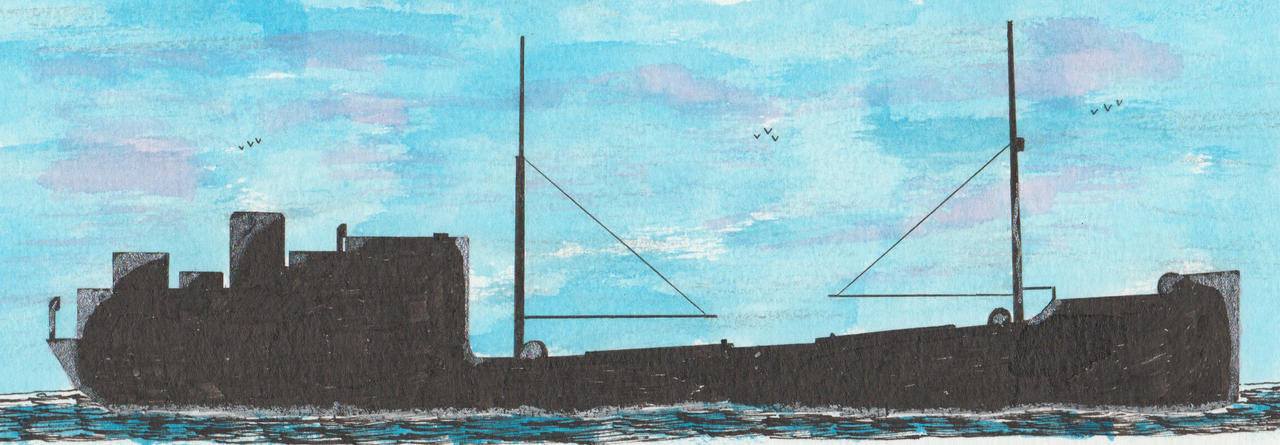
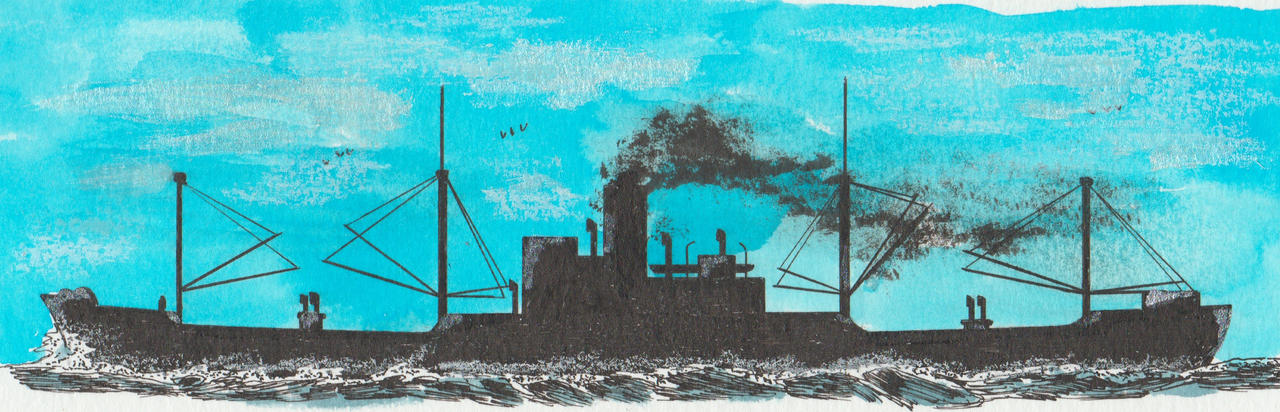
Similar Kamogawa Maru (1938), Keiyo Maru (1937), Sinko Maru (1935), Tamagawa Maru (1938), Yamagiri Maru (1938), Yamazuki Maru (1937), Yodogawa Maru (1938) and Zenyo Maru (1937). Call sign JYNJ. Owner in 1939 S(h)inko Syosen K.K., Tokyo, Japan. Laid down by Yokohama Dock Co. Ld., Yokohama, Japan on 26 July 1933, launched on 5 March 1935, completed on 3 June 1935, requisitioned by the army mid 1937, requistioned by the navy on 3 December 1940, converted by the Harima shipyard into an auxiliary minelayer between 16 December 1940-14 January 1941, sunk in an American air attack in the Salomague Bay, Philippines on 18 October 1944 and stricken on 10 December 1944. Gross tonnage 6,480 tons, net tonnage 4,880 tons and as dimensions 436.2 x 58.2 x 31.9 x 9.6 (light)-26 (loaded) feet. Horsepower 1,165nhp/4,700 bhp, one screw, 110rpm=14 knots, 1333rpm=17 knots, fuel oil bunker capacity including deep tanks 2,700 tons, range 47,000 nautical miles/14 knots and speed 14/15(normal cruising)-17-19 (maximum) knots. 

Wednesday, 17 June 2026

Shipping traffic coming from Gibraltar heading west according to the Kriegsnachrichten of the Chef des Admiralstabes der Marine dated Berlin 16 August 1917

British Formidable-clas battleships©Warshipsresearch.blogspot.com

An item reported the ships coming from Gibraltar heading west between 10-14 August: 2 French passenger steamships, 11 British steamships, 1 steamship, 1 Brazilian steamship, 4 Spanish steamships; as part of a convoy: 1 British guard vessel, 12 steamships, 1 passenger steamship and British warships Irresistible (1), 1 American steamship armed with 2 guns and 1 Greek steamship; 1 minelayer together with 7 full loaded deep lying cargo ships, 1 Italian steamship, 1 Belgian steam tanker and 1 Greek steamship.

Note

1. Pencil note that she was destroyed on 18 March 1915 in the Dardanelles so that it should be another ship. This note is correct, this Formidable-class battleship was indeed lost on that date. The second part of the note is difficult to understand it says muss also neubau sein [should be new building], but that can’t be correct. Laid down by Chatham Dockyard on 11 April 1898, launched on 15 December 1898, completed in October 1901, commissioned on 4 February 1902 and lost on 18 March 1915. Part of Formidable-class precedeed by Canopus-class succeeded by London-class.

Source

Bundesarchiv RM-40-622

Monday, 18 May 2026

Russia stopped with manufacturing new naval mines in 1922

American Clemson-class destroyer. ©Warshipsresearch.blogspot.com

The intelligence officer of the USS Sturtevant which recently made a trip to Odessa, Ukraine wrote in his report dated Constantinople, Turkey10 May 1922 No. 2139 that Russia did not manufacture new mines. His source was an anonymous captain of a minelayer who also stated that the old supply practically was exhausted. The were no more mine fields in the Blakc Sea contemplated for the time being. The mines laid off Odessa were of two types, one with a charge of 2 poods (72 lbs) of gun cotton laid at a depth of 4 feet below water level and a second one with a cahrge of 8 poods (288 lb) of gun cotton, laid at a depth of around 10-12 feet below the water level.

Note

1. DD-240. Part of Clemson-class, laid down by New York Shipbuilding on 23 November 1918, launched on 29 July 1920, commissioned on 21 September 1920, assigned to the Constantinople detachment on 16 June 1921, stricken on 8 May 1942 after she sunk while accidentally hitting American mines off Key West on 26 April 1942.

Source

National Archive. Record Group 165: Records of the War Department General and Special Staffs Series: Security Classified Correspondence and Reports. File Unit. Russia: Navy - MID 2503-16 THRU 2503-265. Roll 1443.

Saturday, 2 May 2026

Spain modernizing her navy according to the Australia Station Intelligence Summary dated 1 July 1955

An item reported that the USA and Spain signed on 30 April an agreement to modernize the navy of the last country. For the first phase was maximum 25,252,465,00 US dollars avaible and which budget was not to be exceeded and 24 ships to be modernized. Second phase of the programme was yet not decided. The involved ships were 2 Alava-class destroyers (to be equipped with Squid/Asdic and 3-3” Mk 34 guns, (Jane’s 1958-9 mentioned the Alava and Liniers laid down on 21 December 1944, respectively 1 January 1945), 4 Churruca-class destroyers (Jane’s 1958-9 reports dating from the 1930s), 4 Audaz-class corvettes (to be fitted out with 2-3” Mk34 guns, (Jane’s 1958-9 called anti submarine frigates, laid down in 1945), 5 Tambre-class minesweepers, 2 Descubierta-class corvettes, 2 Pizarro-class corvettes (Jane’s 1958-9 called frigates since 1958, laid down in 1944), 2 Jupiter-class minelayers (Jane’s 1958-9 called frigate minelayers, dating from the 1903s), 2 D-class submarines and 1 training ship.

Source

Website Royal Australian Navy, Sea Power Centre.

Friday, 24 April 2026

Japanese minelayer Natsushima 1931-1944

Natsushima. ©Warshipsresearch.blogspot.com

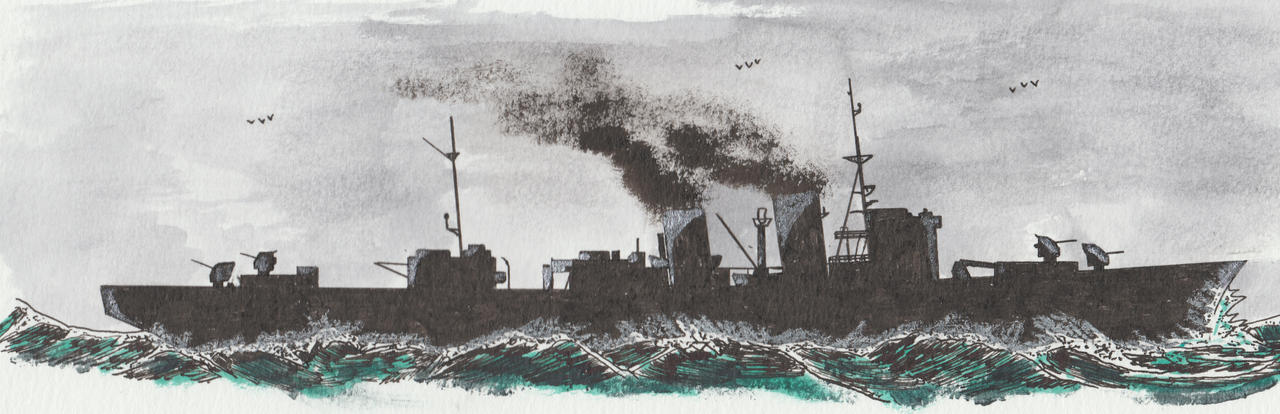
Part of Natshima-class consisting of the Nasami, Natsushima both Project H5 and Sarushima Project H5B. Ordered under the 1931 Programme. Designed was based on that of preceding Tsubama-class succeeded by Sokuten-class. Laid down by Tokyo Ishikawajima Zosen on 24 December 1931, launched on 24 March 1933, completed on 31 July 1933, sunk by the American Fletcher-class destroyers USS Stanly, Charles Ausburne and Dyson off Kavieng, New Ireland, Papua New Guinea on 22 February 1944 and stricken on 30 April 1944.

Friday, 10 April 2026

American destroyer minelayer USS Ludlow DD-112 1918-1931

Destroyer of the DD 75-347 type. ©Warshipsresearch.blogspot.com

Wickes-class light minelayer. ©Warshipsresearch.blogspot.com

Part of Wickes-class preceded by Caldwell-classs succeeded by Clemson-class divided into Little-subclass, Lamberton-subclass and Tattnall-subclasses. Laid down by Union Iron Works, San Francisco, USA on 7 January 1918, launched on 9 June 1918, commissioned on 23 December 1918, reclassified as ligth minelayer DM-10 on 17 July 1920, decommissioned on 24 May 1930, stricken on 18 November 1930 and sold to be broken up on 10 March 1931.

Wednesday, 18 March 2026

Japanese minelayer (ex-Katsuriki Maru 1916-1920) Katsuriki 1920-1944

©Warshipsresearch.blogspot.com

Ordered under the 1915 Programme. Laid down by Kure Naval Arsenal on 15 May 1916, launched on 5 October 1916, completed on 15 January 1917, also fitted out with minesweeping gear, since 1936 also serving as survey vessel, after removal of minelaying and minesweeping serving just as survey vessel since 20 July 1942, torpedoed and sunk by the American submarine USS Haddo 80 miles south west of Manila, Philippines on 21 September 1944 and stricken on 10 November 1944. 

Monday, 9 March 2026

Heavy Polish naval losses after Germans bombing the Hela Peninsula according to a report of of the American Naval Attaché at Berlin, Germany Nr. R562 dated 15 September 1939

Polish destroyer Wicher 7 January 1935. Bundesarchiv RM 20_2092.

Diary note dated Sunday 3 September 1939. An item reported that German forces still bombed the Hela Peninsula (1) with as result the sinking of two Polish submarines, the destroyer Wicher (2) by two bombs and badly damaging the minelayer Gryf.(3) Later was information received that instead two three submarines were sunk, one by depth charges thrown by a destroyer, one by air bombs and the third one by the German 250 tons German submarine U-14 which was armed with 1 anti aircraft machine gun and 3-21” torpedo tubes.(4)

Notes

1. The Peninsula had great military importance being part of the Polish Corridor and was by the Polish converted into a fortified region. After Germany captured Hela or Hell the defence was further increased.

2. Part of Wicher-class, succeeded by Grom-class, ordered on 2 April 1926, laid down by Chantiers Navals Français, Blainville-sur-Orne, Caen, France on 19 February 1927, launched on 10 July 1928, commissioned on 8 July 1930 and sunk on 3 September 1939, salvaged by German forces in November 1939. Some sources claiming she was to be repaired and commissioned as the Seerose; never executed.

3. Ordered on 11 May 1934, laid down by Chantiers et Ateliers A. Normand, Le Havre, France on 14 November 1934, launched on 29 November 1936, commissioned on 27 February 1938, sunk on 3 September 1939 and broken up in the 1950s.

4. With the outbreak of the Second World War the Polish navy possessed four submarine namely the Dutch built Orzel and Sep belonging to the Orzel-class and the French built Wilk, Rys and Zbik belonging to the Wilk-class. The Orzel and Wilk escaped to England, the Sep was damaged on 2 September by the German destroyer Friedrich Ihn, but survived torpedo attacks by German submarines U-18 and U-14 on 3 September although the Germans claimed she was sunk, she escaped to Sweden and was there interned and returned to Polish control in September 1945. The Zbik and Ryw ere also interned at Sweden during the war and returning to Poland in 1945. In the month September were none Polish submarines destroyed as the Germans claimed. 

Source

National Archives. FDR Presidential Library&Museum Roosevelt PSFC000175. War diary Naval Attaché Berlin, volume 1 (1 September 1939-26 May 1940)

Japanese cargo ship Tat(s)umiya Maru 1938-1967

©Warshipsresearch.blogspot.com

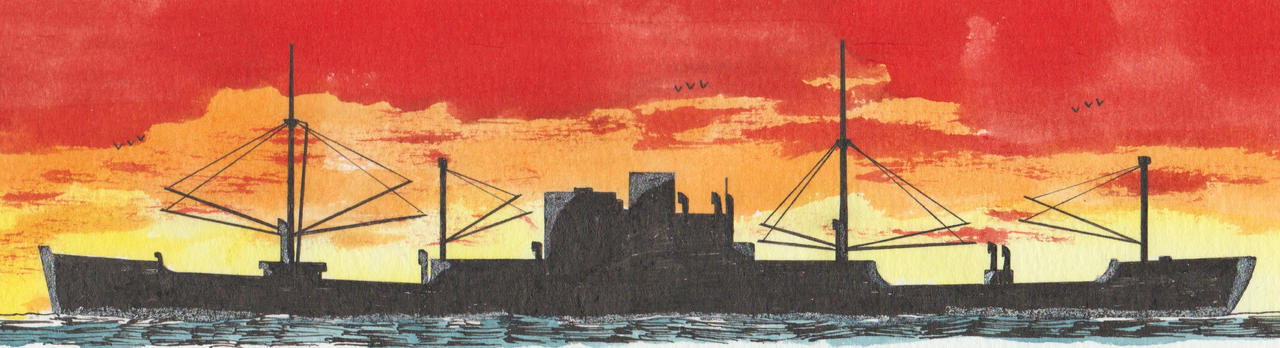
Similar Tatuharu Maru, Tatuho Maru, Tatuyma Maru and Tatuwa Maru. Call sign JQZM. Built by Mitsubishi Jukogyo K.K., Kobe, Japan in 1938, requisitioned by the navy in summer 1941, converted into a minelayer, converted into an auxiliary transport end 1942 and broken up in 1967. Gross tonnage 6,344 tons, netto tonnage 3,792 tons and as dimensions 410.9 x 56.1 x 30.7 x 10 (light)-25.6 (loaded) feet. Steam turbine propulsion, horsepower 750 nhp/4,500 bhp, coal bunker capacity 800 tons, range 5,000 nautical miles/14 knots and speed 14 (normal cruising)-17 (maximum) knots. 

Monday, 2 March 2026

Japanese minelayer Sarushima 1933-1944

Natsushima. ©Warshipsresearch.blogspot.com

Part of Natshima-class consisting of the Nasami, Natsushima both Project H5 and Sarushima Project H5B. Ordered under the 1931 Programme. Designed was based on that of preceding Tsubama-class succeeded by Sokuten-class. Laid down by Mitsubishi, Yokohama on 28 March 1933, launched on 16 December 1933, completed on 20 July 1934, between 194e-1944 were her minerails removed for carrying 36 depth charges and since then escort, sunk during an air raid off Ototo-Jima on 4 July 1944 and stricken on 10 September 1944. 

Wednesday, 28 January 2026

Japanese minelayer Nasami 1933-1944

Natsushima. ©Warshipsresearch.blogspot.com

Part of Natshima-class consisting of the Nasami, Natsushima both Project H5 and Sarushima Project H5B. Ordered under the 1931 Programme. Design was based on that of preceding Tsubama-class succeeded by Sokuten-class. Laid down by Harima Zosen on 19 January 1933, launched on 26 March 1934, completed on 20 September 1934, sunk during an Allied air atttack at Rabaul, East New Britian, Papua New Guinea on 1 April 1944 and stricken on 10 April 1944.