Translate

Showing posts with label Faroe Islands. Show all posts

Saturday, 25 July 2026

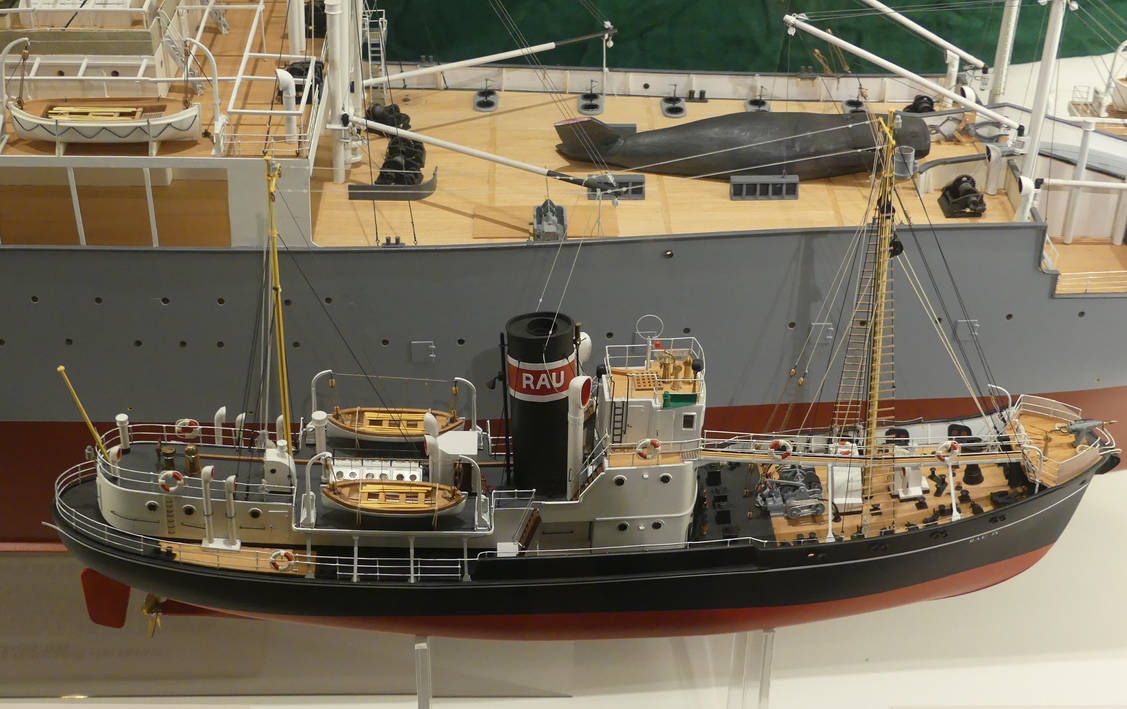
Model German steam whale catcher Rau IX 1939

Maritime Museum Hamburg, Germany, 2023.

Built by Deschimag, Werk Seebeck, Wesermünde to be added to the fleet of the whale factory Walter Rau. Due to the outbreak of the Second World War was the season 1939-1940 cancelled and the fleet transferred to the navy. Rau IX became a submarine chaser and so-called Vorpostenboot. After the war used for sweeping mines and in 1948 handed over to Norway and became a whale catcher. Later under the flag of Iceland renamed Hvalur V and under the flag of the Far Oer Heykur Wale. In 1969 returned to Bremerhaven, Germany and became a museumship. 

Tuesday, 4 November 2025

Swedish cargo ship (ex-Inger 1996-2009, Lady Inger 2009-2010, Listerhav 2010-2022) Swe-Bulk 2022-


Schelde off Vlissingen, Netherlands 3-11-2025

Cyprus-flagged, homeport Limassol, IMO 9131589, MMSI 2109382000 and call sign 5BYG5. Built by Niestern Sander, Delfzijl, Netherlands in 1966. Owner/manager Rederi AB Swedish Bulk, Gothenburg, Sweden. Gibraltar-flagged 2010-2016, Faroe Islands-flagged 2016-2022, Cyprus-flagged since 2022. 

Sunday, 26 October 2025

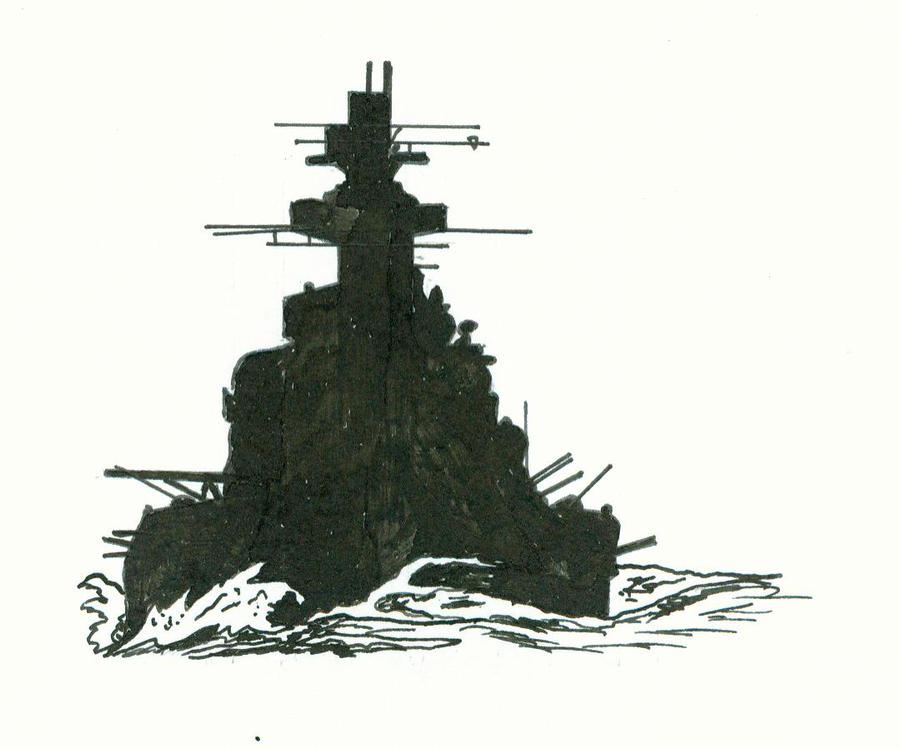
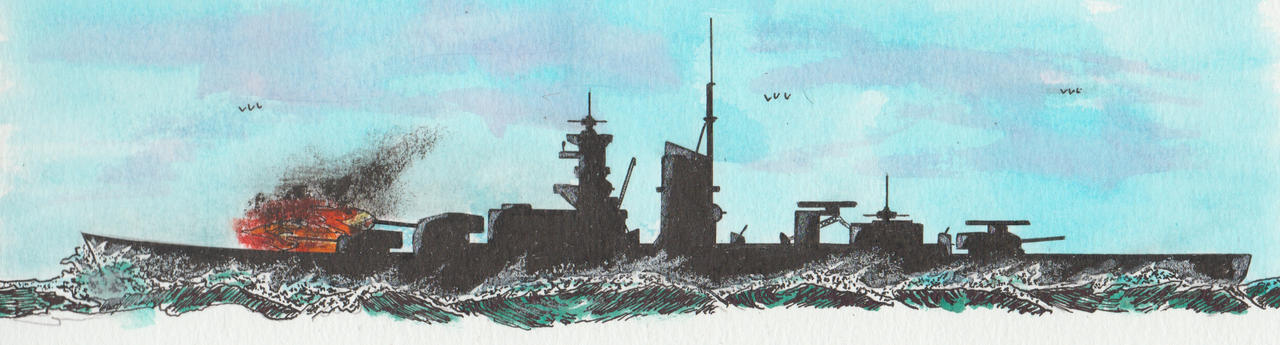
British Armed Merchant cruiser H.M.S. Rawalpindi sunk by German battleships Scharnhorst and Gneisenau on 23 November 1939

German battleship Scharnhorst. Warshipsresearch.blogspot.com

German battleship Gneisenau. Warshipsresearch.blogspot.com

British merchant cruiser HMS Rawalpindi

An item reported that the search for the German warships (1,2)which sunk the British Armed Merchant cruiser H.M.S. Rawalpindi had been fruitless.(3) The fleet retained her normal positions (the main part returned to their bases onn 1 December), convoys between the United Kingdom and resumed their passages with a strong escort and the Northern patrol of Armed Merchant cruisers was since 2 December again active.

Notes

1. Gneisenau of Scharnhorst-class preceded by planned L20e α-class and realized Bayern-class preceded by Bismarck-class, ordered as Ersatz Hessen under contract name “E”, laid down by Deutsche Werke, Kiel, Germany on 6 May 1935, launched on 8 December 1936, commissioned on 21 May 1938, decommissioned on 1 July 1942, scuttled as block ship on 23 March 1945 and broken up in 1951. Main armament 3x3-28cm/11" C/34 quick firing guns.

2. Scharnhorst of Scharnhorst-class preceded by planned L20e a-class and realized Bayern-class succeeded by Bismarch-class, laid down at the Kriegsmarinewerft Wilhemshaven, Germany on 15 June 1935, launched on 3 October 1936, commissioned on 7 January 1939 and sunk while in battle off the North Cape on 26 December 1943 by the British battleship HMS Duke of York with just 36 survivors of a crew of 1,968 men. The Scharnhorst was to replace the old dreadnought Elsass and so she became first know in official documents and newspaper as the Ersatz Elsass and in the contracts as “D”.Main armament 3x3-28cm/11" C/34 quick firing guns.

3. Laid down by Harland and Wolff, Greenock, United Kingdom with yard number 660 in 1923, launched on 26 March 1925, completed on 3 September 1925, requisitioned by the navy on 24 August 1939, commissioned on 19 September 1939 and sunk on 23 November 1939 by the Gneisenau and Scharnhorst with 238 men killed while on patrol north of the Faroe Islands. Armed with 8-15cm/6” Mk VII guns and 2-3”20 cwt anti aircraft guns.

Source

The National Archives, Kew Gardens, England CAB-66-4-1 Weekly Résumé (No. 14) of the naval, military and air situation from 12 noon 30 November to 12 noon 7 December 1939. 

Saturday, 2 August 2025

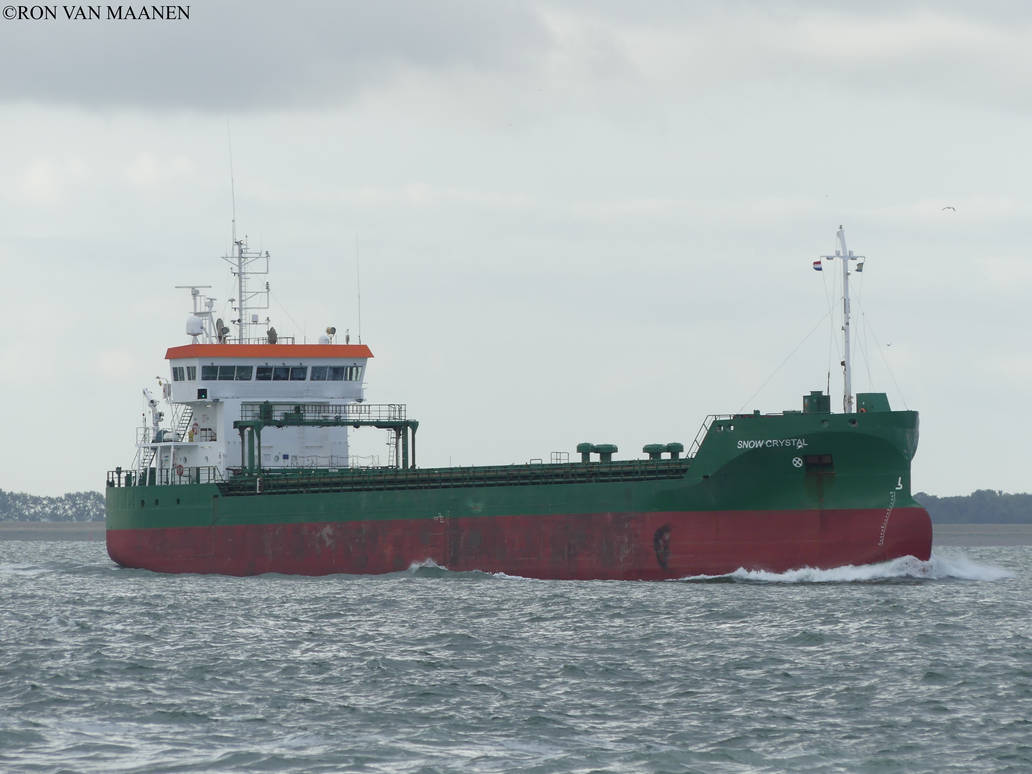
Dutch general cargo ship Snow Crystal 2017-

Schelde, Vlissingen, Netherlands 1 August 2025

Faroe Islands-flagged, homeport Tórshavn, IMO 9818319, MMSI 231800000 and call sign OZ2177. Built by Shipyard Ferust Smit B.V., Westerbroek, Netherlands with yard number 445. Register owner Thun Tankers BV, Delfzijl, Netherlands, commercial manager Erik Rhun AB and ISM manager Thun Shipmanagement AB, Lidköping, Sweden. Netherlands-flagged in 2017. 

Saturday, 19 July 2025

Enemy submarine activities in the Atlantic Ocean according to the U.S. Joint Intelligence Committee. Daily summary dated 3 January 1942

An item reported that the number of enemy submarines in the Atlantic Ocean increased. There were 5-6 on westerly courses underway towards Newfoundland with others near the Faroes, Azores and Freetown [Sierra Leone?]. One submarine was seen off Swan Island position 16.25 north and 84.00 west in the Caribbean 110 miles north of eastern Honduras and off the Portland (Me.) lightship was a sound contact. The J.I.C. commented that isolate contacts (sound or fleeting views of periscopes) must be considered to be inconclusive.

Source

Map Room Papers (Roosevelt Administration), 1942 - 1945. U.S. Joint Intelligence Committee. Daily summary No. 24 dated 3 January 1942

Wednesday, 9 July 2025

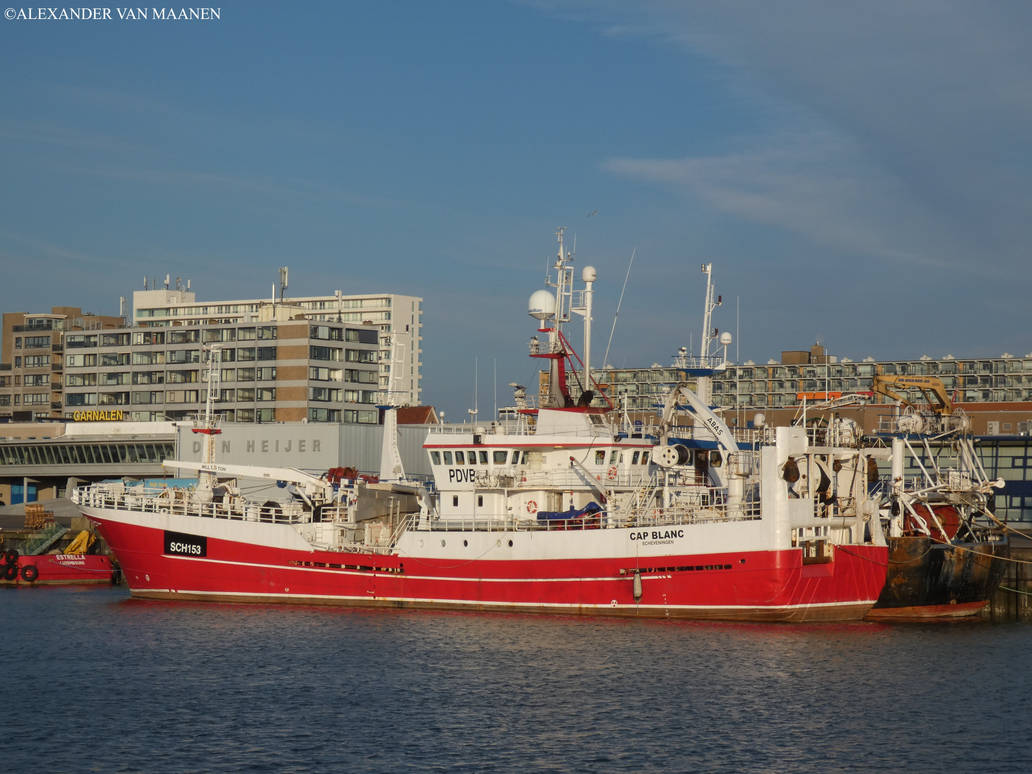
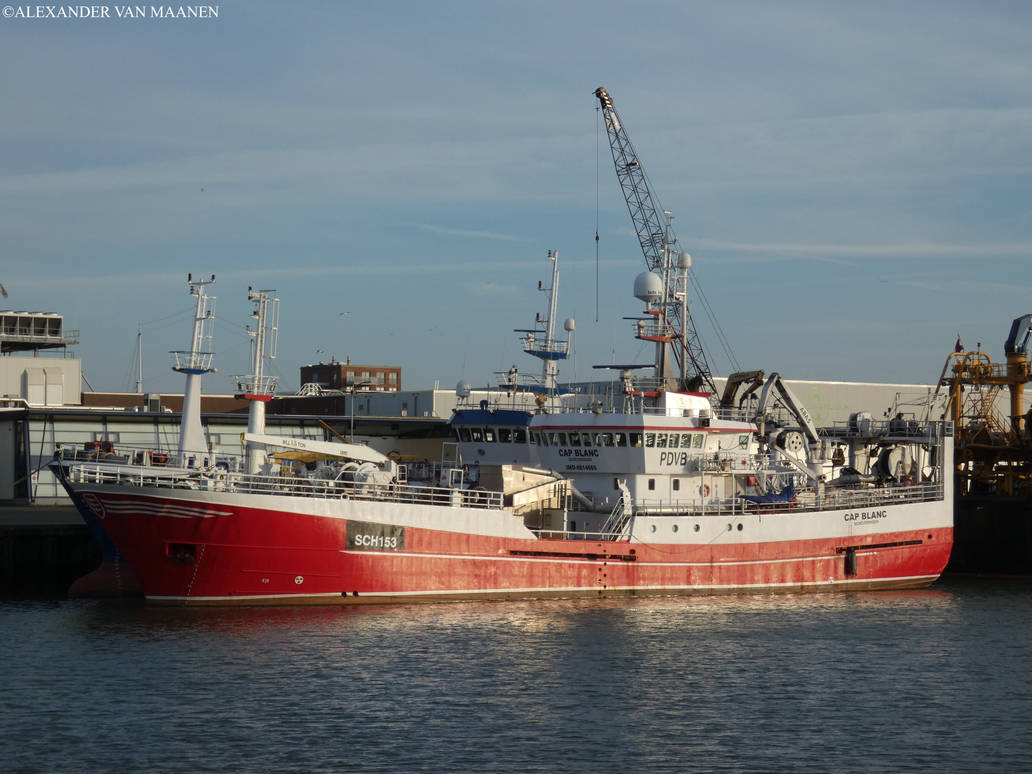
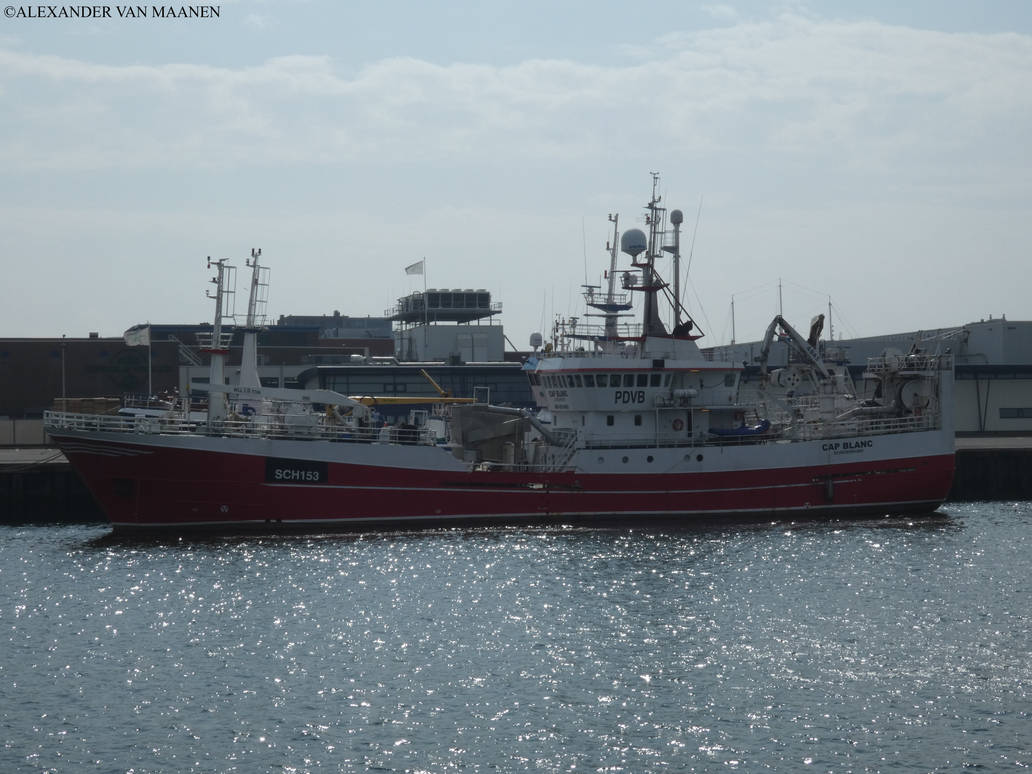
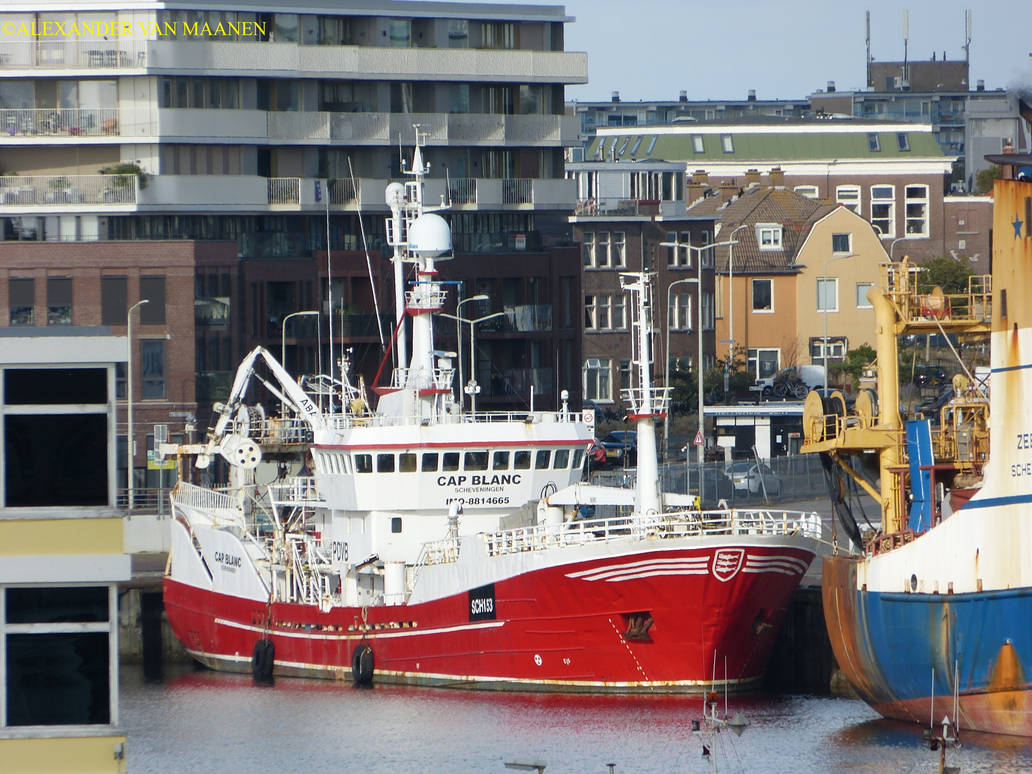
Dutch trawler (ex-Torson 1990-1998, Talbor 1998-1999, Sveinn Benediktson 1999-2003, Gudmundur Olafur 2003-2007, Magnarson 2007, Birtingur 2007-2009, Atlandsfarid 2009-2016 Nordhavid 2016-2019) Cap Blanc SCH 153 2018-


Scheveningen, Netherlands April 2025

Netherlands-flagged, IMO 8814665, MMSI 246857000 and call sign PDVB. Laid down by Hellesoy Verft, Løfallstrand, Norway on 01 July 1988, launched on 24 November 1989 and completed on 17 March 1990.As Atlantsfarid Faeroe Islands-flagged, homeport Midvagur, call sign XPXN. Curacao-flagged between 2018-2020, Iceland-flagged 2007 and Norway-flagged 2007=2009 and since Faroe Islands-flagged. 

Thursday, 24 April 2025

Dutch trawler (ex-Sveinn Benediktson 1990-2000, Gudmundur Olafur 2000-2007, Birtingur 2007-2009, Magnarson 2009, Atlansfarid 2009-2016, Nordhavid 2016-2020) Cap Blanc SCH153 2020-

Scheveningen, Netherlands 12 April 2025

Netherlands-flagged, IMO 8814665, MMSI 246857000, NLD199072038 and call sign PVDB. In September 2020 reflagged at that moment Curacao-flagged with pennant CUR-135? As Atlantsfarid, Faroe Islands-flagged, homeport Midvagur, call sign XPXN, manager/owner Northwest Pelagic, Midvagur, Faeroe Islands. Built by Hellesoy Verft, Lofallstrand, Norway in 1990. Ex-Sveinn Benediktson renamed January 2000, Gudmundur Olafur renamed March 2007, Birtingur renamed July 2009, Magnarson renamed November 2009, Atlansfarid renamed 2016, Nordhavid renamed 2020.

Thursday, 7 November 2024

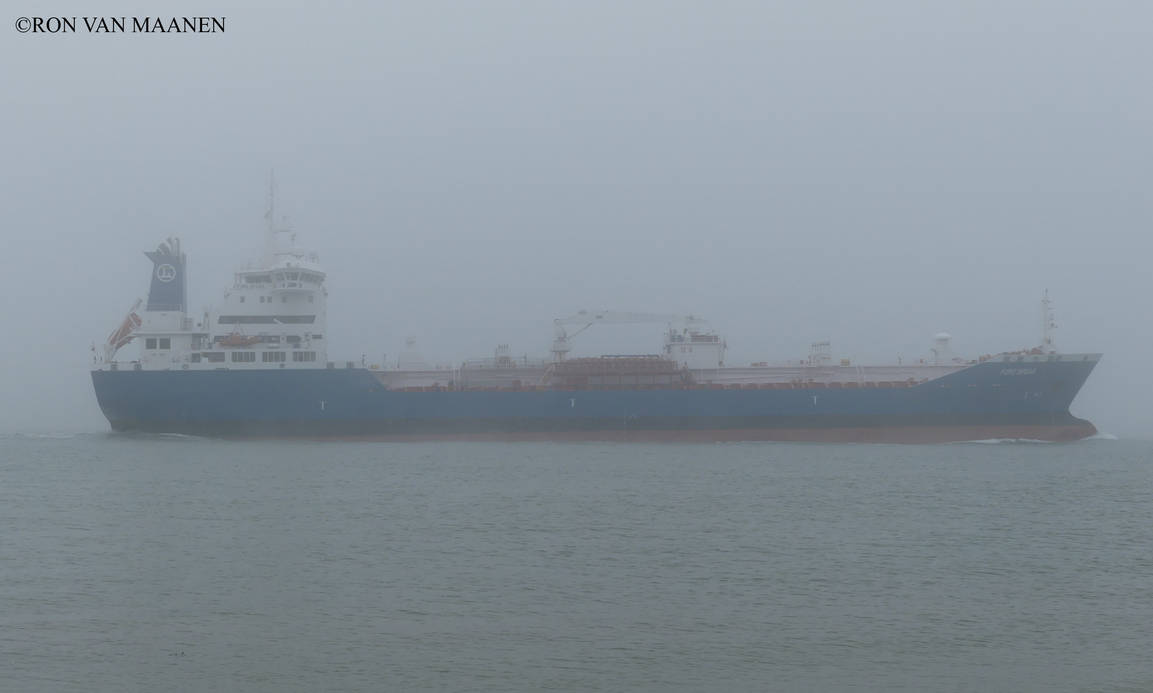
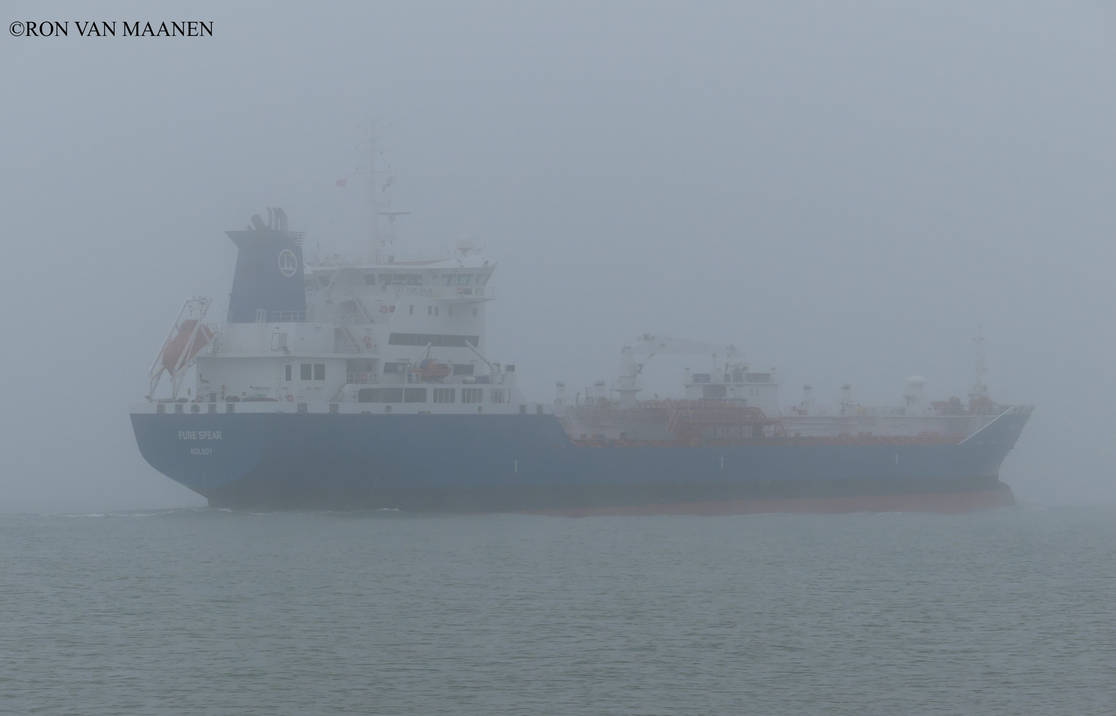
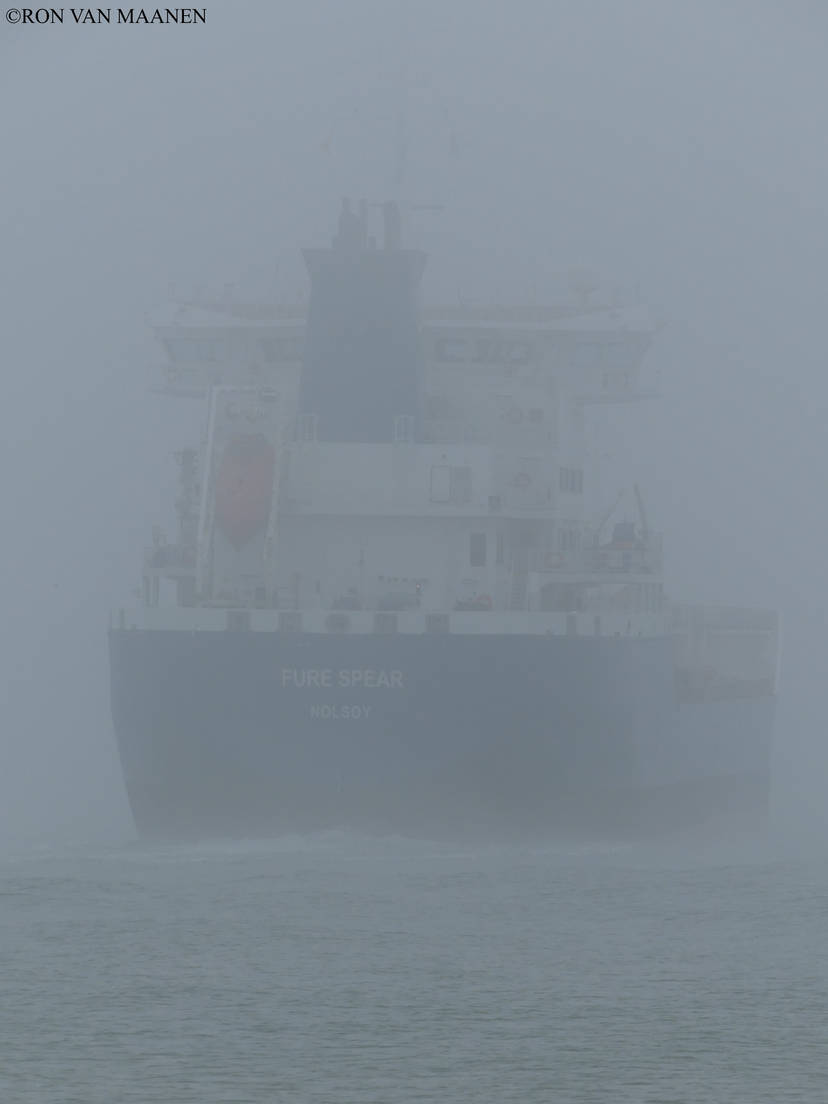
Swedish oil/chemical tanker (ex-Liv Knutsen 2009-2024) Fure Spear 2024-


Schelde off Vlissingen, Netherlands 4-11-2024

Faroe Islands-flagged, homeport Nolsoy, IMO 9409273, MMSI 231894000 and call sign OZ2217. Built by CSSC Jiangnan Shipyard (group) Co. Ltd., Shanghai, China in 2009. Owner SP/f Seabear and manager Furetank Reeri Ab, both of Donso, Sweden.

Saturday, 4 May 2024

No cable connection between Iceland and the United Kingdom according to the U.S. Joint Intelligence Committee. Daily summary dated 12 April 1942

An item reported that the only availble cable between Iceland and the United Kingdom was broken or cut on the traject Faroe and Shetland Islands. This was a main communication problem with just one cable (with a landing on the Faroe Islands) and repairs during the war nearly impossible. The part of the cable between the Faroe Islands and Iceland seemed to be working.

Source

Map Room Papers (Roosevelt Administration), 1942 - 1945. U.S. Joint Intelligence Committee. Daily summary No.123 dated 12 April 1942. 

Thursday, 7 December 2023

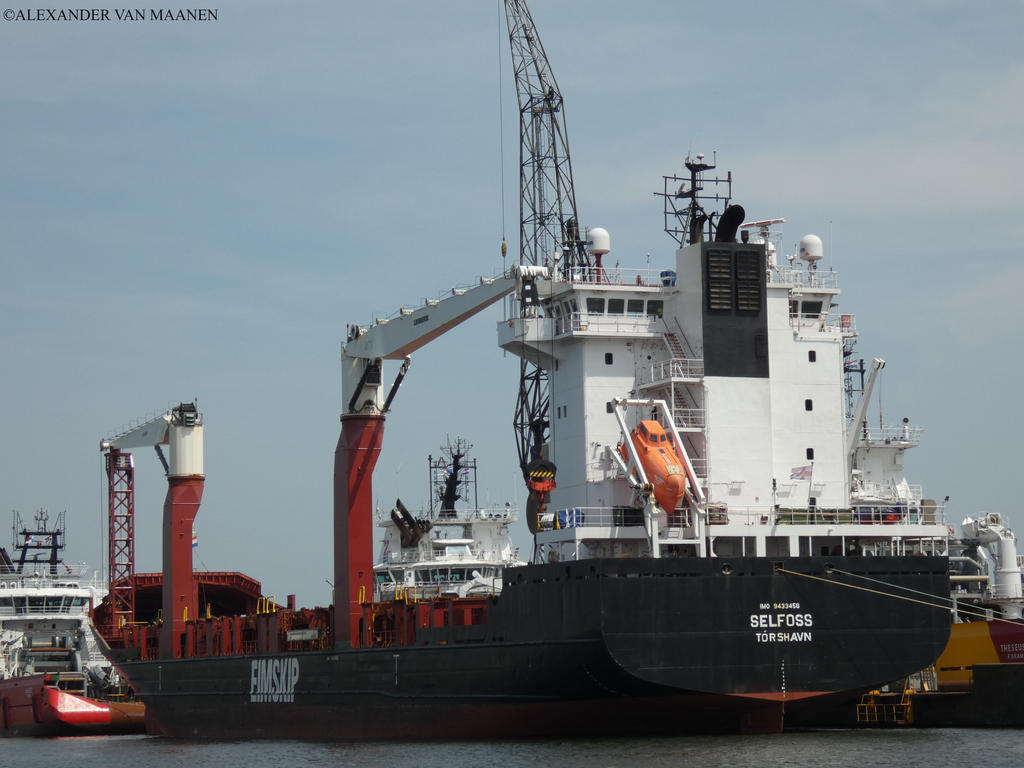
Icelandic container ship (ex-Sophia 2008-2017) Selfoss 2017-


Amsterdam, Netherlands June 2023

Faroe Islands-flagged, homeport Torshavn, IMO 9433456, MMSI 231123000 and call sign OZ2171. Renamed May 2017. Built by Fujian Mawei Shipbuilding, Mawei, China in 2008. Owner/manager Eimskip Island Ehf, Reykjavik, Iceland. 

Tuesday, 26 September 2023

Australian fishing vessel (ex-Dirk Dirk 1983-2009, Naeraberg 2009-2014, Dirk Dirk 2014-2015, Geelong Star 2015) Dirk-Dirk KW 172 2015-

Jmuiden, Netherlands weekend 24-25 September 2023

Netherlands-flagged, homeport Katwijk MMSI 244030073 and call sign PBBZ. As Geelong Star Australia-flagged, homeport Keelong, IMO 820971, MMSI 24430073 and call sign VHKJ. Germany-flagged 1993-2009, Faroe Islands-flagged, 2009-2011 and 2012-2015 and Lithuania-flagged 2011-2012. Ex-Dirk Dirk renamed 30 October 2009, Naeraberg renamed 11 December 2014 and Dirk Dirk renamed 10 February 2015 and Geelong Star renamed 2015. Built by Harlingen Scheepswerf&Reparatiebedrijf, Harlingen, Netherlands in 1983. Owner Seafish Tasmania, Triabunna, Australia and manager Parlevliet&Van der Plas, IJmuiden, Netherlands. 

Thursday, 27 July 2023

Dutch trawler (ex-Sveinn Benediktson 1990-2000, Gudmundur Olafur 2000-2007, Birtingur 2007-2009, Magnarson 2009, Atlansfarid 2009-2016, Nordhavid 2016-2020) Cap Blanc SCH153 2020-

Scheveningen, Netherlands 6 March 2021

Netherlands-flagged, IMO 8814665, MMSI 246857000, NLD199072038 and call sign PVDB. In September 2020 reflagged at that moment Curacao-flagged with pennant CUR-135? As Atlantsfarid, Faroe Islands-flagged, homeport Midvagur, call sign XPXN, manager/owner Northwest Pelagic, Midvagur, Faeroe Islands. Built by Hellesoy Verft, Lofallstrand, Norway in 1990. Ex-Sveinn Benediktson renamed January 2000, Gudmundur Olafur renamed March 2007, Birtingur renamed July 2009, Magnarson renamed November 2009, Atlansfarid renamed 2016, Nordhavid renamed 2020.

Wednesday, 21 September 2022

Faroe Islands trawler Akraberg (FD 10) 2022-

Photo made by Frode Adolfsen

With our thanks for allowing us to publish

Faroe Islands-flagged, IMO 9909845, MMSI 231067000 and call sign OW2087. Gross tonnage 4,370 tons, summer deadweight 2,100 tons. Built by Vard Brattvaag AS, Norway in 2022. Owned by Jacob Joensen, Fare Islands.

Thursday, 26 May 2022

Nordic sails - History & development of working sail in North & Northwest-Europe


The intention behind creation of this book was to present the reader with a broad outline of the history and development of working sail in Northern and North-western Europe. The vessels depicted represent hundreds of years of evolution in merchant and fishing ship design and construction. Although many tend to believe that the "age of sail" is long gone and destined never to return, it has in fact never faded completely away, merely decreased in presence and, remarkably enough, some of the technologies and inventions of the past are now revealing their potential to become more important in the future.


Throughout human history, ship propulsion has become more and more advanced. In the earliest days it was provided mostly by paddles/oars, followed by sails. Only after the Industrial Revolution did things start to change more and ship propulsion became increasingly diverse over the years that followed, first with the introduction of steam engines, followed by steam turbines, gasoline and diesel engines, electrical motors, nuclear power and even hydrogen-fueled systems, but the development of wind-based methods never stopped. Sailing merchant ships are making a quite unexpected comeback, and their numbers are increasing. These days the family of commercially active sailing ships is becoming more diverse once again, as the vessels carrying 'classic' canvas sails are being joined by ones carrying the so-called mechanical sails, such as rotor sails, dyna sails, wing sails, wind turbines and various other wind powered mechanisms.


The 1973 oil crisis gave birth to many initiatives towards sailing cargo ship revival, but few of them actually came to fruition. Some examples from this "forgotten decade" of ship design are included here, to an extent permitted by the size constraints of this publication and an unfortunate limitation stemming from a limited source base for these often extremely imaginative projects. Yet, many engineers dared to take the challenge of pushing the bounds of sail technology to wholly new levels and they will all be honoured in this publication as a result

The focus is on ships built (or intended to be built) in countries located in Northern & North-western Europe, as well as those vessels built elsewhere but for clients from the aforementioned areas. As mentioned, obvious practical considerations allowed us to present only a limited selection from an immense multitude of ships that potentially could be included, and some tough choices had to be made in order to find a proper balance between the various categories of vessels while keeping this publishing project manageable. The categories of all kinds of sailing merchant and fishing ships were eligible to be included in this book, on the condition that they were originally built for these purposes, even if not necessarily "sailing" ships from the start, merely converted from motor vessels at some point in their service lives:

Each ship has been presented in a number of detailed technical drawings depicting them during key moments of their history, and supported by detailed write-ups of the ship's service record, technical specifications and sail plans. Starting with their original appearance, followed by the modifications made, changes of ownership, changes in purpose and in some cases their change back to a nearly original state.

Countries that will be represented: Åland, Belgium, Denmark, Estonia, Faroe Islands, France , Germany, Ireland, Iceland, Latvia, Lithuania, Netherlands, Norway, Poland, Russia/Soviet Union, Sweden, United Kingdom.

Monday, 13 December 2021

Dutch suction dredger (ex-Arco Axe 1989-2019) Delta D 2019-


Schelde off Vlissingen, Netherlands 1 June 2021

Netherlands-flagged, homeport Sas van Gent, IMO 8803783, MMSI 244720000 and call sign PCWY. Built by Babcock Marine Appledore, Appledore, United Kingdom with yard number AS246in 1989. Owned and managed by Hanson Aggregates Marine, Southampton, United Kingdom although other sources claiming that she was bought by Delta Dredging BV, Roosendaal, Netherlands. Earlier United Kingdom-flagged 1989-2008, Faroe Islands 2008-2013, United Kingdom 2013-2018 and since 2019 Netherlands-flagged.

Monday, 8 November 2021

Nordic sails - History & development of working sail in North & Northwest-Europe

The intention behind creation of this book was to present the reader with a broad outline of the history and development of working sail in Northern and North-western Europe. The vessels depicted represent hundreds of years of evolution in merchant and fishing ship design and construction. Although many tend to believe that the "age of sail" is long gone and destined never to return, it has in fact never faded completely away, merely decreased in presence and, remarkably enough, some of the technologies and inventions of the past are now revealing their potential to become more important in the future.


Throughout human history, ship propulsion has become more and more advanced. In the earliest days it was provided mostly by paddles/oars, followed by sails. Only after the Industrial Revolution did things start to change more and ship propulsion became increasingly diverse over the years that followed, first with the introduction of steam engines, followed by steam turbines, gasoline and diesel engines, electrical motors, nuclear power and even hydrogen-fueled systems, but the development of wind-based methods never stopped. Sailing merchant ships are making a quite unexpected comeback, and their numbers are increasing. These days the family of commercially active sailing ships is becoming more diverse once again, as the vessels carrying 'classic' canvas sails are being joined by ones carrying the so-called mechanical sails, such as rotor sails, dyna sails, wing sails, wind turbines and various other wind powered mechanisms.

The 1973 oil crisis gave birth to many initiatives towards sailing cargo ship revival, but few of them actually came to fruition. Some examples from this "forgotten decade" of ship design are included here, to an extent permitted by the size constraints of this publication and an unfortunate limitation stemming from a limited source base for these often extremely imaginative projects. Yet, many engineers dared to take the challenge of pushing the bounds of sail technology to wholly new levels and they will all be honoured in this publication as a result

The focus is on ships built (or intended to be built) in countries located in Northern & North-western Europe, as well as those vessels built elsewhere but for clients from the aforementioned areas. As mentioned, obvious practical considerations allowed us to present only a limited selection from an immense multitude of ships that potentially could be included, and some tough choices had to be made in order to find a proper balance between the various categories of vessels while keeping this publishing project manageable. The categories of all kinds of sailing merchant and fishing ships were eligible to be included in this book, on the condition that they were originally built for these purposes, even if not necessarily "sailing" ships from the start, merely converted from motor vessels at some point in their service lives:

Each ship has been presented in a number of detailed technical drawings depicting them during key moments of their history, and supported by detailed write-ups of the ship's service record, technical specifications and sail plans. Starting with their original appearance, followed by the modifications made, changes of ownership, changes in purpose and in some cases their change back to a nearly original state.

Countries that will be represented: Åland, Belgium, Denmark, Estonia, Faroe Islands, France , Germany, Ireland, Iceland, Latvia, Lithuania, Netherlands, Norway, Poland, Russia/Soviet Union, Sweden, United Kingdom.

Monday, 25 October 2021

Germany claiming sinking of American cruisers and other ships according to the U.S. Joint Intelligence Committee Daily summary dated 16 May 1942

An item referred to press items reporting that on 15 May the German High Command claimed that German aircraft sunk off northern Norway an American heavy cruiser and a destroyer further more an icebreaker and a 2,000 tons freighter and heavily damaging a 10,000 tons freighter. At the moment were none official reports available to conform or refute this claim. Official reports did report the Germain air attack on 2 American destroyers escorting 3 ships in the Faroes area and a British light cruiser escorting ships off northern Norway.(1) What both attacks caused was unknown. The J.I.C. commented that the German High Command was probably referring to these attacks.  

Note

Later it became known that it was the British light cruiser HMS Trinidad. Of the Fiji-class light cruisers, preceded by Dido-class, succeeded by Minotaur-class laid down by HM Dockyard Devonport on 21 April 1938, launched on 21 March 1941 and commissioned on 14 October 1941.

Source

Map Room Papers (Roosevelt Administration), 1942 - 1945. U.S. Joint Intelligence Committee. Daily summary No. 157 dated 16 May 1942

Friday, 9 July 2021

German cargo ship (ex-Nestor 2008-2019) Wilson Drogheda 2019-

Schelde of Vlissingen, Netherlands 18 May 2021

Antigua&Barbuda-flagged, homeport Saint Johns’s, IMO 9390123, MMSI 305620000 and call sign V2FB3. Built by Slvenske Lodenice A.S., Komarno, Slovakia in 2008. As Nestor Faroe Islands-flagged, owned by Argonauten Holding and managed by Wessels Reederi, both at Haren Ems, Germany. Tunadal

Monday, 5 July 2021

Faroe Islands general cargo ship (ex-Castor 1992, Stadt Wilhelmshaven 1992, Sunrise 1992-2005, Black Sea 2005-2013) Vitin 2013-


Schelde off Vlissingen, Netherlands 12 May 2020

Faroe Islands-flagged, IMO 9006289, MMSI 231114000 and call sign OZ2150. Owned and managed by Sandgrevstur, Fuflaf Jordur, Faeroe Islands. Built by PS Werften Wolgast, Wolgast, Germany in 1992. Ex-Castor renamed 1992, Stadt Wilhelmshaven renamed October 1992, Sunrise renamed May 2005 and Black Sea (Antigua&Barbuda-flagged) renamed October 2013.

Tuesday, 30 March 2021

Abandoned whaling station at Við Áir, located between Hósvík and Hvalvík, Streymoy, Faroe Islands anno 21th Century


Source


Photos Vincent van Zeijst

This station was the last of the totally seven whaling stations in the Faroe Islands, built in 1905 and operated by the Norwegian whaling company Chr. Salvesen&Co. Until 1930. On 1936 purchased by the Faroese company P/F Sperm which rebuilt and modernize the station. The start was not successful while the Falkur and Heykur just caught 17 whales. Two years later a third boat Ribeira was bought and in the meantime caught each boat around the 100 whales. The outbreak of the Second World War forces to stop all activities until 1945. With almost diminished whale stocks the company was it almost impossible to make profits and she went bankrupt in 1952. The next years was the stationed operated by the company Heykur until the company Partafelagið Hvalarakstur took over the activities between 1954-1958. The oil production was stopped in 1958 and all activities until 1962 when the company Treyst started. Commercial whaling was almost an illusion with the last whale caught in 1986. In 1989 was decided to convert the station into a maritime museum.