Translate

Showing posts with label Battle cruisers. Show all posts

Friday, 25 September 2026

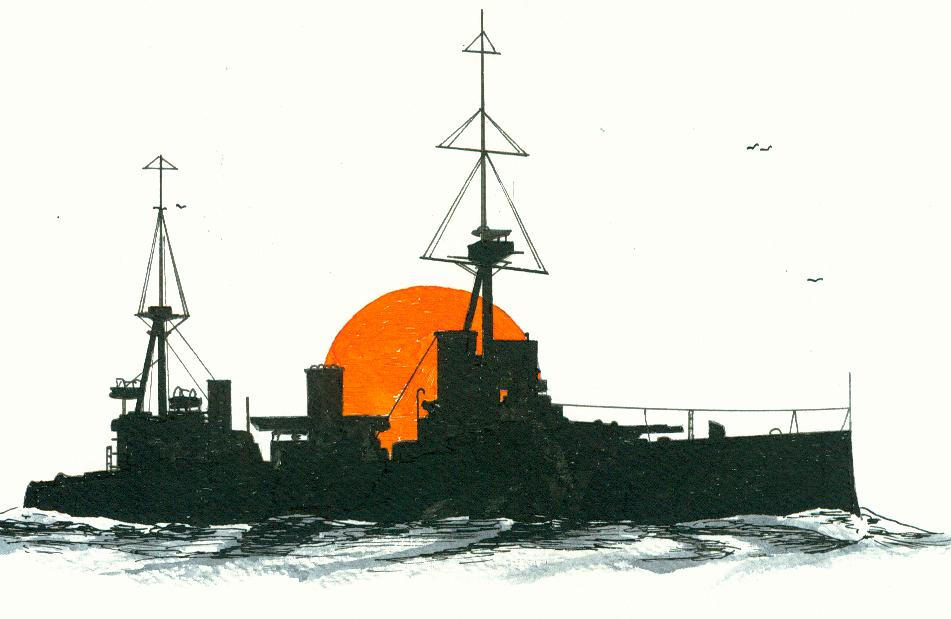
Relicts of the past:torpedo tube and screw of the Australian battle cruiser HMAS Australia

HMAS Australia©Warshipsresearch.blogspot.com 


Submerged 45cm/18” torpedo tube

Screw

Australian War Memorial Treloar Centre, Canberra, Australia

Part of Indefatigable-class preceded by Invincible-class succeeded by Lion-class. Building ordered on 9 December 1909, laid don by John Brown&Company, Clydebank, Scotland with yard number 402 on 26 June 1910, launched on 25 October 1911, commissioned on 21 June 1913, decommissioned on 12 December 1921 and scuttled off Sydney Heads on 12 April 1924 as part of the limitation of capital ships under the Washington Naval Treaty.

Sunday, 20 September 2026

Positions of major German warships according to the U.S. Joint Intelligence Committee. Daily summary dated 23 February 1942

U.S. Naval History and Heritage Command, MH 71390
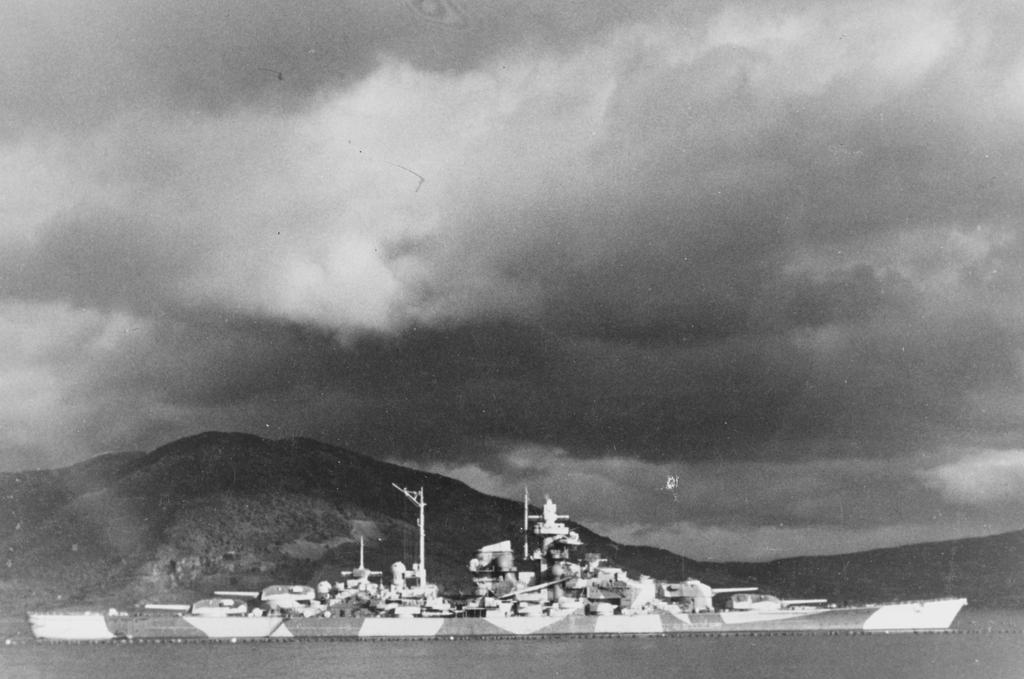
Tirpitz anchored in the Alta Fjord, Norway between 1943-1944


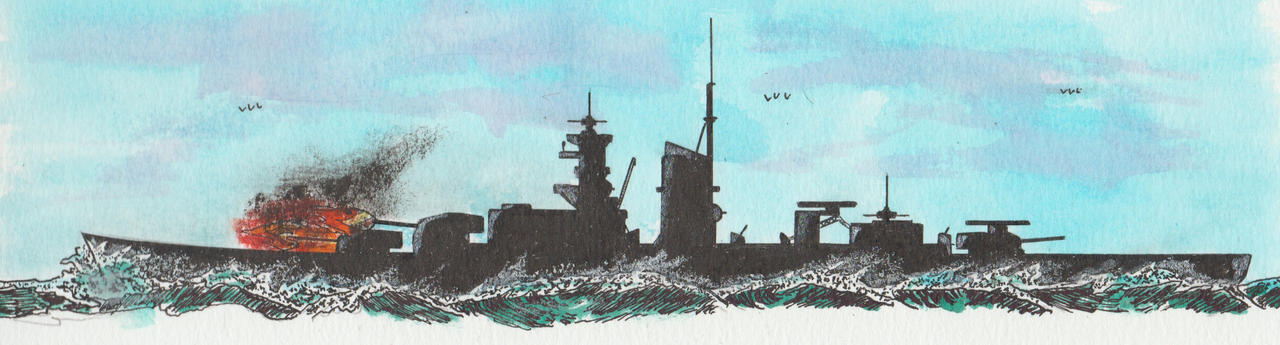
Gneisenau©Warshipsresearch.blogspot.com

Scharnhorst©Warshipsresearch.blogspot.com


pocket battleship/heavy cruiser Lutzow (ex-Deutschland). Marinmuseum/DigitaltMuseum

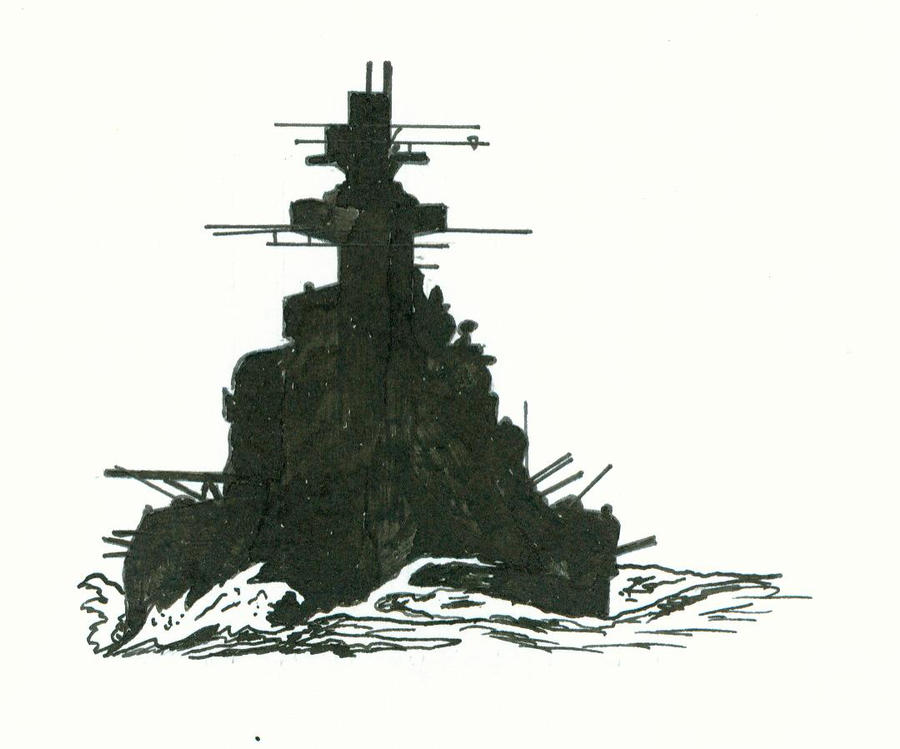
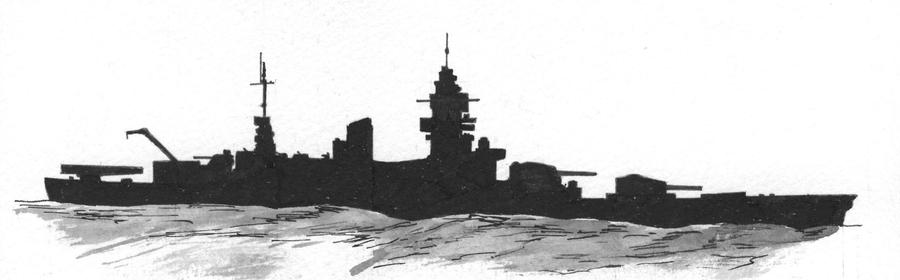
Admiral Hipper-class heavy cruisers©Warshipsresearch.blogspot.com

light cruiser Nürnberg©Warshipsresearch.blogspot.com

An item reported that one German pocket battleship [in pencil Lutzow] and one Hipper-class cruiser were berthed in the Grimstad Fjord south of Bergen, Norway with the German battleship Tirpitz still at Trondheim. One battle cruiser believed to be the Scharnhorst was lying in the floating dock at Kiel and the cruiser Nürnberg close by berthed. The other battle cruiser [Gneisenau[ was lying at Wilhelmshaven, Germany.

Source

Map Room Papers (Roosevelt Administration), 1942 - 1945. MR0423. U.S. Joint Intelligence Committee. Daily summary No. 75 dated 23 February 1942

Tuesday, 15 September 2026

Positions of German warships according to the U.S. Joint Intelligence Committee. Daily summary dated 24 February 1942

U.S. Naval History and Heritage Command, MH 71390
Tirpitz anchored in the Alta Fjord, Norway between 1943-1944

Gneisenau©Warshipsresearch.blogspot.com

Scharnhorst©Warshipsresearch.blogspot.com

pocket battleship/heavy cruiser Admiral Scheer. Werft-Reederei-Hafen 15 April 1933

Admiral Hipper-class heavy cruisers©Warshipsresearch.blogspot.com

light cruiser Nürnberg©Warshipsresearch.blogspot.com

An item reported that according to photos made during reconnaissance flights on 22 February the German battleship Gneisenau and light cruiser Nürnberg were lying at Kiel, Germany, the battleship Scharnhorst at Wilhelmshaven, the pocket battleship Admiral Scheer and probably the heavy cruiser Prinz Eugen [Admiral Hipper-class] at Bergen, Norway and the battleship Tirpitz at Trondheim, Norway.

Source

Map Room Papers (Roosevelt Administration), 1942 - 1945. MR0423. U.S. Joint Intelligence Committee. Daily summary No. 76 dated 24 February 1942

Friday, 4 September 2026

German battle cruiser study design GK 3531 dated 1918

©Warshipsresearch.blogspot.com

Dimensions 240 x 29,5 (maximum) x 9 (construction draught) and a displacement of 35,000 ton.

Armament 2x2-38xc cal 45 guns, 12x15 cm and 1 submerged bow torpedo tube.

Turbine propulsion,4 shafts, speed 31-32 knots, 16 coal and 15 oil fuelled boilers. 

Austro-Hungarian design for a battle cruiser Project II dated June 1917

Displacement 30,000 tons with an armament of 2x3-38 cm guns L/45 guns, her secondary armament included 18x1-15cm L/50 guns. Speed 30 knots. Designed by Marinetechnisches Komitee (MTK). Never realized. 

Saturday, 29 August 2026

Austro-Hungarian design for a battle cruiser Project IV dated December 1917

©Warshipsresearch.blogspot.com

Displacement between 32,600-34,000 tons with an armament of 3x2-38 cm guns L/45 guns, 18x1-15cm L/50 guns, 4-15cm L/50 dual purpose guns and 6 submerged 53cm torpedo tubes. Speed 30 knots. Horsepowe 112,000hp. Range 8,000 nautical miles/15 knots. Designed by Marinetechnisches Komitee (MTK). Never realized. 

Wednesday, 26 August 2026

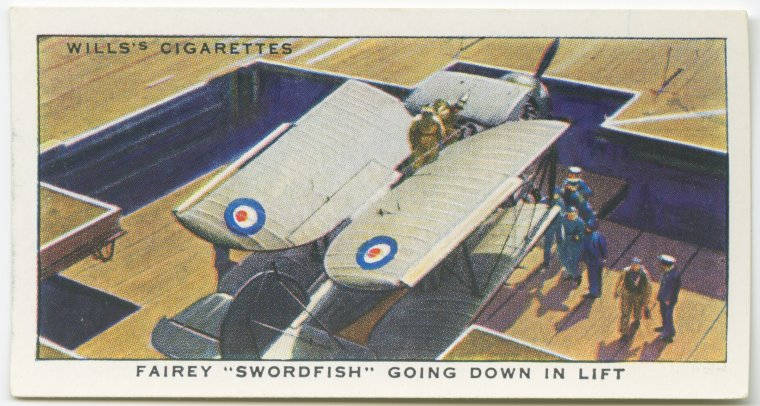
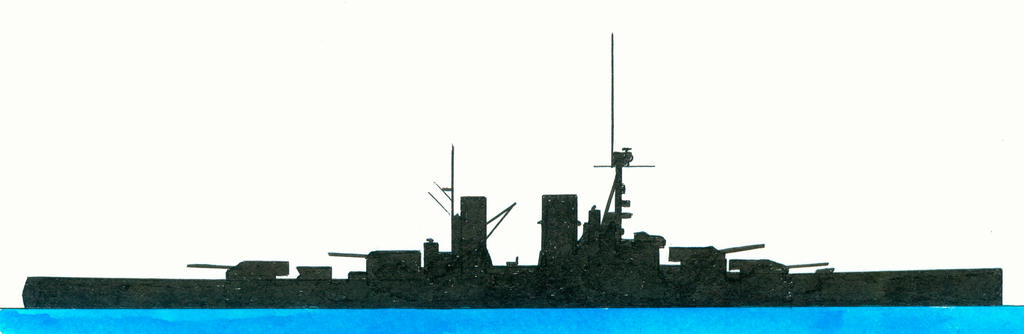
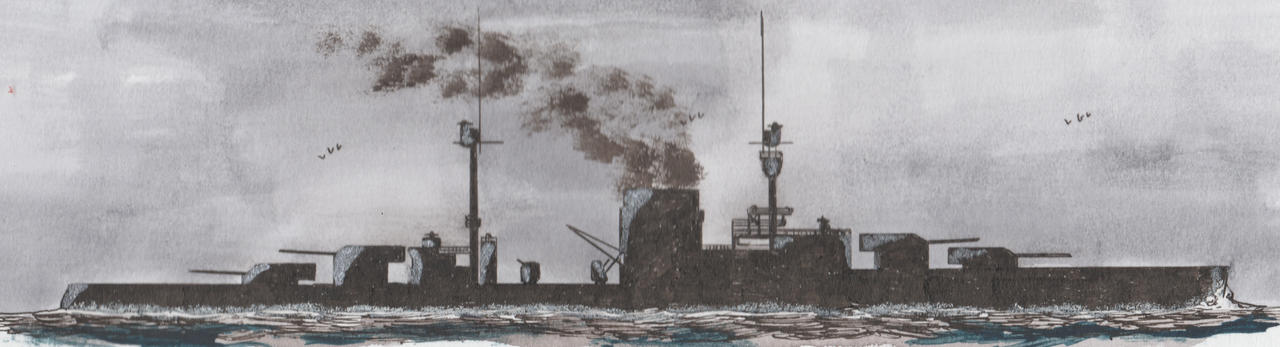
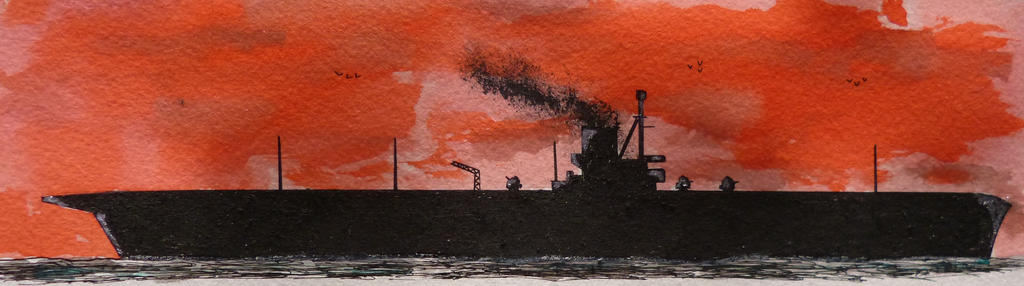
British aircraft carrier HMS Furious arrived in England retrning from Canada according to the War Cabinet Weekly Résumé No. 45of the Naval, Military and Air Situation 4-12 July 1940

Courageous-class battle cruisers©Warshipsresearch.blogspot.com

HMS Furious©Warshipsresearch.blogspot.com

Fairey Swordfish going down in lift

An item reported that the British aircraft carrier HMS Furious (1) arrived at Liverpool, England on 7 July retuening from Canada with aircraft and ammunition.(1)

Note

1. Laid down as a Courageous-classs battle cruiser by Armstrong Whitworth, Wallsend on 8 June 1915, launched on 18 August 1916, commissioned on 26 June 1917, reclassified as an aircraft carrier in September 1925 and sold to be broken up in 1948.

Source

National Archive UK. CAB-66-9-42. 

Saturday, 22 August 2026

German battle cruiser study design GK 4542 dated 25 February 1918

Mackensen-class©Warshipsresearch.blogspot.com

GK 4542 design©Warshipsresearch.blogspot.com

Dimensions 240 x 33.5 (maximum) x 10 (construction draught) metres and a displacement of 45,000 tons. Armament 4x2-42 cm cal 45 guns, 12-15cm cal 45 guns and 1 submerged bow torpedo tube. Turbine propulsion with 4 shafts16 coal and 10 oil fuelled boilers, speed 28-30 knots. 

Tuesday, 18 August 2026

British aircraft attacked French battle cruiser Dunkerque according to the War Cabinet Weekly Résumé No. 45of the Naval, Military and Air Situation 4-12 July 1940

British HMS Ark Royal©Warshipsresearch.blogspot.com

French Dunkerque©Warshipsresearch.blogspot.com

An item reported that on 6 July torpedo aircraft of the British aircraft carrier HMS Ark Royal (1) attacked at Oran, French Algeria with success the French battle cruiser Dunkerque (2). She was already damaged by an earlier attack and now to be taken for some time out of action. The British lost just one plane despite the heavy French opposition.

Notes

1. Pennant 91. Built under the 1934 Programme, laid down by Cammell Laird, Birkenhead, England on 16 September 1935, launched on 13 April 1937, commissioned on 16 December 1938, underway from Malta to Gibraltar torpedoed by the German submarine U-81 on 13 November 1941 and sunk on 14 November

2. Built under the 1931 Programm as an answer on the German Deutschland-class heavy cruisers, laid down by Arsenal de Brest, France on 24 December 1932, launched on 2 October 1935, in service on 1 September 1938, scuttled on 27 November 1942, stricken in 1955 and broken up in 1958. Part of Dunkerque-class preceded by planned Lyon-class and realized Bretagne-class and succeeded by Richelieu-class.

Source

National Archive UK. CAB-66-9-42. 

Thursday, 30 July 2026

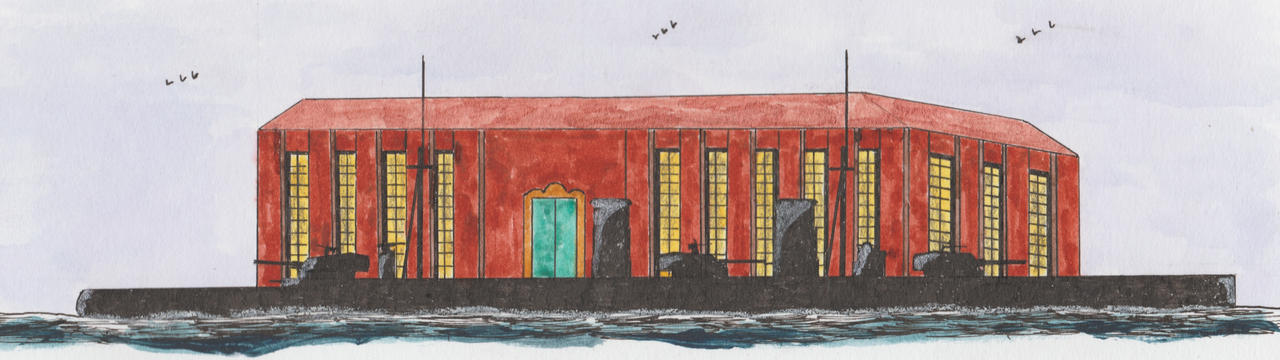
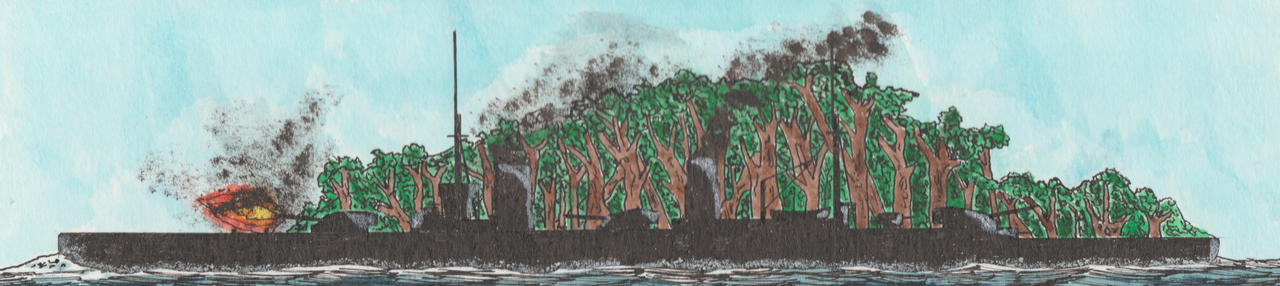
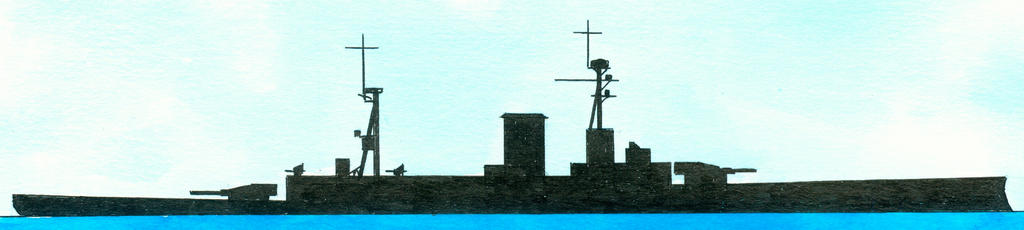
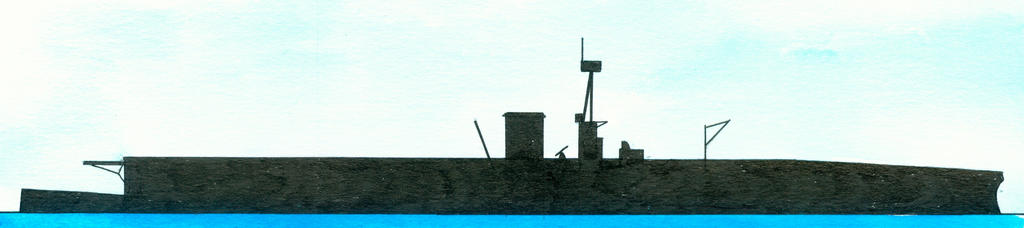
Russian Bolsheviks intending to sell incomplete warships in 1922

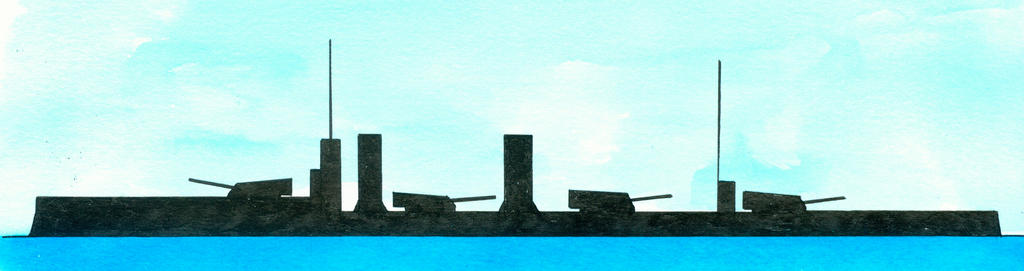
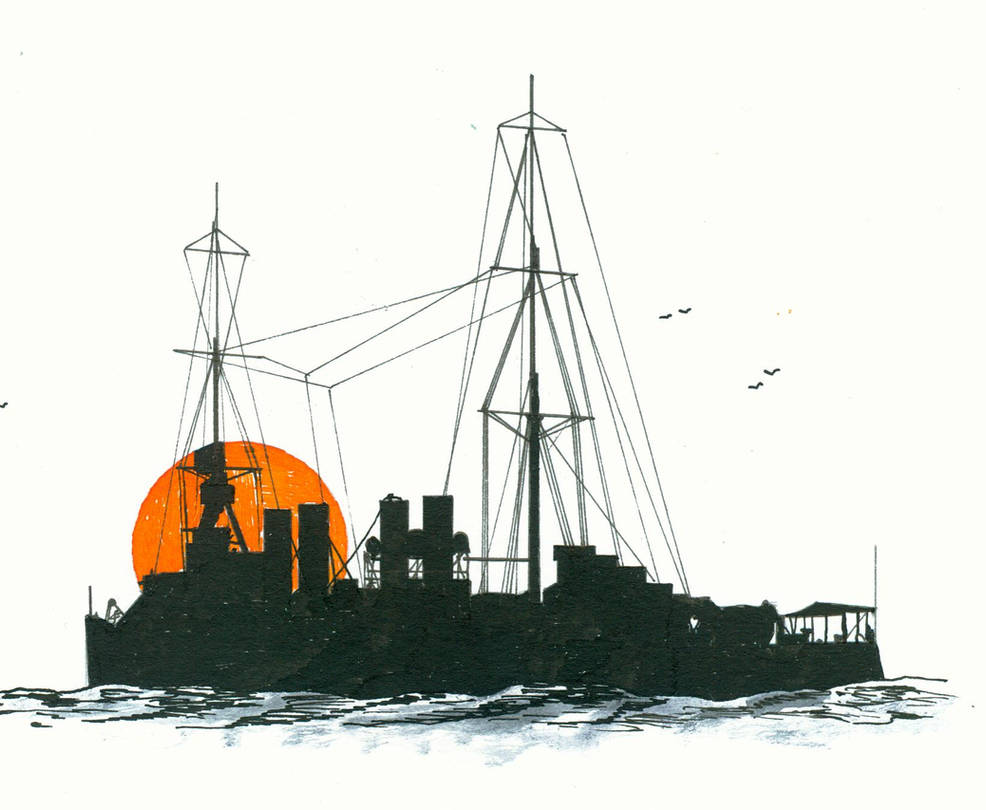
Borodino-class battle cruisers. ©Warshipsresearch.blogspot.com

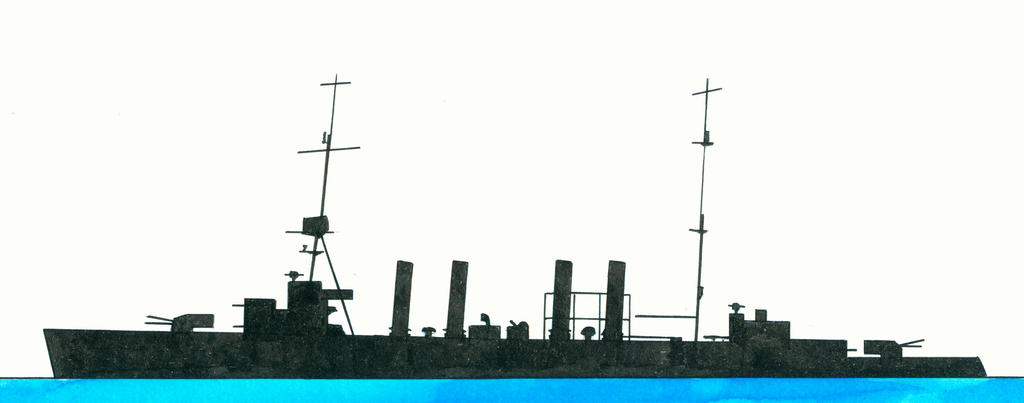
Svetlana-class light cruisers. ©Warshipsresearch.blogspot.com

A report from the Military Observer at Riga, Latvia dated 17 February 1922 No. 2482 described the Russian Baltic fleet using information supplied by the Estonian General Staff. The Bolsheviks intended to sell a number of incomplete warships:

-armoured cruisers Izmail, Borodino and Gimourn(1)

-light cruisers Admiral Greig (1) and Admiral Spiridov (3)

-destroyers Mechislav, Brechislav, Fedor Stratilat, Capitan Kerp, Crown, Zotov, Sokol, Michail, Doubosov, totally 9 all with hulls in good condition and three ships also fitted out with boilers and engines.

Notes

1. Battle cruisers of the Borodino or Izmail-class, the Izmail was broken up at Leningrad in 1931, the Borodini, Kinburn and Navarin were sold to a German company be broken up on 21 August 1923.

2. Part of Svetlana-class preceded by Muraviev Amurski-class succeeded by Admiral Nakhimov-class converted in the tanker ss Azneft taken into service in 1926.

3. Part of Svetlana-class preceded by Muraviev Amurski-class succeeded by Admiral Nakhimov-class converted in the tanker ss Grozneft taken into service in 1926.

Source

National Archive. Record Group 165: Records of the War Department General and Special Staffs Series: Security Classified Correspondence and Reports. File Unit. Russia: Navy - MID 2503-16 THRU 2503-265. Roll 1443.

Tuesday, 21 July 2026

England asked USA for more cruisers to strengthen the ABDA fleet in January 1942

USS Houston©Warshipsresearch.blogspot.com


USS Omaha-class light cruiser©Warshipsresearch.blogspot.com

Admiral of the Fleet Sir Dudley Pound (1) acting as First Sea Lord and Chief of Naval Staff suggested the Committee that regarded the remarks of the Commander-in-Chief, Eastern Fleet (2) to ask the United States to reinforce the ABDA area especially with 20.32cm/8” or large15.24cm/ 6” cruisers. The contents of the telegrams to be sent to the Chiefs of Staff in Washington D.C., USA and to general Wavell (4) were approved.

Notes

1. Alfred Dudley Pickman Rogers Pound (29 August 1877 Ventnor, Isle of Wight-21 October 1943 London, England), served between 1891-1943 in the Royal Navy. First Sea Lord 12 June 1939-15 October 1943. Between October 1940-March 1942 he was chairman of the Chiefs of Staff.

2. Sir Geoffrey Layton (20 April 1884 Liverpool, England-4 September 1962 Portsmouth, England), served between 1899-1947 in the Royal Navy. Commanded the China Station until 10 December 1941 but when was recalled as Commander-in-Chief, Eastern Fleet when HMS Prince of Wales and Repulse were sunk on the same day. March 1942 appointed in March 1942 as Commander-in-Chief, Ceylon and replaced by Sir James Somerville (17 July 1882 Weybridge, Surrey, England-19 March 1949 Dinder House, Somerset, England).

3. The American Asiatic Fleet was on 28 February 1941 renamed U.S. Asiatic Fleet, since 25 July 1939 commanded by admiral Thomas Charles Hart (12 June 1877 Davison, Michigan, USA-4 July 1971 Sharon, Connecticut, USA) who became on 15 January 1942 Commander ABDA Afloat. It consisted of destroyers, heavy cruiser USS Houston and Omaha-class light cruiser Marblehead and submarines.

4. Field marshal Archibald Percival Wavell (5 May 1883 Colchester, England-24 May 1950 Westminster, London, England). Appointed to Commander-in-Chief of ABDACOM (=American-British-Dutch-Australian Command) on 1 January 1942. The command was formed on 15 January.

Source

The National Archives. CAB 79-17-20. War Cabinet. Chiefs of Staff Committee. Minutes of meeting held on Monday 19 January 1942 10:30 a.m. 

Monday, 20 July 2026

Concept of emergency jet propulsion in the future dated 13 March 1943

Drawing by Logan U. Reavis (1887, Saint Louis, USA, 1 June 1958 (Hempstead, USA).(1)

Model Bismarck maritime Museum Hamburg, Germany

Reavis wrote that torpedoes were able to damage rudder and proper in such manner that ships became inmaneuverable or even were disableded although still further being in fighting condition. He referred to what happened with the German battleship Bismarck. Ships were in the future to be fitted out with emergency jet propulsion in such incidents providing high pressure water streams aft allowing steering and moving.

The German battleship Bismarck, laid down by Blohm&Voss, Hamburg, Germany on 1 July 1936, left Gotenhafen (Gdynia, Poland) on 19 May 1941 trying to reach the Atlantic Ocean together with the heavy cruiser Prinz Eugen,on 24 May they became involved in the Battle of the Denmark Strait against the British battle cruiser HMS Hood and battleship Prince of Wales ending in the destruction of HMS Hood. Although the HMS Prince of Wales was forced to leave the scene was also the Bismarck damaged and decided to go to France for repairs. On 26 May managed torpedo bombers to damage both rudders of which the port rudder could not be repaired but sstayed jammed making her inmanoeuvrable and just able to steam in a large circle. The next day she was scuttled by her own crew.

Note

1. He was an industrial and marine working as illustrator and writers for newspapers but also for the United States Lines and other shipbuilding related industry. In the 1950s he made promotional maps and brochures to celebrate the passenger ship ss United States which won the Blue Riband in 1932.

Source

‘The shape of ships to come’ in: The navy of the Future, The Collier’s, 13 March 1943.

Monday, 6 July 2026

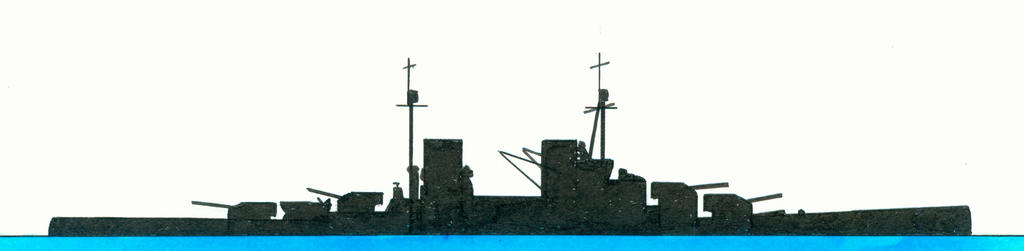
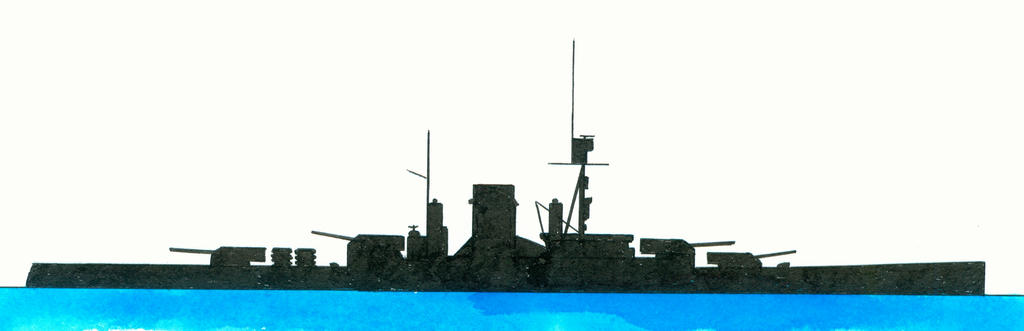
German design GK 4532 for a battle cruiser dated 20 February 1918

Derffllinger-class©Warshipsresearch.blogspot.com

Never completed Mackensen-class©Warshipsresearch.blogspot.com

Never completed Ersatz Yorck-class©Warshipsresearch.blogspot.com

GK 4532 design©Warshipsresearch.blogspot.com

Construction displacement 45,000 tons and as dimensions 240 x 33.5 x 10 metres. Speed 30 (service)-31(maximum on measured mile) knots. Armament 3x2-43cm quick firing guns, 20-15cm quick firing guns, 1-submerged torpedo tube in the bow for 89 torpedo. Armour belt17-35cm, citadel 30cm, casemates 17cm, barbettes 35-25-150-10cm, gun turrets 34 (front)-25(sides)-deck15-25cm, conning tower 25-35 (fore)-25 (aft)cm, deck 60cm. 
Sunday, 7 June 2026

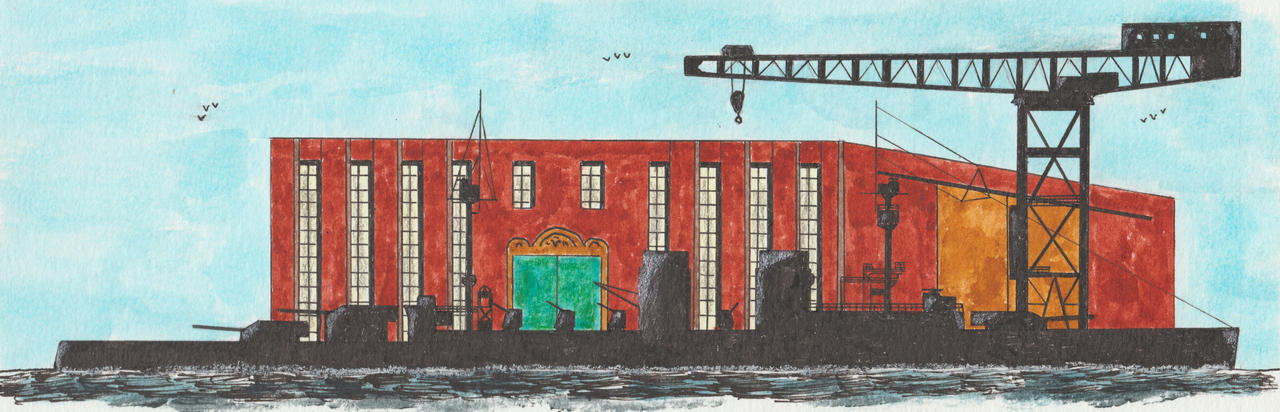
German battle cruiser study design GK 3022 dated March 1918

Derffllinger-class©Warshipsresearch.blogspot.com

Never completed Mackensen-class©Warshipsresearch.blogspot.com

Never completed Ersatz Yorck-class©Warshipsresearch.blogspot.com

Study design GK 3022©Warshipsresearch.blogspot.com

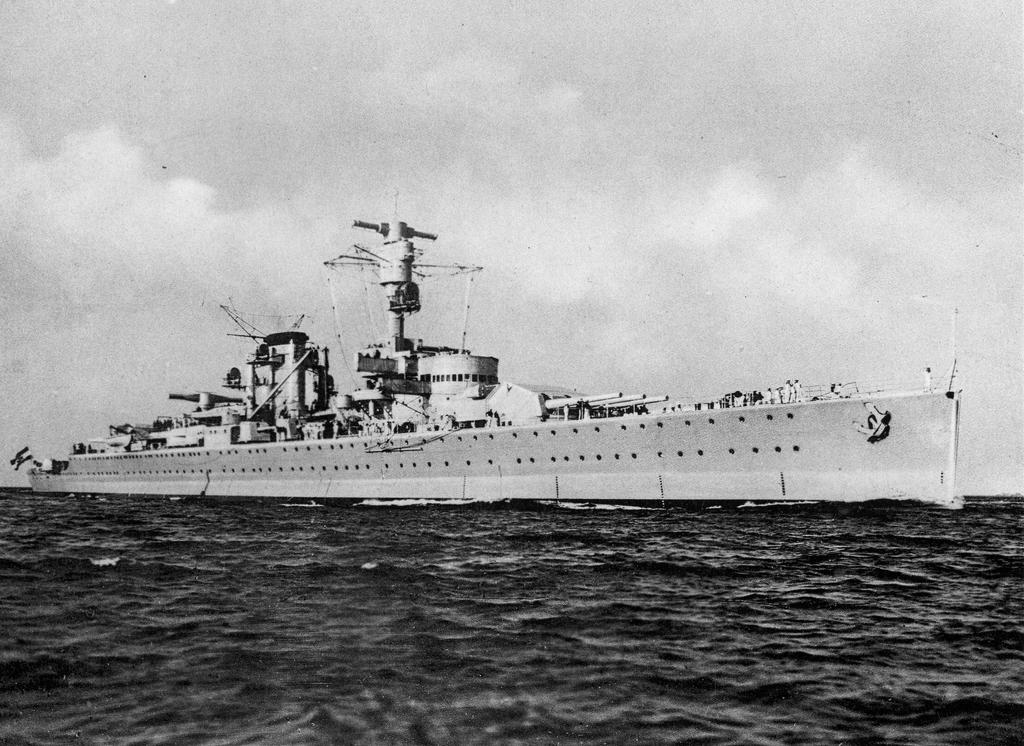
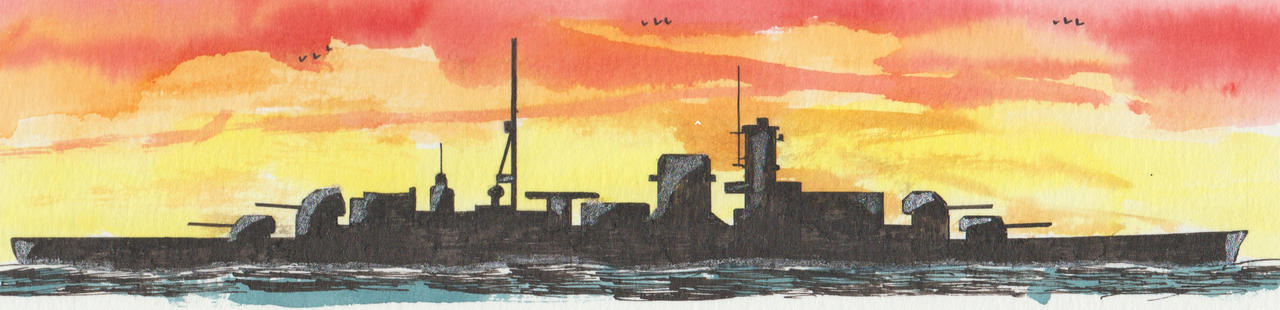
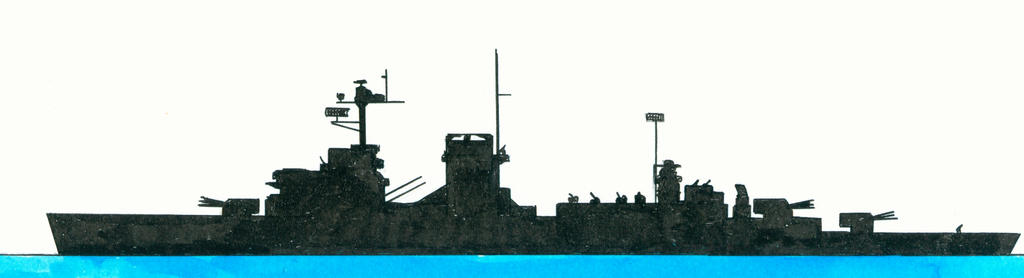
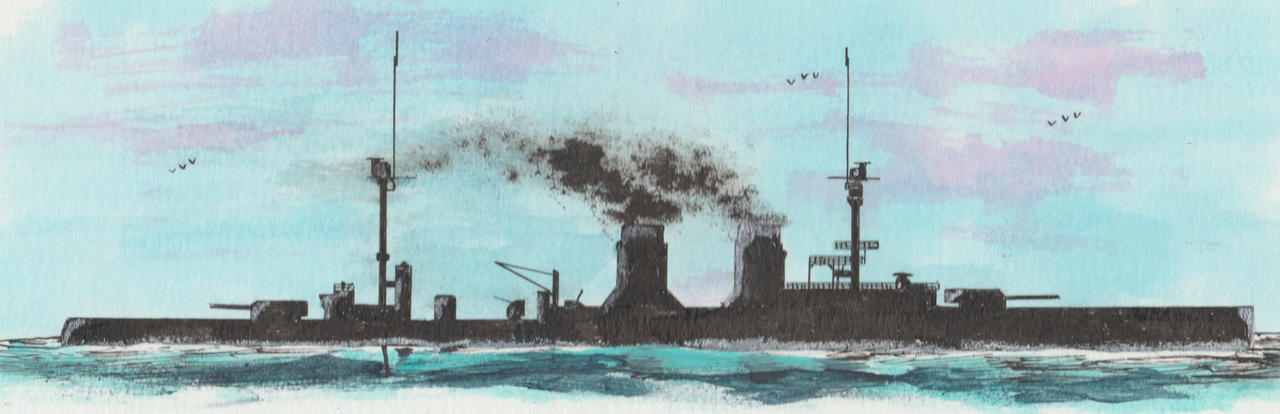
On drawing described as a fast battleship with GK stands for Grosse Kreuzer usually translated as battle cruiser. Turbine propulsion,4 shafts, 8 oil and 16 coal boilers below armoured deck , speed 33 (34) knots. Displacement 30,000 tons and as dimensions 240,00 x 27,0 x 8,5 metres. Armament 2x2-35cm L/45 guns, 10-15cm guns and 1 torpedo tube in the bow. 

Thursday, 21 May 2026

 Several Allied warships lying at Malta according to the Kriegsnachrichten of the Chef des Admiralstabes der Marine dated Berlin 6 August 1917

An item reported that according to a ships statement on 3 August in the harbour of Malta were lying 2 American cruisers, 1 British cruiser, 5 Japanese and several British torpedo boats.

Source

Bundesarchiv RM-40-622

Sunday, 10 May 2026

Torpedo net protection for German Moltke-class battle cruisers dated August 1912

SMS Von der Tann. ©Warshipsresearch.blogspot.com

Moltke-class. ©Warshipsresearch.blogspot.com

Torpedo net sketch dated August 1912. Bundesarchiv RM-3-322

SMS Seydlitz. ©Warshipsresearch.blogspot.co

Molte-class consisted of the Moltke and Goeben preceded by SMS Von der Tann and succceeded by SMS Seydlitz.

SMS Moltke, contract awarded under conaarct name “Cruiser G”on 17 September 1908, laid down by Blohm&Voss, Hamburg, Germany on 23 January 1909, launched on 7 April 1910, commissioned on 30 September 1911, scuttled at Scape Flow on 21 June 1919, raised in 1927 and broken up between 1927-1929.

SMS Goeben, ordered under contract name “H” on 8 April 1909, laid down by Blohm&Voss, Hamburg, Germany on 12 August 1909, launched on 28 March 1911, commissioned on 2 July 1912, transferred to the Ottoman Empire on 16 August 1914, renamed Yavuz Sultan Selim, renamed TCG Yavuz in 1936, decommissioned on 20 December 1950, stricken on 14 November 1954 and broken up between 1973-1976. 

Torpedo net protection for German battle cruiser SMS Von der Tann dated August 1912

SMS Von der Tann. ©Warshipsresearch.blogspot.com

Torpedo net sketch dated August 1912. Bundesarchiv RM-3-322

Moltke-class. ©Warshipsresearch.blogspot.com

Nassau-class battleships. ©Warshipsresearch.blogspot.com

Preceded by Moltke-class. Kaiser Wilhelm II ordered on 17 May 1906 a design competition for a fast battleship with a minimum of4-28cm/11” guns using the Nassau-class battleships design as basis, laid down at the shipyard of Blohm&Voss, Hamburg, Germany on 21 March 1908, launched on 20 March 1909, commissioned on 1 September 1910, interned after the First World War at Scapa Flow, Orkney Islands, Scotland but scuttled by her own crew to prevent that she fell into British hands on 21 June 1919 and in the 1930s raised and broken up at Rosyth between 1931-1934. Her homeport was Kiel, Germany.