Translate

Showing posts with label Cruisers. Show all posts

Thursday, 1 October 2026

Japanese naval forces sighted near Bali, Dutch East Indies according to the U.S. Joint Intelligence Committee. Daily summary dated 19 February 1942

An item reported that by dawn 18 February 4 Japanese cruisers and 2 transports were seen around 70 miles northwest of Bali, Dutch East Indies with as probable target the airport on that island. The J.I.C. commented that it was part of a future landing on Java, Dutch East Indies.

Source

Map Room Papers (Roosevelt Administration), 1942 - 1945. MR0423. U.S. Joint Intelligence Committee. Daily summary No. 71 dated 19 February 1942

Monday, 28 September 2026

Germany stationing part of her heavy warships in Norway according to the U.S. Joint Intelligence Committee. Daily summary dated 20 February 1942

U.S. Naval History and Heritage Command, MH 71390
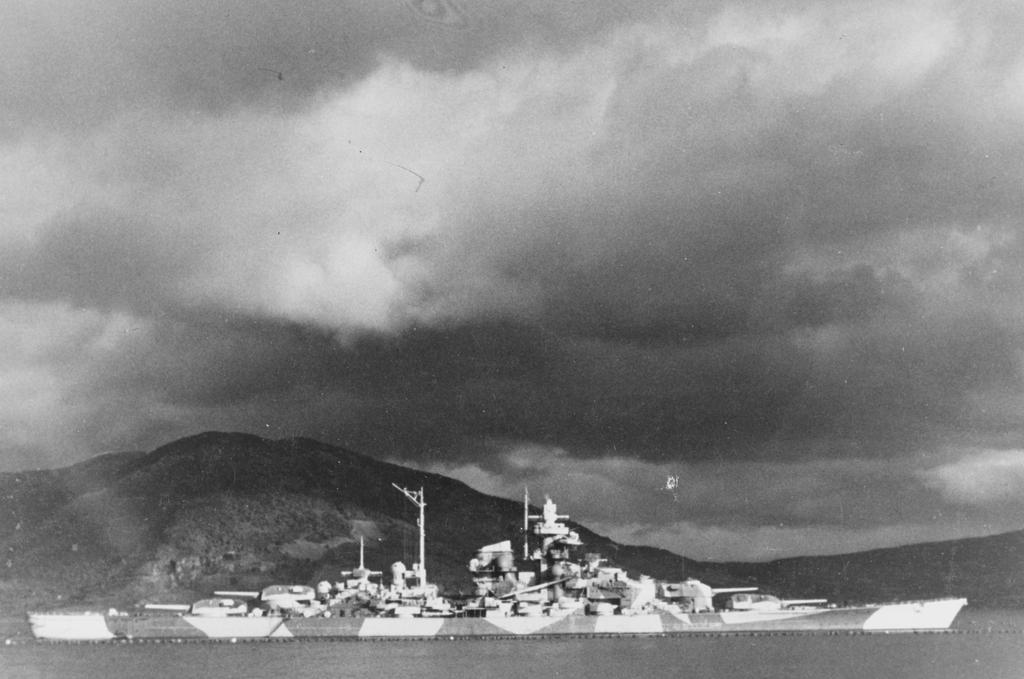
Tirpitz anchored in the Alta Fjord, Norway between 1943-1944

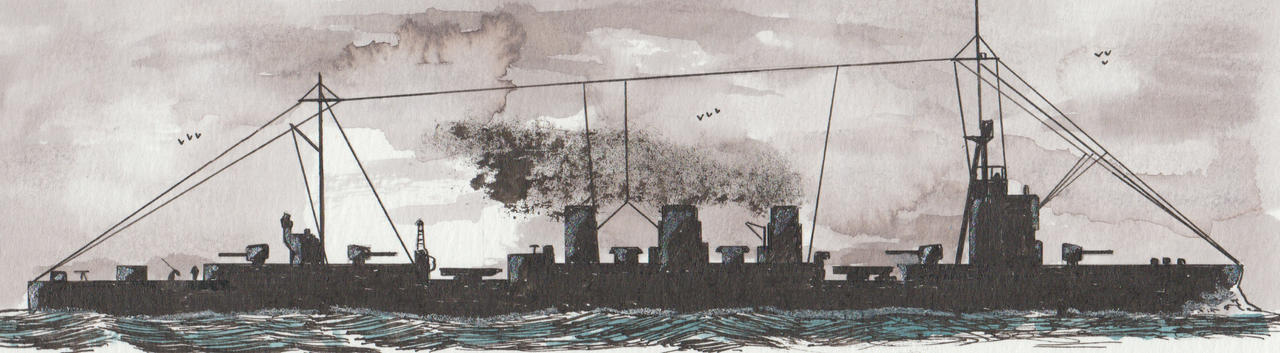
Scharnhorst©Warshipsresearch.blogspot.com

Gneisenau©Warshipsresearch.blogspot.com

Admiral Hipper-classs©Warshipsresearch.blogspot.com

An item reported that the German number of aircraft stationed in Norway was recently strengthened by 6-9 Focke Wulf 200 Condor-planes,36 Messerschmidt 109 and 36 Messerschmidt 110. The Messerschmidt escorted the German ships leaving Brest, France and were there in the past stationed. Their new post in Norway could indicate the transfer of heavy German warships to Norwegian waters. On noon 19 February was the German battleship Tirpitz seen on a north east course 20 miles off the Norwegian coast at Vigten according to the J.I.C. busy with routine training operations. The transfer of the German ships from Brest to North Sea harbors was a blessing for the Allies simplifying guard necessities.(1)

Note

1. This must be the battleships Scharnhorst, Gneisenau and (Admiral Hipper-class) and heavy cruiser Prinz Eugen leaving Brest on 11 February 1941 during Operation Cerberus.

Source

Map Room Papers (Roosevelt Administration), 1942 - 1945. MR0423. U.S. Joint Intelligence Committee. Daily summary No. 72 dated 20 February 1942

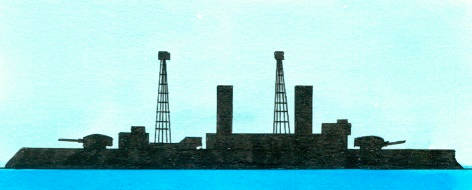
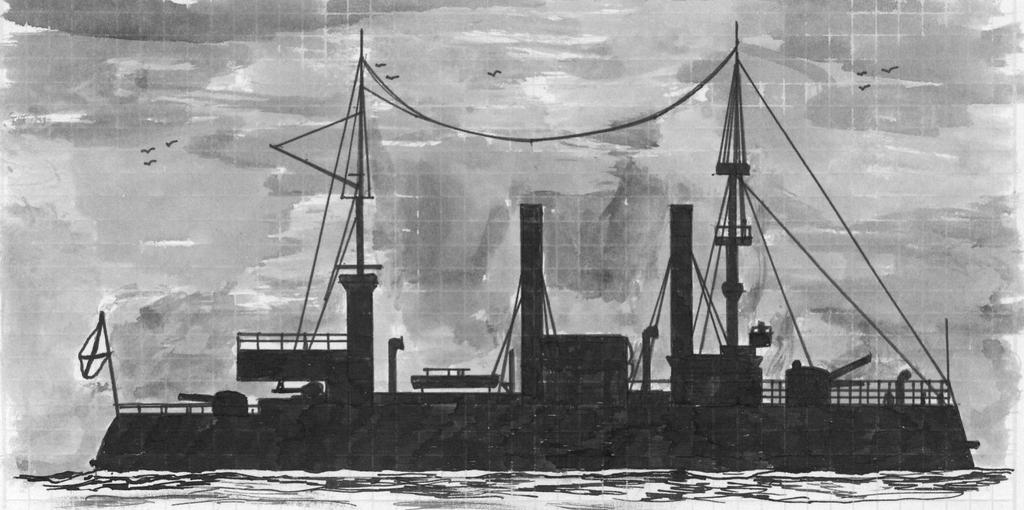
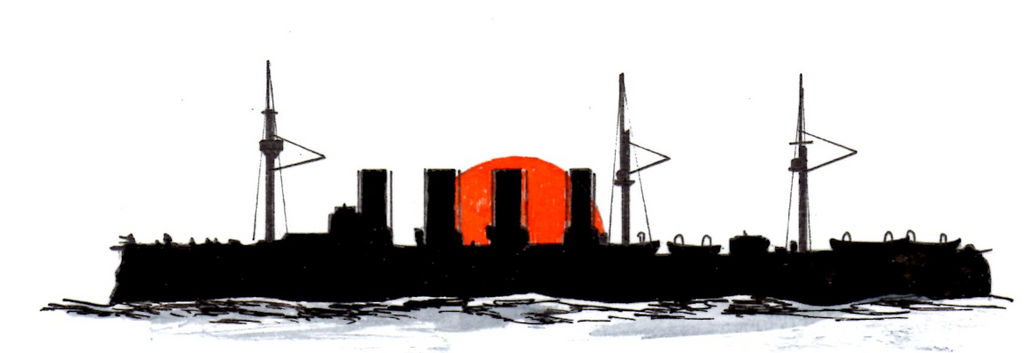
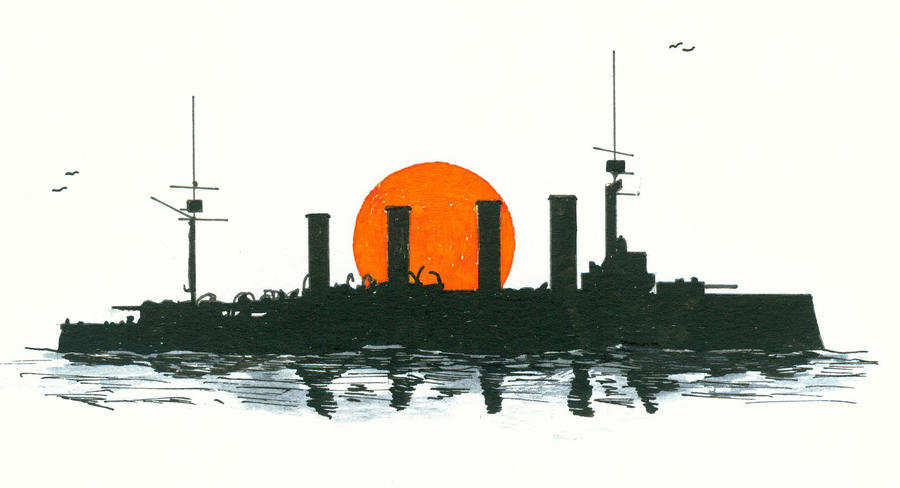
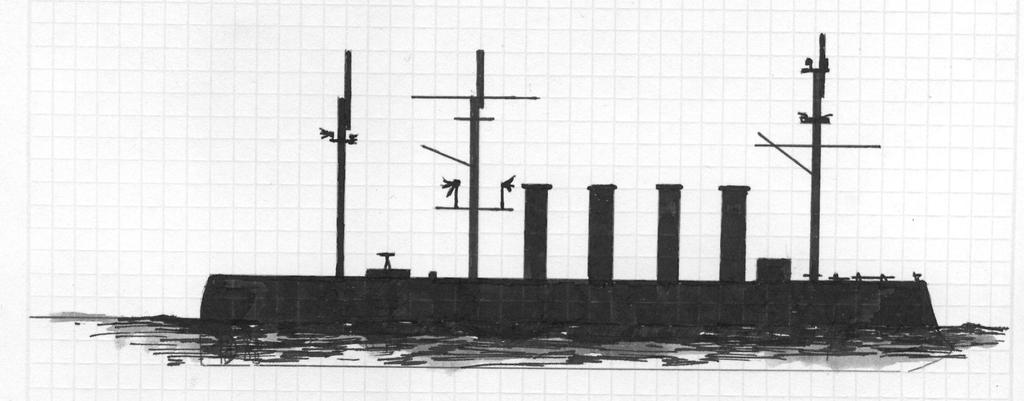
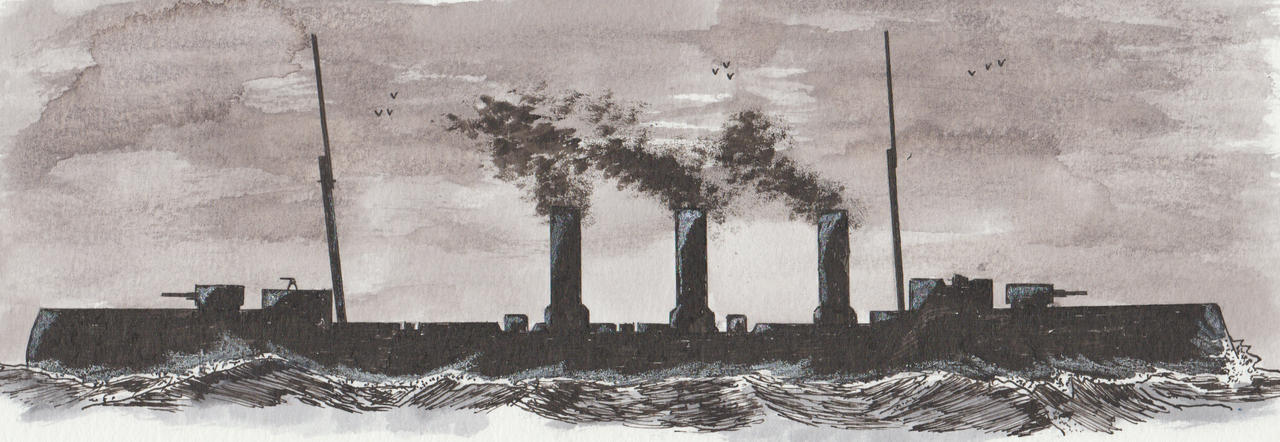
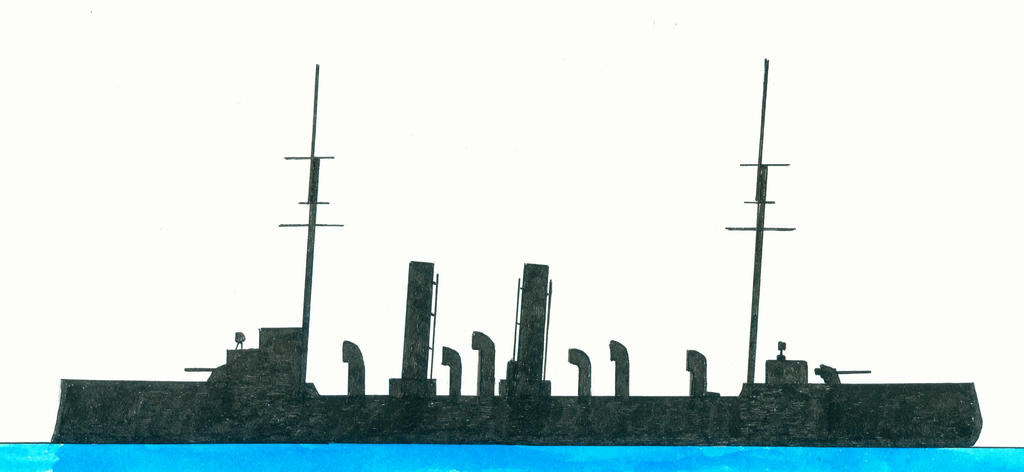
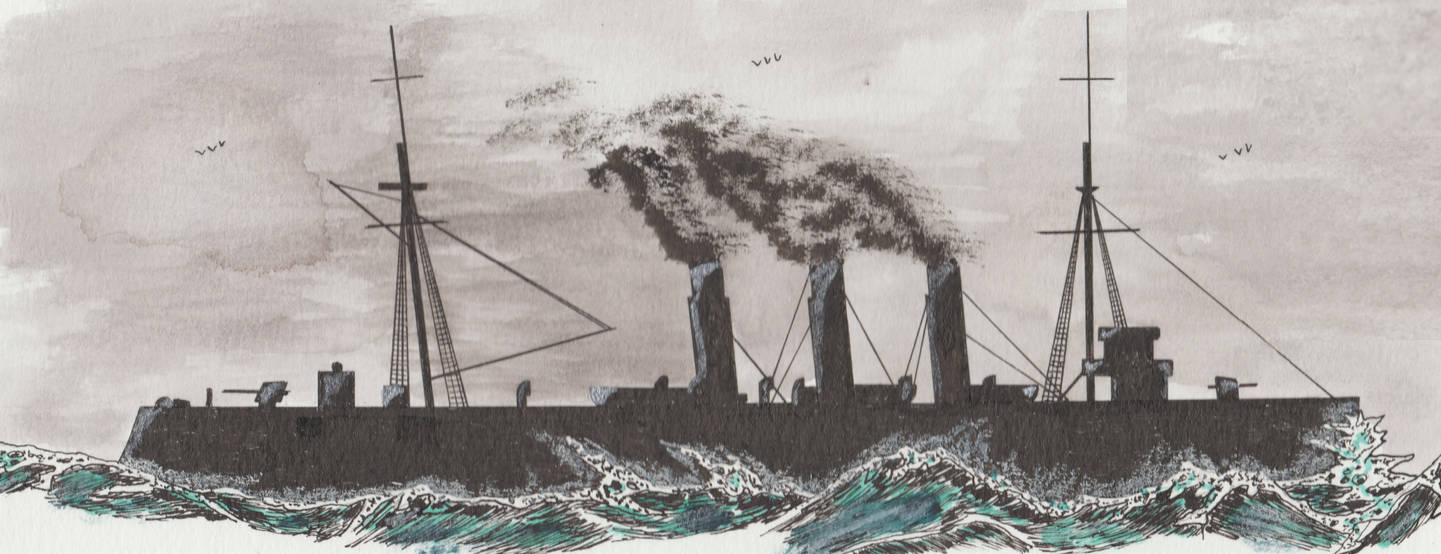
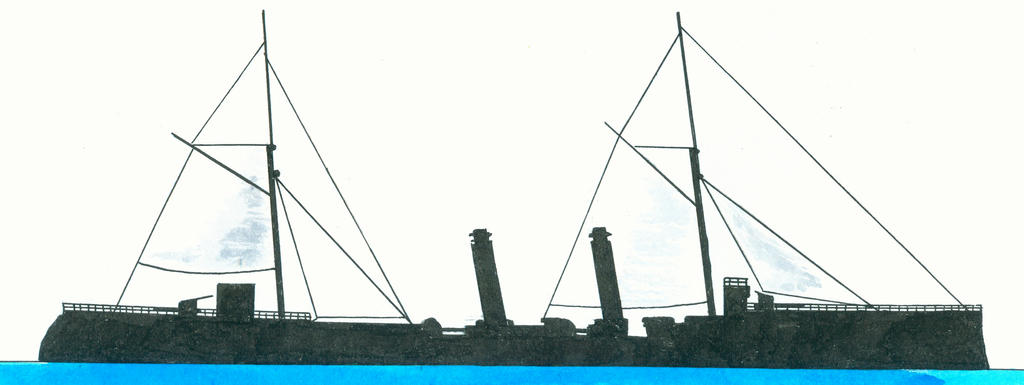
Russian Bolsheviks intending to sell old warships to be broken up in 1922

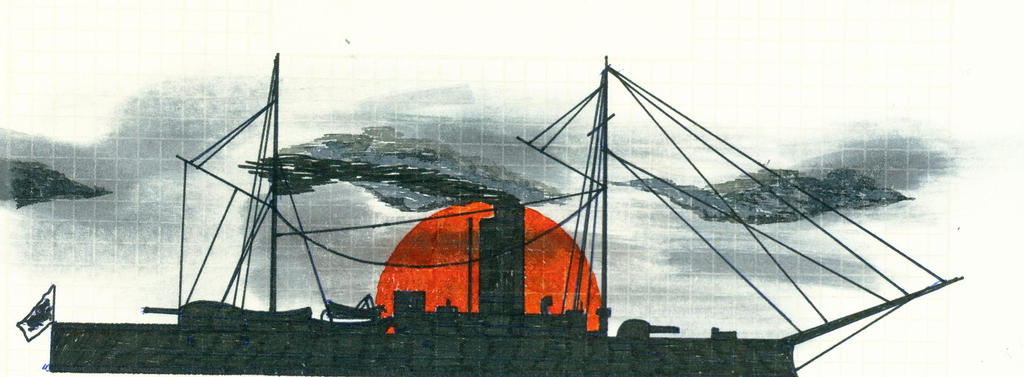
Andrei Pervozvanny-class battleships©Warshipsresearch.blogspot.com


Battleship Tsesarevich©Warshipsresearch.blogspot.com

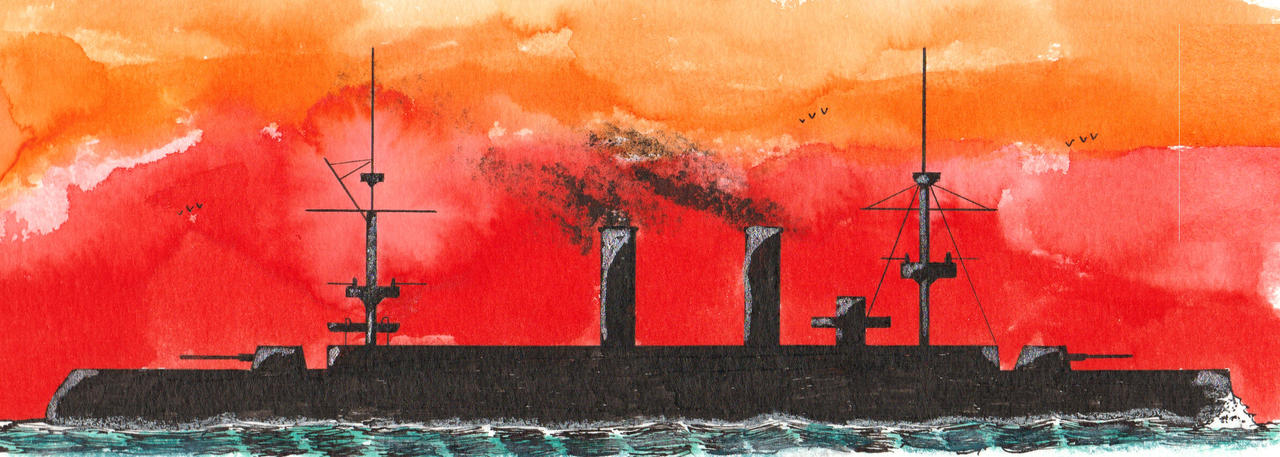
Armoured cruiser Rossia©Warshipsresearch.blogspot.com

Admiral Makarov, Bayan-class armoured cruiser©Warshipsresearch.blogspot.com

Armoured cruiser Gromoboi©Warshipsresearch.blogspot.com

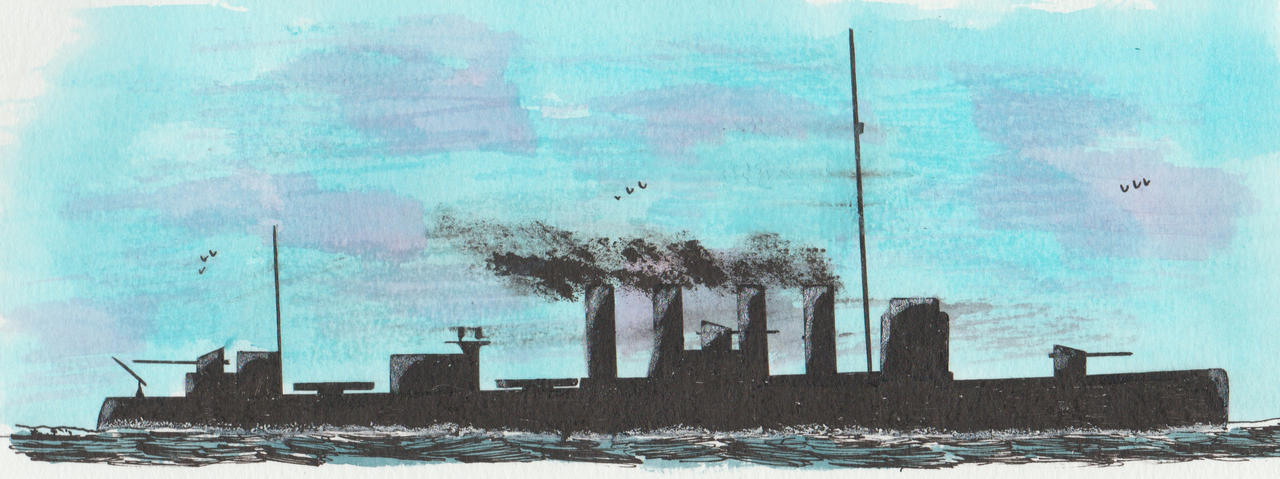
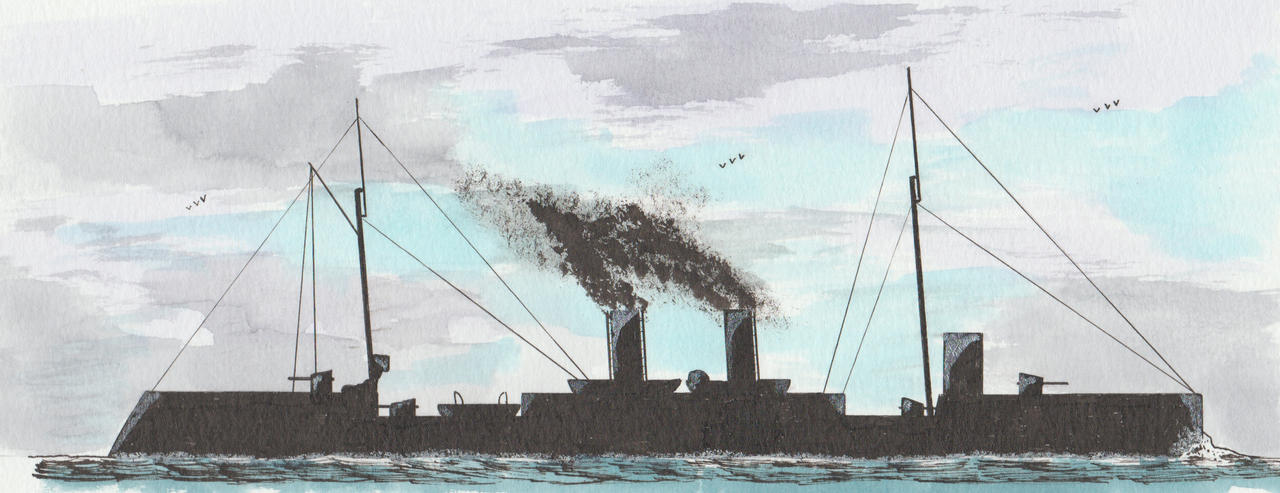
Bogatyr-class protected cruisers©Warshipsresearch.blogspot.com

A report from the American Military Observer at Riga, Latvia dated 17 February 1922 No. 2482 described the Russian Baltic fleet using information supplied by the Estonian General Staff. A number of seventeen ships were to be sold to be scrapped for iron: Andrei Pervozvanny, Pavel, Tzesarevich, Petr Velik I, Alexander II, Rossiya, Gromoboy, Diana, Bayan, Admiral Makarov, Bogatyr, Groziasday, Asia, Africa, Amour, Volga and Vodolei nomkr 1, the yachts Standart, Poliarnaya Zvezda and Tzarevich, 16 destroyers built between 1904-1907, artillery ship Ilmen and the submarines Ougorj and Keta. Identical to the ships which were intended to be sold to the German Navy in April 1922?

Source

National Archive. Record Group 165: Records of the War Department General and Special Staffs Series: Security Classified Correspondence and Reports. File Unit. Russia: Navy - MID 2503-16 THRU 2503-265. Roll 1443.

Sunday, 27 September 2026

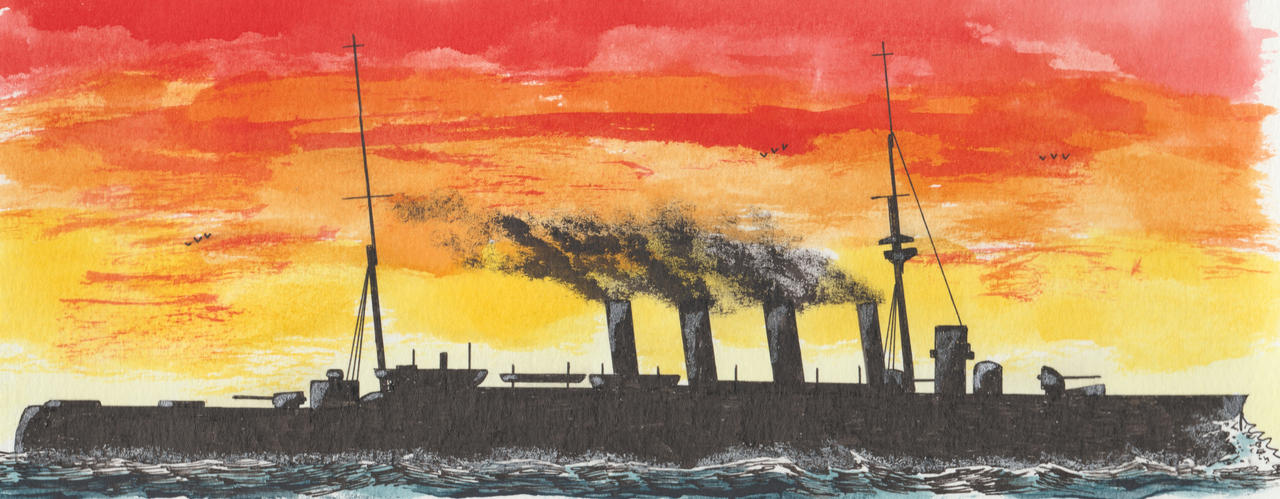
British protected cruiser HMS Amethyst 1903-1920

Pelorus-class©Warshipsresearch.blogspot.com

Topaze-class©Warshipsresearch.blogspot.com

Town-class Weymouth subclass©Warshipsresearch.blogspot.com

Part of Topaze-class 3rd class protected cruisers preceded by Pelorus-class succeeded by Town-class. Sometimes called Gem-class. Designed by Director of Naval Construction (DNC) 1902-1912 Sir Philip Watts (30 May 1946 Deptford, Kent, England-15 March 1926 Chelsea, London, England)

Laid down by Armstrong Whitworth, Elswick, England on 7 January 1903, launched on 5 November 1903, commissioned on 17 March 1905 and sold to be broken up on 1 October 1920. 

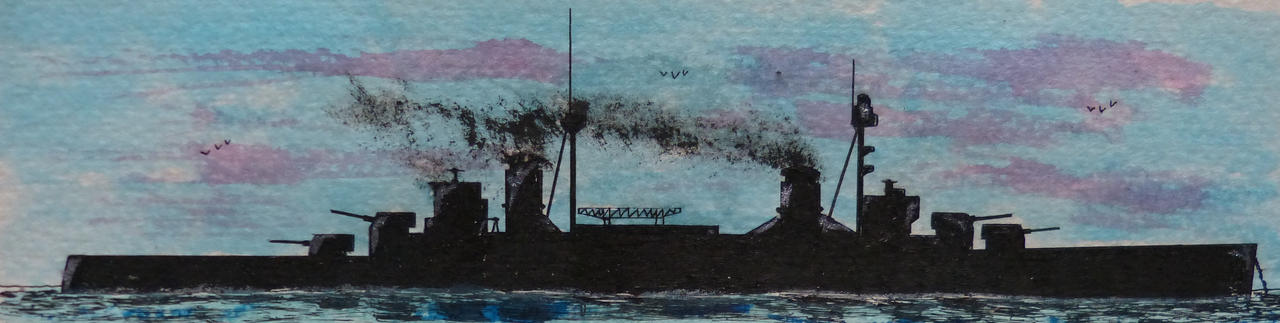
Heavy cruiser sighted at Bremen, Germany according to the War Cabinet Weekly Résumé No. 45of the Naval, Military and Air Situation 4-12 July 1940

Sister ship Admiral Hipper. ©Warshipsresearch.blogspot.com

An item reported that on 9 July at Bremen, German one 8” (heavy) cruiser was sighted, probably the Seydlitz which was now to be completed.(1)

Note

1. Part of Admiral Hipper-class preceded by Deutschland-class succeeded by planned P-class. Five planned of which 3 three were completed and 2 cancelled. Laid down by Deutsche Schiff- un Maschinenbau Bremen, Germany on 29 December 1936, launched on 19 January 1939, work stopped in summer 1940 although she was nearly 90% completed, decided to convert into an auxiliary aircraft carrier with 10 Bf 109 fighters and 10 Ju 87 dive bombers, work stopped in 1943, incomplete towed to Königsberg and scuttled there to prevent capture by Russians on 29 January 1945, seized by Russians and later broken up.

Source

National Archive UK. CAB-66-9-42. 

Friday, 25 September 2026

British armed merchant cruiser Corfu and HMS aircraft carrier Hermes collided according to the War Cabinet Weekly Résumé No. 45 of the Naval, Military and Air Situation 4-12 July 1940

HMS Hermes©Warshipsresearch.blogspot.com

An item reported that in a dense tropical storm the British armed merchant cruiser Corfu (1) and HMS aircraft carrier Hermes (2) on 10 July collided. The Corfu was escorting a convoy from Freetown, Sierra Leone but heavily holed forward was forced to go under escort to Freetown.

Notes

1. Ordered by P&O Line on 25 June 1930, laid down by Alexander Stephen and Sons, Glasgow, Scotland with yard number 535 on 9 September 1930, launched on 20 May 1941, maiden voyage begun on 16 October 1931, requisitioned by the navy in September 1939, armed merchant cruiser until February 1944, troop trasnport until the end of the Second World War and broken up at Osaka, Japan in 1961.

2. Based on a cruiser hull-design using a seaplane carrier design dating 1916 but which was enlarged and modified in a design dating April 1917. Building ordered in April 1917, laid down by Armstrong Whitworth on 15 January 1918, launched on 11 September 1919, commissioned on 18 February 1924, reclassified as training ship on 16 July 1938, again as aircraft carrier on 24 August 1939 and sunk during a Japanese air attack on 9 April 1942.

Source

National Archive UK. CAB-66-9-42. 

Wednesday, 23 September 2026

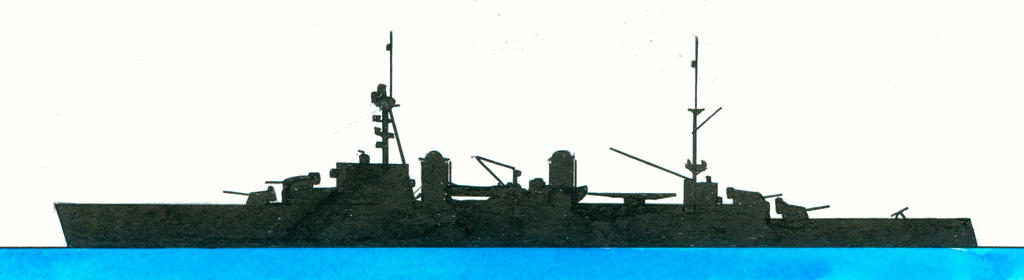
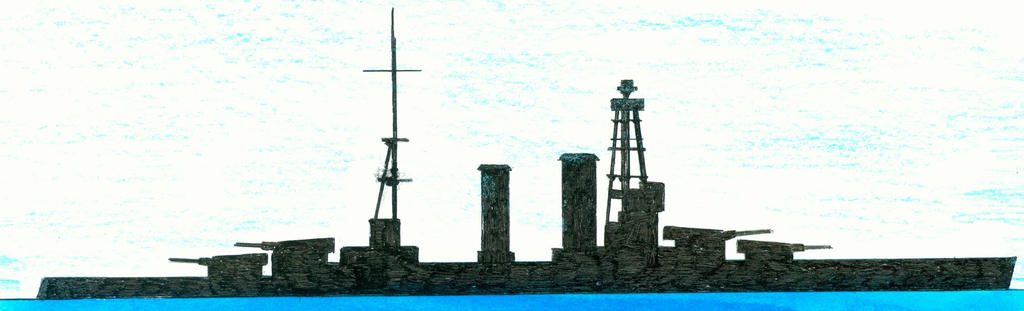
Italian heavy cruiser Trento visited Tandjong Priok, Dutch East Indies in 1932

Italian heavy cruiser Trento©Warshipsresearch.blogspot.com

French Duquesne-classs heavy cruisers©Warshipsresearch.blogspot.com

The etat-major. Source De locomotief dated 26 May 1932

Entering the harbor of Tandjong Priok. Source De locomotief dated 26 May 1932

The Jaarboek van de Koninklijke Nederlandsche Zeemacht 1931-1932 reported that the Italian cruiser Trento (1) visited Tandjong Priok between 24-29 May 1932. The Dutch newspaper De locomotief dated Thursday 26 May 1932 reported her arrival at Tandjong Priok on Tuesday morning with daylight. Her commanding officer was vice admiral Cavagnari.(2) She came from Shanghai, China where she protected Italian interests and citizens during the conflict between China and Japan. After the exchange of gun salute with the coastal battery entered she the harbour assisted by the tugs Kraus and Paul of the Ned. Ind. Steenkolen Handelsmaatschappij and was berthed at buoys East Nos. 5-6. A large number of spectators stood on the quay. The Dutch naval oficer lieutenant 1st class W.H.C. Hoog was temporairly liason officer. The Soerabaijasch handelsblad dated 23 May described her as a new Washington-cruiser of standard 10,000 tons, launched in 1927 and main armament of 8-20cm guns and going back home. A day after her arrival she could by visited between 15:00-18:00 o’clock, just like following days. On board was held a private reception and for her crew een football match with B.V.C.

Notes

1. Part of Trento-class succeeded by Zara-class based on a design made by general Filippo Bonfiglietti in 1923 and building ordered as response for the laying down of the first French Duquesne-class cruiser. Laid down by Cantiere navale fratelli Orlando, Livorno on 8 February 1925, launched on 4 October 1927, commissioned on 3 April 1929, sunk by a Bristol Beaufort torpedo bomber and the British submarine HMS Umbra on 15 June 1942 and stricken on 18 October 1946.

Tuesday, 22 September 2026

French aviso Vitry le François visited Sabang, Dutch East Indies in 1932

The Jaarboek van de Koninklijke Nederlandsche Zeemacht 1931-1932 reported that the French aviso Vitry le François visited Sabang, Dutch East Indies between 14-16 March 1932(1). The Dutch newspaper Bataviaasch nieuwsblad dated 2 March reported that the submarine mother ship underway from France towards French Indochina would visit Sabang between 14-17 March. The De Sumatra Post dated 15 March called her a minelayer with a crew numbering 6 officers and 80 men. The De Indische courant dated Thursday 17 March reported that she arrived on the [Monday] 14th [at 09:30 o’clock] and would depart next Wednesday towards Saigon, French Indochina. The Bataviaasch nieuwsblad dated Wednesday 16 March referred to press agency Aneta which reported from Medan that her crew laid a wreath for the French sailors buried during the First World War at Sabang.(2) Later telegraphed Aneta that she was departed that day [at 6:30 o’clock] towards Saigon with a planned visit underway at Singapore.

Notes

1. Arras-class aviso preceded by Marne-class succeeded by Ailette-class. Laid down by Ateliers et Chantiers de la Loire (ACL), Saint-Nazaire, France in 1918, launched in March 1920, stricken on 22 October 1935 and sold to be broken up in 1935.

2. At Sabang were ensign Jacques Carissan and sailor Hamon Joseph Clairon buried after they died in the local hospital. Both men were wounded in the Battle of Penang of 28 October 1914 when the German light cruiser SMS Emden sunk the French destroyer Mousquet. The men were dropped by the same Emden at Sabang. 

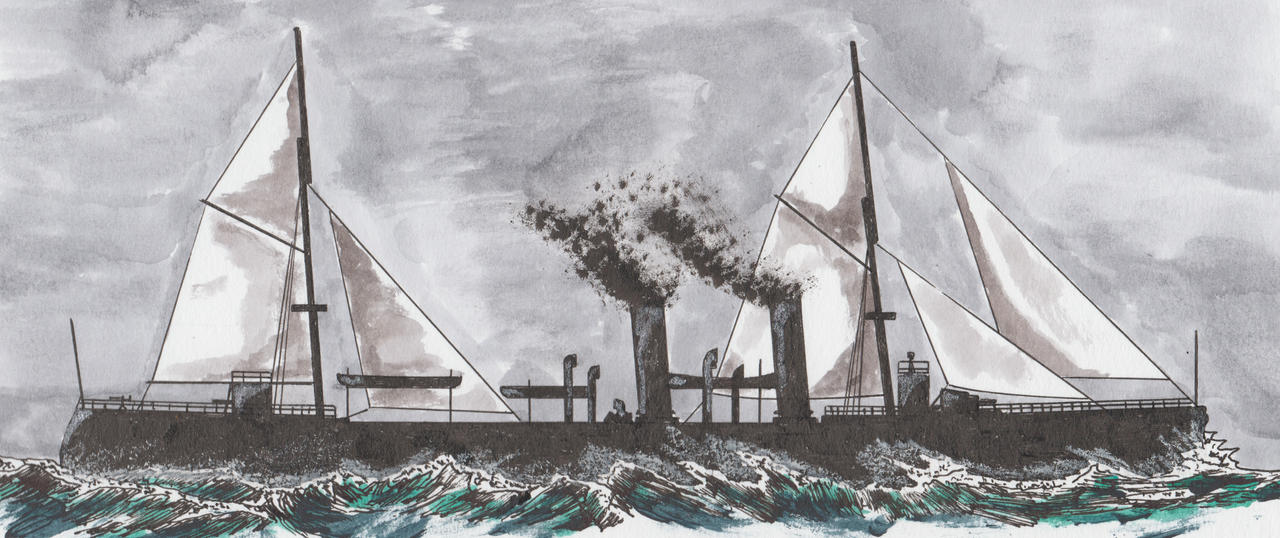
British 2nd class cruiser HMS Medea 1887-1914

HMS Marathon©Warshipsresearch.blogspot.com

Royal Museums Greenwich

Pearl-class©Warshipsresearch.blogspot.com

Smaller version of the Mersey-class. Built under the naval programme of 1887. Part of the Marathon or Medea-class preceded by Mersey-class succeeded by Pearl-or Pallas-class. Laid down by Chatham Naval Dockyard on25 April 1887, launched on 9 June 1888, completed in 1889 and sold on 2 April 1914.

Monday, 21 September 2026

Japanese naval 8 military sea craft identification from the air in the Second World War

Nederlands Instituut voor Militaire Historie (NIMH) 508 Nederlands-Indië contra Japan inv.no. 935-0905

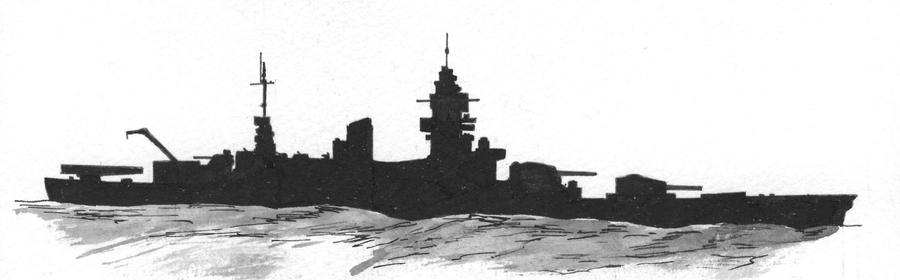
French battleship Dunkerque arrived at Toulon, France according to the U.S. Joint Intelligence Committee. Daily summary dated 22 February 1942

Dunkerque©Warshipsresearch.blogspot.com

An item reported that the French battleship Dunkerque, damaged by the British Royal Navy at Mers-el-Kébir, French Algeria on 3 July 1940 arrived under her own power at the main French naval base at Toulon, Vichy-France. The J.I.C. commented that her departure from Mers-el-Kébir, French Algeria was mentioned in Summary No. 72.(1)

Note

1. Built under the 1931 Programm as an answer on the German Deutschland-class heavy cruisers, laid down by Arsenal de Brest, France on 24 December 1932, launched on 2 October 1935, in service on 1 September 1938, scuttled on 27 November 1942, stricken in 1955 and broken up in 1958. Part of Dunkerque-class preceded by planned Lyon-class and realized Bretagne-class and succeeded by Richelieu-class

Source

Map Room Papers (Roosevelt Administration), 1942 - 1945. MR0423. U.S. Joint Intelligence Committee. Daily summary No. 74 dated 22 February 1942

Japanese destroyer Kawakaze 1917-1934

Kawakaze-class©Warshipsresearch.blogspot.com

Momi-class©Warshipsresearch.blogspot.com

battleship Nagato©Warshipsresearch.blogspot.com

Tenryu-class cruisers©Warshipsresearch.blogspot.com

Part of Kawakaze-class consisting of the Kawkaze and Tanikaze preceded by Enoki-class succeeded by Momi-class. Built under the 8-4 Fleet Program Fiscal Year 1915 and able to escort the battleship Nagato and both Tenryu-class cruisers. Originally intended to be a follow-on version of the Isokaze-class design but nevertheless modified and afar more powerful. Laid down by Yokosuka Naval Arsenal, launched on on 10 October 1917, completed on 11 November 1918, decommissioned on 1 April 1934 and broken up. 

Sunday, 20 September 2026

Russian Black Sea Fleet persecuting Turkish cruisers Midilli and Mecidiye according to the Dutch newspaper Bataviaasch nieuwsblad dated 3 February 1915

Sister ship of the Breslau/Midilli SMS Magdeburg©Warshipsresearch.blogspot.com


Model Bresla Maritime Museum Hamburg

An item dated London, England 2nd referred to official Russian tidings reporting that the Russian fleet in the Black Sea persecuted the Turkish cruisers Breslau (1) and Medjidieh.(2) Several Turkish ships sunk. A Russian torpedo boat attacked Tebrizonde disabling Turkish batteries and damaging the barracks.

Notes

1 Laid down at A.G. Vulcan, Stettin, Germany as “Ersatz Falke” with yard number 312 in 1910, launched on 16 May 1911, commissioned on 10 May 1912, handed over to the Ottoman Empire on 16 August 1914, commissioned in the Ottoman navy as the Midilli and sunk after striking a mine off Imbros on 20 January 1918. Of the Magdeburg-class preceded by the Kolberg-class and succeeded by the Karlsruhe-class.

2. Protected cruiser Mecidiye (also spelled as Medjidiye and Médjidié. Ordered in 1900, laid down by William Cramp&Sons, Philadelphia, USA with yard number 315 on 7 November 1901, launched on 25 July 1903, commissioned on 19 December 1903, sunk after hitting a mine near Odessa, Ukraine on 3 April 1913, salvaged by Russia on 8 June 1915, commissioned as Prut on 29 October 1915, given back to the Ottoman Empire on 13 May 1918, interned by Allies and transferred to Turkey in 1925 and finally broken up between 1952-1956.

Russian cruiser Saratov lost by fire according to the Dutch newspaper Leeuwarder courant dated 1 July 1905

An item dated St. Petersburg, Russia 30th reported that the Russian commander in chief of the Black Sea Fleet admiral Tschuchin left for Odessa, Ukraine. Received tidings reported that the cruiser Saratow of the Voluntary Fleet again was burned in the harbour of Odessa.(1)

Note

1. The Saratov or Saratow launched by R.&W. Hawthorn, Leslie Co. Ltd,, Hebburn with yard number 305 on 23 July 1901 and completed in December 1891? She was delivered in 1891 to the Volunteer Fleet Association at Odessa, Ukraine, part of the Navy- Black Sea Fleet since 6 February 1915, Russian White Navy-Black Sea Fleet since May 1918, renamed Bernina became she Greek property in December 1920, renamed Egypt became she property of the National Navigation Co. Of Egypt (Costi Xydia&Son), Alaxandria, Egypt in 1923 and was a year later broken up. 

Several Russian capital ships lost in the Battle of Tsushima according to the Dutch newspaper De Sumatra post dated 6 June 1905

Admiral Nakhimov©Warshipsresearch.blogspot.com

An item dated London, England 2nd reported the sinking on Sunday morning off Tsushima of the Russian battleships Sissoi (1), Veliky(1), Admiral Nahkimoff (2) and Wladimir Monomach (3) after floating helpless around. Japanese cruisers and coastal vessels saved around 1.000 men. On board of the Russian ships had been around 10.000 men of which just 4.000 men were rescued and it was feared that the remaining 6.000 were killed. Already were a lot of dead bodies found along the coastline.

Notes

1. Pre-dreadnought batteship Sissoi Veliky preceded by Tri Sviatitelia and succeeded by Petropavlovsk-clas, laid down by New Admiralty Shipyard, St. Petersbyrg, Russia on 7 August 1891, launched on 2 June 1894, completed in September 1896, commissioned on 18 October 1896 and sunk at the Battle of Tsushima on 28 May 1905.

2. Armoured cruiser Admiral Nakhimov. Laid down by Baltic Works, St. Petersburg, Russia in July 1884, launched on 21 October 1885, commisioned on 9 September 1888 and sunk at the Battle of Tsushima on 28 May 1905

3. Armoured cruiser Vladimir Monomakh preceded by Minin. Laid down by Baltic Works, St. Petersburg, Russia on 22 February 1881, launched on 22 October 1882, completed on 13 July 1883, scuttled at the Battle of Tsushima on 28 May 1905 and stricken on 28 September 1905. 

Number of Japanese ships at Rabaul, New Guinea increased according to the U.S. Joint Intelligence Committee. Daily summary dated 22 February 1942

An item reported that reconnaissance above Rabaul on 18 February pointed out that there were more Japanese ships were lying than earlier reported. Now were there 4 light cruisers, 1 air craft carrier, 1 oiler, 1 minelayer and 12 merchant ships.

Source

Map Room Papers (Roosevelt Administration), 1942 - 1945. MR0423. U.S. Joint Intelligence Committee. Daily summary No. 74 dated 22 February 1942

Saturday, 19 September 2026

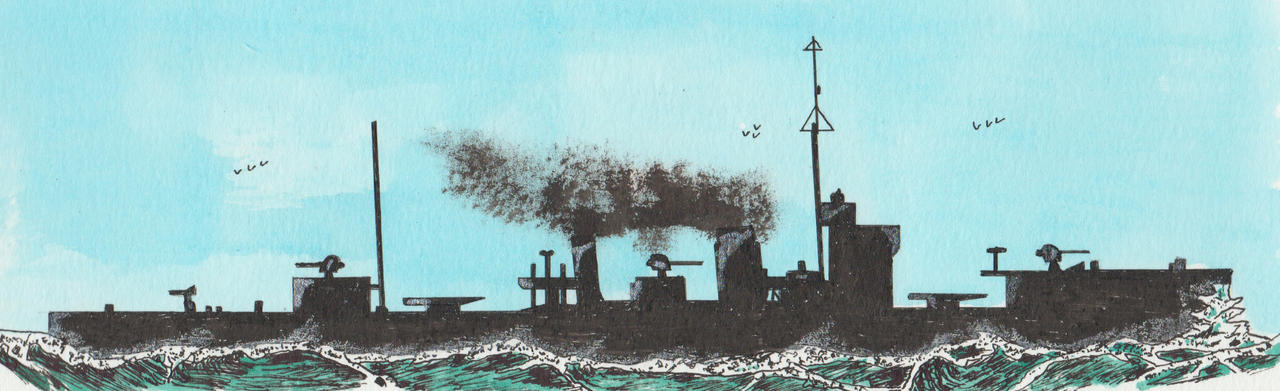
Allied and Japanese naval forces battling in the Badung Strait according to the U.S. Joint Intelligence Committee. Daily summary dated 23 February 1942

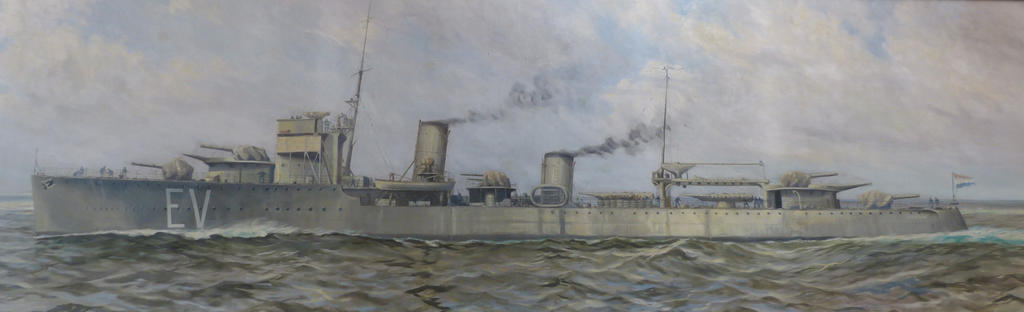
Dutch cruiser Tromp©Warshipsresearch.blogspot.com

Sister ship of Piet Hein Hr.Ms. Evertsen. 

Maritiem Museum Rotterdam, Panorama Burgerhout, painted by Adolf Bock

American Clemson-class destroyer©Warshipsresearch.blogspot.com

An item reported that an Allied naval attack on 19 February (1) on Japanese ships in the Bali area, Dutch East Indies resulted in a Japanese cruiser and a destroyer hit by torpedoes and another cruiser by a gunfire hit. A Dutch destroyer (2) was lost and a cruiser (3) damaged.

Notes

1. Battle of Badung Strait in the night of 19-20 February between the Allies (USA, Netherlands and United Kingdom) against the Japanese.

2. Dutch destroyer Hr.Ms. Piet Hein. Part of Admiralen-class, laid down by Burgerhout, Rotterdam on 26 August 1925, launched on 2 April 1927, commissioned on 25 January 1929. The American destroyer USS Stewart was damaged.Clemson-class. Laid down by William Cramp&Sons, Philadelphia, USA on 9 September 1919, launched on 4 March 1920, commissioned on 15 September 1920, scuttled at Surabaya, Dutch East Indies on 2 March 1942, stricken on 22 March 1942, raised by Japanese, commissioned as patrol boat No. 102 on 20 September 1943, surrendered in August 1945, stricken on 17 April 1946, decommissioned on 23 May 1946 and sunk as a target on 24 May 1946.

3. Dutch light Hr.Ms. Tromp, laid down by Nederlandsche Scheepsbouw Mij., Amsterdam, Netherlands on 17 January 1936, launched on 24 May 1937, commissioned on 18 August 1938, decommissioned on 1 April 1955 and broken up in 1969.

Source

Map Room Papers (Roosevelt Administration), 1942 - 1945. MR0423. U.S. Joint Intelligence Committee. Daily summary No. 75 dated 23 February 1942

Friday, 18 September 2026

Chinese protected cruiser Fei Hong 1911-1914 and Greek cruiser Elli 1914-1940

Hai Chi or Hai Qi-class. ©Warshipsresearch.blogspot.com

the Chinese sistership Chao Ho. ©Warshipsresearch.blogspot.com

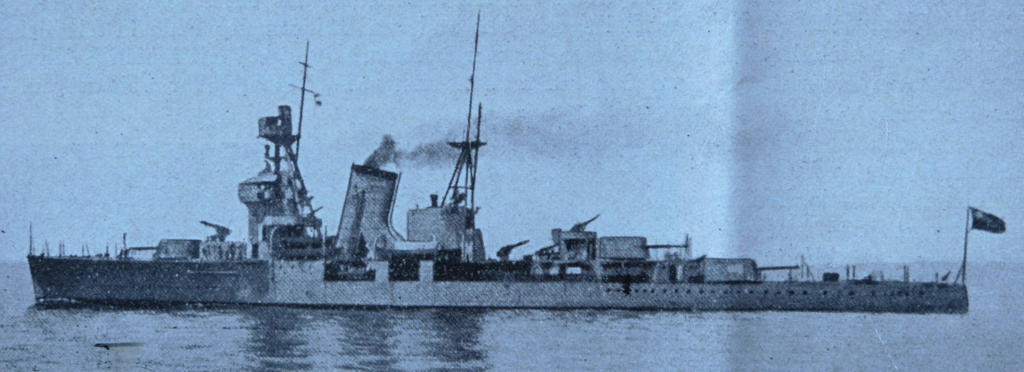
Ning Hai. German magazine Schiffbau Schiffahrt und Hafenbau dated 11 February 1935

Also spelled as Tchao-Houo. Part of Chao Ho-class consisting of the Chao Ho, Ying Rui and Fei Hong, preceded by Hai Chi-class succeeded by Ning Hai-class and the planned Number 64-class (also known as the Monfalcone light cruisers to be built between 1914-1915 by Cantiere Navale Triestino, Montfalcone, Austria-Hungary). Laid down by New York Shipbuilding, USA on 14 June 1911, launched on 9 May 1912, completed in November 1913, purchase cancelled by China, sold to Greece in 1914, renamed Elli and sunk by the Italian submarine Delfino at Tinos, Greece on 15 August 1940

British light cruiser HMS Hermione 1937-1942

Arethusa-class. ©Warshipsresearch.blogspot.com

Dido-class. ©Warshipsresearch.blogspot.com

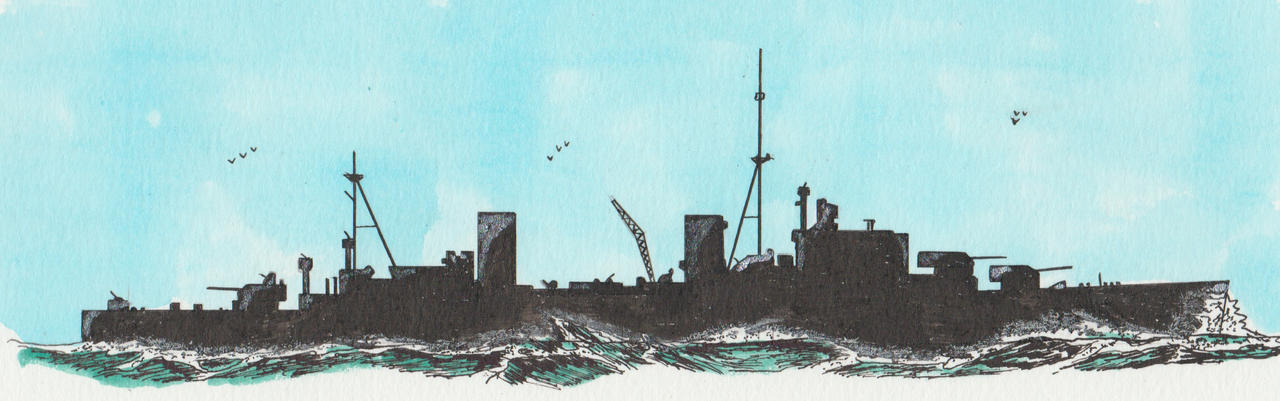
Crown Colony-class cruiser©Warshipsresearch.blogspot.com

Pennant 84. Part of Dido-class Dido-sub-class preceded by Arethusa-class succeeded by Fiji-class and were designed to replaced the C- and D-classes cruisers. Laid down by Alexander Stephen and Sons, Glasgow, Scotland on 6 October 1937, launched on 18 May 1939, commissioned on 25 March 1941,as part of Force A group escorting supply convoy MW-11 from Alexandria, Egypt towards Malta torpedoed by the German submarine U-205on 15 June 1942 sinking on 16 June 1942.
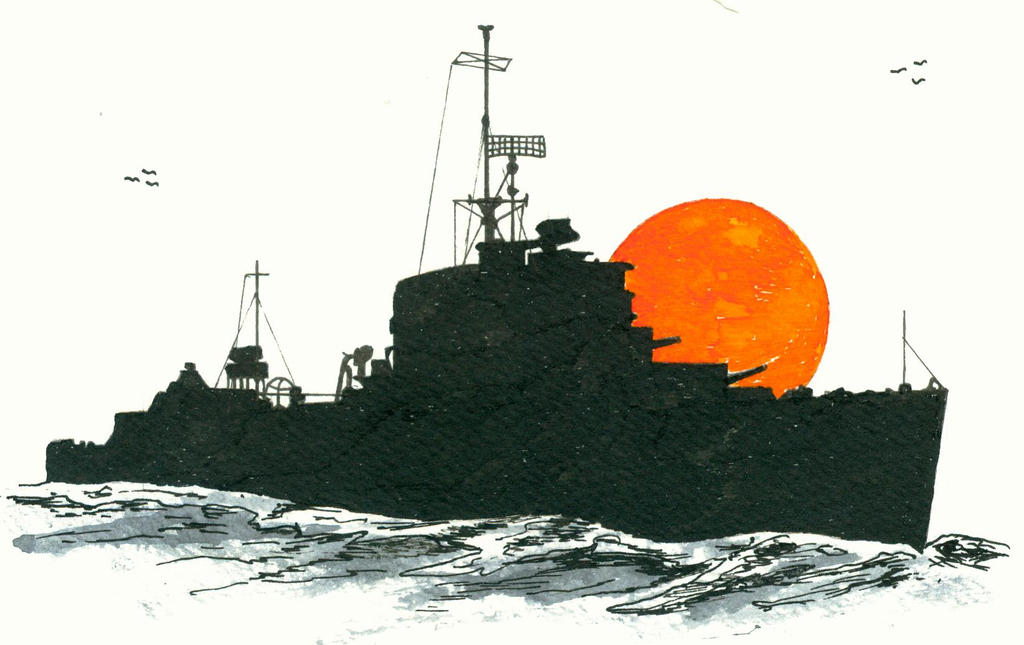
Peruvian scout cruiser BAP Coronel Bolognesi 1905-1958

Coronel Bolognesi©Warshipsresearch.blogspot.com

Part of Coronel Bolognesi-class consisting of the Coronel Bolognesi and Almirante Grau. Building authorized by president of Peru in 1904, ordered in 1905, contract signed on 19 June 1905, laid down by Vickers Sons Armstrong&Maxim Limited, Barrow-in-Furness, United Kingdom with yard number 331in 1905, launched on 24 September 1906, delivered on 1 March 1907, commissioned in 1907, decommissioned and stricken in 1958.