Translate

Showing posts with label Seaplane tenders. Show all posts

Thursday, 9 July 2026

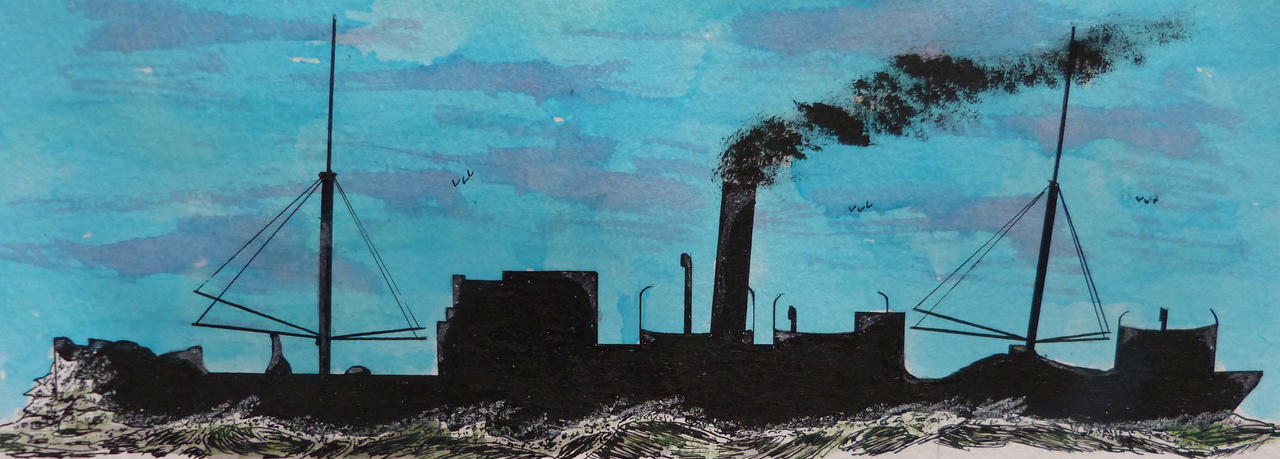
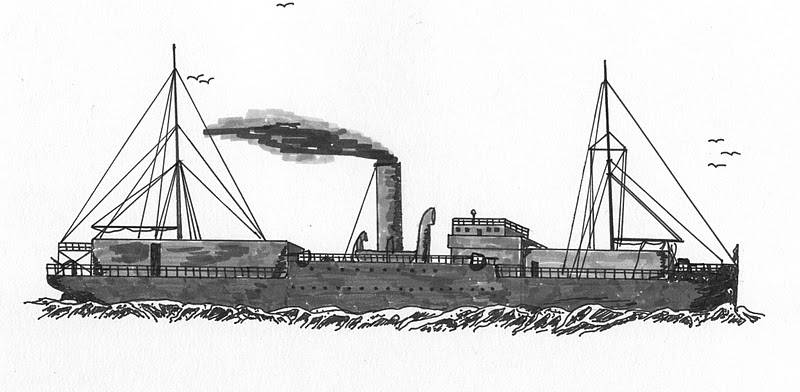
Australian seaplane tender HMAS Albatross 1926-1938 and British repair ship HMS Albatross 1938-1946

©Warshipsresearch.blogspot.com

Building based on the design of a Fairey IIID seaplane announced in 1925, laid down by Cockatoo Docks and Engineering Company, Australia on 16 April 1926, launched on 23 February 1928, completed on 21 December 1928, decommisioned on 26 April 1933, stricken and handed over to the Royal Navy in 1938, decommissioned on 3 August 1945, minesweeper depot ship in 1954, sold commercial use on 19 August 1946, renamed Pride of Torquay in 1947, renamed Hellenic Prince on 14 November 1948, converted into a passenger ship, in 1948, troop transport during the Mau Mau uprising (7 October 1952-21 October 1956, British Kenya) in 1953, stricken on 12 August 1954 and broken up at Hong Kong. 

Thursday, 25 June 2026

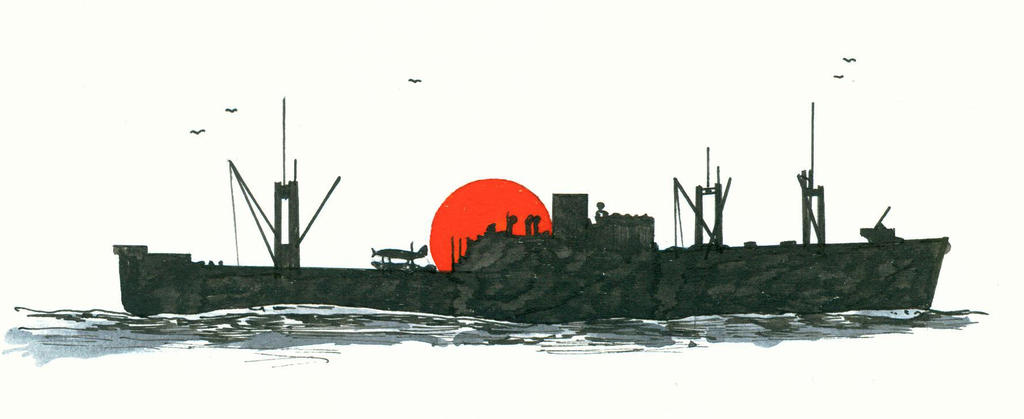
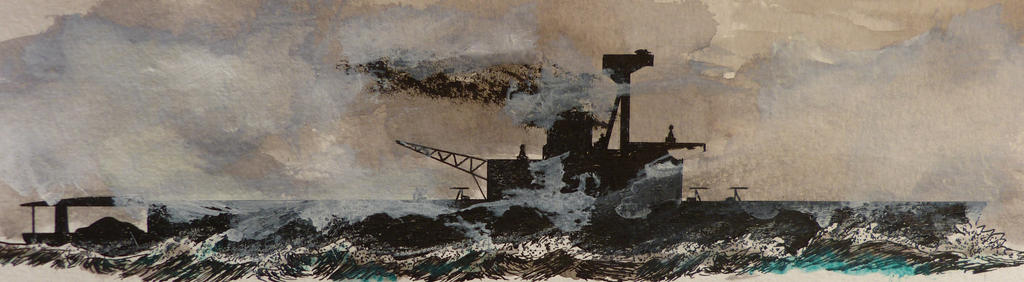
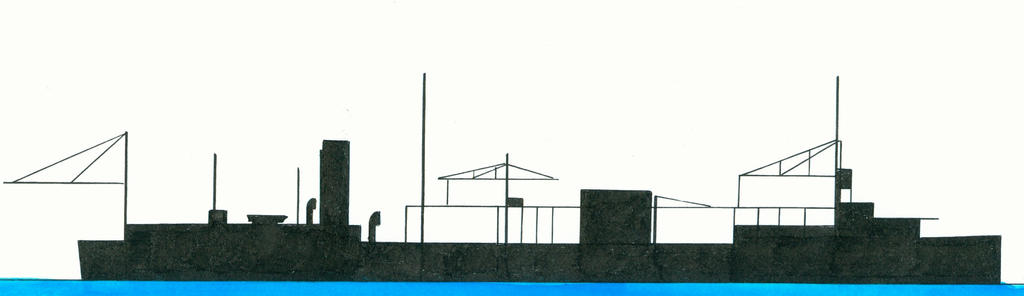
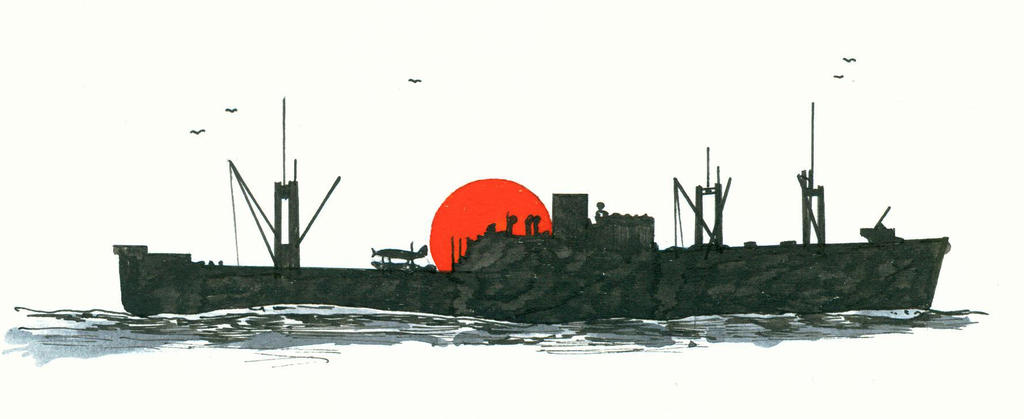
Japanese cargo ship Kimikawa Maru 1936-1944

Kamikawa Maru as seaplane tender. ©Warshipsresearch.blogspot.com

Kamikawa Maru original appareance. ©Warshipsresearch.blogspot.com

Part of the Kamikawa Maru-class consisting of the Kamikaze Maru, Kiyokawa Maru, Kimikawa Maru, Kunikawa Maru and Hirokawa Maru. Call sign JTLK. Owner in 1939 Kawasaki Line. Laid down by Kawasaki Dockyard Co. Ltd., Kobe, Japan on 2 November 1936, launched on 11 March 1937, completed on 15 July 1937, acquired by the navy on 6 July 1941, classified as an auxilary seaplane tender on 25 Jely 1941, classified as auxilary transport on 1 October 1943, torpedoed and sunk by the American submarine USS Sawfish west north west of Cape Bojeador, Australia on 23 October 1944 and stricken on 23 October 1944. Gross tonnage 6,863 tons, net tonnage 3,983 tons and as dimensions 479.5 x 62.x 20.3 x 12 (light)-27 (loaded) feet. Diesel propulsion. Range 35,000 nautical miles/16 knots. Oil fuel bunker capacity 2,800 tons. Single screw. Horsepower 1,850 nhp/7,500 bhp. Rpm 101/16 knots and 119 rpm/19 knots. Speed 16 (normal cruising)-21 (maximum) knots. Strengthened for 5” or 6” guns armament. 

Wednesday, 1 April 2026

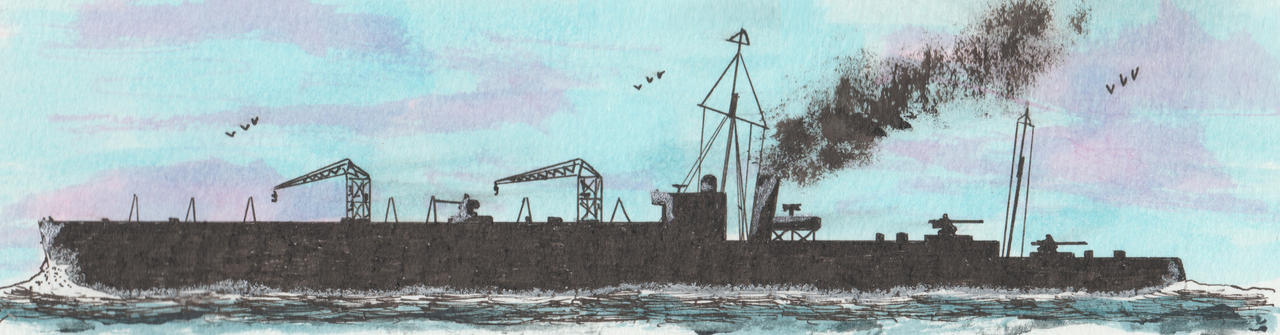
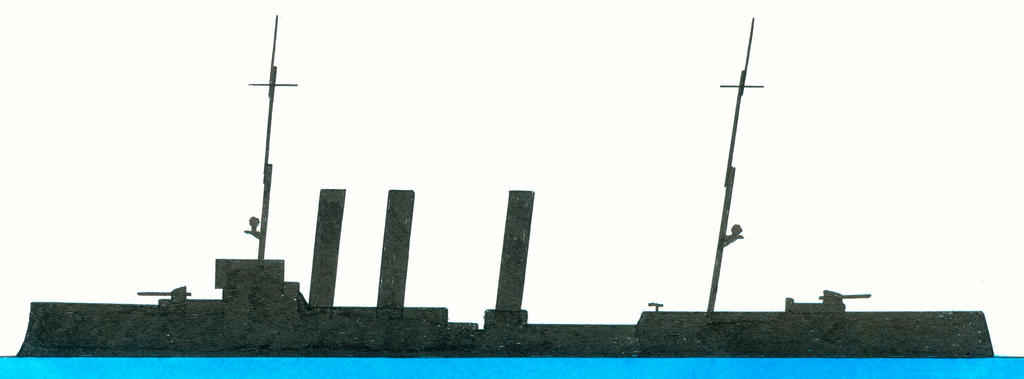
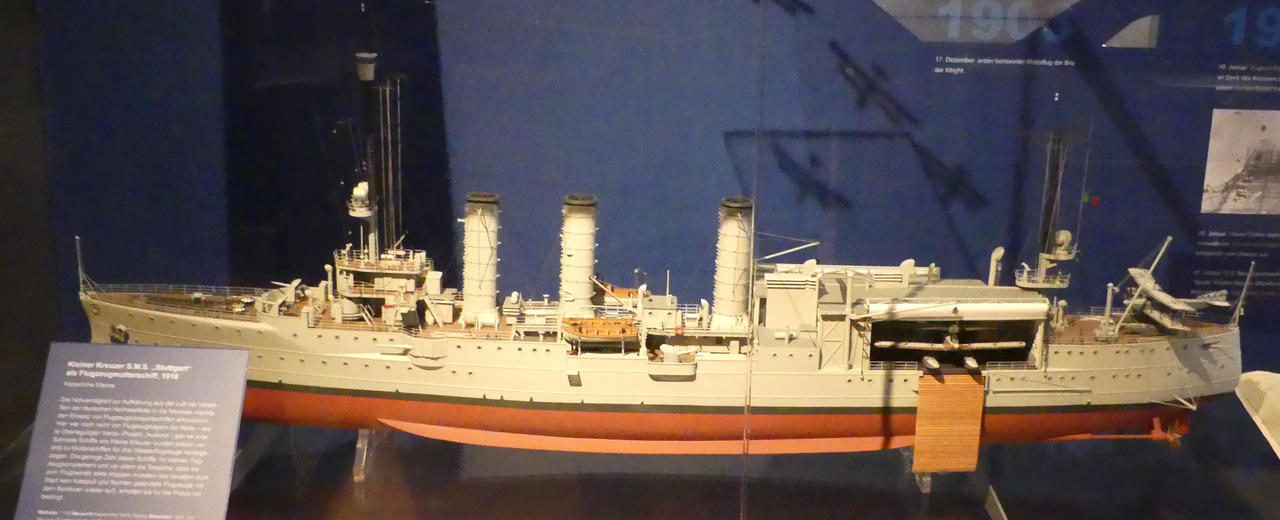
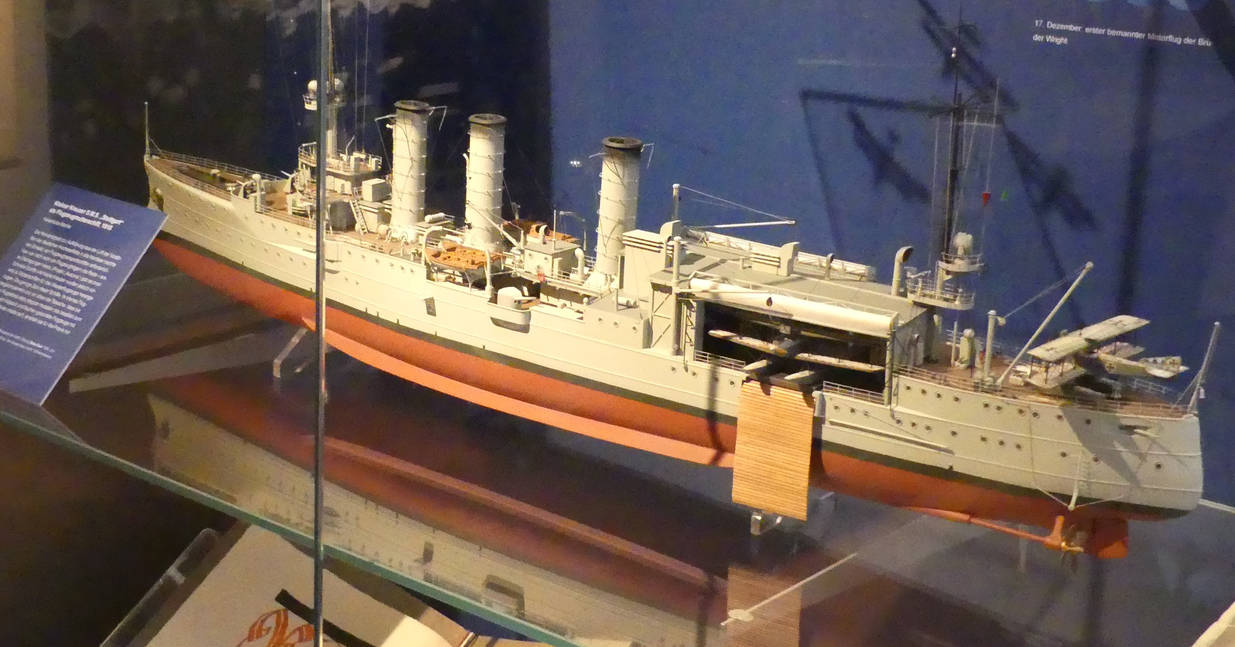
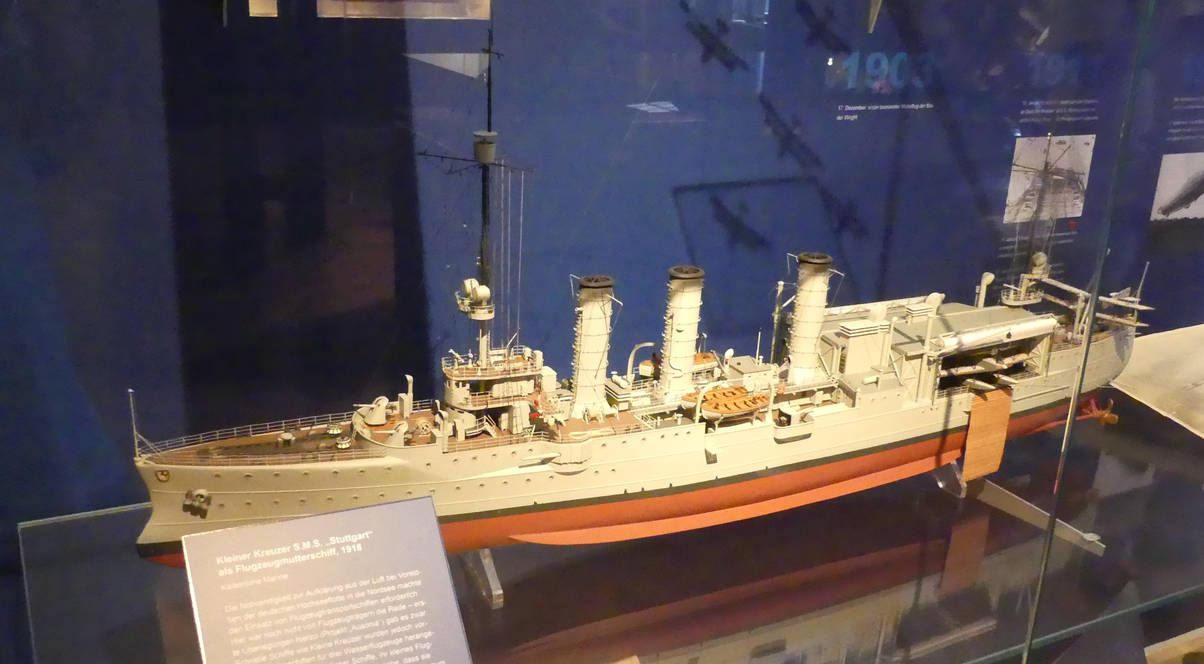
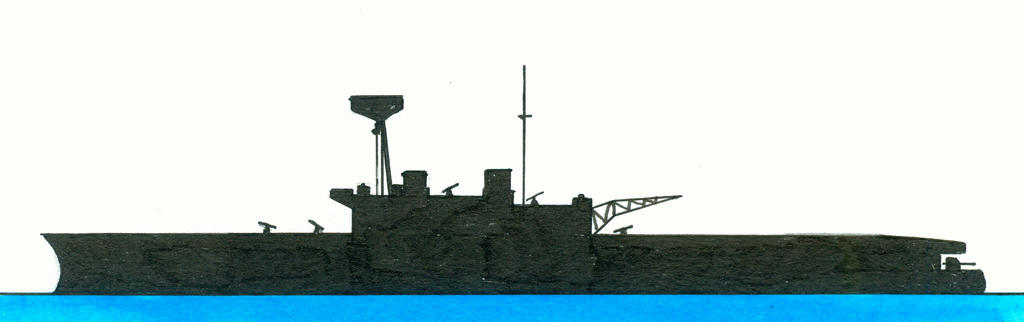
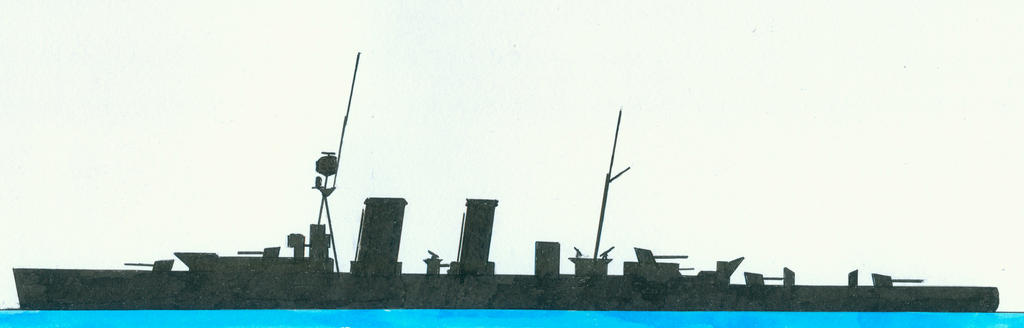
German light cruiser SMS Stuttgart 1905-1920

Königsberg-class. ©Warshipsresearch.blogspot.com


Maritime Museum Hamburg, Germany. Appareance as seaplane tender

Part of Königsberg-class preceded by Bremen-class succeeded by Dresden-class. Ordered under contract name “O” authorized under the 1900 Naval Law. Laid down by Imperial Dockuard, Danzig, Germany on 1 November 1905, launched on 22 September 1906, commissioned on 1 February 1908, gunnery training ship in 1914, converted into a seaplane tender in 1918, stricken on 5 November 1919, surrendered as a warprize to the United Kingdom in 1920 and broken up. 

Monday, 9 March 2026

Japanese cargo ship Kunikawa Maru 1937-1945 (1947)

Kamikawa Maru original appareance. ©Warshipsresearch.blogspot.com

Kamikawa Maru asseaplane tender. ©Warshipsresearch.blogspot.comm

Part of the Kamikawa Maru-class consisting of the Kamikaze Maru, Kiyokawa Maru, Kimikawa Maru, Kunikawa Maru and Hirokawa Maru. Call sign JYGL. Owner in 1939 Kawasaki Line. Laid down by Kawasaki Dockyard Co. Ltd., Kobe, Japan on 11 March 1937, launched on 12 June 1937, completed on 1 November 1937, acquired by the navy on 31 October 1941, classified as auxiliary transport on 10 November 1941, classified as auxiliary seaplane tender on 14 July 1942, again auxiliary transport since 1 October 1943, sunk on 8 May 1944, refloated on 2 September 1944, sunk during an air attack on 26 September 1944, discarged on 30 November 1945 and stricken on 3 May 1947. Gross tonnage 6,863 tons, net tonnage 3,980 tons and as dimensions 479.5 x 62.3 x 30.3 x 12 (light)-27 (loaded) feet. Diesel propulsion. Range 35,000 nautical miles/16 knots. Oil fuel bunker capacity 2,800 tons. Single screw. Horsepower 1,850 nhp/7,500 bhp. Rpm 101/16 knots and 119 rpm/19 knots. Speed 16 (normal cruising)-21 (maximum) knots. Strengthened for 5” or 6” guns armament. 

Wednesday, 25 February 2026

British aircraft carrier HMS Courageous arrived at Malta in June 1928

Courageous. ©Warshipsresearch.blogspot.com

Eagle. ©Warshipsresearch.blogspot.com


Hermes. ©Warshipsresearch.blogspot.com

The American Consulate at Valetta, Malta wrote the US State of Secretary on 11 June 1928 No. 275 that the British aircraft carrier HMS Courageous (1) arrived at her new station Malta. She replaced the HMS Hermes (2) now present in the Far East but still a significant increase for the Fleet Air Arm of the Mediterranean Fleet while the Courageous was almost twice the size of the Hermes. The air force personnel on board of the Courageoius was nearly as large of that of the Hermes and Eagle (3) together. Her Fleet Airm Arm was commanded by Wing Commander Robert Leakie and consisted of Nos. 404a and 407 fitted out with Flycatchers, Nos. 445-446 fitted out with Fairey 3F aircraft and Nos. 463-464 fitted out with Darts. Commanding officer of the Courageous was captain Aubrey Lambert, R.N.

Notes

1. Building ordered on 14 March 1915, laid down as a battle cruiser by Armstrong Whitworth with yard number 895 on 26 March 1915, launched on 5 February 1916, completed on 4 November 1916, converted into an aircraft carrier June 1924-Feburary 1928 and sunk by the German submarine U-29 on 17 September 1939

2. Based on a cruiser hull-design using a seaplane carrier design dating 1916 but which was enlarged and modified in a design dating April 1917. Building ordered in April 1917, laid down by Armstrong Whitworth on 15 January 1918, launched on 11 September 1919, commissioned on 18 February 1924, reclassified as training ship on 16 July 1938, again as aircraft carrier on 24 August 1939 and sunk during a Japanese air attack on 9 April 1942.

3. Building ordered as Chilean battle ship Almirante Cochrane on 29July 1912, laid down by Armstrong Whitworth with yard number 858 on 20 February 1913, launched on 8 June 1918, purchased on 28 February 1918, commissioned on 20 February 1924 and sunk by the German submarine U-73 on 11 August 1942.

Tuesday, 3 February 2026

Japanese naval tanker Kamoi visited the North American region in 1923

As seaplane tender. ©Warshipsresearch.blogspot.com

The Japanese embassy at Washington, USA supplied on 16 April 1923 the Department of the US Navy the schedules of the movements of Japanese naval oil tankers which were active in the North American region. Departure Yokosuka on 11 April, arrival at San Pedro on 30 April, departure San Pedro on 5 May, arrival San Francisco on 7 May, departure San Francisco on 12 May, arrival at Honolulu on 21 May and departure Honolulu, Hawaii for Japan on 26 May. Remarks were that stops at Honulu and Hilo were only made for bunkering coal, water and provisions. The schedule could be slightly changed owing to the weather and other necessities.(1)

Note

1. Originally to be built under the Eight-eight final plan dating 1920 as an oiler. Laid down by New York Shipbuilding on 14 September 1921, launched on 8 June 1922, completed and commissioned on 12 September 1922, converted into a seaplane tender including fitting out with a hangar in 1932, reclassified as a seaplane tender in February 1933, reclassified as a flying boat tender in 1939 and as an oiler on 15 April 1944, heavy damaged during an air attack on Hong Kong on 16 January 1945, again damaged in an air attack on 5 April 1945, afterwards sunk and decommissioned on 3 May 1947. Apparently broken up by British forces.

Source

Record Group 64: Records of the National Archives and Records Administration Series: Records of the Department of State Relating to Internal Affairs of Japan. Naval Affairs, Navy, Naval Vessels: 894.30 - 894.304 THRU Naval Affairs, Navy, Naval Vessels: Movements of Naval Vessels: 894.33 - 894.3311f. Microfilm 422 roll 19. 

Sunday, 9 November 2025

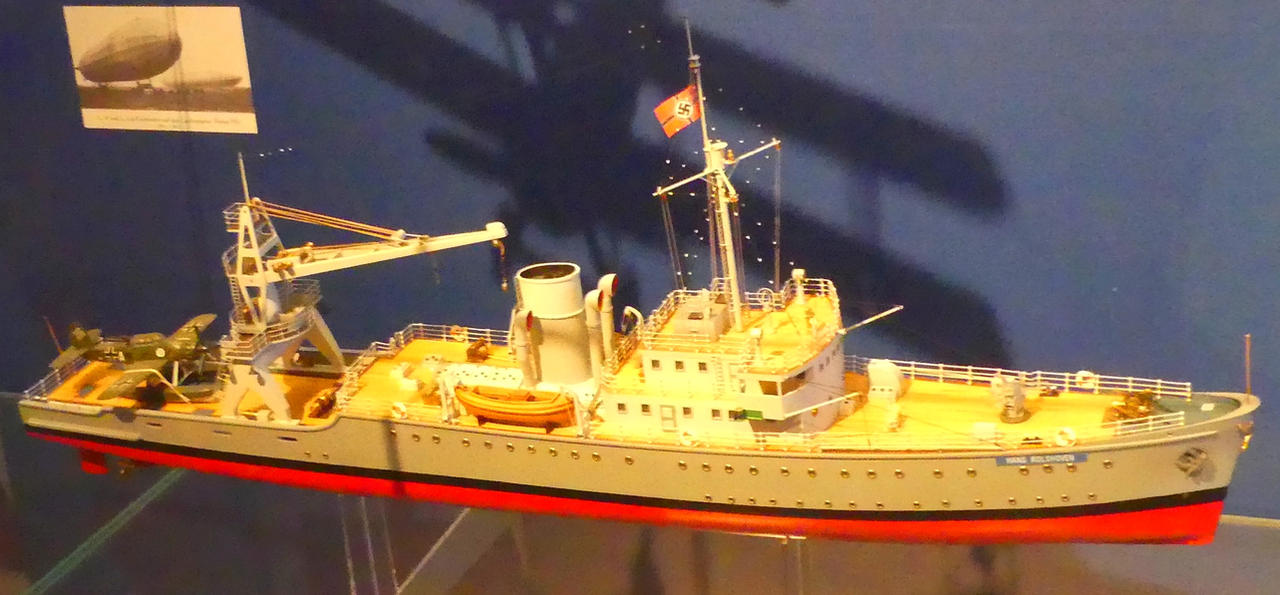
German seaplane tender Hans Rolshoven 1937-1951

Maritiem Museum Hamburg, Germany

Originally to be named Peter Strasser? (1) Flugsicherungsschiff IV. Part of Krischan-class. Launched by Norderwerft Köser&Meyer, Hamburg, Germany with yard number 697 on 20 February 1937, commissioned on 9 February 1938, sunk after striking a mine on 2 October 1942, salvaged on 26 July 1943, towed towards Sassnitz, during British air attack on 6 March 1945 hit and sunk, salvaged in 1949 and broken up between 1950-1951. Able to transport 3 floatplanes types He 60, Do 18, He 114 or Arado Ar 196. Belonged to the German Luftwaffe. For picking up and transporting float planes. Displacement 985 (standard)-1,168 (maximum) tons and as dimensions 73.1 (waterline)-762.2 (over all) x 10.6 x 3,5 metres. Crew numbered 63 men. Propulsion consisted of 4-12 cylinder 4 stroke MAN diesels delivering via 2 screws 8,800 hp allowing a speed of 21 knots. Original armament 3-3.7cm guns, 2-2cm machine guns since 1940 2-3.7cm guns and 4-2cm machine guns.

Note

1. This name is sometimes also used for the sistership of the aircraft carrier Graf Zeppelin. 

Friday, 8 August 2025

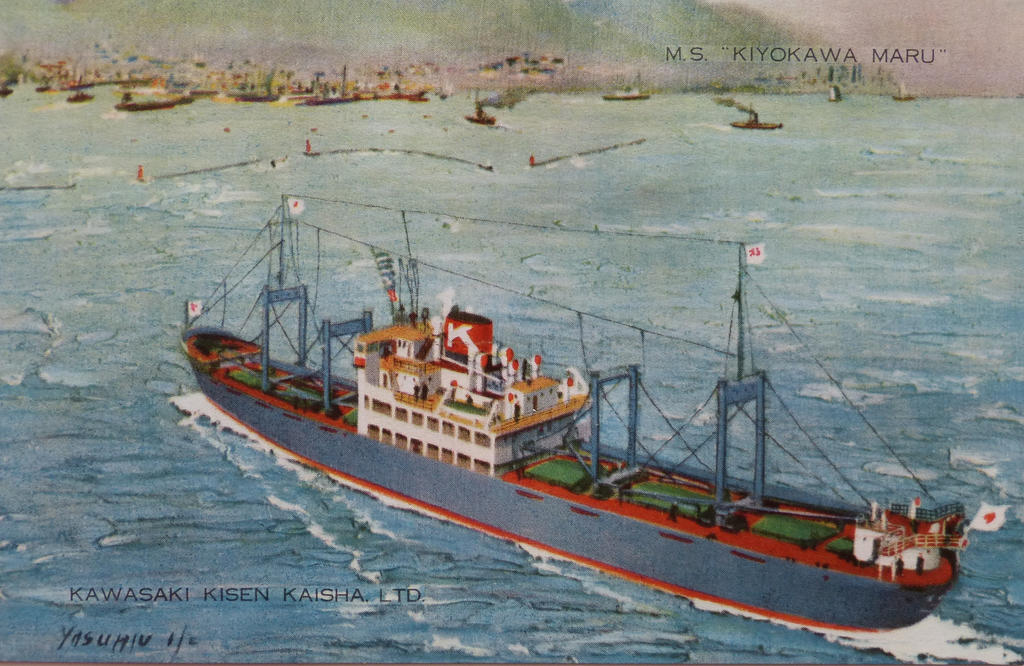
Japanese cargo ship Kiyokawa Maru 1936-1969

Kiyokawa Maru

Her sister ship Kamikawa Maru as seaplane tender. ©Warshipsresearch.blogspot.com

Laid down  by Kawasaki Dockyard Co. Ltd., Kobe, Japan on 21 October 1936, launched on 26 February1937, completed on 13 May 1937, required by the Japanese Imperial Navy on 28 September 1941 and start of the conversion into a seaplane tender at the Yokosuka Navy Yard, completed on 5 October 1941, beached to prevent sinking off Shida Beach on 20 July 1945 after heavy damaged during an American air attack, sunk on 22 November 1945, stricken from the Navy List on 10 August 1946, salvage on 9 December 1948, repaired and util 1969 when she was taken out of service and broken up active on the South America passenger lines. Net tonnage 3.864.94 ton, gross tonnage 6.875,32 ton, deadweight 9.367,59 ton and as dimensions 146,16 (between perpendiculars)-155,00 (over all) x 19,00 (moulded) x 12,2 (moulded) x 8,12 (moulded loaded) metres. Horsepower 17 knots. Horsepower 7.500 bhp. Crew numbered 48 men. Cargo hold capacity grain 649.145,73 and bale 597.751,28 cubic feet. Of Kawasaki Kisen Kaisha.

Wednesday, 6 August 2025

Axis submarines stationed at Novo Redondo, Portuguese Angola according to the U.S. Joint Intelligence Committee. Daily summary dated 30 December 1941

An item reported that 3 Axis submarines were stationed at Novo Redondo [nowadays Sumbe], [Portuguese] Angola [ nowadays Republic of Angola]. The J.I.C. commented that the same source reported this on 8 and 18 Decembers and later sighted a British seaplane submarines.

Source

Map Room Papers (Roosevelt Administration), 1942 - 1945. U.S. Joint Intelligence Committee. Daily summary No. 20 dated 30 December 1941

Tuesday, 5 August 2025

American air attack on Japanese warships in the Tutu Bay, Philippines unsuccessful according to the U.S. Joint Intelligence Committee. Daily summary dated 30 December 1941

An item reported that an American attack on 6 patrol aircraft on Japanese battleships, cruisers, destroyers and a seaplane tender in the Tutu Bay, Jolo Island, Sulu Archipelago (about latitude 5.55 north 121,15 east), Philippines was without success, but a failure while loosing 4 aircraft.

Source

Map Room Papers (Roosevelt Administration), 1942 - 1945. U.S. Joint Intelligence Committee. Daily summary No. 20 dated 30 December 1941

Sunday, 15 June 2025

American patrol boat USS No. 34 torpedoed Japanese ship in Subic Bya, Philippines according to the U.S. Joint Intelligence Committee. Daily summary dated 21 January 1942

An item reported that the American patrol boat No. 34 commanded by lieutenant Buckeley U.S.N.R. with success torpedoed a Japanese 5,000 ton ship in Subic Bay, south west coast of Luzon, Philippines.(1)

Note

1. Motor Torpedo Boat (PT) 34, laid down by Electric Launch Company, Bayonne, New Jersey, USA on 29 March 1941, launched on 14 June 1941, completed on 12 July 1941 and sunk on 9 April 1942 during an attack of Japanese F1M so-called Pete float planes of the seaplane tender Sanuki Maru. PT-20 class.type Elco-77 foot PT. John Duncan Bulkeley (19 August 1911-6 April 1996) ended his career as vice admiral and commanded Motor Torpedo Boat Squadron Three.

Source

Map Room Papers (Roosevelt Administration), 1942 - 1945. U.S. Joint Intelligence Committee. Daily summary No. 42 dated 21 January 1942 

Thursday, 24 April 2025

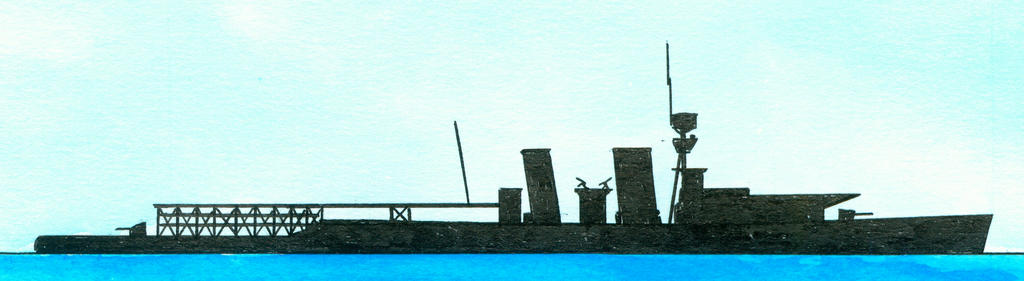
British War Cabinet approved conversion of cruiser HMS Cavendish into a seaplane tender in 1917

Hawkins-class. ©Warshipsresearch.blogspot.com

HMS Vindictive-class. ©Warshipsresearch.blogspot.com

An item reported that the War Cabinet on Tuesday 26 June 1917 considered proposals (Paper GT.-1133) done by the Board of the Admiralty dealing with an increased programme to be completed by the end of 1918 als regarded War Cabinet No. 58. Factors as the expected strength of the German navy, the need for destroyers for anti submarine warfare and no disturbing of the merchant shipbuilding resulted in the War Cabinet approving the conversion of the HMS Cavendish into a seaplane tender. At the same time was the First Sea Lord asked to investigate what the result was of suspending the approved (War Cabinet No. 58 minute 12) building of 2 seaplane tenders.(1,2)

Notes

1. Part of Hawkins-class heavy cruisers preceded by Town-class succeeded by County-class. Ordered in April 1916, laid down by Harland&Wolff, Belfast, Northern Ireland with yard number 500 on 29 June 1916, launched on 17 January 1918, renamed Vindictive in June 1918, completed on 19 October 1918, commissioned on 1 October 1918, during the building converted into an aircraft carrier, laid up in 1919, reconverted into a cruiser and recommissioned in 1924, conversion into a training ship between 1936-1937, converted into a repair ship between 1939-1940, destroyer depot ship since 1944 and sold to be broken up in 1946.

2. Sir John Jellicoe (5 December 1959 Southampton, England-20 November 1935 Kensington, London, England), Admiral of the Fleet, First Sea Lord 30 November 1916-10 January 1918.

Source

The National Archives, Kew Gardens, England CAB 37-23-3-17

Friday, 28 March 2025

Large number of Japanese warships gathered at Truk according to the U.S. Joint Intelligence Committee. Daily summary dated 13 January 1942

An item referred to a photographic reconnaissance of Truk pointing out the presence of a floating dock. There were 24 enemy vessels sighted including 1-8” cruiser, 14 destroyers, 4 seaplane carriers, 2 supply ships, 1 hospital ship and possible an aircraft carrier. The New Zealand government feared a Japanese attack on the Fiji Islands from ships concentrated in the eastern Marshalls.

Source

Map Room Papers (Roosevelt Administration), 1942 - 1945. U.S. Joint Intelligence Committee. Daily summary dated 13 January 1942 No. 34 

Monday, 24 March 2025

American submarine USS Pompano (1) sunk large Japanese merchant ship according to the U.S. Joint Intelligence Committee. Daily summary dated 14 January 1942

Kamikawa Maru. ©Warshipsresearch.blogspot.com

An item reported that the American submarine USS Pompano (1) torpedoed and sunk a Japanese merchant ship of about 17,000 tons near Wotje, Marshall Islands. The ship was believed to be part of the Yawata-class. On a paper was written Yawata [Maru] a 21 knots 560 feet 16,500 tons former Transpacific liner listed by ONI as a potential troop transport or plane carrier or the Kamikawa (Not Kamakura) a 6,853 ton seaplane tender.

Note

1. SS-181, Part of the Porpoise-class preceded by Cachalot-class succeeded by Salmon-class, laid down by Mare Island Naval Shipyard on 14 January 1936, launched on 11 March 1937, commissioned on 12 June 1937 and lost in September 1943 probably after striking a mine. The Yawata attack was on 12 January.

Source

Map Room Papers (Roosevelt Administration), 1942 - 1945. U.S. Joint Intelligence Committee. Daily summary dated 14 January 1942 No. 35. 

Monday, 17 March 2025

Japanese naval force sighted off the Marshall Islands according to the U.S. Joint Intelligence Committee. Daily summary dated 17 January 1942

An item reported that a Japanese force of 4 warships, 19 troop transports, 8 aircraft supply vessels or seaplane tenders and a hospital ship were sighted near the Marshall Islands. There was evidence that 2 aircraft carriers were to be added to this force.

Source

Map Room Papers (Roosevelt Administration), 1942 - 1945. U.S. Joint Intelligence Committee. Daily summary dated 17 January 1942 No. 38. 

Sunday, 2 March 2025

Japan collected strong naval force in the Truk area according to the U.S. Joint Intelligence Committee. Daily summary dated 19 January 1942

An item reported that the Japanese naval strength in the Truk area was probably consisting of 2 battleships, 2 heavy cruisers, 4 light cruisers, 5 aircraft carriers, 12 destroyers, 9 submarines, 2 seaplane tenders, many naval auxilairies and numerous merchant troop transports or supply ships. The J.I.C. commented that she expected an offensive to the south.

Source

Map Room Papers (Roosevelt Administration), 1942 - 1945. U.S. Joint Intelligence Committee. Daily summary dated 19 January 1942 No. 40 

Sunday, 26 January 2025

Japanese battleship Niss(h)in under construction in 1941

An item reported that there was hardly any new information available about the Japanese battleships now being build.There were at least five under construction of which one at the Kure Naval Dockyard, one at the Mitsubishi Company yard, Nagasaki and one at Maiduru or at the Kawasaki shipyard at Kobe. Of those latter third ships two were to be named Kii and Owari. What the value of this assumption of those names was, could not be said. Two battleships projected in 1921 with the same name were cancelled as a result of the Washington Naval Conference. A fourth ship seemed to be the Nissin (1) launched at Kure, Japan on 30 November 1939 and the fifth seemed to be the Takamatu under construction at Yokosuka.

Note

1. In 1942 identified as possible being the seaplane carrier/tender Nisshin of the Nisshin-class, ordered in 1937, laid down by Kure Naval Arsenal on 2 November 1938, launched on 30 November 1939, commissioned on 27 February 1942, lost on an American air attack 40 nautical miles south west of Buin, Papua New Guinea and stricken on 10 September 1943.

Source

Brassey’s Naval Annual 1941

Monday, 6 January 2025

Japanese battleship Nisshin under construction in 1942

An item reported that Japan was building two battleships called Nisin (?) and Takamatu with a displacement of 40,000-43,000 tons, a length of 240 metres, a speed of 27 knots and a main armament of 8-40,cm guns. The Nisin was laid down at Kure in March 1937, launched on 30 November 1939 and in service in October 1941.(1)

Note

1. Another source identified her in 1942 as possible being the seaplane carrier/tender Nisshin of the Nisshin-class, ordered in 1937, laid down by Kure Naval Arsenal on 2 November 1938, launched on 30 November 1939, commissioned on 27 February 1942, lost on an American air attack 40 nautical miles south west of Buin, Papua New Guinea and stricken on 10 September 1943.

Source

Les Flottes de combat 1940-1942.

Tuesday, 31 December 2024

Japanese battleships under construction in 1941


An item reported that is was believed that three, possible even four, Japanese batteships were under construction but official information was still not available. It was quite certain to assume that the ships were over 40,000 tons and armed with 40.46cm/16” guns.(10 Regarded the Japanese shipbuilding facilities it was presumed that the ships were to be built by the navy shipyards at Kure and Yokosuka and further more by the private shipyards of Mitsubishi and Kawasaki at Nagasaki and Kobe. There were three ships launched in 1939 which could be identified although with doubt as being one of the battleships namely the Nisshin (2) launched at Kure on 30 November, the Zuikaku (3) launched at Kobe on 27 November 1939 and the Kadekuru (4) launched at Yokosuka on 1 June 1939. A French report however suggested that the Kadekuru was a 16,000 tons battle cruiser and not a battleship but this could also be doubted. A third possibility identified the Kadekuru as an aircraft carrier.

Notes

1. Under construction were the Shinano laid down by Yokosuka Naval Arsenal on 4 May 1940, completed as an aircraft carrier and the No. 111 laid down by Kure Naval Arsenal on 7 July 1940, both of the Yamato-class with a main armament of 3x3-46cm/18.1” guns and a displacement of 71,111 (trials)-72,809 (full load) tons.

2. In 1942 identified as possible being the seaplane carrier/tender Nisshin of the Nisshin-class, ordered in 1937, laid down by Kure Naval Arsenal on 2 November 1938, launched on 30 November 1939, commissioned on 27 February 1942, lost on an American air attack 40 nautical miles south west of Buin, Papua New Guinea and stricken on 10 September 1943.

3. A Shōkaku-class aircraft carrier, laid down by Kawasaki Shipyards on 20 May 1939, launched on 27 November 1939, commissioned on 25 September 1941, sunk in an American air attack during the Battle of Leyte Gulf on 25 October 1944 and stricken on 26 August 1945.

4. Not existing, also called a pocket battleship, in 1942 identified as destroyer Kurukaze?

Source

Brassey’s Naval Annuals 1940-1942

Monday, 30 December 2024

Japanese battleship Nissin or Nisshin under construction in 1942

An item referred to the suggestion that the batteship Nissin launched at Kure, Japan om 30 November 1939 could be a seaplane carrier of the Misuho type.

Note

1. The seaplane carrier/tender Nisshin of the Nisshin-class was ordered in 1937, laid down by Kure Naval Arsenal on 2 November 1938, launched on 30 November 1939, commissioned on 27 February 1942, lost on an American air attack 40 nautical miles south west of Buin, Papua New Guinea and stricken on 10 September 1943. The seaplane carrier Mizuho was built between 1937-1939.

Source

Brassey’s Naval Annual 1942