Translate

Showing posts with label Cruiser carriers. Show all posts

Thursday, 3 September 2026

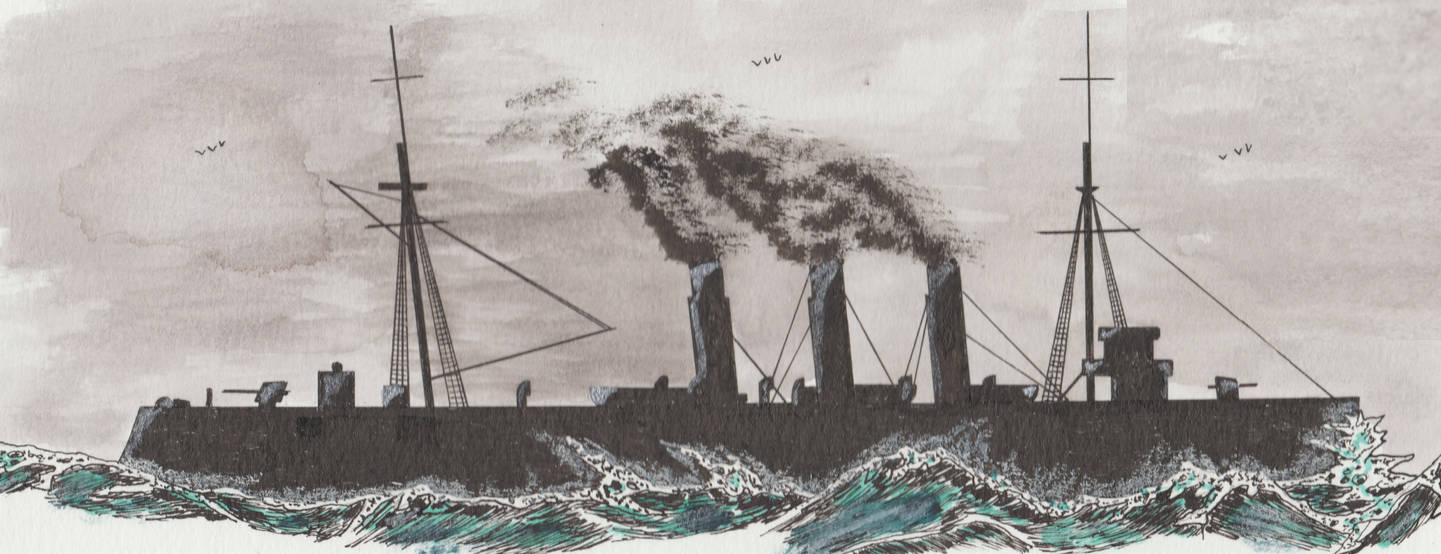
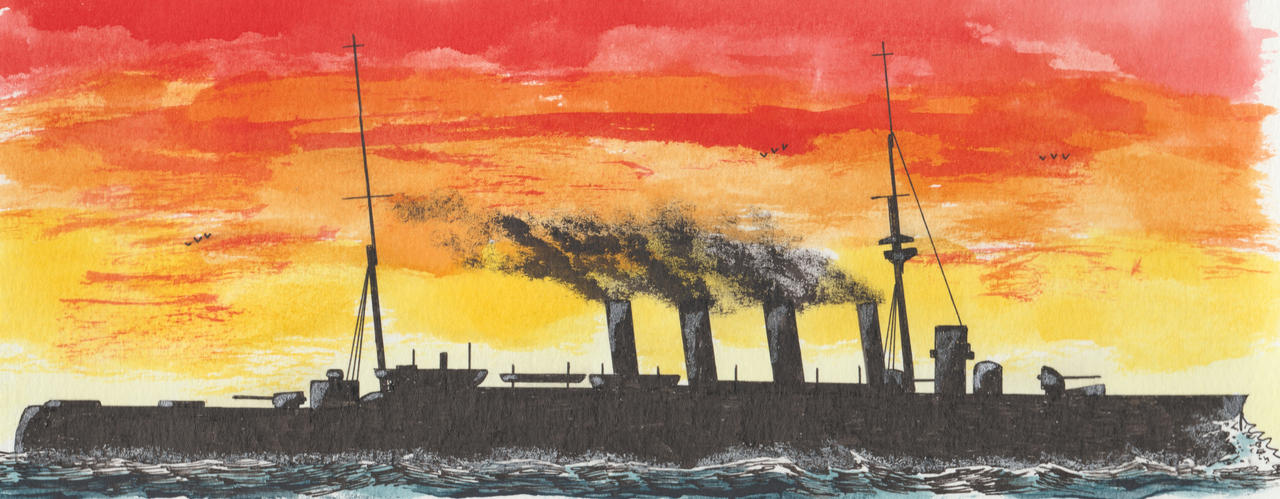
British protected cruiser HMS Sapphire 1903-1921

Pelorus-class©Warshipsresearch.blogspot.com

Topaze-class©Warshipsresearch.blogspot.com

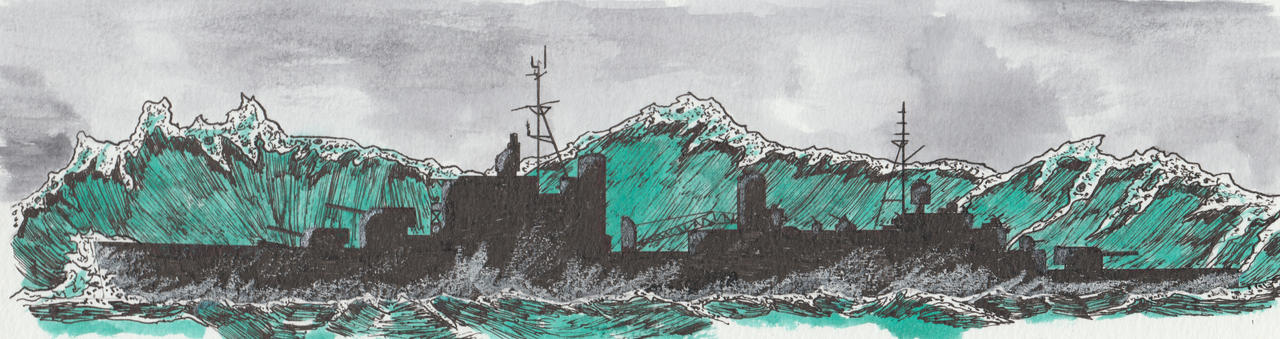
Town-class Weymouth subclass©Warshipsresearch.blogspot.com

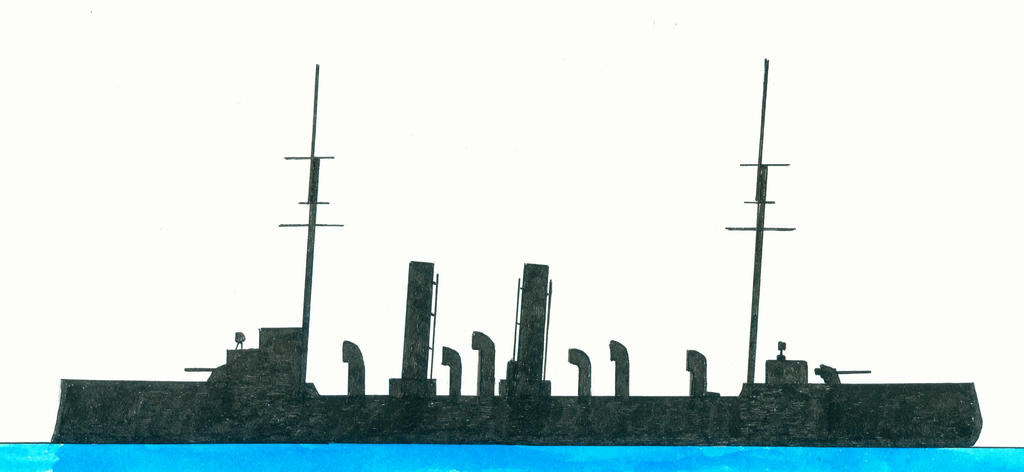
Part of Topaze-class 3rd class protected cruisers preceded by Pelorus-class succeeded by Town-class. Sometimes called Gem-class. Designed by Director of Naval Construction (DNC) 1902-1912 Sir Philip Watts (30 May 1946 Deptford, Kent, England-15 March 1926 Chelsea, London, England). Laid down by Palmers, Jarrow, England on 30 March 1903, launched on 17 March 1904, commissioned on 7 February 1904 and sold to be broken up on 9 May 1921. 

Thursday, 30 July 2026

British light cruiser (ex-Blake) Bellerophon 1941-1945

HMS Swiftsure, Minotaur-class. ©Warshipsresearch.blogspot.com

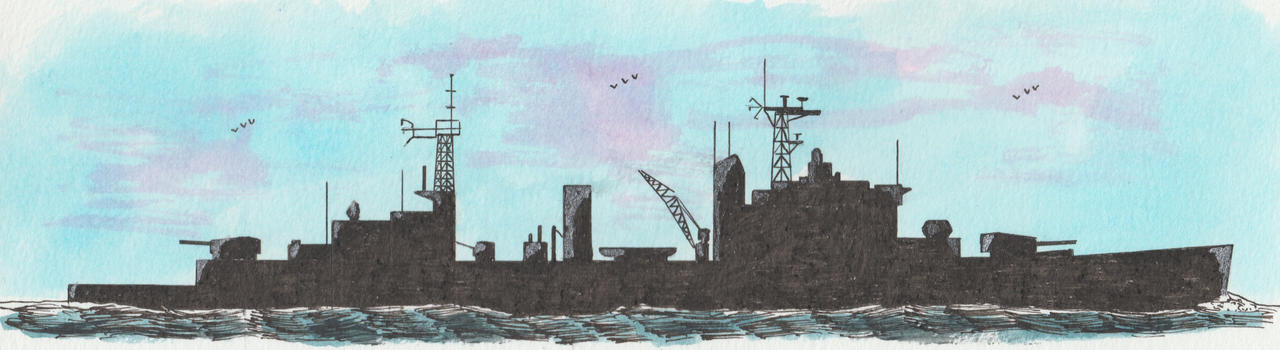
Tiger-class. ©Warshipsresearch.blogspot.com

Part of Minotaur-class (also known as Swiftsure-class after 1944) preceded by Fiji-class (also called Colony and Crown Colony-class) and succeeded by planned Neptune-class and realized by Tiger-class. Laid down by John Brown and Co. Ltd., Clydebank, Scotland on 1 October 1941, launched on 25 October 1945 and next redesigned and completed as part of the Tiger-class. 

Russian Bolsheviks intending to sell incomplete warships in 1922

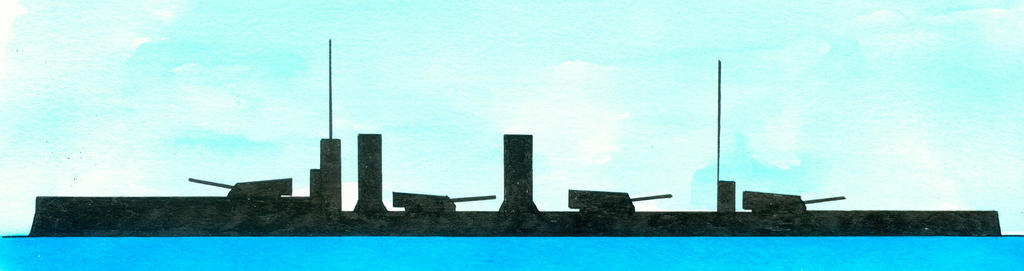
Borodino-class battle cruisers. ©Warshipsresearch.blogspot.com

Svetlana-class light cruisers. ©Warshipsresearch.blogspot.com

A report from the Military Observer at Riga, Latvia dated 17 February 1922 No. 2482 described the Russian Baltic fleet using information supplied by the Estonian General Staff. The Bolsheviks intended to sell a number of incomplete warships:

-armoured cruisers Izmail, Borodino and Gimourn(1)

-light cruisers Admiral Greig (1) and Admiral Spiridov (3)

-destroyers Mechislav, Brechislav, Fedor Stratilat, Capitan Kerp, Crown, Zotov, Sokol, Michail, Doubosov, totally 9 all with hulls in good condition and three ships also fitted out with boilers and engines.

Notes

1. Battle cruisers of the Borodino or Izmail-class, the Izmail was broken up at Leningrad in 1931, the Borodini, Kinburn and Navarin were sold to a German company be broken up on 21 August 1923.

2. Part of Svetlana-class preceded by Muraviev Amurski-class succeeded by Admiral Nakhimov-class converted in the tanker ss Azneft taken into service in 1926.

3. Part of Svetlana-class preceded by Muraviev Amurski-class succeeded by Admiral Nakhimov-class converted in the tanker ss Grozneft taken into service in 1926.

Source

National Archive. Record Group 165: Records of the War Department General and Special Staffs Series: Security Classified Correspondence and Reports. File Unit. Russia: Navy - MID 2503-16 THRU 2503-265. Roll 1443.

Friday, 17 July 2026

Concept of a cruiser carrier in the future dated 13 March 1943

Drawing by Logan U. Reavis (1887, Saint Louis, USA, 1 June 1958 (Hempstead, USA).

The carrier-cruiser was presented as a newcomer (1) and a one-ship task fore for offensive sorties on a scale too small for full task forces but too large and/or important for an unaccompanied cruiser group. An example “she would be very useful as an escort for valuable convoys, such as the deep-sea portion of a ship-borne troop movement’ part of a invasion. Her displacement was 12,000 tons, main dimensions 650 x 75 feet and a speed of 35 knots.

Legend of the drawing could just partly be read:

1. Fore 1x3-27.94cm/11” guns

2. ... guns

3. 6”?) guns with full .. degree arch fire.

1. Recatractable fire control station

2. Side stack

6. Aft 1x3-27.94cm11” guns

7. Elevator for aircaft

8. Radio masts and antennas.

9. Retractable range finders.

10. Tradmill accelerator.

11. Medium bombers.

Note

1. He was an industrial and marine working as illustrator and writers for newspapers but also for the United States Lines and other shipbuilding related industry. In the 1950s he made promotional maps and brochures to celebrate the passenger ship ss United States which won the Blue Riband in 1932.

Source

‘The shape of ships to come’ in: The navy of the Future, The Collier’s, 13 March 1943.