An item referred to a message of an agent dated 10 August reporting that the number of submarines lying in the harbour of Toulon, France was increased with another six boats.
Source
Bundesarchiv RM-40-622

An item referred to a message of an agent dated 10 August reporting that the number of submarines lying in the harbour of Toulon, France was increased with another six boats.
Source
Bundesarchiv RM-40-622


Great Belt 12 August 2026
Under Broen Facebookpage
Part of Project 22350Admiral Gorshkov-class preceded by Neustrashimy and Krivak-classes. Laid down by Severnaya Verf, Saint Petersburg, Russia on 26 November 2009, launched on 12 December 2014 and commissioned on 21 July 2020. Hull number 431 was replaced by 461 in 2020.
An item reported the merchant ship Navarino, loaded with grain, England-flagged, tonnage 5,103 tons, date of departure 5 July, coming from Australia and bound for Italy.
Source
Bundesarchiv RM-40-622
An item reported the merchant ship Daleham, loaded with grain, England-flagged, tonnage 4,809 tons, date of departure 3 July, coming from British India and bound for Italy.
Source
Bundesarchiv RM-40-622


Great Belt 4 August 2026
Under Broen Facebook page
MMSI 211210160, call sign DRAH. Part of Brandenburg-class preceded by Hamburg-class succeededed by cancelled Niedersachsen/Frigate 126-class and MEKO A-200 DEU class. Laid down by Blohm&Voss, Hamburg, Germany on 11 February 1992, launched on 28 August 1992 and commissioned on 14 October 1994.
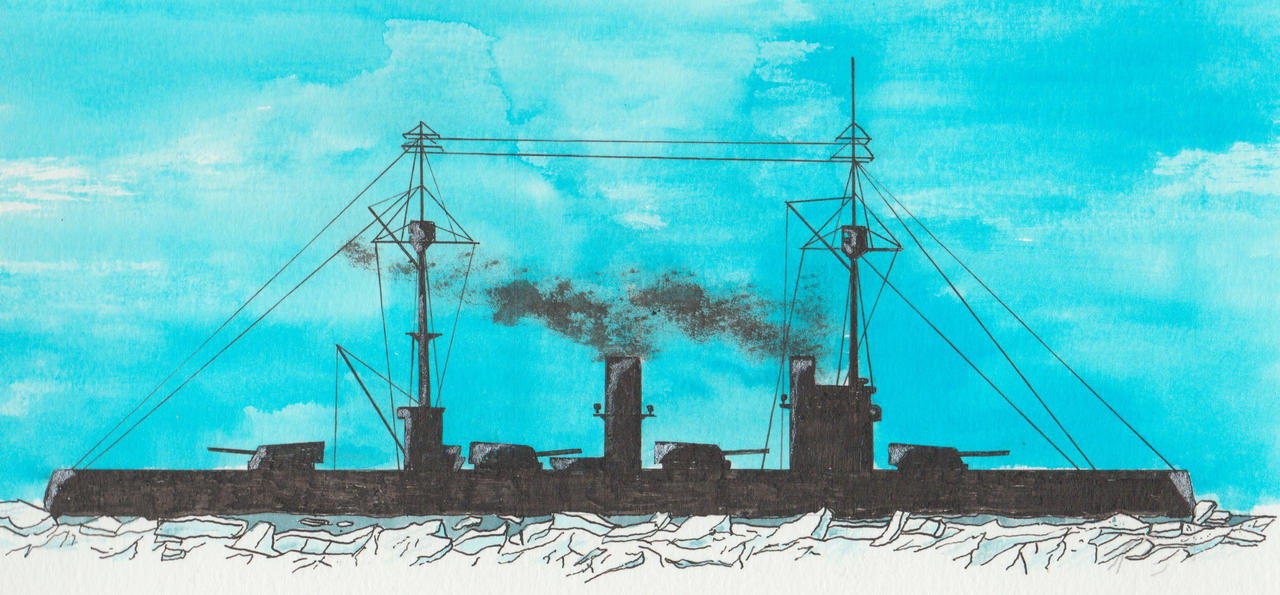
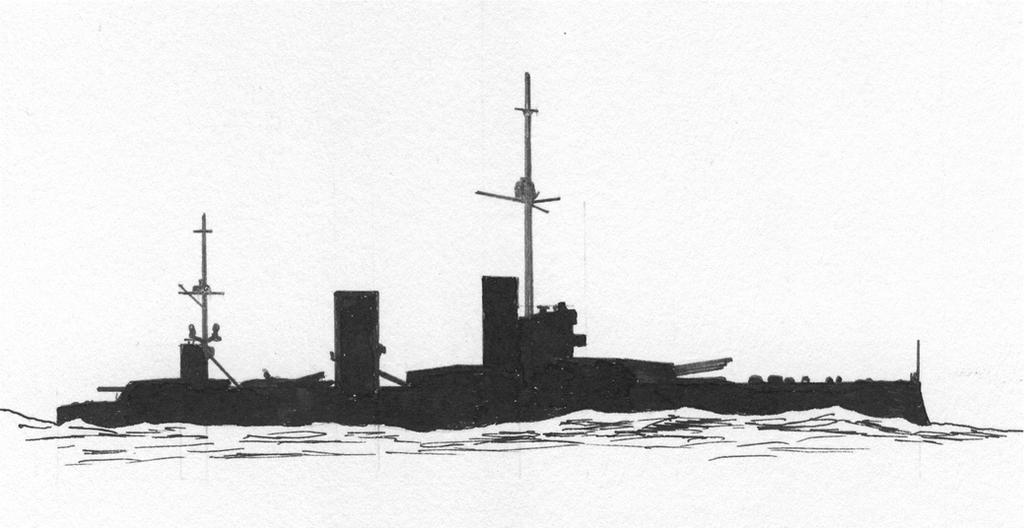
A US Navy report dated Constantinople, Turkey 31 January 1925 No. 4221 while referring to a report dated 9 January No. 4174 described the Russian ships (1) lying at Bizerte, French Tunisia and which the Soviet government wanted to take over from France and presumably would be moved to the Black Sea consisted of:
-battle cruiser General Alexeiff (2), 22,800 tons and built in 1914
-armed cruiser Georgii Pobiednosets [Ekaterina II-class battleship], 10,200 tons and built in 1892
-light cruisers General Korniloff and Alinaz of 6,600 and 3,300 tons and built in 1902 and 1900 respectively
-7 destroyers of between 810-1,300 tons and built between 1907-1915.
-3 torpedo boats of each 350 tons and built in 1905
-4 submarines of between 467-756 tons and built between 1913-1918
-3 gunboats of between 1,100-1,300 tons and built between 1892 and 1916
Notes
1. Wrangel’s Fleet. Pyotr Nikolayevich Wrangler (15/27 August 1878 Novalexandrovsk, Russian Empire-25 April 1928, Brussels, Belgium), commander-in-chief of the Armed Forces of South Russia 1920-1921
2. Imperator Aleksandr III 1912-1917-Volia 1917-1919, General Alekseyev 1919-1936. Her keel was laid down at the Russud Shipyard at Nikolayev was ordered on 30 April 1911, the contract for building her dates from 13 April 1912!launched on 15 April 1914, commissioned on 17 July 1917 in the Imperial Russian navy, renamed on 29 April Volia and not Wolga/Volga as sometimes is suggested, in November that year was she commissioned in the Soviet Navy, on 19 June 1918 refused her crew to scuttle her and she went to Sevastopol where her armament was removed and the crew landed except for guards. On 1 October was she fallen into German hands and on the 15th made she a short voyage under German flagged. On 24 November handed the German forces her over to British forces and in December she departed towards Izmit manned by sailors from the HMS Agamemnon which ‘accompanied’ her during this voyage. Returning in 1919 to Sevastopol was she on 1 November handed over to the White Russian forces which commissioned her as the General Alekseyev. As part of the so-called Wrangel’s fleet was she interned by the French cabinet in Bizerte.End 20’s was she sold to be broken which actually happened not earlier as in 1936. Her main guns were used by German and Finnish forces and some were after the Second World War used by Soviet forces.
Source
National Archive. Record Group 165: Records of the War Department General and Special Staffs Series: Security Classified Correspondence and Reports. File Unit. Russia: Navy - MID 2503-16 THRU 2503-265. Roll 1443.
An item reported the fenced and rail served Soviet Nikolayev Shipyard Northern 61 Kommuna 445 with as geographic coordinates 46.58.30 north and 32.00.40 east located in the north part of Nikolayev, Ukraine at both sides of the Ingul used for building of the Kashin-class DLG (1) and Sibir-class refrigerated transports.(2) The shipyard possessed 3 end-launch building slipways of which two were served by overhead bridge cranes and one by 3 cranes, a foundry, 5 quays for which 3 cranes were available , 1 floating dock, 2 floating cranes, a small marine railway and 2 fabrication, 8 shop and 55 support buildings.
Source
The report was published on www.archive.org, document number CIA-RDP78T04759A007300010035-9
Notes
1. Project 61/NATO name Kashin-class were anti-aircraft guided-missile destroyers first classified as guard ships built between 1959-1973, preceded by Kanin-class succeeded by Sovremenny-class. Design approved in 1957.
2. Served across the Sea of Japan, Sea of Ochotsk and the Bering Sea. Transport with a length of around 415 feet with 4 total cargo holds.

Great Belt 12 August 2026
Under Broen Facebookpage
Russia-flagged, IMO 9778193, MMSI 273399750 and call sign UHCZ. Project 23130 preceded by Kaliningradneft-class. Laid down by Nevsky Shipyard with yard number 901 on 26 April 2014, launched on 26 May 2016 and commissioned on 21 January 2020.
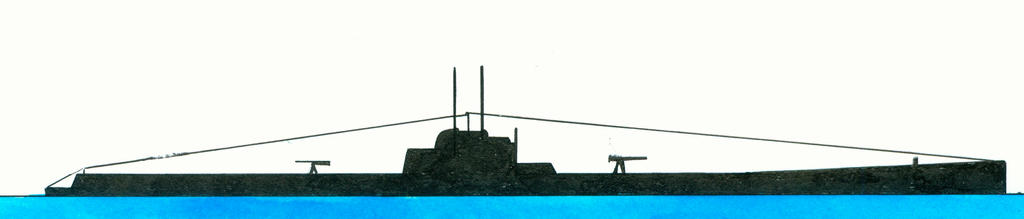
U 32-39. ©Warshipsresearch.blogspot.com
An item reported that the German submarine SM U-33 (1) commanded by kapitänleutnant Siess (2) sunk with explosives on 26 July east of Cap Corse the 280 tons Italian sailing vessel Blanchette loaded with phosphate underway from Bone towards Livorno, Italy.
Notes
1. Ordered on 29 March 1912, laid down by Germaniawerft, Kiel, Germany with yard number 193 on 7 November 1912, launched on 19 May 1914, commissioned on 27 September 1914, surrendered to the British at Harwich, England on 16 Jnauary 1919 and broken up at Blyth, England between 1919-1920.
2. Gustav Siess (11 December 1883, Hamburg, Germany-14 October 1970 Hamburg, Germany.
Source
Bundesarchiv RM-40-622
©Warshipsresearch.blogspot.com
List of planning with deadlines for new construction of warships dated Berlin 22 May 1944. Built in South France. Date building ordered 15 April 1944. Date completion January 1945.
Source
Deutsches Historisches Institut Moska. Records 500 findbuch 12453-file 152.


Copyright by Historical Places XYZ by Ruinenschleicher
Ems Jade Canal near Wilhelmshaven, Germany
With our thanks for allowing us to publish
In German minesuchboot. Part of the Schütze-class 340/341fast minesweepers of which 30 were built between 1958-1963 and a modified Räumboote-design dating from the Second World War. After her service in the Federal Navy used as clubhouse of the Marinejugend at Bontekai. Served as youth hostel until around 2017. Dimensions 47.4 (over all) x 7.2 x 2.2 metres and a displacement of 280 tons. Crew numbered 31 men. Two screws. Dieselpropulsion (2 engines) and a speed of 24 knots. Armament consisted of 1-4cm L/Bofors. Launched by the Werft Abeking&Rasmussen with yard number 5225 on 25 August 1958 and decommissioned on 8 March 1974. Of type 341.
The Karlsruher Tagblatt dated Wednesday 23 April 1924 published on page 6 an article dealing with the submarine cruiser war of the future which were without any doubt to become of the most dangerous weapons in a future naval war. USA, England and France showed signifant interest in building such submarines. An absolute independence of submarine support points excluded the submarine home base or an unlimited range as proposed in Flamms (1) designs was yet not realized. He designed two twin boats namely a submarine cruiser of 7,067 tons and a submarine minelayer of 7,700 tons displacement. Both types had the same speed and diving qualities to able the boats to cooperate closely.
Some of these large minelayers were able to arrive within 24 hours secretly the Panama Canal or the Suez Canal. Their huge range was similar to the circumference of the earth and made it possible to leave their secrete base for a far away destination, do their job and return without the necessity of of a stopover. The submarine minelayer had a construction similar to that of the submarine cruiser. Instead of the guns and torpedo tubes carried shee around 1,000-1 ton or 2,000-500 kg mines with her. In the First World War was the maximum around 20 mines. Her only protection against an enemy attack was diving. The mines could be laid with mathematic accuracy with completely arbitrary intervals and the whole process was the commanding officer informed by automatic signals. Building time around 9 months and costs around 28-30 million mark.
The Australian newspaper Northern Star dated Saturday 10 January 1925 referred to an article recently published in Marine Rundschau dealing with the designs of Flamm. Despite his opinion that battleships and other types of surface warships were still indispensable, he thought that submarines ought to have a higher place in naval warfare in the future. Key word in his research was supreme importance of stability in submarines which he wanted to ssolve by adopting a new hull form. This form supplied a perfect stability while diving “and when running submerged, continues to steadniness of trim, and enables relatively enormous weights to be carried on the upper part of the hull.” As far as he knew other navies depended for the stability of their 4,000+ tons submarine cruisers on ballast or deadweight to carry. If ballast was not used for assuring the staibility they should use his system of construction and which was patented world wide. Since 1919 he was doing intensive research in this matter.
One of his projects was a submarine minelayer of 7,734 tons displacement able to carry with her 1,000 mines each with a weight of 1 ton. He stated that this design would be the most formidable in war. She would be more dangerous than an other project of him namely a submarine cruiser. The wide radius of action and the fact that she could stay for months at sea, high speed and large number of mines made her such dangerous.
Note
1. Oswald Flamm (30 July 1861 Düsseldorf, Germany-12 June 1935 Berling, Germany, Berlin) shipbuilding and -engine engineer. Played an important role in the German shipbuilding and was specialised in screws. stability and submarine building. He was according to Time Magazine (website Time.com) responsible for a “series of revolutionary, non-patent designs for heavily armored, giant submersible dreadnought and u-boat cruisers between 1921 and 1930.”
Sources
Trove website Australian newspapers.
German Digital Newspapers Archive
Delpher.nl
New Zealand Historical Newspapers Papers Past
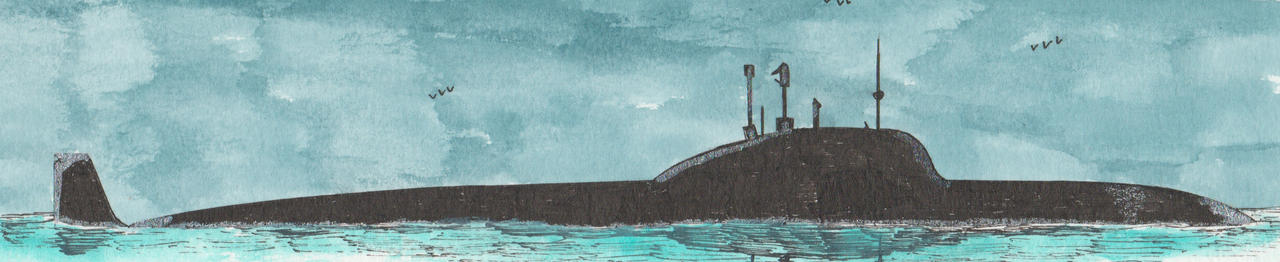
Project 705 Lira/NATO: Alfa-class©Warshipsresearch.blogspot.com
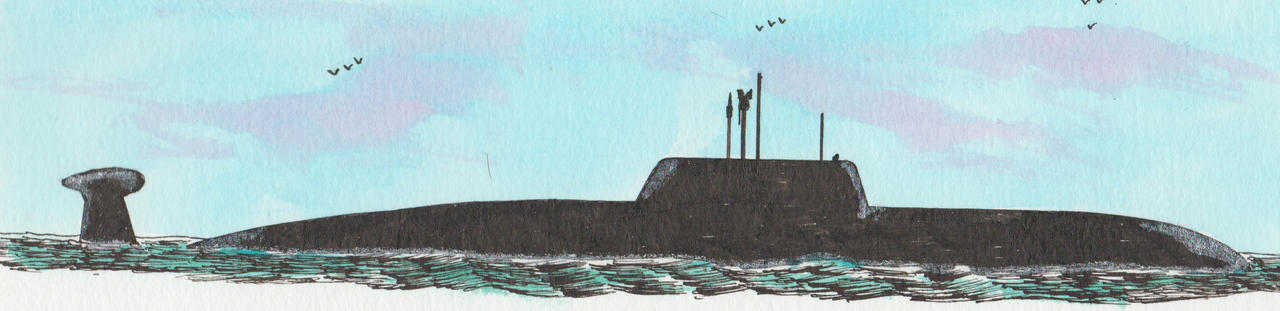
Project 945/NATO: Sierra I ©Warshipsresearch.blogspot.com
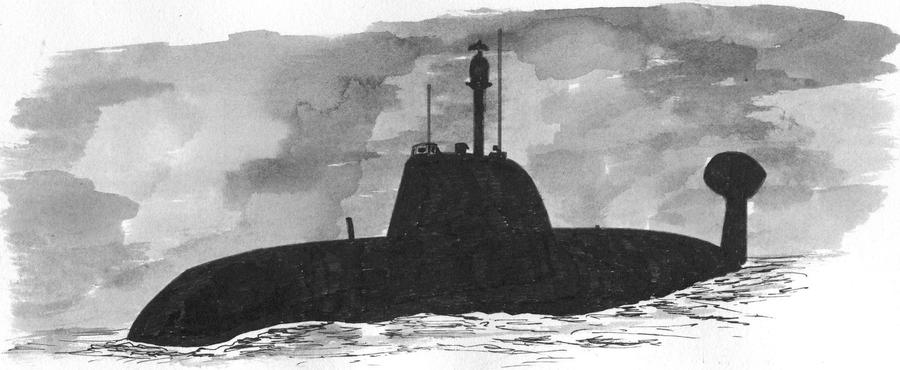
Project 971 Shchuka-B/NATO:Akula ©Warshipsresearch.blogspot.com
Part of the Project 705 Lira/NATO: Alfa-I class, preceded by Victor-class succeeded by Project 945 Barrakuda and Project 945A Kondor/NATO: Sierra-class I and II and Akula-class. Laid down by Sevmash, Severodvinsk on 12 November 1967, launched on 3 November 1977, commissioned on31 December 1978 and decommissioned on 19 April 1990 to be broken up.
Sources
Breemer, Jan. Soviet submarines. Design, Development and Tactics, 1989
Breyer, S. and N. Polmar. Guide to the Soviet Navy, 2nd edition.
Jordan, J. Soviet submarines 1945 to the present.
Kouznetsov, N. La Marine sovietique en guerre 1941-1945.
Pavlov, A.S. Warships of the USSR and Russia 1945-1995.
Polmar N. and J. Noot. Submarines of the Russian and Soviet Navies 1718-1990.
Schulz-Troge, U. Die sowjetische Kriegsmarine.
Jane’s Fighting Ships several editions.
Warshipsresearch.blogspot.com
Alfa-class dated 11 April 2026 15:53 o’clock
Russian Ships Info dated 12 April 2026 19:46 o’clock.
An item reported that at Laihana, Hawaii on 27 October was cleared the American whaler Cornelius Howland master Crosby for cruising and back home
An item reported that at Laihana, Hawaii on 27 October was cleared the American whaler George master Stevens for cruising.
An item reported that at Laihana, Hawaii on 22 October was cleared the American whaler Philip de la Noye for cruising.
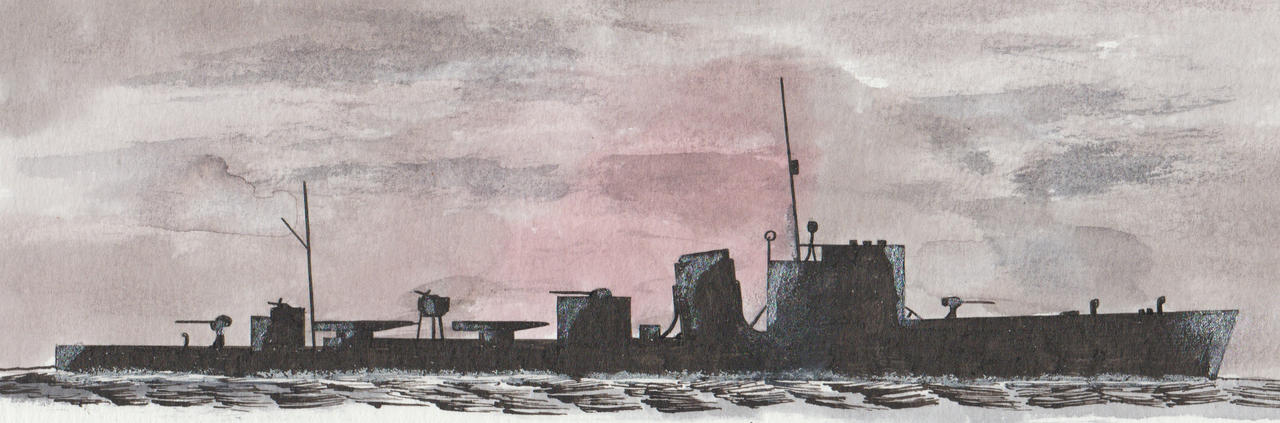
©Warshipsresearch.blogspot.com
Part of Trad-class preceded by Number 1-class succeeded by Kantang-class. Italians design, in fact a smaller Italian Spica-class. Laid down by Cantieri Riuniti dell’Adriatico, Monfalcone, Italy on 6 June 1936, launched on 16 December 1936, commissioned in March 1937, broken up.
An item reported the loss on 15 November of the British cargo ship Amenity, tonnage 297 tons when mined on the position off the Humber. All crew members saved, one was seriously wounded.
Source
National Archive UK. CAB-66-13-37.
An item reported the loss on 17 November of the British cargo ship St. Germain, tonnage 1,044 tons, loaded with pit props, underway from Portugal to Port Talbot, Wales sunk by a submarine on the position 35 miles north west of the Bloody Foreland.(1) Not part of a convoy.
Note
1. The Bloody Foreland or Cnoc Fola is a red colored headland in County Donegal along the Atlantic Ocean, Ireland near the Parish of Gweedore.
Source
National Archive UK. CAB-66-13-37.
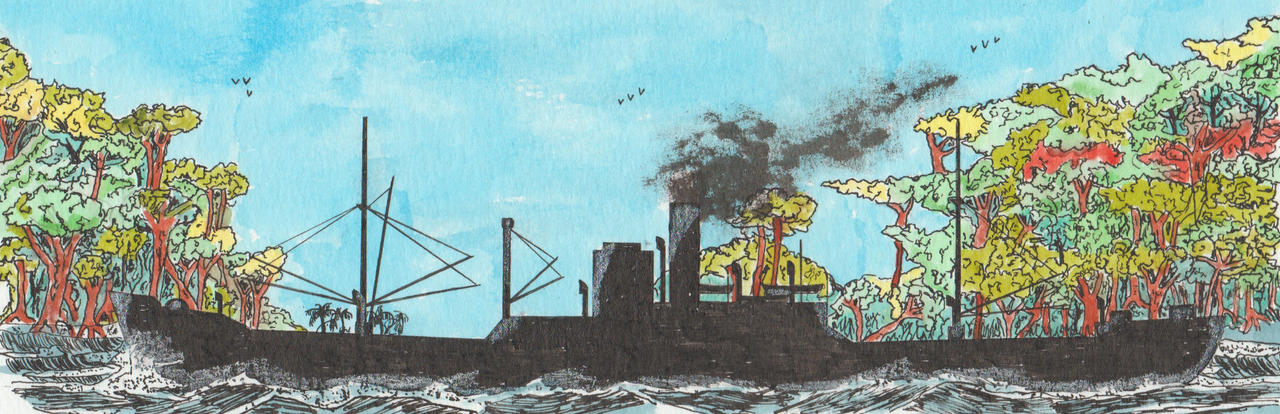
©Warshipsresearch.blogspot.com
Similar Kikukawa Maru (1936), Kirikawa Maru (1937), Matukawa Maru/Matsukawa Maru (1938), Momokawa Maru (1939), Nippo Maru (1936), Toei Maru (1936) and Toho Maru (1937). Call sign JYTL. Owner Toho Kisen K.K., Kobe, Japan. Laid down by Kawasaki Dockyard Co., Kobe, Japan with yard number 619 in 1937, launched in 1937, completed in February 1938, requisitioned by the army as transport alloted army No. 516 between 1 November 1993-1 April 1940, requisitioned by the army and became an army repair ship on 10 September 1941, torpedoed by the American submarine USS Thresher (SS-200) in the Luzon Strait, around 75 miles north of Luzon, Philippines in 15 January 1944 and sunk next day. Gross tonnage 4,092 tons, under deck ? tons, net tonnage 1,938 tons and as dimensions 354.4 x 50.0 x 27.6 x 8’6” (light)-23” (loaded) feet. Steam turbine propulsion, horsepower 33 nhp, one screw, coal bunker capacity 1,000 tons and range 10,000 nautical miles/12 knots and speed 12-14 (normal cruising)-16 (maximum) knots.
E.I.C.-chamber Zealand, on stocks by Cornelis Speldernieuw sr. at E.I.C-yard at Middelburg, Netherlands 1666, launched on 9 October 1668, dimensions 141 x 34 x 14 feet.
Sources
Kort gevat Jaarboek van de Edele Geoctroyeerde oost-indische compagnie der vereenigde Nederlanden ter kamer van Zeeland. Middelburg, 1759.
Archive V.O.C. 1602-1811 inv.no. 11048. Kort gevat Jaarboek van de Edele Geoctroyeerde Oost-Indische Compagnie tec. Christiaan Sigismund Matthaeus, Jan Dane, Middelburg, 1759.
F.W. van Stapel. Beschrijving van de O.I. Compagnie.
E.I.C.-chamber Zealand, on stocks by Cornelis Speldernieuw sr. at E.I.C-yard at Middelburg, Netherlands 1667, launched on 8 May 1668, dimensions 160 x 38 x 18 feet, with ‘lastbalken’.
Sources
Kort gevat Jaarboek van de Edele Geoctroyeerde oost-indische compagnie der vereenigde Nederlanden ter kamer van Zeeland. Middelburg, 1759.
Archive V.O.C. 1602-1811 inv.no. 11048. Kort gevat Jaarboek van de Edele Geoctroyeerde Oost-Indische Compagnie tec. Christiaan Sigismund Matthaeus, Jan Dane, Middelburg, 1759.
F.W. van Stapel. Beschrijving van de O.I. Compagnie.
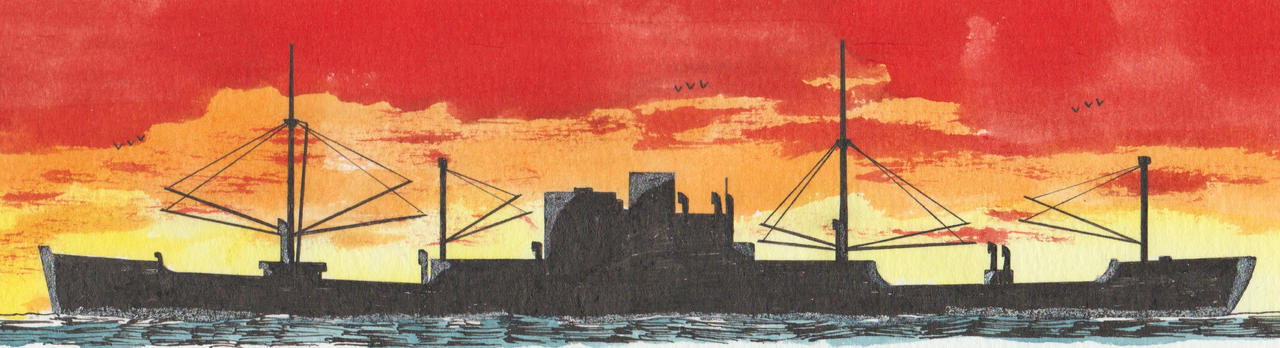
©Warshipsresearch.blogspot.com
Similar Kamogawa Maru (1938), Keiyo Maru (1937), Sinko Maru (1935), Tamagawa Maru (1938), Yamagiri Maru (1938), Yamazuki Maru (1937), Yodogawa Maru (1938) and Zenyo Maru (1937). Call sign JLNM. Owner in 1939 Yamashita Kisen K.K., Tokyo, Japan Laid down by Mitsubishi Jukogyo K.K., Yokohama, Japan on 6 December 1937, launched on 13 May 1938, completed on 2 July 1938, requisitioned by the navy as transport on 5 September 1941, converted into an auxiliary transport by Mitsubishi Heavy Industries Shipyard between 3-15 October 1941, sunk in the Repair Anchorage, north of Fefan Island, Truk in an American air attack on 17 February 1944 and stricken on 31 March 1944. Gross tonnage 6,438 tons, net tonnage 4,823 tons and as dimensions 439.4 x 58.3 x 32.0 x 9.6 (light)-26 (loaded) feet. Horsepower 1,165nhp/4,700 bhp, one screw, 110rpm=14 knots, 1333rpm=17 knots, fuel oil bunker capacity including deep tanks 2,700 tons, range 47,000 nautical miles/14 knots and speed 14/15(normal cruising)-17-19 (maximum) knots.
An item reported the arrival at Hull, England of the whaler Brothers on 1 August 1815, master Bruce, coming from Greenland.
Source
Lloyd’s List dated London, England Friday 4 August 1815
An item reported the arrival at Hull, England of the whaler Sisters on 31 July 1815, master Rose, coming from Greenland
Source
Lloyd’s List dated London, England Friday 4 August 1815
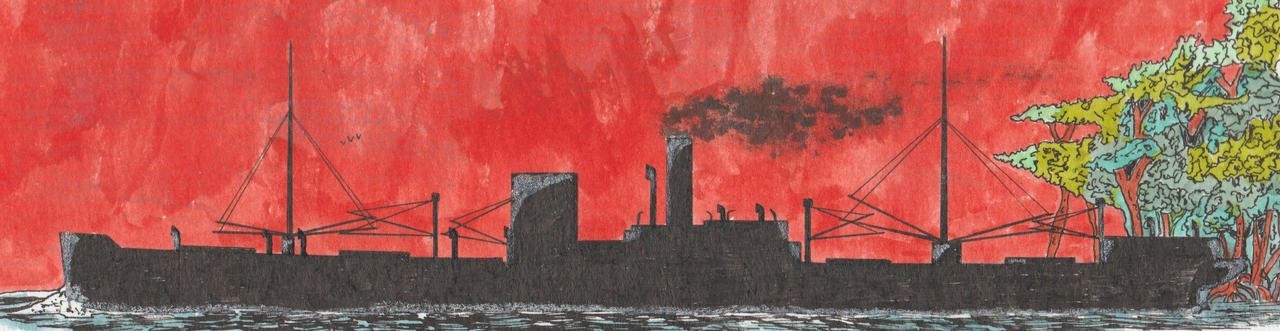
©Warshipsresearch.blogspot.com
Similar Hakusika Maru (1917) and Meiu Maru (1918). Call sign JFVD. Owner in 1939 Taisho Kaiun K.K., managers Meiji Kaiun K.K., Dairen, Japan. Built by Uraga Dock Co. Ltd., Uraga, Japan in September 1918 and torpedoed an sunk by the American submarine USS Silversides (SS-236) on the position 03.52 North and 153.56 East on 20 January 1943. Gross tonnage 8,230 tons, under deck 7,815 tons, net tonnage 5,115 tons and as dimensions 445.0 x 58.0 x 40.0 x 9.6 (light)-28.6 (loaded) feet. Reciprocating propulsion, 2 screws, horsepower 704 nhp, coal bunker capacity 3,500 tons, range 19,500 nautical miles/10 knots and speed 10 (normal cruising)-12 (maximum) knots.
Mentioned in 1752.
Source
A. Marques Esparteira. Catalogo dos navios brigantinos (1640-1901). Lisboa, 1976.
First mentioned in 1749, lost in 1750.
Source
A. Marques Esparteira. Catalogo dos navios brigantinos (1640-1901). Lisboa, 1976.

On stocks at the navy yard at Amsterdam, Netherlands June 1818, launched on 16September 1822 at 13.30 o‘clock, razed as 28 guns frigate 1836, sold to be broken up 1847 and an armament of 44 guns.
In the British War Cabinet meeting of 2 May 1917 was again the building of mammoth merchant ships discussed; see also War Cabinet 126 Minute 6. Lord Curzon wrote a proposal to built such a ship. The idea was to built maximum 10 of such ships waiting for the appointment of major-general Sir E. Geddes.(1)
Note
1. This must be Sir Eric Campbell Geddes (26 September 1875 British India-22 June 1937), Minister of Transport between 19 May 1919-7 November 1921 and First Lord of the Admiralty between 17 July 1917-10 January 1919.
Source
The National Archives, Kew Gardens, England, CAB 23-2-48
Commandeur Meyer Melberse Both. Bound for Greenland with a hired ship [the Disco] with 6-7 boats. Left for Greenland on 17 April 1768, returned on 10 August with 3 whales 60 quardelen blubber although is stated ‘lost’? (1). Director Cornelis Welbo(e)ren, Zaandam, Netherlands. Bought for 5 guilders, at stroke 9 guilders by the widow Siewert van Mayzik.(2)
Notes
1. The Dutch newspaper Oprechte Haerlemsche Courant dated 19 December 1769 announced the sale of several ships lying at the shipyard De Noordkaap, Oostzaandam, Netherlands including the hull of the 2-decks fluyt ship Disco, dimensions 111 x 29 1/2 x 12 1/2 x 7 (deck) feet, built in 1762 being a Greenland whaler.
2. Museumshaus4 calls him Weyert Melcherst Bot and stated that he between 1742-1768 26 voyages as commandeur made, between 1742-1748 for director Mentet Haykens of Emden, Germany and since 1750 for Dutch directors at Zaandam and Amsterdam.
Sources
De Maandelykse Nederlandsche Mercurius, 1768.
List of Dutch and German Greenland whalers in 1756.
Heimatverein-Borkum, Museumshaus4.
Ulsamer, Gregor. Borkumer auf Walfang. Nach den Logbüchern des Commandeurs Roelof Olferts Meeuw.
Fluyt ship. Commandeur Hans Jacobsz. Built in 1752. Dimensions 110 x 28.6 x 12.5 x 7 feet. Bound for Greenland. Costs fitting out and repairs for buyer. With 6-7 boats. DirectorFrederik de Harder at Amsterdam, 275 guilders in stroke 18 guilders, not sold.(1)
Note
1. Greenland commandeur for Fredrik de Harde, Amsterdam between 1756-1768, lost in 1768.
Sources
De Maandelykse Nederlandsche Mercurius, 1768.
Alphabetische naam-lyst van alle de Groenlandsche en Straat-Davidsche Commandeurs die sedert het jaar 1700 op Groenland en sedert het jaar 1719 op de Straat Davis etc. Gerret van Sant. Published by Johannes Enschede, Amsterdam 1770, with hand written note until 1794.
Fluyt ship. Built in 1742. Commandeur Dirk Cornelisz Hogerduyn. Dimensions 110 1/4 x 28.8 feet. Berthed at Amsterdam, bound for Greenland. Costs fitting out and repairs for buyer. With 6-7 boats. Director Niolaas de My. 125 guilders at stroke 25 guilders, not sold. (1)
Note
1. Greenland commandeur between 1760-1773, 1768 for Nicolaas de Myn, Amsterdam, catch results 3 whales-100 barrels blubber-149 quardelen whale oil.
Sources
De Maandelykse Nederlandsche Mercurius, 1768.
Alphabetische naam-lyst van alle de Groenlandsche en Straat-Davidsche Commandeurs die sedert het jaar 1700 op Groenland en sedert het jaar 1719 op de Straat Davis etc. Gerret van Sant. Published by Johannes Enschede, Amsterdam 1770, with hand written note until 1794.
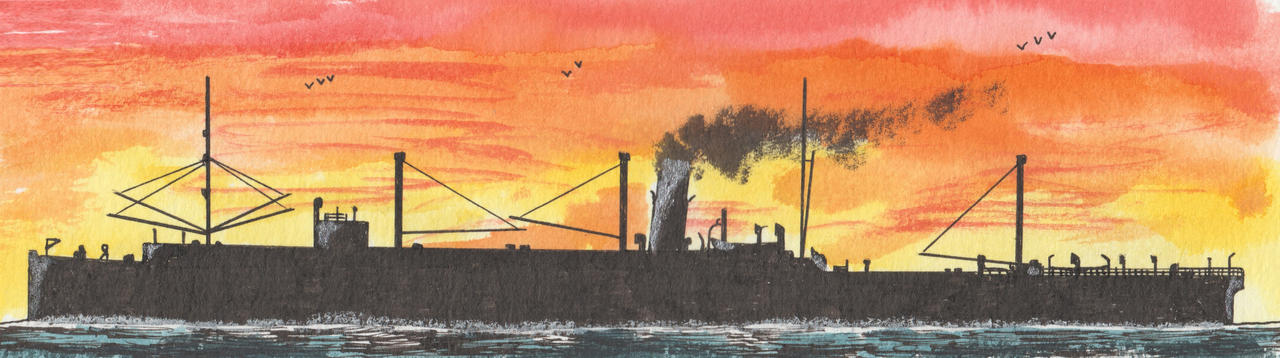
©Warshipsresearch.blogspot.com
Call sign LDIB. Owner in 1939 Hvalfangstslsk Finnhval A/S and managers Yngvar Hvistendahl. Homeport Oslo, Norway. Launched by Harland&Wolff Ld., Belfast, Northern Ireland with yard number 333 on 17 March 1900, shipwrecked on the British south coast in 1907, broken into two parts was a new bow section connected to the saved stern section and completed in 1908, converted at Kiel, Germany into a whaling factory ship, interned at Gotenburg, Sweden in 1940, tried to escape on 31 March-1 April and scuttled by her own crew to prevent capture by the Germans on 1 April 1942. Gross tonnage 12,358 tons, under deck 9,045 tons, net tonnage 7,276 tons and as dimensions 550.0 x 63.3 x 39.9 feet.
An item dated Amsterdam, Netherlands 23 April reported the departure to Greenland of the Dutch Greenland commandeur Fredrik Carthens.(1)
Note
1. Greenland commandeur between 1739-1749 for director Jan Louwe junior, Zaandam, Netherlands total catch results 39 whales-1,061 barrel blubber-1,724 quardelen whale oil, in 17491.5-44-70. Alphabetische naam-lyst van alle de Groenlandsche en Straat-Davidsche Commandeurs die sedert het jaar 1700 op Groenland en sedert het jaar 1719 op de Straat Davis etc.Gerret van Sant. Published by Johannes Enschede, Amsterdam 1770, with hand written note until 1794.
Bookkeeper Jan Zeelen Dirksz, Rotterdam
1720
Whales 0 Barrels 0
Bookkeeper Nicolaas Montaban, Rotterdam
1721
Whales 5 Barrels blubber 170
1722
Whales 1 Barrels blubber 40
Total
Whales 6 Barrels blubber 210
Source
Alphabetische naam-lyst van alle de Groenlandsche en Straat-Davidsche Commandeurs die sedert het jaar 1700 op Groenland en sedert het jaar 1719 op de Straat Davis etc. Gerret van Sant. Published by Johannes Enschede, Amsterdam 1770, with hand written notes until 1794.
Bookkeeper Leendert Witte, Amsterdam.
1722
Whales 2 Barrels blubber 85
1723
Whales 3 Barrels blubber 150
1724
Whales 0 Barrels blubber 0
1725
Whales 0.5 Barrels blubber 25
Total
Whales 5.5 Barrels blubber 260
Source
Alphabetische naam-lyst van alle de Groenlandsche en Straat-Davidsche Commandeurs die sedert het jaar 1700 op Groenland en sedert het jaar 1719 op de Straat Davis etc. Gerret van Sant. Published by Johannes Enschede, Amsterdam 1770, with hand written notes until 1794.
An item dated Amsterdam, Netherlands 4 October reported the arrival on 3 October of the Dutch Greenland commandeur Jan C. Buys 2 whales 70 quardelen.
Note
1. Greenland commandeur between 1732-1762, total catch results 89 1/4 whale-3,135 barrels blubber-4,655 quardelen whale oil, in 1747 for directors Egbert and Anthony van den Berg, Amsterdam results 2-70-97. Alphabetische naam-lyst van alle de Groenlandsche en Straat-Davidsche Commandeurs die sedert het jaar 1700 op Groenland en sedert het jaar 1719 op de Straat Davis etc. Gerret van Sant. Published by Johannes Enschede, Amsterdam 1770, with hand written note until 1794.
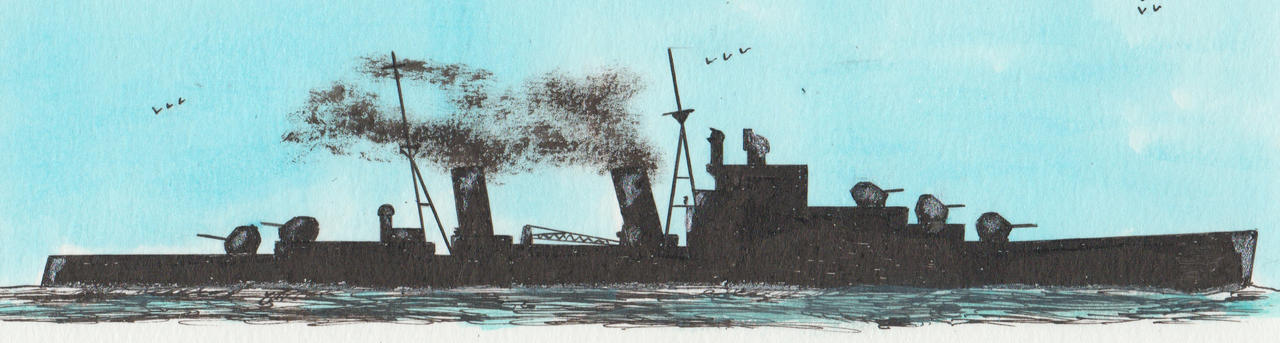
Dido-class. ©Warshipsresearch.blogspot.com
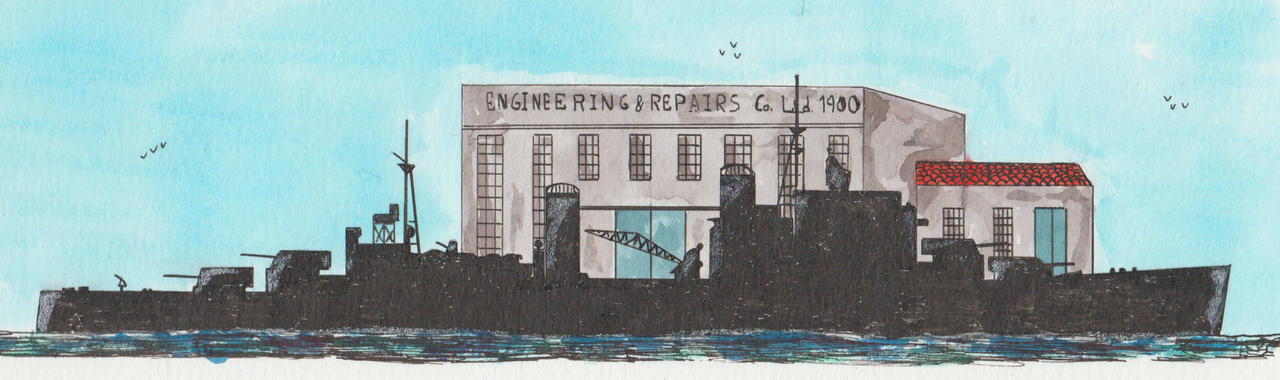
Crown Colony-class cruiser©Warshipsresearch.blogspot.com
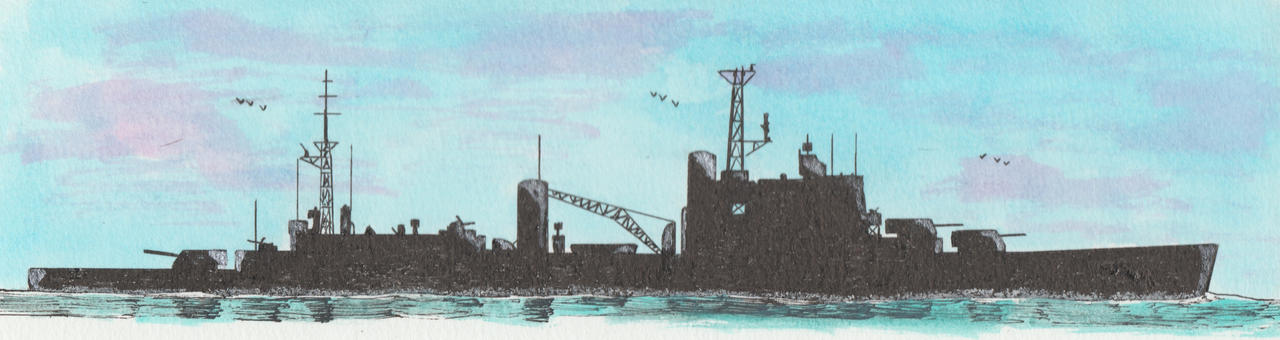
HMS Newfound, Ceylon group. ©Warshipsresearch.blogspot.com
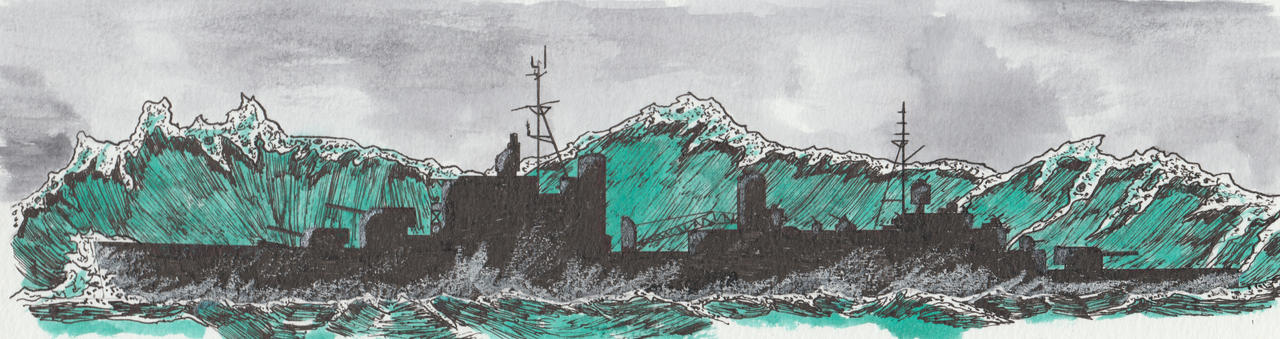
HMS Swiftsure, Minotaur-class. ©Warshipsresearch.blogspot.com
Part of Crown Colony-, Colony- or Fiji-class preceded by Dido- and Town-class succeeded by Minotaur-class. The Ceylon-group of this class was slightly modified and armed with 3x3-15.2mc/6” guns instead of 4x3-15.2cm/6” guns. Pennant 66 and C66 in Canadian service. Ordered in 1939, laid down by Vickers-Armstrong, Newcastle, England on 20 July 1939, launched on 7 August 1941, commissioned on 3 January 1943, handed over to the Royal Canadian Navy on 21 October 1944, recommissioned and renamed HMCS Quebec on 14 January 1952, decommissioned on 15 June 1956 and arrived at Osaka, Japan on 6 February 1961 to be broken up.
An item referring to the German magazine Schiffbau dated 19 November 1924 reported that Japan was interessed in three types of submarines of which one of the Flamm type with a displacement of 3,000-7,500 tons. Ocean going and protected against gunfire, aircaft bombs and submerged weapons. To be armed with at least 2-20cm guns, to carry 40 torpedoes with her and with a range of around 25,000 nautical miles. The living accommodation on board allowed a stay of several months at sea. The submarines were such to be constructed that a large diving depth would become possible. This magazine wrote that Japan received drawings from Flamm for a 7,000 tons armoured submarine armed with 2-20cm guns. However the editors doubted if Japan would spend such high building costs for a experimental submarine. On the other hand were rumors that Japan was building of one or more submarines of 3,000 tons displacement conform Flamms’ stability principles make it possible to mount heavy weights on deck without disturbing the stability while submerged.
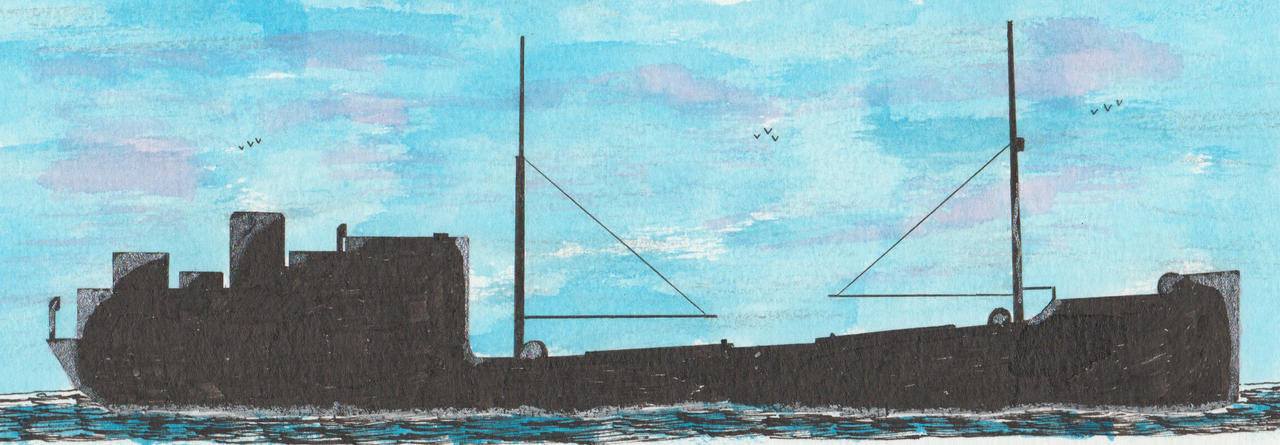
1950s appearence©Warshipsresearch.blogspot.com
Part of Ayan-class. Served between 1937-1939 in the Far East Shipping Company, during the Second World War was this transport converted into a minelayer and part of the Pacific Fleet. Part of the Pioner- class coastal diesel cargo schooners built by Odessa Works. Ayan,Serp, Molot and Gizhaga were all used as coastal minesweepers. Length 242.8 feet.
Source
Far Eastern Sighting Guide ONI-F-31 FE
Jane’s Fighting Ships several editions.
Budzbon, Prezemyslaw. Warships of the Soviet Fleet 1939-1945, Vol I-III.
Meister, Jürg. Soviet warships of the Second World War.
Rohwer, Jürgen. Stalin’s Ocean-going fleet.
According to a list of the Italian Department for transport over sea and by rail was she lost on 27 May due to bombs on the location Yembra. Tonnage 106 tons.
Source
Bundesarchiv RM 20/728.
©Warshipsresearch.blogspot.com
List of planning with deadlines for new construction of warships dated Berlin 22 May 1944. Built in South France. Date building ordered 15 April 1944. Date completion January 1945.
Source
Deutsches Historisches Institut Moska. Records 500 findbuch 12453-file 152.
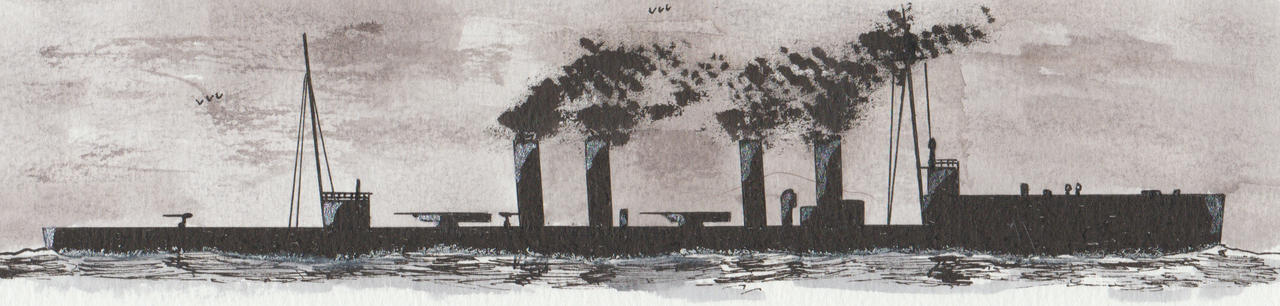
Flusser, Smith-class. ©Warshipsresearch.blogspot.com
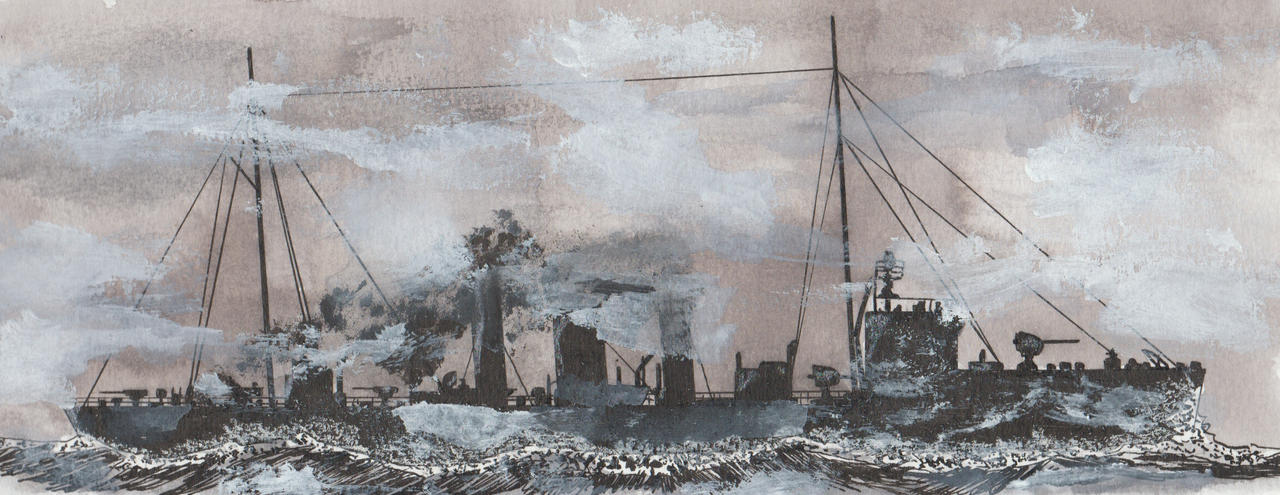
Roe, Paulding-class. ©Warshipsresearch.blogspot.com
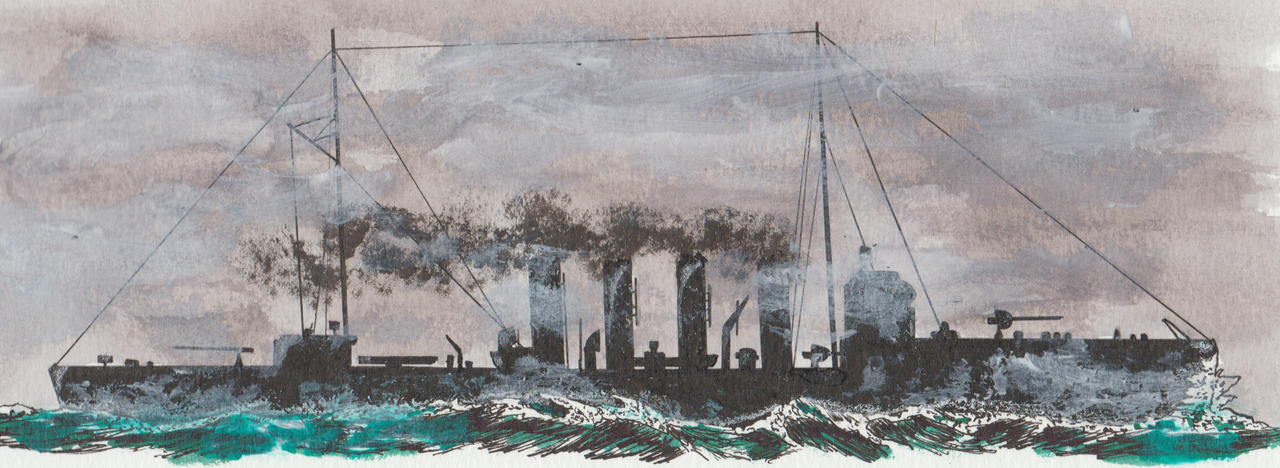
Duncan, Cassin-class. ©Warshipsresearch.blogspot.com
Part of Paulding-class (DD 22-42) preceded by Smith-class succeeded by Cassin-class. Some times DD 24-28, 30-31, 33 and 36 are considered as the Roe-class and DD 32,35 and 38-42 as Monaghan-class. Silhouettes differs while the DD 24-27, 30-32, 34, 36-37 and 40 possessed 3 instead of 4 funnels, with the middle funnel being larger with two boiler uptakes trunked together. The edition Jane’s Fighting Ships of World War I called the class instead of Paulding-class the Drayton-class which was unofficially also known as the Flivver Type. Laid down by Fore River Shipbuilding Company, Quincy, Massachusetts, USA on 22 March 1909, launched on 9 April 1910, commissioned on 18 November 1910, decommissioned on 5 December 1919, stricken on 8 March 1935 and sold to be broken up on 28 June 1935.
According to a list of the return of the disposition in the Black Sea on 28 October 1854 drawn up by Captain and Principal Agent of Transports P. Christie, “Melbourne”, Balaklava, Crimea: number transport 54, present position Balaklava, remarks discharging ordnance stores. The Crimean War found place between 16 October 1853-30 March 1856 between Ottoman Empire, France, United Kingdom and Sardinia at one side and Russia and Greece on the other side. The British Government chartered a large number of merchant ships for transporting troops and stores.
Source
Reports from Committees: eight volumes. 3-Part II. Army before Sebastopol. Session 12 December 1854-14 August 1855. Vol. IX-Part II.
According to a list of the return of the disposition in the Black Sea on 28 October 1854 drawn up by Captain and Principal Agent of Transports P. Christie, “Melbourne”, Balaklava, Crimea: number transport 53, present position Eupatoria, remarks waiting for orders. The Crimean War found place between 16 October 1853-30 March 1856 between Ottoman Empire, France, United Kingdom and Sardinia at one side and Russia and Greece on the other side. The British Government chartered a large number of merchant ships for transporting troops and stores.
Source
Reports from Committees: eight volumes. 3-Part II. Army before Sebastopol. Session 12 December 1854-14 August 1855. Vol. IX-Part II.
PS 44. ©Warshipsresearch.blogspot.com
Operated by the Maritime Safety Board.
Length about 147.6 feet
An item reported the arrival at Hull, England of the whaler Cyrus on 31 July 1815, master Beadling?, coming from Greenland
Source
Lloyd’s List dated London, England Friday 4 August 1815
An item reported the arrival at Hull, England of the whaler Everthorpe on 31 July 1815, master J. Hawkins, coming from Greenland. Tonnage 349 tons. Lloyds Register reported Davis Strait.
Sources
Lloyd’s List dated London, England Friday 4 August 1815
Lloyds Register 181
©Warshipsresearch.blogspot.com
Similar Kamogawa Maru (1938), Keiyo Maru (1937), Sinko Maru (1935), Tamagawa Maru (1938), Yamagiri Maru (1938), Yamazuki Maru (1937), Yodogawa Maru (1938) and Zenyo Maru (1937). Call sign JVZM. Owner in 1939 Toyo Kaiun K.K., Toky, Japan. Laid down by Mitsubishi Jukogyo K.K., Yokohama, Japan on 28 May 1938, launched on 22 September 1938, completed on 1 December 1938, requistioned by the army as Allotted IJA No. 960 on 13 October 1941 and sunk by the American submarine USS Seadragon (SS-194) off Cape Bolinao, Luzon, Philippines on 2 February 1942.Gross tonnage 6,441 tons, under deck 5,757 tons, net tonnage 4,814 and as dimensions 439.4 x 58.3 x 32.0 x 9.6 (light)-26 (loaded) feet. Horsepower 1,165nhp/4,700 bhp, one screw, 110rpm=14 knots, 1333rpm=17 knots, fuel oil bunker capacity including deep tanks 2,700 tons, range 47,000 nautical miles/14 knots and speed 14/15(normal cruising)-17-19 (maximum) knots.


