Translate

Sunday, 4 October 2026

Enemy submarines harassing Aruba-Curacao area, Dutch West Indies according to the U.S. Joint Intelligence Committee. Daily summary dated 20 February 1942

An item reported that the J.I.C. denied reports that Aruba was shelled on 19 February and ships torpedoed in the vicinity of Aruba. Air and sea measures were taken to secure all traffic within the Aruba-Curacao area, Dutch West Indies.

Note

1. In the night of 15-16 February attacked the German submarine U-156 with gunfire and torpedoes the oil refineries at Aruba and oil tankers lying off the coast. 

Source

Map Room Papers (Roosevelt Administration), 1942 - 1945. MR0423. U.S. Joint Intelligence Committee. Daily summary No. 72 dated 20 February 1942

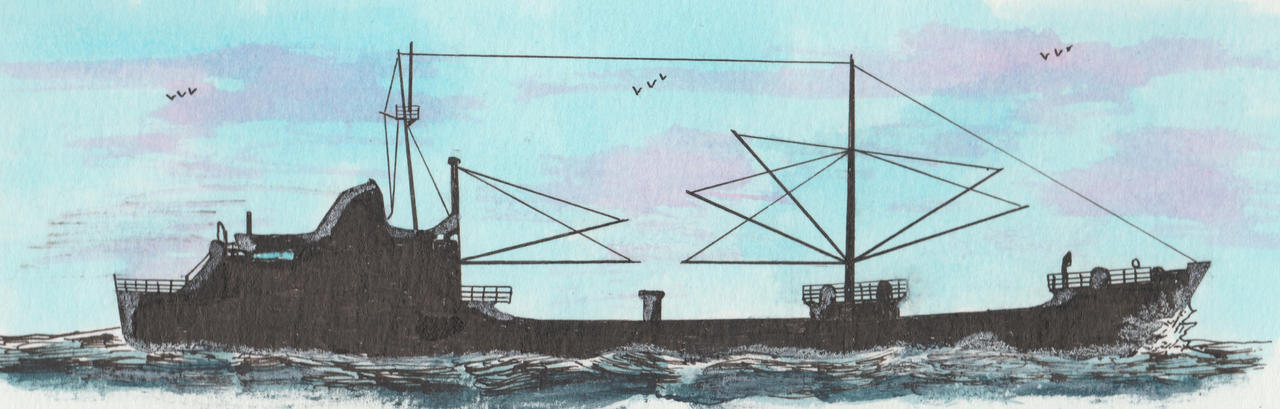
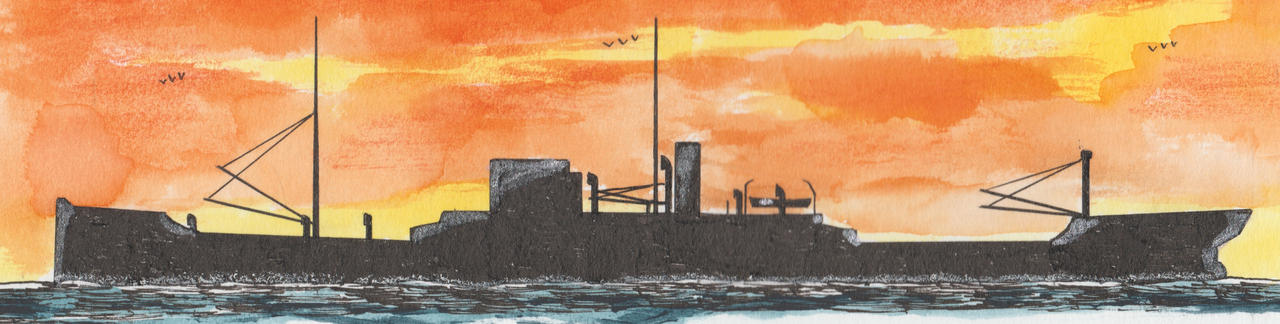
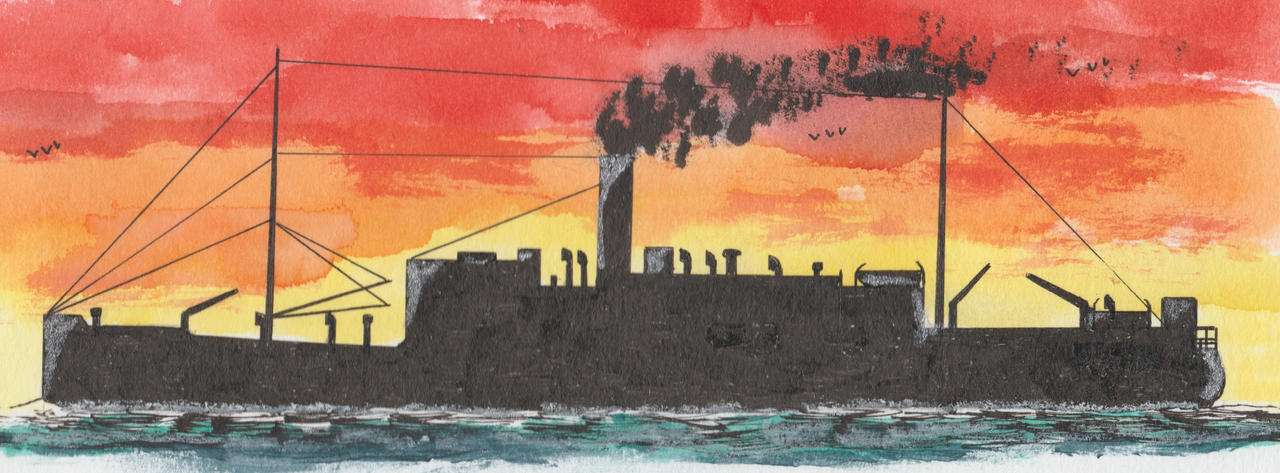
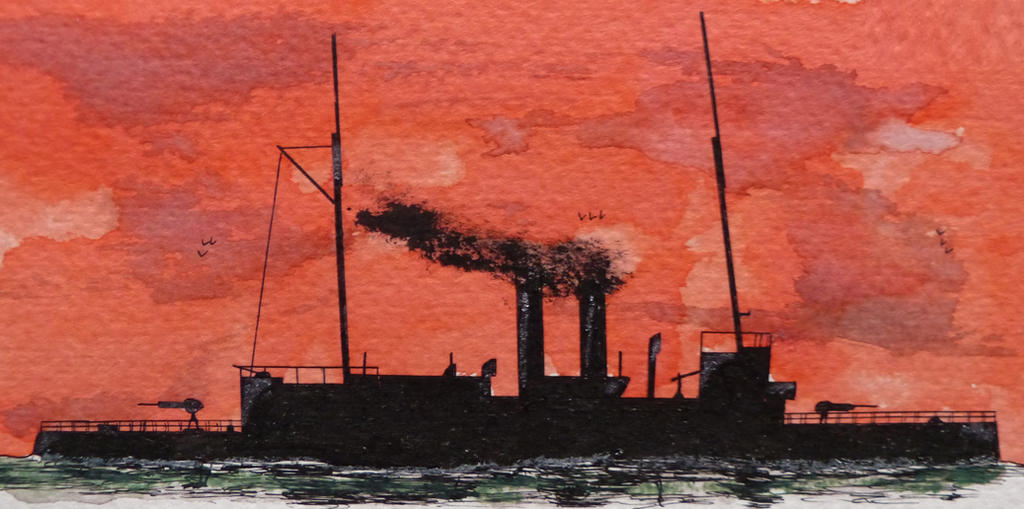
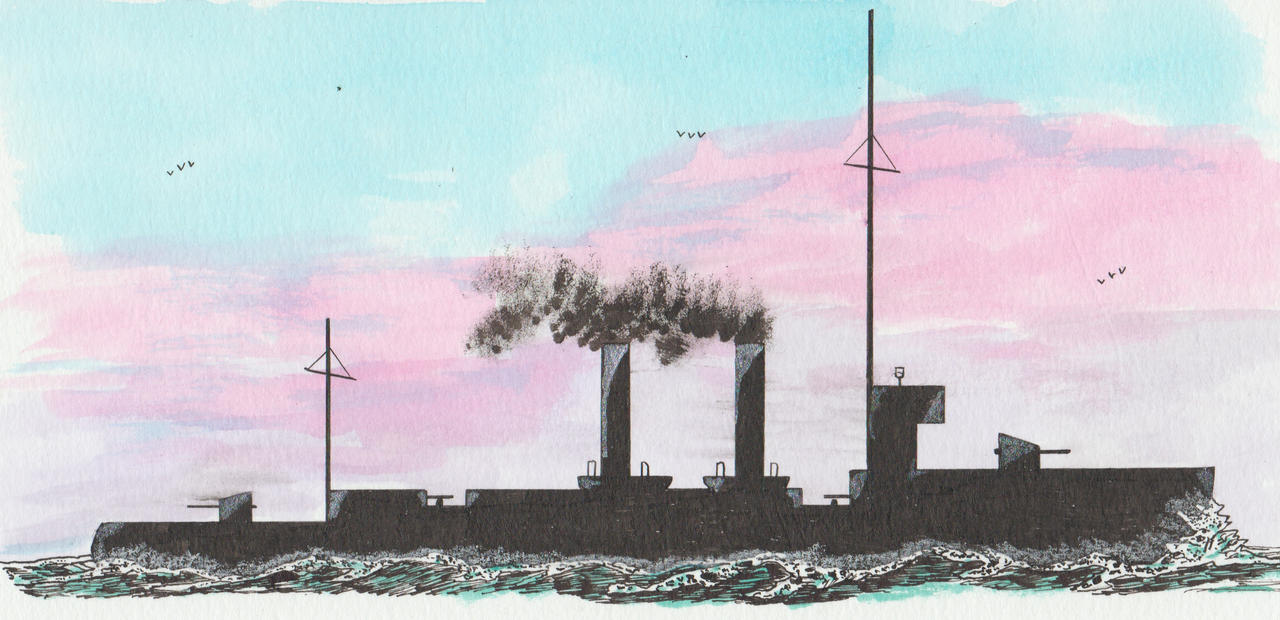
Russian dry cargo carrier Belogorsk 1956-

©Warshipsresearch.blogspot.com

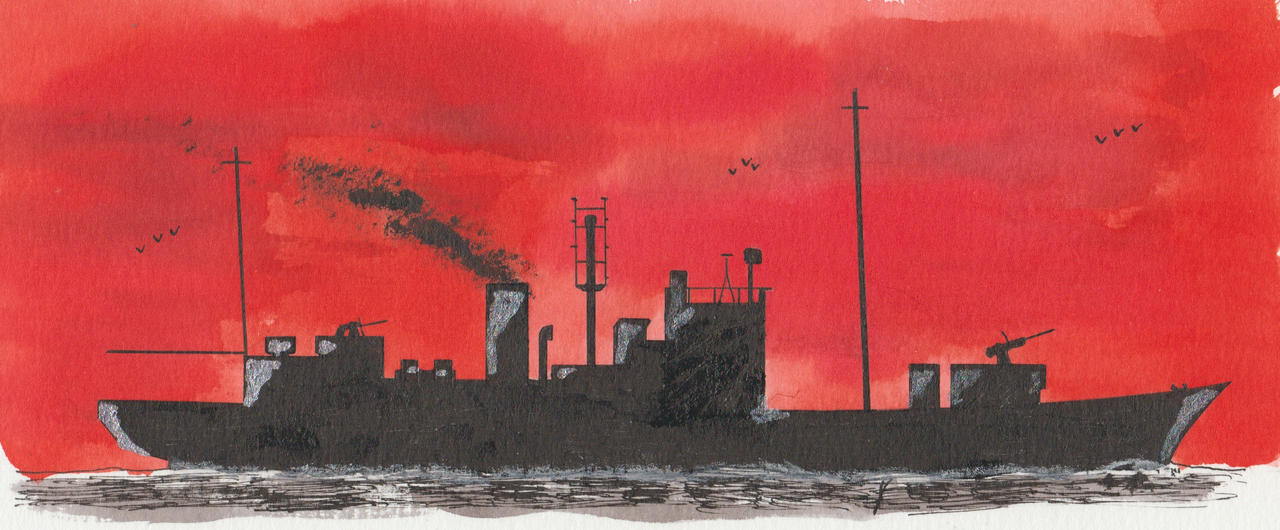
Part of Telnovsk- or alsoknown as Tissa-class. Project 650. Built in Hungary in 1956. Principal dimensions 64.6 (between perpendiculars)-70.2 (over all) x 10.0 (moulded) x 5.3 (depth to main deck) x 15.0 (height of mast acorn above main deck) feet. For more details see also Hungarian Ships History

American whaler Robert Morrison spoken according to the newspaper The Polynesian dated 8 October 1853

An item reported that the American whaling barque Pioneer arriving at Honolulu, Hawaii on 5 October departed from the Arctic 26 August spoke since 20 August the American whaler Robert Morrison 5 whales.

Russian trawler Kapitan Sokolov MK 27434 2018-

Facebookpage Under Broen

Great Belt Bridge 2 October 2026

Russia-flagged, IMO 9873773, MMSI 27321340 and call sign UBVT4. Project 170701 for the Norebo Group. Laid down by Severnaya Verf (Northern Shipyard) odfUnited Shipbuilding Corporation (YSC) in November 2018.

American whaler Parachute spoken according to the newspaper The Polynesian dated 8 October 1853

An item reported that the American whaling barque Pioneer arriving at Honolulu, Hawaii on 5 October departed from the Arctic 26 August spoke since 20 August the American whaler Parachute 1 whale.

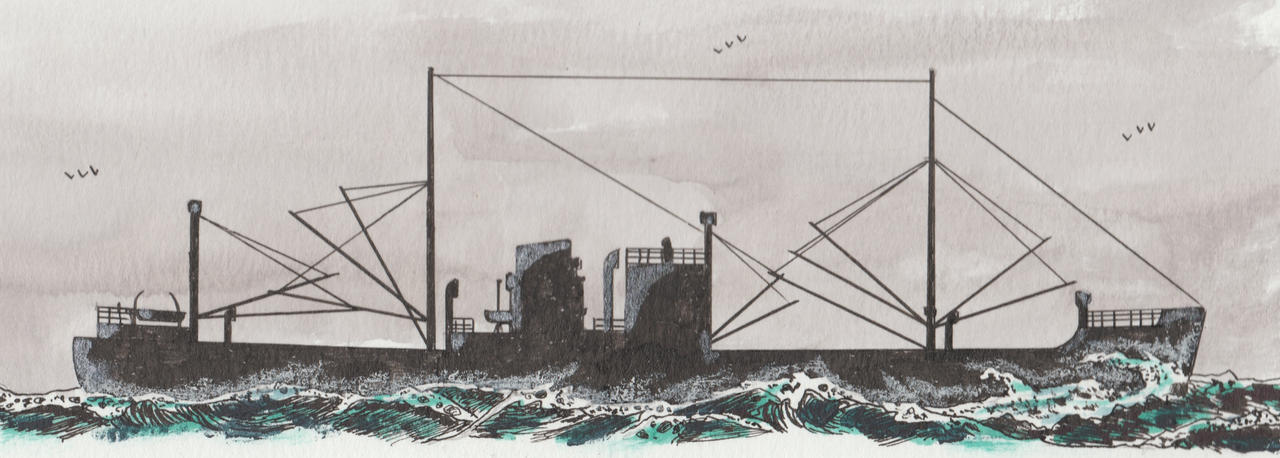
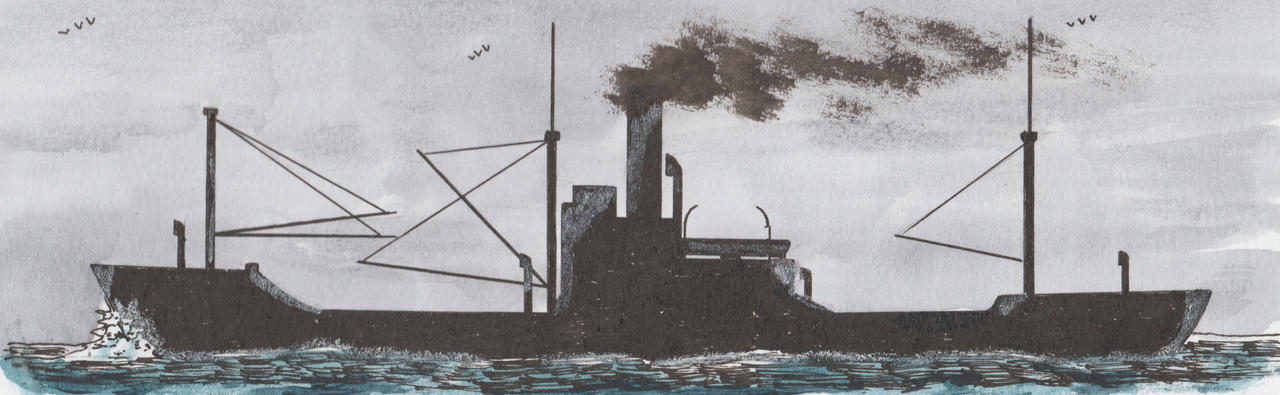
Russian dry cargo carrier Kovel 1958-

Sister ship Andizhan©Warshipsresearch.blogspot.com

Part of Andizhan-class/Design 251/Project 1850. Built by VEB Schiffswerft Neptun, Rostock, German Democratic Republic (GDR) or East Germany in 1958. Principal dimensions 95.81 (between perpendiculars)-104.2 (over all) x 11.40  (moulded) x 7.92 (depth to main deck) x 22.0 (height of mast acorn above main deck) feet. 

American whaler Gratitude spoken according to the newspaper The Polynesian dated 8 October 1853

An item reported that the American whaling barque Pioneer arriving at Honolulu, Hawaii on 5 October departed from the Arctic 26 August spoke since 20 August the American whaler Gratitude 1 whale.

American whaler California spoken according to the newspaper The Polynesian dated 8 October 1853

An item reported that the American whaling barque Pioneer arriving at Honolulu, Hawaii on 5 October departed from the Arctic 26 August spoke since 20 August the American whaler California 5 whales.

Russian dry cargo carrier Haapsalu 1960-

Sister ship Tartu©Warshipsresearch.blogspot.com

Built by Hungarian Shipyard&Crane Factory (Ganz-Danubius), Budapest, Hungary in 1960. Part of Tartu-clas. Principal dimensions 67.00 (between perpendiculars)-74.54 (over all) x 11.30 (moulded) x 5.32 (depth to main deck) x 24.50 height of mast acorn above main deck) feet. 

American whaler Ansell Gibbs spoken according to the newspaper The Polynesian dated 8 October 1853

An item reported that the American whaling barque Pioneer arriving at Honolulu, Hawaii on 5 October departed from the Arctic 26 August spoke since 20 August the American whaler Ansell Gibbs 4 whales.

American whaler Mary spoken according to the newspaper The Polynesian dated 8 October 1853

An item reported that the American whaler Mary Gardner arriving at Laihana, Hawaii on 5 October departed from the Arctic 10 September spoke the American whaler Mary of Edgartown foul [full?]of the Corinthian and which was considerable damaged in a gale. 

Russian dry cargo carrier Ivan Turgenev 1952-

Sister ship Saltykov-Shchedrin©Warshipsresearch.blogspot.com

Homeport Petropavlovsk-Kamchatsky. Part of Saltyjov-Shchedrin-class trawlers. Built by Josef Boel&Zonen, Boelwerf, Temse, Belgium in 1952. Principal dimensions 85,15 (between perpendiculars)-92.05 (over all) x 13.53 (moulded) x 5.74 (depth to main deck) x 21.00 (height of mast acorn above main deck) feet. Loaded draught 5.37 (fore)-5.91 (aft)-5.65 (mean) metres. Deadweight 2,989 tons, gross tonnage 2,672 tons and net tonnage 1,008 tons. 

The armament of the Dutch merchant ship Fort Nassau in the Second World War

According to the list and supplements 1-2 on 13 September 1945 BDZ No. 673 sent by the office of armament the Royal Netherlands Navy located at 41 East 42nd Street, New York 17, USA. There were no complete records available, so there were several sources used to compile the list. Sometimes the kind of guns gave indirect information regarding the origin such as 4”/BL and 12 pounder guns were British mostly supplied in the United Kingdom, Canada or Curacao. The 4.7” guns were old Japanese guns placed on some vessels in the begin of the war at Singapore and some 4” guns in the same period at Surabaya, Dutch East Indies. The trade in which the ship was used gave also an indication where the guns were supplied, for example involved in the Pacific trade means supplied at the West Coast.

Armed with 8-2cm guns.

Armed with 2-7,62cm/3” 50 Mk. 22 dual purpose guns

Source

Archieven van hoofd handelsbescherming en diverse handelsbeschermingsofficieren 1941-1946 inv.no. 53 (Nationaal Archief, The Hague, Netherlands. 

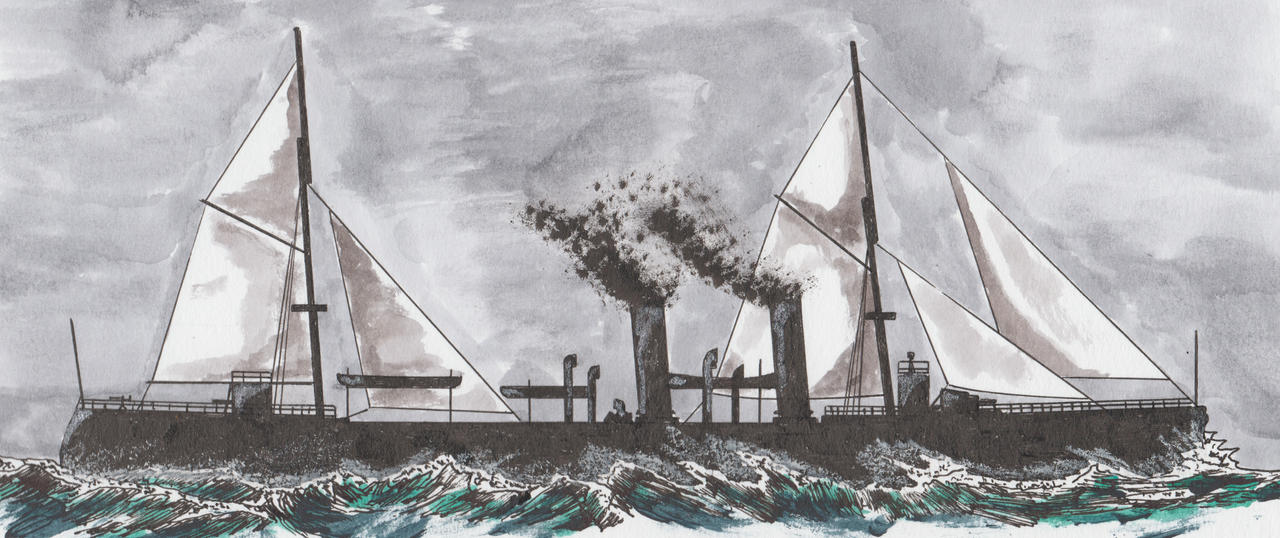
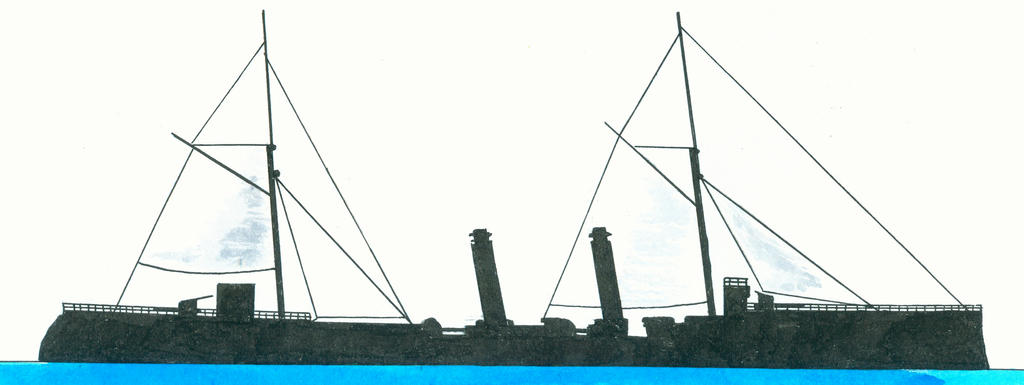
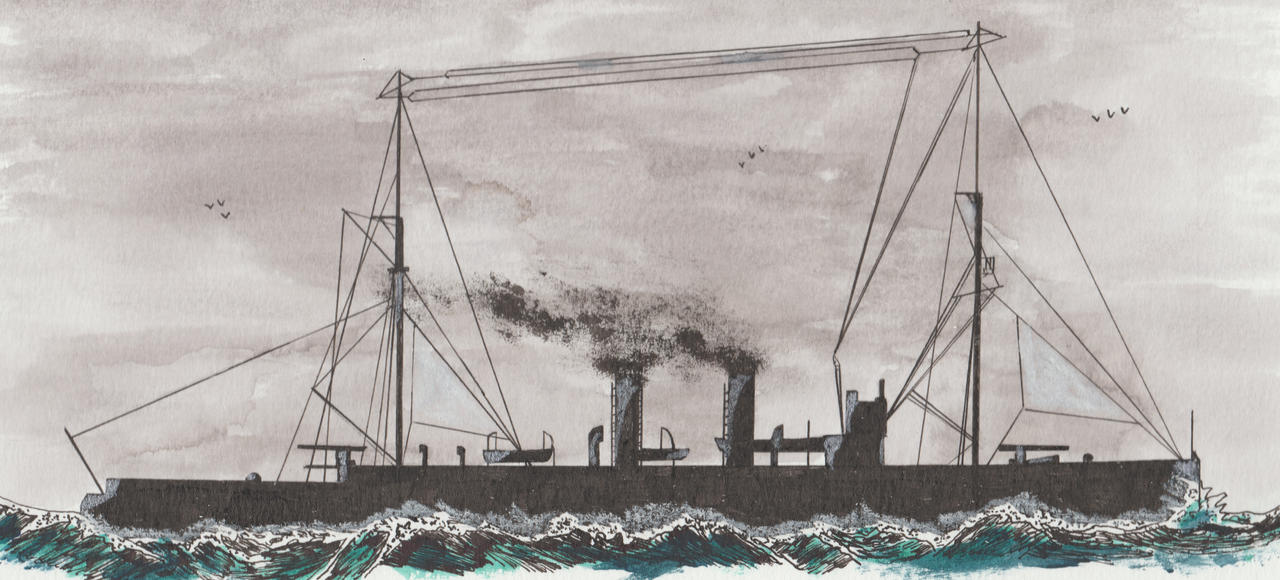
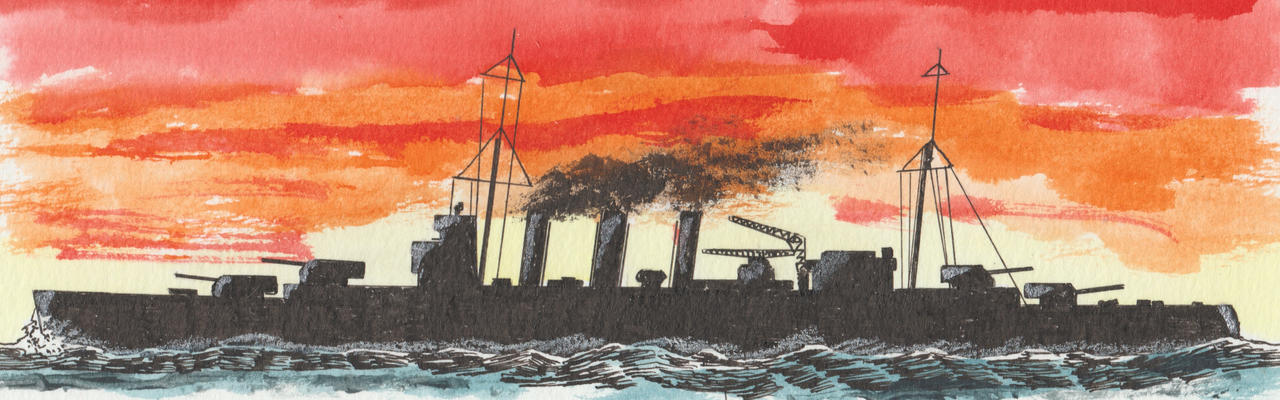
British 2nd class cruiser HMS Medusa 1887-1914

HMS Marathon©Warshipsresearch.blogspot.com

Pearl-class©Warshipsresearch.blogspot.com

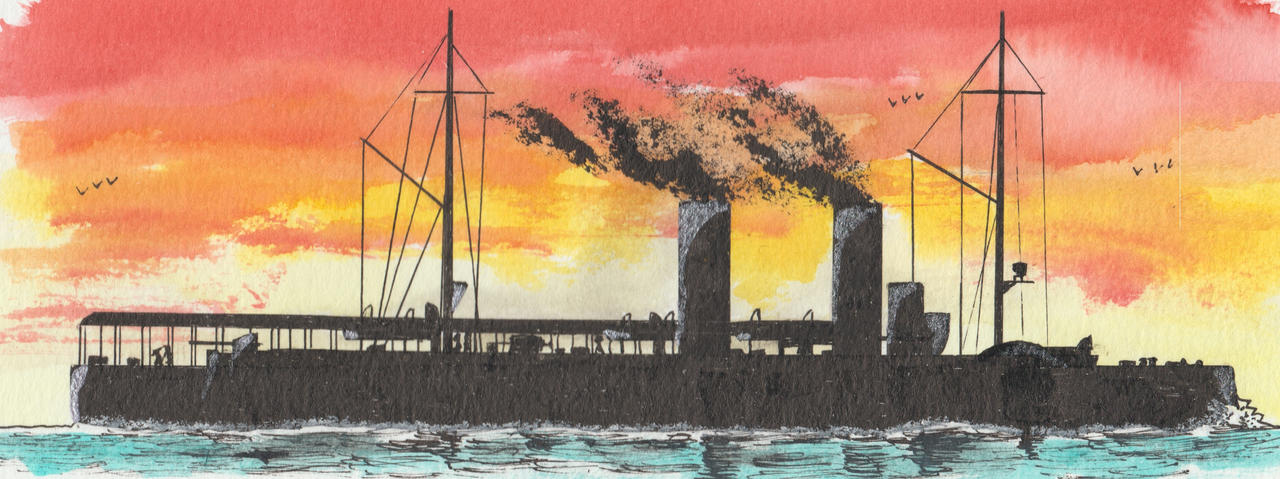
Smaller version of the Mersey-class. Built under the naval programme of 1887. Part of the Marathon or Medea-class preceded by Mersey-class succeeded by Pearl-or Pallas-class. Laid down by Chatham Naval Dockyard on 25 August 1887, launched on 11 August 1888, completed in 1889 and sold on 2 April 1914. 

Whaling tools of Dutch commandeur Dirk Claasen sold at Amsterdam, Netherlands on 9 October 1780

An item mentioned that shipbrokers sold in ‘t Nieuwezys Heeren Loogement, Amsterdam on 9 October 1780 an extra ordinary set of whaling tools of commandeur Dirk Claasen for 3,700 Dutch guilders to J. Vis. (1)

Note

1. Dirk Klaasz, Greenland commandeur between 1760-1780 for Dirk Jansen junior, Amsterdam, 1780: 1 whale-35 barrels blubber-55.5 quardelen whale oil.

Alphabetische naam-lyst van alle de Groenlandsche en Straat-Davidsche Commandeurs die sedert het jaar 1700 op Groenland en sedert het jaar 1719 op de Straat Davis etc. Gerret van Sant. Published by Johannes Enschede, Amsterdam 1770, with hand written notes until 1794.

Source

De Maandelyksche Nederlandsche Mercurius, October1780 1st part.

People in the 17th and 18th centuries held a different geographical view than people today. This means that when we speak of “Greenland whaling”, “the term “Greenland” actually refers to Svalbard, whereas “Davis Strait” refers to whaling off the coast of present-day Greenland. The Davis Strait is a southern arm of the Arctic Ocean that lies north of the Labrador Sea. It lies between mid-western Greenland and Baffin Island in Nunavut, Canada.

Dutch whaler Juffrouw Cathrina sold at Amsterdam, Netherlands on 9 October 1780

An item mentioned that shipbrokers sold in ‘t Nieuwezys Heeren Loogement, Amsterdam on 9 October 1780 the extra ordinary sailing ship de Juffrouw Catharina commandeur Dirk Claasen, built in 1742, dimensions 113.5 x 28.20 x 12.6 z 7 (t V) x 9.5 (S) Amsterdam feet. Sold for 10,600 at stroke 300 Dutch guilders to M. der Kinderen for his master. (1)

Note

1. Dirk Klaasz, Greenland commandeur between 1760-1780 for Dirk Jansen junior, Amsterdam, 1780”: 1 whale-35 barrels blubber-55.5 quardelen whale oil.

Alphabetische naam-lyst van alle de Groenlandsche en Straat-Davidsche Commandeurs die sedert het jaar 1700 op Groenland en sedert het jaar 1719 op de Straat Davis etc. Gerret van Sant. Published by Johannes Enschede, Amsterdam 1770, with hand written notes until 1794.

Source

De Maandelyksche Nederlandsche Mercurius, October1780 1st part.

People in the 17th and 18th centuries held a different geographical view than people today. This means that when we speak of “Greenland whaling”, “the term “Greenland” actually refers to Svalbard, whereas “Davis Strait” refers to whaling off the coast of present-day Greenland. The Davis Strait is a southern arm of the Arctic Ocean that lies north of the Labrador Sea. It lies between mid-western Greenland and Baffin Island in Nunavut, Canada. 

Saturday, 3 October 2026

Philippine tanker (ex-ss War Hermit 1918-1919, ss Anatina 1919-1939) Mindanao 1938-1942 (Palembang Maru 1942-1944)

©Warshipsresearch.blogspot.com

British First World War standard AO-class merchant tanker. USA-flagged. Owner in 1939 Cia. Maritime, Manilla, Philipines, manager Fernandez Hermanos Inc. Launched down by by J. Brown&Co. Ltd., Clydebank, Scotland with yard number 469 on 28 March 1918, completed in April 1918, owner The Shipping Controller, London, England Anglo-Saxon Petroleum Company Ltd., London 1919-1927, M.C. Stray, Christiansand, Norway 1927-1938, sunk by Japanese aircraft on 10 February 1942, salvaged, repaired and renamed Palembang Maru in 1942 and torpedoed and sunk by the American submarine USS Baya off Saigon/Cape Varella, French Indochina on 4 March 1945. Gross tonnage 5,235 tons, under deck 4,764 tons, net tonnage 3,156 tons, deadweight7,680  tons and as dimensions 400.7 x 52.3 x 28.5 x 26 (loaded) feet. Oil fuelled reciprocating propulsion, horsepower 489 nhp and speed 10 (normal cruising)-11 (maximum) knots

British navy used a hydrophone while searching for enemy submarines according to the Kriegsnachrichten of the Chef des Admiralstabes der Marine dated Berlin 23 August 1917

On board of the British drifter Thrive hired by the British Royal Navy at the Oranto Barrage, A rating is to lowering the hydrophone in the water, other crew members are standing by with earphones on. British Imperial War Museum

An item reported that a taken prisoner British naval engineer just the motor boats were fitted out with a hydrophone used when searching for submerged submarines. The hydrophone was made of 3 discs each with a diameter of a foot. When used stopped the motorboat and could identify what kind of propulsion the submarine was using that moment, thumping sound for diesel engines and humming sound for electric propulsion.

Note

1. The Three-Disc C-tube hydrophone like the Shark and Diamond configurations, is a portable passive-living system which was indeed used on board of small and fast vessels like coastal motor boats (CMBs). In 1912 was started with using hydrophones but the performance until mid-1917 was not more as to be called poor. Since then were more effective versions available.

Source

Bundesarchiv RM-40-622

Shipping company Anchor-India Line kept using the Suez Canal according to the Kriegsnachrichten of the Chef des Admiralstabes der Marine dated Berlin 23 August 1917

An item reported that an agent reported 3 August that ships of the merchant shipping company Anchor-India-Line would kept using the Suez Canal and not like other companies via Cape Town, South Africa going to and coming from the Middle East-Far East.

Source

Bundesarchiv RM-40-622

Japanese cargo ship (ex-Katsura Maru 1937-1938) Katura Maru 1938-1943

©Warshipsresearch.blogspot.com

Similar Azusa Maru and Katura Maru. Call sign JNTL. Owner in 1939 Marutatsu Kaiun K.K., Kobe, Japan. Built by Urabe Zosen Tekkoshoin 1937. Identical to the Katura Maru taken over by the navy in November 1941, converted in to the auxiliary gunboat Katsura Maru No. 2 GO, returned to owners in January 1943 and torpedoed and sunk by the American submarine USS S-28 west of Onekotan, Kuril Islands on 19 September 1943? Gross tonnage 1,368 tons, net tonnage 808 tons, deadweight 1,900 tons and as dimensions 228.0 x 34.0 x 19.0 x 7.1 (light)-17.4 (loaded) feet. Reciprocating propulsion, 1 screw, horsepower 118 nhp, coal bunker capacity 205 tons, range 3,400 nautical miles/10 knots and speed 10 (normal cruising)-11 (maximum) knots. 

German blockade runner Cortellazzo homeward bound in 1941-1942

Transport Number -. Name ship Cortellazzo. Company Lloyd Triestino/Hapag= Hamburg-Amerika Linie, Hamburg, Germany. Date departure 16 November 1941. Harbour which was left Dairen. Date arrival 27 January 1942. Harbour of arrival Bordeaux, France.

Source

Bundesarchiv RM 7/1419 Ausarbeitung "Wirtschaftsfahrten im Zweiten Weltkrieg" (Zusammenstellung der Fahrten von Blockadebrechern nach Ostasien, 1941-1945). 

Russian naval officer Vekman according to a report from the Military Observer at Riga, Latvia dated 22 July 1921

The information was received from the Latvian General Staff and considered to be reliable. In fact few was known dealing with the personnel of the Central Institutions except that the majority in authority were former naval officers already officers prior to the First World War. The descriptions of the officers were supplied by a former high officer of the Imperial Russian Navy which now stayed in Latvia. Former senior lieutenant. “Commander of the Ladoga Lake Flotilla (April 1921); fair as an officer; few abilities.”

Source

National Archive. Record Group 165: Records of the War Department General and Special Staffs Series: Security Classified Correspondence and Reports. File Unit. Russia: Navy - MID 2503-16 THRU 2503-265. Roll 1443.

American destroyer USS Ammen DD-35 1910-1934

Flusser, Smith-class. ©Warshipsresearch.blogspot.com

Roe, Paulding-class. ©Warshipsresearch.blogspot.com

Duncan, Cassin-class. ©Warshipsresearch.blogspot.com

Part of Paulding-class (DD 22-42) preceded by Smith-class succeeded by Cassin-class. Some times DD 24-28, 30-31, 33 and 36 are considered as the Roe-class and DD 32,35 and 38-42 as Monaghan-class. Silhouettes differs while the DD 24-27, 30-32, 34, 36-37 and 40 possessed 3 instead of 4 funnels, with the middle funnel being larger with two boiler uptakes trunked together. The edition Jane’s Fighting Ships of World War I called the class instead of Paulding-class the Drayton-class which was unofficially also known as the Flivver Type. Laid down by New York Shipbuilding Company, Camden, New Jersey, USA on 29 March 1910, launched on 20 September 1910, commissioned on 23 May 1911decommissioned on 11 December 1919, transferred to the US Coast Guard on 28 April 1924, commissioned on 22 January 1925, CG-8, decommissioned on 18 May 1931, nameless since 1 July 1933, returned to the US Navy, stricken on 5 July 1934 and sold to Michael Flynn Inc., Brooklyn, New York, USA in 1934. 

British screw steam transport Golden Fleece in the Crimean War on 8 December 1854

According to a list of the return of the disposition in the Black Sea on 8 December 1854 drawn up by Captain and Principal Agent of Transports P. Christie, “Harbinger”, Balaklava, Crimea: number transport 75, present position Balaklava, remarks discharging heavy ordnance. The Crimean War found place between 16 October 1853-30 March 1856 between Ottoman Empire, France, United Kingdom and Sardinia at one side and Russia and Greece on the other side. The British Government chartered a large number of merchant ships for transporting troops and stores.

Source

Reports from Committees: eight volumes. 3-Part II. Army before Sebastopol. Session 12 December 1854-14 August 1855. Vol. IX-Part II. 

British screw steam transport Melbourne in the Crimean War on 8 December 1854

According to a list of the return of the disposition in the Black Sea on 8 December 1854 drawn up by Captain and Principal Agent of Transports P. Christie, “Harbinger”, Balaklava, Crimea: number transport 73, present position Constantinople, remarks receiving new masts. The Crimean War found place between 16 October 1853-30 March 1856 between Ottoman Empire, France, United Kingdom and Sardinia at one side and Russia and Greece on the other side. The British Government chartered a large number of merchant ships for transporting troops and stores.

Source

Reports from Committees: eight volumes. 3-Part II. Army before Sebastopol. Session 12 December 1854-14 August 1855. Vol. IX-Part II.

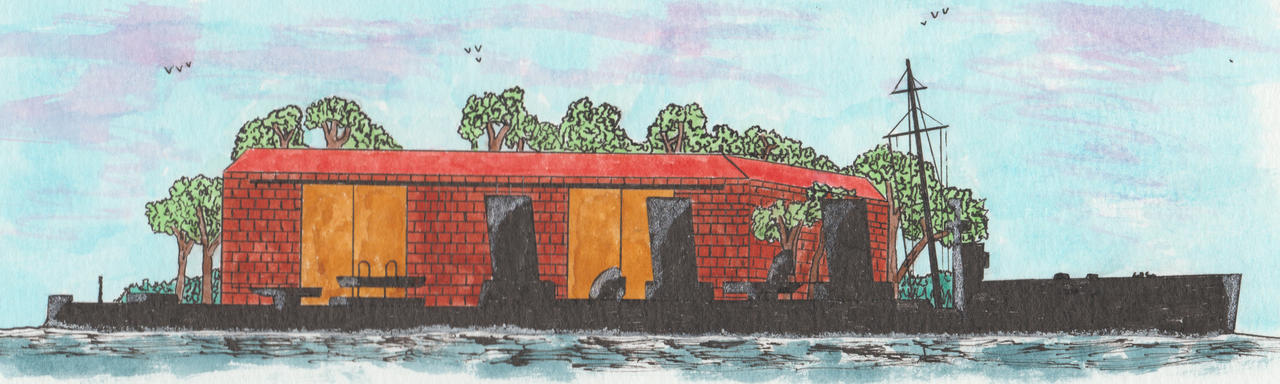
Italian protected cruiser Umbria 1889-1910 and Haitian Consul Gostrück 1910-1913

Piemonte. Naval History and Heritage command NH47666

Etruria, Regioni-class©Warshipsresearch.blogspot.com

Calabria©Warshipsresearch.blogspot.com

 Dupuy de Lôme as Comandante Aguirre©Warshipsresearch.blogspot.com

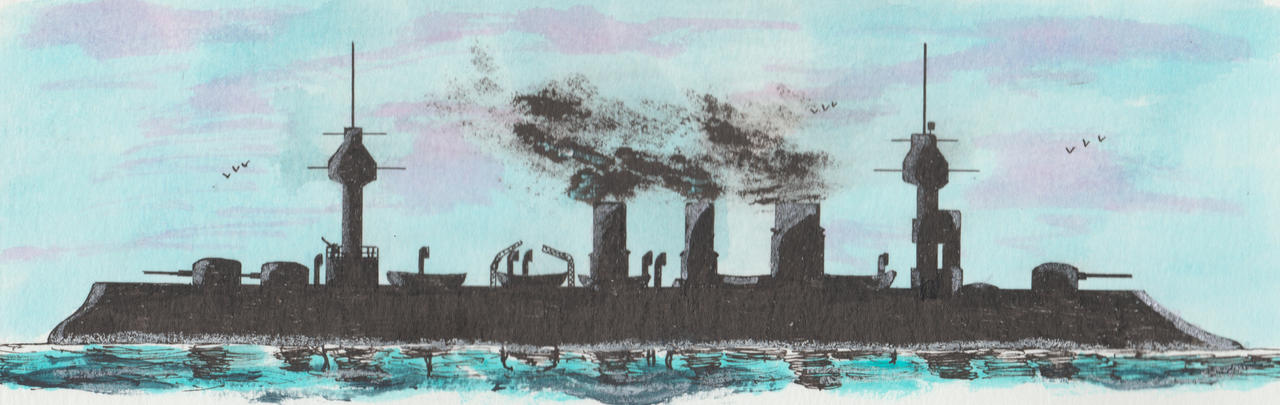
Part of Regioni-class preceded by Piemonte succeeded by Calabria. Laid down by Cantiere navale fratelli Orlando, Livorno, Italy on 1 August 1888, launched on 23 April 1891, decommissioned in 1910, rumors of a sale to Ecuador forced Peru to buy the aged French cruiser Dupuy de Lôme, sold to Haiti in December 1910, arived on 13 June 1911 at Haiti but sunk due an unexperienced crew, salvaged and towed to Rotterdam, Netherlands where she was broken up in 1913. The Dutch newspaper  Algemeen Handelsblad dated 24 January 1913 reported the departure from Haiti by the Dutch tug Zwarte Zee towing the Umbria. De De Amstelbode dated 5 February reported the arrival on 4 February on the Nieuwe Waterweg. According to the Scheepvaart edition 4 February was she to be broken up at Hendrik-Ido-Ambacht, the next day was instead reported Slikkerveer. 

Greek merchant ship Teti visited Romania according to a letter of the German naval attaché at Istanbul dated 2 March 1940

In his letter dated Istanbul, Turkey 2 March 1940 No. 801 g. reported the German naval attaché to the Oberkommando der Wehrmacht Abteilung Ausland the neutral ships passing Istanbul coming out of the Black Sea and loaded with contraband for or chartered by the enemy. An item reported on 28 February the Greek merchant ship Teti from Constanta, Romania with 3,385 ton wheat for St. Louis de Rhône, France.

Source

Bundesarchiv. German Marineattaché for Greece, Romania and Bulgaria 1939-1941. RM 12-II/459.

Merchant ship Constantin-Ralli chartered by France for the expedition to China in 1860

In 1856 broke the Second Opium War out as a result of western powers trying to force the Chinese Qing dynasty to open the frontiers for foreign trade and to obtain more influence. A treaty signed in 1858 was to end the war and give the western powers more or less what they wanted. A combined British-America-French effort to pass the Taku forts and go on to Pei-ho (nowadays Hai River) failed and France and the United Kingdom decided to sent out a combined expedition with the first French ships leaving France on 5 December 1859. A joint ultimatum of both countries dated 8 March 1860 was refused on 8 April 1860 followed by fighting. To transport their troops and stores France and especially England hired several merchant ships.

Source

Léopold Pallu de La Barrière. Expédition de Chine en 1860. Paris, Imprimerie Impériale, 1863, p. 15. 

Japanese auxiliary patrol boat Nos. 2252 cancelled 1945

©Warshipsresearch.blogspot.com

No 1-class patrol boat/Type B ordered under the 1943-1944 Programme to be part of the coastal forces. Of the 280 ordered were just 56 laid down and even a less number finally completed when the Second World War ended. To serve as convoy escorts were the boats also fitted out with minesweeping gears.  on a traditional wood built fishing boat. With a displacement of 238 tons and as dimensions 93.5 (between perpendiculars)-105. 3/4 (over all) x 20.2 x 7.75 feet. Geared diesel propulsion with 400bhp via one shaft and speed 9 knots. Crew numbered 26 men. Armament consisted of 2/4x1-2.5cm guns and 8-12 depth charges.

American whaler South Boston spoken according to the newspaper The Polynesian dated 8 October 1853

An item reported that the American whaler Mary Gardner arriving at Laihana, Hawaii on 5 October departed from the Arctic 10 September spoke the American whaler South Boston 5 whales and which lost both anchors.

American whaler Emerald spoken according to the newspaper The Polynesian dated 8 October 1853

An item reported that the American whaler Mary Gardner arriving at Laihana, Hawaii on 5 October departed from the Arctic 10 September spoke the American whaler Emerald 4 whales.

American whaler Cowper spoken according to the newspaper The Polynesian dated 8 October 1853

An item reported that the American whaler Mary Gardner arriving at Laihana, Hawaii on 5 October departed from the Arctic 10 September spoke the American whaler Cowper 2 whales.

Dutch cargo-passenger ship Op ten Noort 1927-1945

©Warshipsresearch.blogspot.com

Launched by N.V. Nederlandsche Scheepsbouw-Maatschappij, Amsterdam, Netherlands with yard number 185 on 12 February 1927, delivered to the N.V. Koninklijke Paketvaart, Amsterdam, Netherlands in August 1927, on 19 February 1942 to Surabaya for conversion into a hospital ship, halted by Japanese destroyer Amatsukaze 40 miles south west of Bawean while she was underway to take over survivors of the Dutch warships Hr.Ms. Java, De Ruyter and Kortenaer, went to Makassar on 8 March, seized by the Japanese on 5 June, departed on 23 November towards Yokohama, Japan, arrived on 5 December and where her crew was interned, commissioned by Japanese as hospital ship Tenno Maru with two funnels, renamed Hikawa Maru No. 2 on 1 November 1944, on 23 August despite the Japanese capitulation on 15 August 1945 scuttled with the use of explosives west of Katshuma, Wakasa Bay. Call sign PKEA. Homeport in 1939 Batavia, Dutch East Indies. Gross tonnage 6,076 tons, net tonnage 3,566 tons , deadweight tons 4,300 tons and as dimensions 424.5 x 55.2 x 22.2 x 22 (loaded) feet. Reciprocating propulsion, s screws, horsepower 616 nhp, oil bunker capacity 1,100 tons and speed 15 (normal cruising) knots. 

The armament of the Dutch merchant ship Fort Renselaer in the Second World War

According to the list and supplements 1-2 on 13 September 1945 BDZ No. 673 sent by the office of armament the Royal Netherlands Navy located at 41 East 42nd Street, New York 17, USA. There were no complete records available, so there were several sources used to compile the list. Sometimes the kind of guns gave indirect information regarding the origin such as 4”/BL and 12 pounder guns were British mostly supplied in the United Kingdom, Canada or Curacao. The 4.7” guns were old Japanese guns placed on some vessels in the begin of the war at Singapore and some 4” guns in the same period at Surabaya, Dutch East Indies. The trade in which the ship was used gave also an indication where the guns were supplied, for example involved in the Pacific trade means supplied at the West Coast.

Armed with 4-2cm guns

Armed with 1-7,62cm/3” 50 Mk. 22 dual purpose gun

Source

Archieven van hoofd handelsbescherming en diverse handelsbeschermingsofficieren 1941-1946 inv.no. 53 (Nationaal Archief, The Hague, Netherlands.

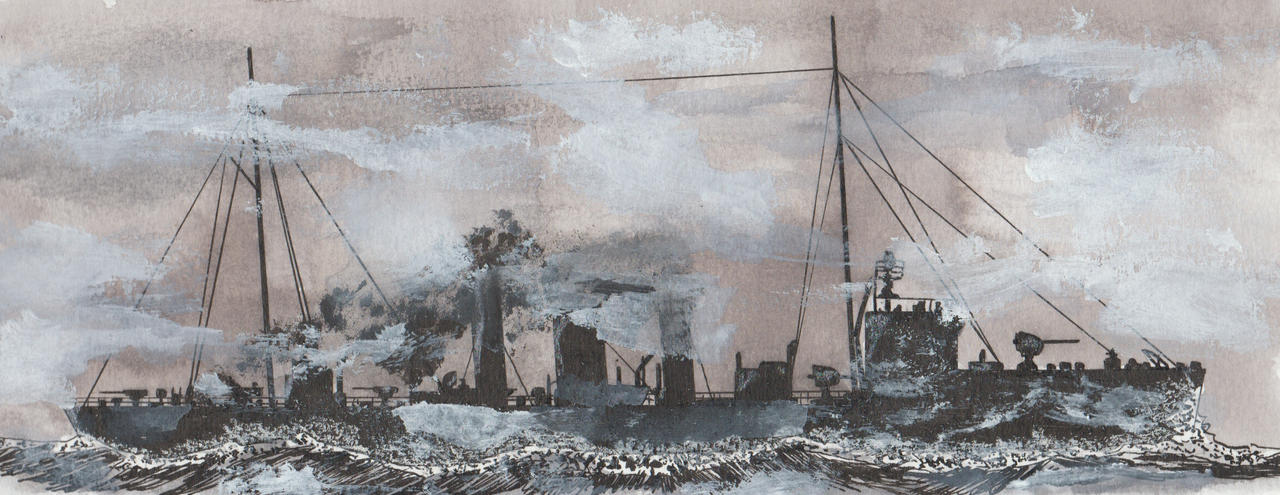
British minesweeping sloop HMS Cyclamen 1916-1932

©Warshipsresearch.blogspot.com

Built under the Emergency War Programme of the First World War. At the end of 1914 was the design completed and in July 1915 were 36 ships in 3 batches ordered for the British Royal Navy. British shipyards built an additional 8 vessels for the French Navy. Part of Arabis-class preceded by Azalea- and Acacia classes and preceded by Aubrietia-class. The Arabis-class was just like 4 other subclasses part of the so-called Flower-class, the later also known as Cabbage-class or the Herbaceous Borders. Launched by Lobnitz and Company, Renfrew, Scotland on 22 February 1916, attacked by mistake allied Italian submarine Guglielmotto in 1917 and to be scrapped on 2 July 1932. 

Dutch whaler Eendragt sold at Amsterdam, Netherlands on 18 September 1780

An item mentioned that shipbrokers sold in ‘t Nieuwezys Heeren Loogement, Amsterdam on 18 September 1780 the extra ordinary sailing fluytship de Eendragt, commandeur Jan Meyer, built in 1771, dimensions 114 x 29.9 x 12.7 1/2x x 7.2 (‘t V.) x 9.2 (S) Amsterdam feet, for 18,000 stroke 500 Dutch guilders to J. de Vries for his master. (1)

Note

1. Identical to Jan Jacob Meijer, Davis Strait commandeur between 1774-177 and 1778-1780, in 1780 for Franken, Wormerveer 3 whales-120 barrels blubber-174 quardelen whale oil?

Alphabetische naam-lyst van alle de Groenlandsche en Straat-Davidsche Commandeurs die sedert het jaar 1700 op Groenland en sedert het jaar 1719 op de Straat Davis etc. Gerret van Sant. Published by Johannes Enschede, Amsterdam 1770, with hand written notes until 1794.

Source

De Maandelyksche Nederlandsche Mercurius, September 1780.

People in the 17th and 18th centuries held a different geographical view than people today. This means that when we speak of “Greenland whaling”, “the term “Greenland” actually refers to Svalbard, whereas “Davis Strait” refers to whaling off the coast of present-day Greenland. The Davis Strait is a southern arm of the Arctic Ocean that lies north of the Labrador Sea. It lies between mid-western Greenland and Baffin Island in Nunavut, Canada. 
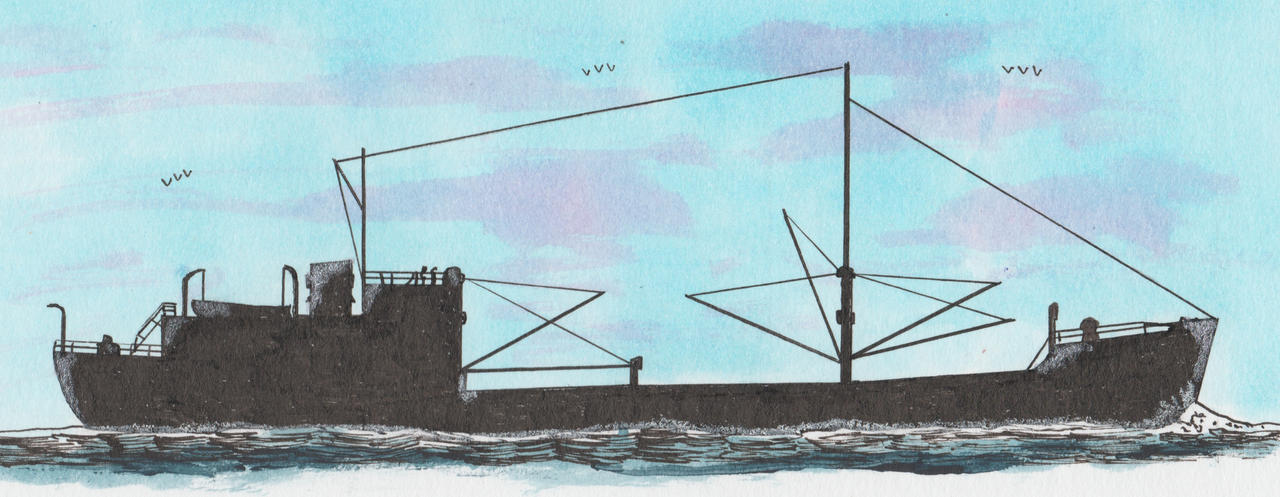
Dutch whaler de Vreeden sold at Amsterdam, Netherlands on 18 September 1780

An item mentioned that shipbrokers sold in ‘t Nieuwezys Heeren Loogement, Amsterdam on 18 September 1780 the extra ordinary sailing fluytship de Vreeden, commandeur Pieter Visser, built in 1775, dimensions 111 x 30.9 x 12 x 6.9 1/2 ‘t V) x 9.5 (de S) Amsterdam feet to  D. Tentye for his master, 24,600 Dutch guilders. (1)

Note

1. Davis Strait commandeur 1774, 1776-1780 for Jan de Vries, Wormerveer, 1780 6 whales-250 barrels blubber-360 quardelen oil. Ws Greenland commandeur 1775 and 1777.

Alphabetische naam-lyst van alle de Groenlandsche en Straat-Davidsche Commandeurs die sedert het jaar 1700 op Groenland en sedert het jaar 1719 op de Straat Davis etc. Gerret van Sant. Published by Johannes Enschede, Amsterdam 1770, with hand written notes until 1794.

Source

De Maandelyksche Nederlandsche Mercurius, September 1780.

People in the 17th and 18th centuries held a different geographical view than people today. This means that when we speak of “Greenland whaling”, “the term “Greenland” actually refers to Svalbard, whereas “Davis Strait” refers to whaling off the coast of present-day Greenland. The Davis Strait is a southern arm of the Arctic Ocean that lies north of the Labrador Sea.

Friday, 2 October 2026

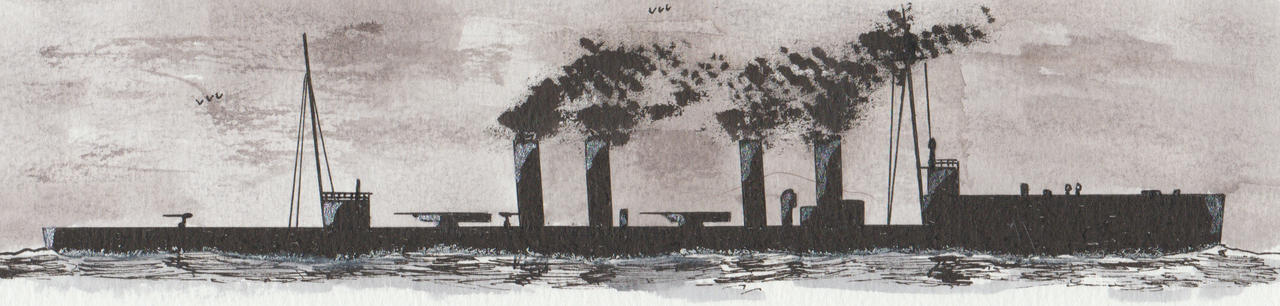
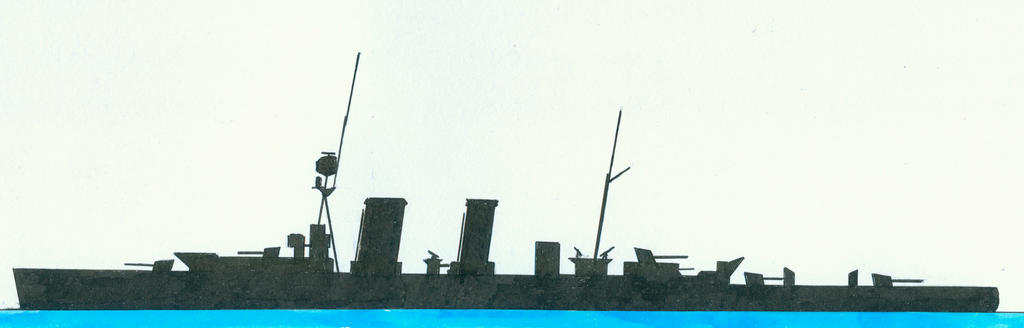
British destroyer HMS Zulu 1908-1916 and Zubian 1916-1919

HMS Cossack, Tribal-class©Warshipsresearch.blogspot.com

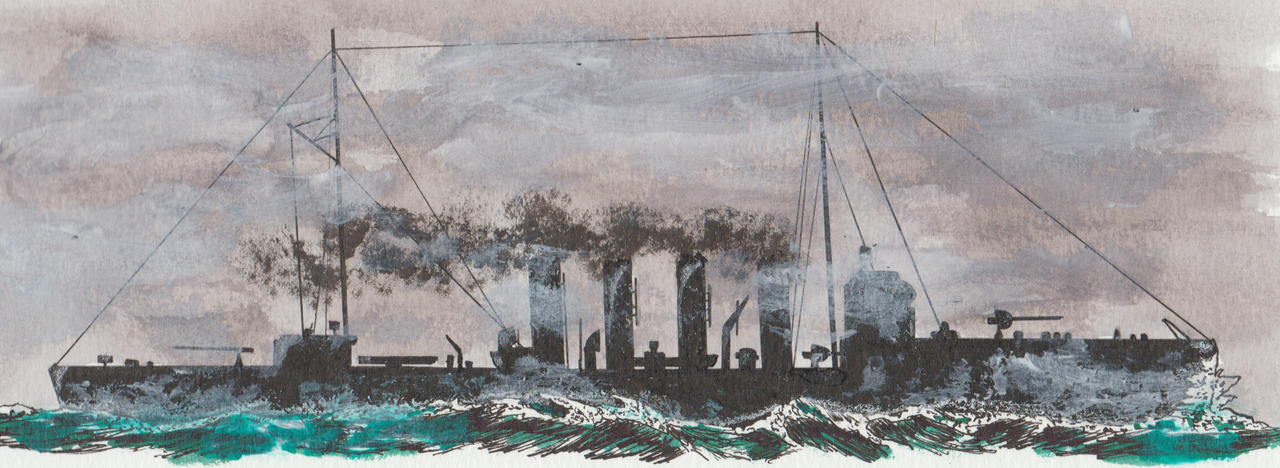
Part of Tribal- or F-class preceded by River- of E-class and succeeded by Beagle- or G-class. First Sea Lord Fisher asked for a 33 knots destroyer in November 1904 and to be fitted out with oil-fuelled boilers and steam turbines. While the design details were left to the individual shipyards as common at the time the were quite what difference in details and appearance especially dealing with the number of funnels. HMS Cossack and Ghurka had three funnels but their sister ship HMS Viking even six. The class had also two masts of which a light mainmast aft. Totally 12 completed. Built under the 1907-1908 Programme. Laid down by Hawthorn Leslie and Company, Newcastle on Tyne, England on 18 August 1908, launched on, 16 September 1909, commissioned on 19 March 1910 and striking a mine and damaged off Dover on 8 November 1916. The wreck was towed to the Chatham Dockyard where the stern of the Nubian and the bow of the Zulu were combined into the Zubian. The Zubian was commissioned on 7 June 1917 and sold to be broken up on 12 December 1919. 

Unknown warships sighted at Stavros, Greece according to the Kriegsnachrichten of the Chef des Admiralstabes der Marine dated Berlin 23 August 1917

An item reported that according to reconnaissance on 18 August in the harbour of Stravos, Greece were sighted 4 monitors, 1 cruiser, 4 guard ships and 1 transport.

Source

Bundesarchiv RM-40-622

Spanish torpedo boat T-13 1914-1932

©Warshipsresearch.blogspot.com

Launched in 1914 and broken up in 1932 .International call sign GRSC. Part of T-class preceded by Ariete-class succeeded by German S-boats. Between 1912-1922 were totally 22 of the planned 24 boats built by Sociedad Española de Construcción Naval, Cartagena, Spain based on the French Bourrasque-torpedo boats class design from Chantiers et Ateliers A. Normand, Le Havre, France.  Dimensions 50 (maximum) x 5,00 (maximum) x 3.20 x 1.47 metres. Maximum displacement 180 ton. Number of screws 3. Maximum speed 26,00 knots. Coal bunker capacity 1,000 ton. Crew numbered 31 men. Armament 3-4.7cm Vickers guns, 1x45cm and 1x2-45cm torpedo tubes.

Navypedia claims developed with support of the British firm Vickers and based on the French Cyclone-class of Norman. Building authorized under the law dated 7 January 1908. Harald Fock. Schwarze Gesellen. Torpedoboote bis 1914 also mentioned the Cyclone-class as basic design.

Sources

T-1 class

Lista official de los buques de Guerra y mercantes de España 1925.

German submarine SM U-33 sunk anonymous Spanish vessel according to the Kriegsnachrichten of the Chef des Admiralstabes der Marine dated Berlin 21 August 1917

U 32-39. ©Warshipsresearch.blogspot.com

An item reported that the German submarine SM U-33 (1) commanded by kapitänleutnant Siess (2) sunk on 9 August with explosives a Spanish vessel of 125 ton (name not supplied) with general cargo underway from Barcelona, Spain towards Savona, Italy 8 nautical miles south of Point de Beaudre.

Notes

1. Ordered on 29 March 1912, laid down by Germaniawerft, Kiel, Germany with yard number 193 on 7 November 1912, launched on 19 May 1914, commissioned on 27 September 1914, surrendered to the British at Harwich, England on 16 January 1919 and broken up at Blyth, England between 1919-1920.

2. Gustav Siess (11 December 1883, Hamburg, Germany-14 October 1970 Hamburg, Germany.

Source

Bundesarchiv RM-40-622

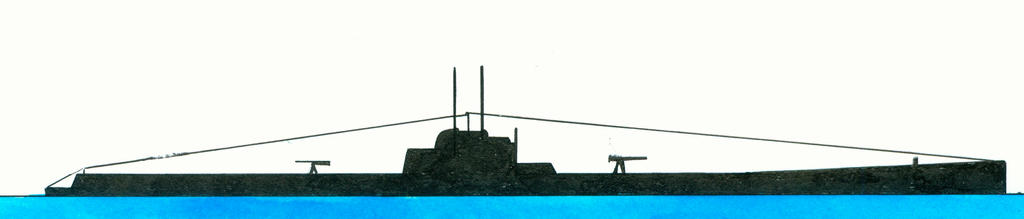
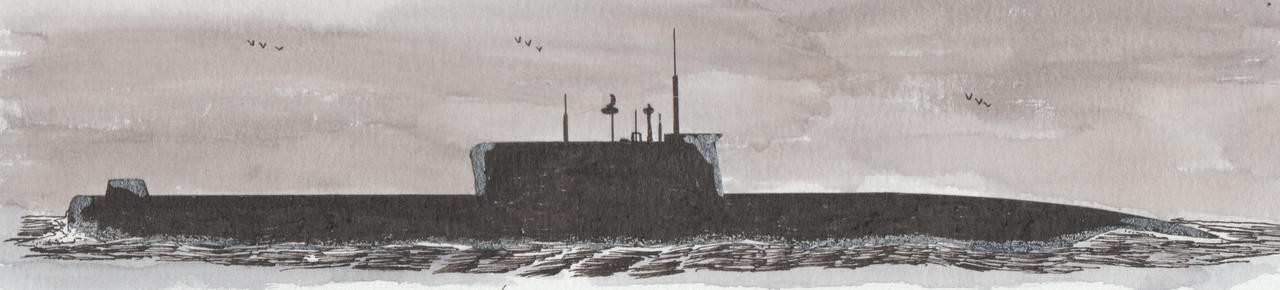
Russian nuclear cruise missile submarine K-122 1961-1985

Project 659/NATO Echo I-class in SSN configuration. ©Warshipsresearch.blogspot.com

Project 651/NATO Juliett-class. ©Warshipsresearch.blogspot.com

Part of Project 659 called by NATO Echo I preceded by Project 665 NATO named Whiskey Long Bin-class and succeeded by Project 651 NATO named Juliett-class and Project 670 Skat NATO named Charlie class. Of project 659 were 5 boats built converted in Project 659T SSN’s. Part of the Pacific Fleet. Laid down by Komsomolsk-on-Amur shipyard No. 199 on 21 January 1961, launched on 17 September 1961, commissioned on6 July 1962 and decommisioned to be broken up in 1985.

Sources

Breyer, S. and N. Polmar. Guide to the Soviet Navy, 2nd edition.

Jordan, J. Soviet submarines 1945 to the present.

Kouznetsov, N. La Marine sovietique en guerre 1941-1945.

Pavlov, A.S. Warships of the USSR and Russia 1945-1995.

Polmar N. and J. Noot. Submarines of the Russian and Soviet Navies 1718-1990.

Schulz-Troge, U. Die sowjetische Kriegsmarine.

Jane’s Fighting Ships several editions.

Warshipsresearch.blogspot.com

Echo-class 5 May 2026 08:45 o’clock

Russian Ships Info dated 12 April 2026 19:46 o’clock. . 

British screw steam transport Victoria in the Crimean War on 8 December 1854

According to a list of the return of the disposition in the Black Sea on 8 December 1854 drawn up by Captain and Principal Agent of Transports P. Christie, “Harbinger”, Balaklava, Crimea: number transport 72, present position Balklava, remarks receiving sick for Scutari [Shkodër, Albania]. The Crimean War found place between 16 October 1853-30 March 1856 between Ottoman Empire, France, United Kingdom and Sardinia at one side and Russia and Greece on the other side. The British Government chartered a large number of merchant ships for transporting troops and stores.

Source

Reports from Committees: eight volumes. 3-Part II. Army before Sebastopol. Session 12 December 1854-14 August 1855. Vol. IX-Part II.

British heavy cruiser HMS Shropshire 1927-1943 and Australian HMAS Shropshire 1943-1954

Hawkins-class©Warshipsresearch.blogspot.com

HMS Sussex, London sub-class©Warshipsresearch.blogspot.com

Part of County-class London subclass heavy cruisers, preceded by Hawkins-class succeeded by York-class. Ordered on 17 March 1926, laid down by Willeam Beardmore and Company, Dalmuir, Scotland on 24 February 1927, launched on 5 July 1928, commissioned on 24 September 1929, decommissioned o 23 December 1942, transferred to Royal Australian Navy, commissioned on 20 April 1943, decommissioned on 10 November 1949 and sold to be broken up on 16 July 1954. 

The armament of the Dutch merchant ship Fort Oranje in the Second World War

According to the list and supplements 1-2 on 13 September 1945 BDZ No. 673sent by the office of armament the Royal Netherlands Navy located at 41 East 42nd Street, New York 17, USA. There were no complete records available, so there were several sources used to compile the list. Sometimes the kind of guns gave indirect information regarding the origin such as 4”/BL and 12 pounder guns were British mostly supplied in the United Kingdom, Canada or Curacao. The 4.7” guns were old Japanese guns placed on some vessels in the begin of the war at Singapore and some 4” guns in the same period at Surabaya, Dutch East Indies. The trade in which the ship was used gave also an indication were the guns were supplied, for example involved in the Pacific trade means supplied at the West Coast.

Armed with 8-2cm guns supplied at Portland, Maine

Armed with 2-7,62cm/3” 50 Mk. 22 dual purpose guns

Source

Archieven van hoofd handelsbescherming en diverse handelsbeschermingsofficieren 1941-1946 inv.no. 53 (Nationaal Archief, The Hague, Netherlands. 

Luxembourg dredger Mimar Sinan 2008-

Canal Gent, Belgium-Terneuzen, Netherlands 12-9-2026

Luxembourg-flagged, IMO 9502049, MMSI 253338000 and call sign LXMU. Owner/manager Vasco, Luxembourg. Built by De Donge Raamsdonksvee Yard, Raamdonksveer, Netherlands in 2008. 

American whaler Lydia spoken according to the newspaper The Polynesian dated 8 October 1853

An item reported that the American whaler Mary Gardner arriving at Laihana, Hawaii on 5 October departed from the Arctic 10 September spoke the American whaler Lydia 5 whales

American whaler Chandler Price spoken according to the newspaper The Polynesian dated 8 October 1853

An item reported that the American whaler Mary Gardner arriving at Laihana, Hawaii on 5 October departed from the Arctic 10 September spoke the American whaler Chandler Price full.

American whaler Wheeton spoken according to the newspaper The Polynesian dated 8 October 1853

An item reported that the American whaler Mary Gardner arriving at Laihana, Hawaii on 5 October departed from the Arctic 10 September spoke the American whaler Wheeton 4 whales

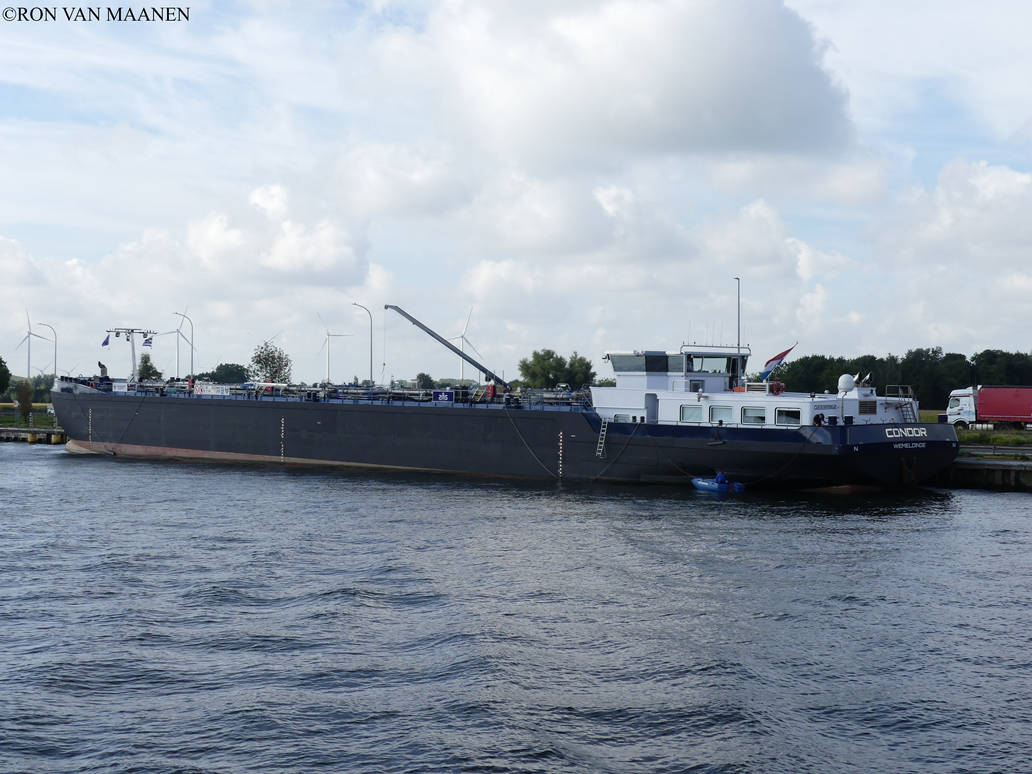
Dutch inland motor tanker Condor 2022-

Canal Gent, Belgium-Terneuzen, Netherlands 12-9-2026

Netherlands-flagged, homeport Wemeldinge, EU 02339962, MMSI 244058655 and call sign PG3429. Built by Barkmet, Lovosice, Czech Republic and completed by Zeeland Maritieme Services, Wemeldinge with yard number 1810 in 2022. 

Sale of the Dutch Greenland whaler Jan Adriaan sold at Amsterdam, Netherlands in 1767

An item mentioned that ship brokers J. de Flienes, V. de Vries, T, Beth Ysbrandsz, A. Kramp, D. des Ruelles de Jonge and H. Moens sold at Nieuwezyds Heeren Logement at Amsterdam, Netherlands on Monday 21 September 1767 the fluytship Jan Adriaan and whaling tools of commandeur Marten Martense de Wit, built in 1746, length 114 feet, lying at Amsterdam with 6-7 boats returning from Greenland, results 3 whales, 85 barrels blubber, bookkeepers Joan Adriaan and Pieter van Halen, 1,000 guilders, stroke 300 guilders, G.van Sante.(1)

Note

1. Greenland commandeur between 1747-1771 for Joan Adriaan and Pieter van Halen, Amsterdam, 1767: 3 whales-85 barrels blubber-138 quardelen whale oil. Alphabetische naam-lyst van alle de Groenlandsche en Straat-Davidsche Commandeurs die sedert het jaar 1700 op Groenland en sedert het jaar 1719 op de Straat Davis etc. Gerret van Sant. Published by Johannes Enschede, Amsterdam 1770, with hand written notes until 1794.

Source

De Maandelyksche Nederlandsche Mercurius, Volume 22, September, Amsterdam, 1767.

People in the 17th and 18th centuries held a different geographical view than people today. This means that when we speak of “Greenland whaling”, “the term “Greenland” actually refers to Svalbard, whereas “Davis Strait” refers to whaling off the coast of present-day Greenland. The Davis Strait is a southern arm of the Arctic Ocean that lies north of the Labrador Sea. It lies between mid-western Greenland and Baffin Island in Nunavut, Canada. 

Sale of whaling tools of Dutch Greenland commandeur Ryk Harmens at Amsterdam, Netherlands in 1767

An item mentioned that ship brokers V. de Vries and G. de Myn sold at Nieuwezyds Heeren Logement at Amsterdam, Netherlands on Monday 14 September 1767 the extraordinary whaling tools of commandeur Ryk Harmens, 1,100 guilders, stroke 150 guilders, G, de Myn.(1)

Note

1. Greenland commandeur between 1767-1772 for Nicolaas Anthony van Hoorn, Amsterdam, 1767: o whales-48 barrels blubber-59 quardelen whale oil. Caught one ‘Combaars’ [Humpback whale]. Alphabetische naam-lyst van alle de Groenlandsche en Straat-Davidsche Commandeurs die sedert het jaar 1700 op Groenland en sedert het jaar 1719 op de Straat Davis etc. Gerret van Sant. Published by Johannes Enschede, Amsterdam 1770, with hand written notes until 1794.

Source

De Maandelyksche Nederlandsche Mercurius, Volume 22, September, Amsterdam, 1767.

People in the 17th and 18th centuries held a different geographical view than people today. This means that when we speak of “Greenland whaling”, “the term “Greenland” actually refers to Svalbard, whereas “Davis Strait” refers to whaling off the coast of present-day Greenland. The Davis Strait is a southern arm of the Arctic Ocean that lies north of the Labrador Sea. It lies between mid-western Greenland and Baffin Island in Nunavut, Canada. 
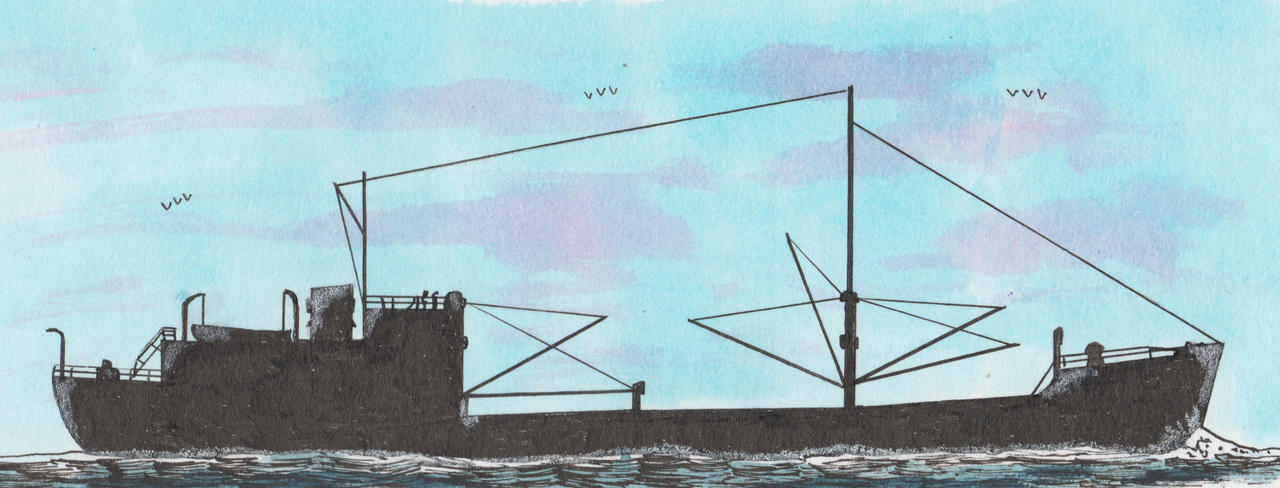
Japanese aircraft carrier Kurama or Kaimon (Ship No. 5008) 1943-1944

Unryu-class©Warshipsresearch.blogspot.com

Part of Unryu-class (project number G16) Ikoma-subclass preceded by Taiho succeeded by planned but not realized Project Number G18. Design resembles more the Hiryu than that of the Taiho. There were 16 planned namely under the Maru Kyu Programme ship No. 301 in 1941 and under the Kai-Maru 5 Programme Ships No. 5001-5015, at the end were 13 were cancelled. There were 2 subclasses namely Unryu (Nos. 302, Modified Unryu Class 5001-5006 and Ikoma (unofficial Modified Ship Number 302-class in fact a simplified Unryu model Nos. 5007-5015). To be laid down by Mitsubishi, Nagasaki, Japan in November 1943, was to be completed by December 1945 but cancelled on 5 May 1944. 

Portuguese fireship Santo Antonio de Padua 1716-1717

Mentioned between 1716-1717, armament of 8 guns. 

Source

A. Marques Esparteira. Catalogo dos navios brigantinos (1640-1901). Lisboa, 1976.

Portuguese iate Costela 1798-1801

Mentioned between 1798-1801, armament of 6 guns.

Source

A. Marques Esparteira. Catalogo dos navios brigantinos (1640-1901). Lisboa, 1976.

Thursday, 1 October 2026

Chinese river gunboat Chu Kuan 1907-1960s

Chu Tung, Chu-class. ©Warshipsresearch.blogspot.com

Yongxiang. ©Warshipsresearch.blogspot.com

Also spelled as Tchou-Kuan. Part of Chu-class consting of the Chu Tung, Chu Chien, Chu Tai, Chu Yu, Chu Yiu and Chu Kuan succeeded by Yongfeng-class gunboats. Ordered from Kawasaki Shipbuilding Corporation, Kobe, Japan in 1904, launched on 14 August 1907 , commissioned late 1907 and stricken in the 1960s.